TL;DR

Get cleaning gear delivered free with Prime
- Fast, free delivery on millions of items
- Prime Video, Amazon Music and more included
- Member-only deals all year
Curry and turmeric stains are tough but removable. Acting quickly with cold water, gentle pre-treatments, and natural or commercial solutions can restore your fabrics and surfaces. The key is timely action and patience.
Picture this: you’re cooking a vibrant curry, and suddenly, a splash of that bright yellow-orange sauce hits your favorite white blouse. Or maybe your toddler’s turmeric-laced snack drips onto the rug. Curry and turmeric stains seem almost impossible to remove once they set, but don’t despair. With the right approach, you can beat those stubborn spots. This guide will walk you through proven, practical steps to get curry and turmeric stains out of fabrics, carpets, and hard surfaces. You’ll learn how to act fast, what household items work best, and when to call in professional help.
Whether you’re tackling a fresh spill or a dried-up mess, understanding the nature of these stains makes all the difference. Curry’s oily, spice-rich composition and turmeric’s powerful pigment demand specific strategies. Let’s explore how to reclaim your clothes and surfaces from these colorful invaders.
Act quickly—cold water rinse within minutes is your best chance to lift turmeric and curry stains before they set.
Use gentle, household items like baking soda, vinegar, or dish soap as first-line treatments.
Dried stains may require multiple treatments with rehydration and patience, especially on fabrics.
Always test stain removal methods on small, inconspicuous areas to prevent damage.
For stubborn or valuable items, don’t hesitate to consult a professional cleaner.
What Makes Curry and Turmeric Stains So Hard to Remove?
Both curry and turmeric create stubborn stains because of their unique chemical makeup. Curry is a complex mix of oils, spices, and sauces, which can seep deep into fibers, making them cling tight. Turmeric, on the other hand, contains curcumin—a bright yellow-orange pigment that’s incredibly fat-soluble and tenacious. Once it bonds with fabric or surfaces, it’s like trying to erase a permanent marker.
Understanding these properties is crucial because they influence how the stain reacts to different treatments. The oils in curry act as carriers, helping the pigment penetrate deeper and making it more resistant to water-based cleaning alone. Meanwhile, curcumin’s fat-solubility means it dissolves easily in oils but resists water, which is why rinsing with water alone often isn’t enough. This chemical complexity means that simple cleaning methods may fail unless you target the oils and the pigment specifically. Recognizing this helps you choose the most effective strategies—like using degreasers or stain removers that contain enzymes or fats-breaking agents—rather than relying solely on water or mild detergents. The tradeoff here is that more aggressive treatments might risk fabric damage if not used carefully, so understanding the chemistry guides you to balanced, safe solutions.
Products Worth Considering

Dyson Ball Animal Total Clean Upright Vacuum

Samsung 42-Inch S90H OLED 4K Smart TV Bundle

Dyson Ball Animal 3 Extra Upright Vacuum
As an affiliate, we earn on qualifying purchases.
How Fast Action Can Save Your Favorite Clothes
Immediate response to a stain isn’t just about quickness; it’s about preventing the chemical bonds of the pigment and oils from solidifying into a permanent fixture. When a spill occurs, the pigment and oils are still loosely attached—if you act within minutes, you can often interrupt this bonding process, making stain removal much easier. Rinsing with cold water works because it helps wash away the pigment before it penetrates deeply or bonds strongly with fibers.
Imagine you spill turmeric on a white tablecloth during dinner. Rinsing it immediately with cold water can prevent the curcumin molecules from settling into the fabric’s fibers, reducing the need for harsh chemicals later. The longer you delay, the more the oils and pigment seep in, creating a resilient, set-in stain that’s resistant to simple washing. For dried stains, the challenge is that the pigment bonds have already formed, requiring rehydration and stronger treatments to loosen them. This highlights the importance of acting quickly to preserve the fabric’s integrity and minimize the need for aggressive or multiple treatments. The implication is clear: the faster you respond, the fewer resources and less stress on your fabrics, making stain removal more successful and less damaging.
Step-by-Step Guide to Removing Fresh Curry and Turmeric Stains
- Blot the excess: Use a clean cloth or paper towel to gently lift up as much of the spill as possible. Do not rub, as this pushes the stain deeper and can damage delicate fibers. Gentle blotting helps remove surface oils and pigment without spreading the stain further.
- Rinse with cold water: Hold the fabric or surface under cold running water from the backside to flush out the pigment. This method minimizes the spread of the stain and helps dissolve some of the pigment and oils before they set. The importance lies in maintaining a flow that pushes the stain away from the fibers, preventing further bonding.
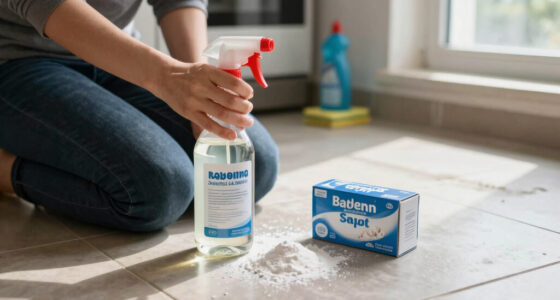
- Apply a pre-treatment: Use a stain remover spray or create a paste of baking soda and water, then spread it evenly over the stain. Let it sit for 10-15 minutes to allow enzymes or alkaline agents to break down oils and pigment bonds. This step is crucial because it chemically alters the stain components, making them easier to lift during washing.
- Wash or clean: For clothes, wash in cold water with your usual detergent—preferably one with stain-fighting enzymes. For hard surfaces or upholstery, gently scrub with a mixture of dish soap and cold water, then rinse thoroughly. The key is to remove loosened pigment and residual oils without damaging the material.
- Check before drying: Ensure the stain is gone before applying heat or drying, as heat can set any remaining pigment permanently. If the stain persists, repeat the pre-treatment and washing steps. This cautious approach prevents irreversible damage and gives you the best chance for complete removal.
This simple sequence, when followed patiently, maximizes your chances of restoring fabrics and surfaces to their original state. The importance of gentle handling and thorough rinsing cannot be overstated, as aggressive scrubbing or heat can lock in stains or damage fibers, making removal impossible.
How to Tackle Dried or Set-In Curry and Turmeric Stains
Dried stains are more challenging because the pigment bonds have already formed and are less responsive to water alone. To effectively loosen these bonds, rehydration is essential. Cold water helps rehydrate the dried oils and pigment, softening the stain’s structure, making it more susceptible to removal. Applying heat or aggressive scrubbing at this stage risks setting the stain further or damaging the fabric.
For fabrics, create a paste of baking soda or oxygen-based bleach (if the fabric is color-safe). These alkaline agents help break down the bonds between the pigment and fibers by altering the pH environment, making it easier to lift the stain. Applying this paste directly onto the stain and letting it sit for 30 minutes allows the chemical reactions to occur, loosening the stain’s grip. Afterward, launder in cold water or gently scrub with dish soap. For carpets or upholstery, a commercial stain remover designed for tough spots is effective, or you can use a vinegar-water solution (1:1 ratio) to break down the pigment bonds through acidity. Patience here is key—multiple treatments over time may be necessary, especially for older, dried stains. The tradeoff is that persistence and repeated gentle treatments can eventually restore the surface, but rushing or using harsh chemicals can cause damage or discoloration. Understanding that set-in stains need time and rehydration guides you to safer, more effective removal strategies.
The Best Household Items for Removing Curry and Turmeric Stains
| Item | How It Works | Best For |
|---|---|---|
| Baking Soda | Absorbs oils and lifts pigment by creating an alkaline environment that destabilizes stain molecules, helping to loosen and lift the pigment and oils from fibers and surfaces. | Fresh and dried turmeric stains on fabrics and surfaces, especially when combined with water or other cleaning agents. |
| White Vinegar | Contains acetic acid, which helps break down pigment bonds and dissolve oils, especially effective on dried stains or stubborn spots. Its acidity can also lighten stains over time. | Dried turmeric on fabrics, tiles, and hard surfaces, particularly when used as part of a multi-step cleaning process. |
| Lemon Juice | Natural bleaching and stain loosening through citric acid, which can weaken pigment bonds. It also adds a fresh scent and brightening effect. | Light-colored fabrics and kitchen surfaces. Best used in combination with sunlight for enhanced bleaching. |
| Dish Soap | Degreases and dissolves oils, aiding in removing the oily component of curry and helping lift pigment from fibers. | All types of stains on fabrics and hard surfaces, especially when used with hot water or agitation. |
| Hydrogen Peroxide (3%) | Oxidizes pigment molecules, breaking down their chemical structure and bleaching stains. It’s especially useful on white or color-safe fabrics but can cause discoloration on some dyes. | White fabrics or color-safe items, with prior patch testing to prevent damage. |
These household staples work by chemically interacting with stain components, either by destabilizing pigment bonds or dissolving oils. Their effectiveness hinges on proper application, timing, and surface compatibility. Always test first on hidden areas to prevent unintended damage, and remember that combining these agents with patience and gentle handling yields the best results.
Frequently Asked Questions
How quickly should I treat turmeric stains to prevent them from setting?
The moment you notice the stain, rinse with cold water. Immediate action prevents the pigment from bonding deeply, making removal much easier.Is it safe to use hydrogen peroxide on colored fabrics for turmeric stains?
Hydrogen peroxide can bleach some fabrics, so test on a hidden spot first. It works best on white or color-safe fabrics and can help lift stubborn turmeric stains.Can I use bleach to remove curry stains from colored clothes?
Bleach can sometimes help on white fabrics, but on colored items, it risks discoloration or damage. Always do a patch test first or opt for gentler solutions.What’s the most eco-friendly way to remove turmeric from my countertop?
A paste of baking soda and water or a mixture of vinegar and water can effectively loosen turmeric pigment without harsh chemicals. Always test first and rinse thoroughly.How many treatments does it usually take to remove dried curry stains?
It varies, but expect to repeat the process every 24 hours—using rehydration, mild scrubbing, and patience—until the stain fades. Persistent stains may need professional help.Conclusion
When curry or turmeric spills happen, your best tool is swift action paired with gentle treatment. Remember, patience and the right household items can save your favorite clothes and surfaces from permanent color. Think of stain removal as a small act of care—your future self will thank you for the effort.
Next time you face a spicy mishap, picture a clean, bright surface reappearing. With just a bit of effort, you can keep your home looking fresh and vibrant, free of stubborn stains and lingering odors.