TL;DR
Regular, top-to-bottom dusting with effective tools reduces dust buildup and improves air quality. Incorporating routine habits and smart devices helps your home stay cleaner longer, saving you time and effort.
Ever notice how dust seems to settle back just hours after you clean? The secret isn’t just in dusting, but in doing it smartly—so dust stays away longer. You want your home to look fresh, feel healthier, and save you from endless touch-up cleaning. This guide shows you proven tricks to dust effectively and keep your space cleaner, longer.
From choosing the right tools to establishing routines, you’ll learn how simple habits can make a big difference. Ready to transform your dusting game? Let’s dive into practical, no-nonsense tips that really work.
Use microfiber cloths and electrostatic dusters for maximum dust capture.
Establish a weekly dusting schedule starting from top to bottom surfaces.
Control indoor dust sources by reducing clutter, using air purifiers, and maintaining proper humidity.
Always dust from top to bottom to prevent spreading dust onto cleaned surfaces.
Incorporate smart devices like robotic vacuums and air purifiers to boost dust control with less manual effort.
Pick the Right Tools for a Dust-Free Home
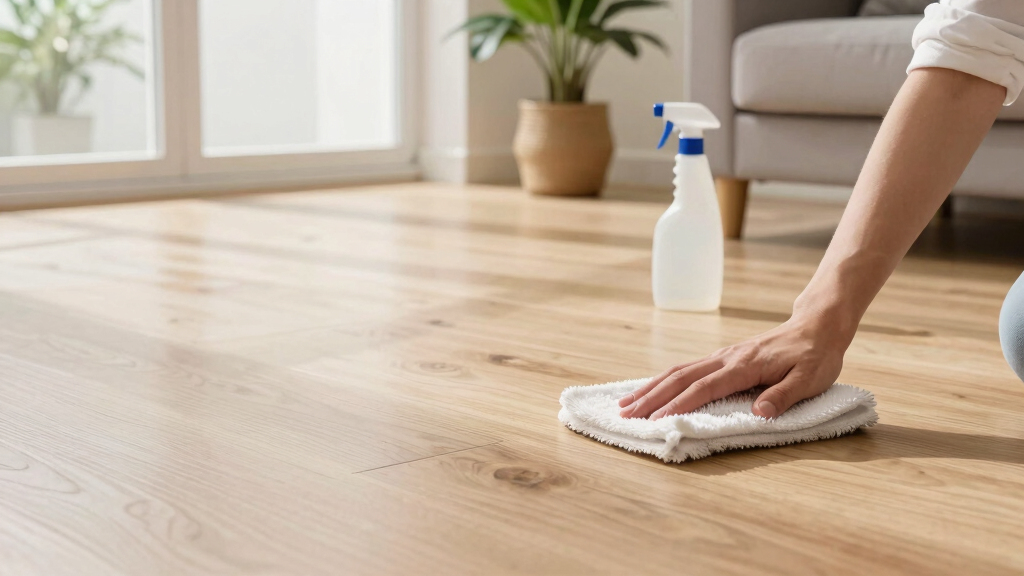
The best dusting tools aren’t fancy—they’re effective. Microfiber cloths and electrostatic dusters trap dust without just moving it around. For example, a microfiber cloth glides over surfaces, grabbing tiny particles that traditional dusters leave behind. Use these tools on everything—from shelves to ceiling fans.
Pay special attention to hard-to-reach places like behind picture frames or vents. Regularly washing or replacing your cloths keeps dust from spreading. Remember, a damp microfiber cloth is even better at catching stubborn dust and pet hair.
Choosing the right tool matters because it directly impacts how much dust you remove and how long surfaces stay clean. Microfiber cloths, for instance, use static and fibers to trap dust, preventing it from resettling quickly. Electrostatic dusters attract dust using static electricity, making cleaning high or tricky spots more efficient. The tradeoff is that some tools require more maintenance or may not be suitable for delicate surfaces, so understanding their strengths helps you optimize your cleaning routine.
As an affiliate, we earn on qualifying purchases.
Establish a Weekly Dusting Routine That Actually Works
Consistency is key. Dusting once a week prevents dust from building into a thick layer. Pick a day, like Sunday afternoons, and stick to it. Start high—ceiling fans, light fixtures, vents—and work your way down to surfaces and furniture.
For example, dusting your living room ceiling fan can take just five minutes but saves hours of scrubbing later. Use a step stool and a microfiber duster to reach those tricky spots easily.
In high-traffic areas, consider a quick daily wipe-down with a microfiber cloth to keep dust from settling deeply.
This routine matters because dust accumulates faster than many realize, especially in busy households. Regular dusting prevents the buildup of allergens and reduces the workload over time. The tradeoff is that inconsistent routines can lead to larger, more difficult cleaning sessions later, so establishing a fixed schedule ensures ongoing effectiveness and less stress.
As an affiliate, we earn on qualifying purchases.
Control Dust Sources and Keep It From Coming Back
Minimize clutter and fabric surfaces that trap dust. Clear off shelves, tidy up piles, and vacuum upholstery regularly. Use air purifiers with HEPA filters—they catch airborne dust and allergens, reducing what settles on surfaces.
For example, a family with pets found that running a HEPA purifier in the living room cut dust levels by nearly 50%. Keep windows closed during high pollen seasons, and use window screens to prevent outdoor dust from sneaking in.
Maintaining low humidity (around 40-50%) not only discourages dust mites and mold but also prevents dust from becoming airborne and settling on surfaces. High humidity can cause dust and allergens to stick more stubbornly, making cleaning less effective. Conversely, too low humidity can cause dry air and static, which can attract dust. Striking a balance ensures dust control is more manageable and cleaning efforts are more effective.
As an affiliate, we earn on qualifying purchases.
How to Dust Without Spreading Dust Around
Effective dusting is about technique. Always dust from top to bottom. Start with ceiling fans, light fixtures, and vents—these often hold the most dust. Use a microfiber or electrostatic duster. Then move to shelves, furniture, and finally floors.
For example, dusting a bookshelf from the top shelf down prevents dust from falling onto already cleaned surfaces. Using a lightly damp cloth on wood surfaces keeps dust particles from bouncing back into the air.
Don’t forget behind furniture and in corners—these are dust hotspots often missed during quick cleans. Proper technique minimizes the chance of redistributing dust, which is crucial for maintaining longer-lasting cleanliness and reducing allergen buildup. The tradeoff is that rushing or neglecting top-to-bottom cleaning can cause dust to settle quickly, undoing your efforts.
As an affiliate, we earn on qualifying purchases.
Compare Dusting Tools to Find Your Perfect Match
| Tool | How it Works | Best For |
|---|---|---|
| Microfiber Cloth | Traps dust particles via static and fibers | Most surfaces, quick clean-ups |
| Electrostatic Duster | Uses static electricity to attract dust | Ceiling fans, vents, high shelves |
| Vacuum with Dusting Attachments | Sucks dust from fabric and hard surfaces | Upholstery, curtains, carpets |
Choosing the right tool depends on the surface and the task. Microfiber cloths are versatile and effective for most surfaces because they trap dust and are easy to wash and reuse. Electrostatic dusters excel at reaching high spots or areas with a lot of dust buildup, thanks to their static charge, which attracts dust particles. Vacuum attachments are ideal for fabrics, carpets, and hard-to-reach corners, providing thorough removal without spreading dust into the air. Understanding these differences helps you select tools that maximize efficiency and minimize dust dispersal, ultimately maintaining a cleaner environment for longer.
Smart Habits That Keep Dust From Piling Up
Small habits make a big difference. Wipe down surfaces daily with a microfiber cloth, especially in busy areas. Keep clutter to a minimum—less stuff means less dust hiding in corners.
For example, a busy family started wiping kitchen counters and coffee tables every evening. The result? Dust buildup slowed down by 60%, and cleaning took half as long.
Rotate bedding weekly, wash curtains monthly, and vacuum upholstery frequently to cut down on hidden dust sources. These habits reduce the number of surfaces where dust can settle and multiply, making weekly cleaning more effective and less time-consuming. The tradeoff is that neglecting these routines can lead to rapid dust accumulation, requiring more intensive cleaning sessions that could have been avoided with consistent habits.
Use Smart Devices to Help Maintain a Dust-Free Home
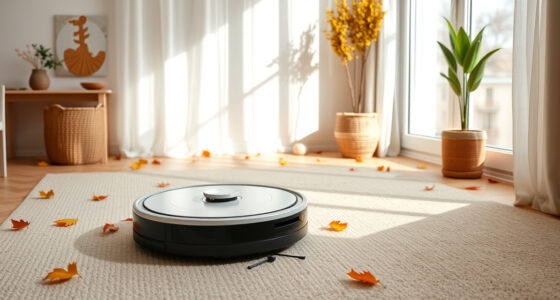
Technology can do some of the heavy lifting for you. Smart air purifiers with HEPA filters monitor indoor air quality and alert you when it’s time to change filters. Robotic vacuums, programmed to run daily, keep floors free of dust and pet hair.
For instance, a homeowner set their robotic vacuum to run every morning. Over time, dust levels in their living room dropped noticeably, and their allergy symptoms eased.
Pair these devices with routine dusting, and your home stays cleaner with less effort. The tradeoff is that relying solely on technology without regular manual cleaning can lead to overlooked areas. Combining both approaches ensures comprehensive dust control, maximizing the benefits of automation while maintaining overall cleanliness.
Frequently Asked Questions
How often should I dust my home to keep it clean longer?
Once a week is usually enough for most homes, but if you have pets or allergies, dusting twice a week can prevent buildup and keep allergens at bay.
What are the best tools for effective dusting?
Microfiber cloths, electrostatic dusters, and vacuum attachments with HEPA filters are the top tools. They trap dust better than traditional feather dusters or dry cloths.
Can I use natural cleaning products for dusting?
Yes, options like vinegar, baking soda, or eco-friendly sprays work well. They’re safe for surfaces and won’t leave chemical residues that attract dust.
How can I reduce dust in my home permanently?
Keep clutter minimal, vacuum often, control humidity, and use air purifiers. These habits create a less hospitable environment for dust to settle and multiply.
Are there special tips for dusting electronics or delicate items?
Use soft, lint-free cloths and compressed air for electronics. Avoid harsh chemicals—stick with gentle, electronics-safe wipes to prevent damage.
Conclusion
Keeping dust at bay isn’t about spending hours scrubbing—it’s about smart, consistent habits. Dust from the top down, use effective tools, and let technology lend a hand. Your home will feel fresher, look cleaner, and stay that way longer.
Imagine walking into a room where dust is just a distant memory—bright, airy, and inviting. That’s the power of simple, intentional dusting. Start today, and enjoy a home that stays cleaner, longer.