TL;DR
For allergy sufferers, vacuuming 2-3 times weekly with a HEPA-filter vacuum is key. Combining regular cleaning with other allergy-proofing measures drastically cuts allergens and improves air quality.
If sneezing fits, itchy eyes, and congestion sound familiar, your cleaning routine might need a boost. Dust mites, pet dander, pollen—these tiny foes hide in carpets, upholstery, and even the air you breathe. But the good news? A targeted vacuuming routine can slash those allergens and clear the air in your home.
In this guide, you’ll learn exactly how often to vacuum, what features to look for in your vacuum, and simple steps to turn your cleaning into an allergy-fighting weapon. Get ready to breathe easier and enjoy your space without allergy flare-ups.
Vacuum 2-3 times weekly with a HEPA-filter, sealed-system vacuum for best allergen control.
Focus on high-traffic areas, upholstery, and carpets—these harbor the most allergens.
Maintain your vacuum regularly—change filters and empty dustbins to keep it effective.
Combine vacuuming with other measures like allergen-proof bedding and air purifiers for maximum relief.
Consider replacing carpets with hard floors if allergies are severe—it’s easier to keep allergen-free.
The Best Vacuuming Routine for Allergy Sufferers
Dust mites, pollen and pet dander settle deep into carpets, upholstery and corners. A consistent routine built around sealed HEPA filtration helps remove that reservoir before everyday movement sends it back into the air.
Vacuum each week, increasing frequency for pets, heavy traffic or severe symptoms.
Particles captured at 0.3 microns when genuine HEPA filtration is properly maintained.
Overlapping passes and a sealed air path keep cleaning from simply redistributing allergens.
A routine that stays ahead of buildup
Consistency matters more than an occasional deep clean. Concentrate effort where people spend time and where soft surfaces retain the greatest allergen load.
Priority rooms
Vacuum bedrooms, living areas and pet zones more often. Make slow, overlapping passes across high-traffic paths and around furniture.
Soft surfaces
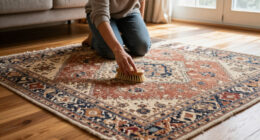
Use an upholstery brush on sofas, fabric chairs, mattresses and rugs. Clean seams and edges with the crevice tool.
Hard floors
Vacuum rather than dry sweep, then damp-mop to collect fine residue. Avoid actions that launch settled particles back into the air.
Spend effort where allergens hide
The relative priorities below are a practical cleaning guide: soft, disturbed and high-contact surfaces generally deserve more attention than open hard flooring.
Relative cleaning priority
Repeated movement disturbs settled particles, so overlap passes in both directions.
Use a crevice tool where airflow and ordinary vacuum heads leave dust behind.
Remove cushions and clean fabric, folds and the frame beneath them.
Increase frequency where dander and tracked pollen accumulate continuously.
One deliberate pass through every room
Work methodically from elevated soft surfaces toward the floor. Slow movement gives the vacuum head more time to lift embedded particles.
Close windows during high-pollen periods and clear the floor.
Brush sofas, cushions, mattresses and fabric seams.
Use the crevice tool along skirting boards and corners.
Move slowly in overlapping lanes from the far corner out.
Empty the bin outdoors and damp-mop hard surfaces.
Technique cue: Avoid rushing. Give carpeted high-traffic areas multiple passes, change direction, and keep the vacuum head correctly adjusted for the surface.
Filtration matters more than form
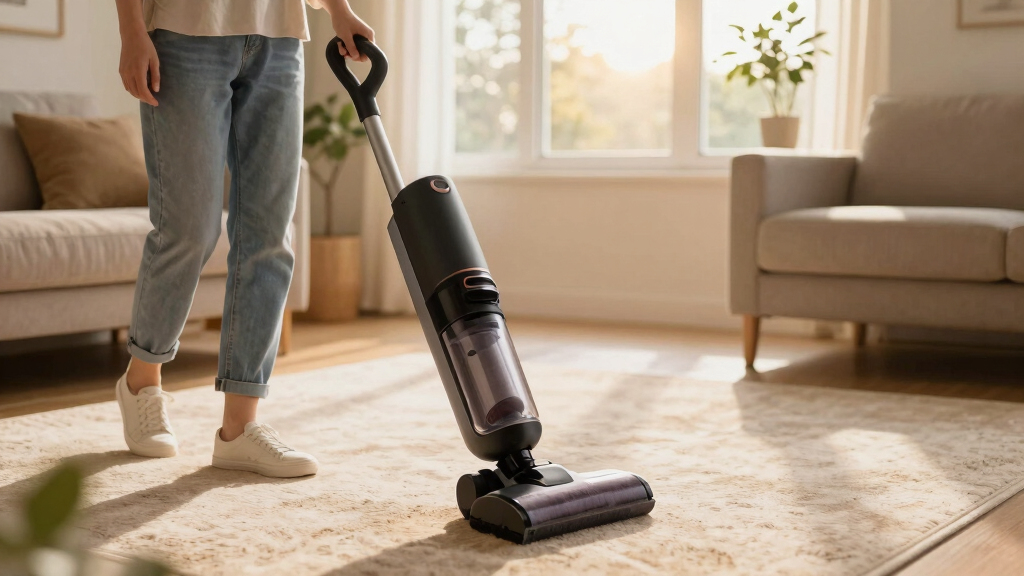
Upright, canister and robotic vacuums can all help. The decisive combination is genuine HEPA filtration, a sealed system and tools suited to your surfaces.
| Feature | Upright | Canister | Robotic |
|---|---|---|---|
| HEPA filtration | ✓ Common | ✓ Common | ~ Model-specific |
| Sealed air system | ✓ Often | ✓ Often | ~ Less common |
| Deep carpet cleaning | ✓ Strong | ✓ Strong with head | ~ Maintenance clean |
| Stairs and upholstery | ~ Attachment needed | ✓ Flexible | ✗ Limited |
| Frequent automatic runs | ✗ Manual | ✗ Manual | ✓ Excellent |
| Allergy-control fit | ✓ Excellent if sealed | ✓ Excellent if sealed | ~ Helpful with HEPA |
Purchase check / genuine HEPA + sealed system + adjustable suction + crevice and upholstery tools
A full vacuum cannot protect the air
Restricted airflow reduces pickup, while overdue filters can compromise filtration. Follow the manufacturer’s schedule whenever it is more specific.
Simple maintenance rhythm
- After each useEmpty the dustbin before it overfills, ideally outdoors.
- MonthlyInspect hoses, brush rolls, seals and air paths for blockages.
- 6–12 monthsReplace HEPA filters or follow the machine’s stated interval.
- As neededClean washable parts only as directed and let them dry fully.
Dustbin fill limit
Empty early to preserve airflow and reduce the chance of dust escaping during handling.
Vacuuming works best as one layer
Reduce both settled and airborne allergens by combining floor care with bedding protection, moisture-aware cleaning and filtration.
The allergy-smart baseline
Vacuum two to three times weekly with a sealed HEPA machine, prioritize soft surfaces and high-traffic rooms, maintain the equipment, and pair cleaning with bedding covers, hot washing and air filtration. For severe allergies, hard flooring can be easier to keep allergen-resistant than wall-to-wall carpet.
Why a Regular, Targeted Vacuuming Routine Matters for Allergies
Vacuuming isn’t just about keeping floors clean—it’s a frontline defense against allergens that trigger asthma and allergy symptoms. Dust mites, pet dander, pollen—these settle deep into carpets and upholstery, where they can multiply and become airborne again with movement or disturbance. Regular, thorough vacuuming with the right equipment doesn’t just remove surface dirt; it reduces the reservoir of allergens lurking in your home’s soft furnishings and carpets.
For example, vacuuming twice a week can reduce indoor allergen levels by up to 50%, which can significantly alleviate allergy symptoms. This reduction matters because fewer allergens in your environment mean less immune system activation, less congestion, and fewer sneezing fits. Conversely, neglecting this routine allows allergens to accumulate and become more ingrained, making allergy flare-ups more frequent and severe. A consistent, targeted vacuuming schedule is a critical component of managing indoor allergens and maintaining healthier indoor air quality.
As an affiliate, we earn on qualifying purchases.
How Often Should You Vacuum to Keep Allergens at Bay?
Most allergy experts recommend vacuuming at least 2 to 3 times per week. This frequency is based on the understanding that allergens like dust mites and pet dander can re-accumulate quickly, especially in high-traffic areas. Vacuuming more frequently in certain situations—such as homes with pets, children, or severe allergies—can drastically reduce allergen buildup and prevent symptoms from worsening. For example, vacuuming every other day in bedrooms and living rooms where people spend the most time minimizes the chance for allergens to settle and recirculate.
While vacuuming more often requires more effort, it’s a tradeoff that pays off by creating a cleaner environment. The key is consistency; even a slight increase in frequency can lead to noticeable improvements in air quality and allergy symptom relief. Regular vacuuming helps maintain a low level of airborne allergens, which is especially important during allergy seasons or in homes with pets that shed constantly.
allergy-friendly vacuum with sealed system
As an affiliate, we earn on qualifying purchases.
As an affiliate, we earn on qualifying purchases.
What Features Make a Vacuum Perfect for Allergy Sufferers?
The effectiveness of your vacuum in allergy management hinges on its features. A HEPA filter is crucial because it can trap 99.97% of tiny particles, including pollen, pet dander, and dust mites, preventing them from being blown back into the air. Without this level of filtration, allergens can escape the vacuum and re-enter your indoor environment. A sealed system complements the HEPA filter by ensuring that all the air passing through the vacuum remains contained, reducing the risk of recirculating allergens.
Adjustable suction and specialized attachments are also important; they allow you to tailor the cleaning process to different surfaces and reach tight spaces or upholstery where allergens tend to hide. For example, high suction settings are ideal for carpets, while lower settings are better for delicate upholstery. The combination of these features means each cleaning session effectively removes allergens from all surfaces, rather than just moving them around.
Choosing a vacuum with these features isn’t just about convenience; it’s about creating a barrier that keeps allergens out of your breathing zone, thereby reducing allergy symptoms and improving overall indoor air quality.
vacuum for dust mites and pet dander
As an affiliate, we earn on qualifying purchases.
As an affiliate, we earn on qualifying purchases.
The Vacuuming Technique That Truly Reduces Allergens
To maximize allergen removal, adopting a systematic, deliberate technique is essential. Start in one corner of the room and work your way across, moving slowly and overlapping each pass to ensure no area is missed. This method prevents allergens from being displaced or missed, which can happen with quick or haphazard vacuuming. Use the crevice tool to reach edges, corners, and furniture seams where dust and dander tend to accumulate. Pay special attention to high-traffic areas like doorways and under furniture, as these spots tend to harbor the most allergens due to frequent disturbance.
For example, vacuum the sofa thoroughly, then move to the area rug, followed by the main carpeted floor, ensuring each section is covered with multiple passes. This thorough approach minimizes the chances of allergens becoming airborne again. Consistency and attention to detail are vital; skipping spots or rushing through the process allows allergens to settle and recirculate, undermining your efforts to create a healthier indoor environment.
As an affiliate, we earn on qualifying purchases.
Comparison: Vacuum Types Best for Allergy Sufferers
| Feature | Upright | Canister | Robotic |
|---|---|---|---|
| HEPA filtration | Common | Common | Varies, check model |
| Sealed system | Often | Often | Less common |
| Ease of use | High | High, flexible | Very easy, automatic |
| Best for allergies | Yes | Yes | Yes if HEPA-equipped |
How to Keep Your Vacuum Working Its Best
Regular maintenance is key to ensuring your vacuum continues to trap allergens effectively. Changing filters every 6-12 months prevents clogging and maintains filtration efficiency, which is vital because a dirty or clogged filter allows allergens to pass through or recirculate. Emptying the dustbin after each use prevents overfilling, which can reduce suction power and cause allergens to escape. Additionally, inspecting and clearing clogs in hoses and filters ensures smooth airflow, maintaining the vacuum’s ability to capture tiny particles. Neglecting these steps can compromise the vacuum’s performance, allowing allergens to escape back into your indoor air, defeating your cleaning efforts.
For example, a vacuum with a full HEPA filter that is not replaced regularly will lose its effectiveness, allowing allergens to bypass filtration. Incorporate a routine maintenance schedule—such as monthly checks—to keep your vacuum performing at its best and ensure your indoor environment remains as allergen-free as possible.
Beyond Vacuuming: Other Tricks to Cut Allergens
Vacuuming alone isn’t enough to keep allergens at bay. Complement your cleaning routine with measures like using allergen-proof mattress and pillow covers, which create a barrier against dust mites that thrive in bedding. Washing bedding weekly in hot water (at least 130°F or 54°C) kills dust mites and removes accumulated dander. Installing HEPA air purifiers in bedrooms and common areas can significantly reduce airborne allergens, providing cleaner air to breathe. Reducing clutter, especially in bedrooms and living spaces, minimizes dust accumulation and makes cleaning easier. Replacing thick rugs or carpets with hard flooring like hardwood, tile, or laminate reduces allergen reservoirs because these surfaces are easier to clean thoroughly and do not trap as much dust or dander.
Implementing these strategies creates a synergistic effect, dramatically lowering allergen levels and helping you breathe easier. Each step enhances your overall allergy management plan, making your home a healthier sanctuary rather than a battleground for allergies.
Frequently Asked Questions
How often should I vacuum if I have severe allergies?
If allergies are severe or you have pets, aim for every other day or at least 3 times a week. This frequent cleaning helps keep allergen levels low and reduces the likelihood of flare-ups by preventing accumulation and recirculation of dust and dander.
What type of vacuum is best for allergy sufferers?
A vacuum with a HEPA filter and a sealed system is essential because these features trap tiny particles and prevent allergens from escaping back into your home. Without these, allergens can bypass filtration, making your cleaning less effective and allowing symptoms to persist or worsen.
Can robotic vacuums replace traditional cleaning for allergies?
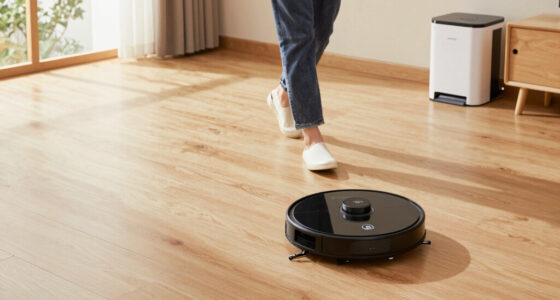
Robotic vacuums equipped with HEPA filters can help maintain low allergen levels if used frequently, ideally daily. However, they generally don’t replace the thoroughness of manual vacuuming, especially in hard-to-reach areas or upholstery. Using them as a supplement ensures a consistent baseline of cleanliness, but combining robotic cleaning with regular manual vacuuming offers the best protection against allergens.
Should I remove carpets altogether?
Many allergy sufferers find that replacing carpets with hard flooring like hardwood or tile significantly reduces allergen buildup because these surfaces do not trap dust and dander as easily. While not always feasible, this change can drastically improve indoor air quality and simplify cleaning routines, leading to fewer allergy triggers.
How do I keep my vacuum working effectively?
Regular maintenance is crucial: replace filters every 6-12 months, empty dustbins after each use, and inspect hoses and filters for blockages. Proper upkeep prevents loss of suction and ensures allergens are effectively captured, maintaining your vacuum’s efficiency and your home’s air quality.
Conclusion
Consistent, targeted vacuuming with the right tools transforms your home into an allergy-safe zone. Think of your vacuum as a shield—when used properly, it keeps sneezes and congestion at bay, letting you breathe easier.
Remember, combining this routine with other allergen-reducing tactics amplifies the effect. Your home can be a sanctuary, not a battleground for your allergies.