TL;DR

Get cleaning gear delivered free — and shop member deals
- Fast, free delivery on millions of items
- Access to Prime Big Deal Days deals on October 6–7
- Prime Video, Amazon Music and more included
Dust reappears quickly because it’s constantly generated from inside and outside sources, and circulated by air movement. Regular cleaning, controlling humidity, and using air purifiers can significantly slow its return.
Ever wonder why your home seems dustier just hours after you’ve cleaned? It’s not your imagination. Dust is a relentless guest, constantly sneaking back in, settling on every surface, and making your space look lived-in again. The good news? Understanding why dust comes back so fast gives you the power to slow it down.
This guide walks through the main reasons dust reappears, from sources to circulation, and shares practical, straightforward tips to keep your home cleaner longer. No hype, just real, usable advice to breathe easier and enjoy a healthier space.
Dust is constantly generated from inside your home and brought in from outside, making it impossible to eliminate entirely.
Small particles like PM2.5 stay airborne longer, requiring high-quality filters to remove effectively.
Regular cleaning routines—vacuuming with HEPA filters, damp dusting, and controlling humidity—significantly slow dust buildup.
Using air purifiers and reducing clutter can cut down airborne dust and make cleaning easier.
Choosing surfaces and materials that resist static and trap less dust helps keep your home cleaner longer.
What Makes Dust Reappear So Fast?
Dust is a mixture of skin flakes, fabric fibers, pet dander, pollen, soil particles, and tiny insects. It’s constantly generated from inside your home—think of the thousands of skin cells you shed daily—and from outside sources carried in through windows and doors. Air circulation from HVAC systems, fans, and open windows keeps these particles moving, spreading dust across your living space.
Imagine opening a window on a breezy day. Dust particles swirl in the air, settle on furniture, and then get kicked up again when you walk past. Textured surfaces and carpets trap dust deep inside, only to release it when disturbed. This ongoing cycle means that even after vacuuming, dust quickly re-accumulates, creating a cycle that’s hard to break without targeted strategies.
Research shows that tiny particles, especially PM2.5, stay airborne longer, making it harder to keep dust at bay without proper filtration. These particles are particularly concerning because they can penetrate deep into your lungs and bloodstream, potentially causing health issues like asthma or cardiovascular problems. This constant cycle of generation and circulation explains why dust seems to come back so fast—your home is always producing or catching particles from every source around you. Recognizing this helps you understand the importance of continuous, layered dust control measures rather than relying on one-time cleaning. It also highlights the tradeoff between convenience and health: quick surface cleaning may give immediate visual results but fails to address ongoing particle circulation that can impact long-term health.
HEPA air purifier for dust removal
As an affiliate, we earn on qualifying purchases.
As an affiliate, we earn on qualifying purchases.
How Modern Technology Helps Keep Dust at Bay
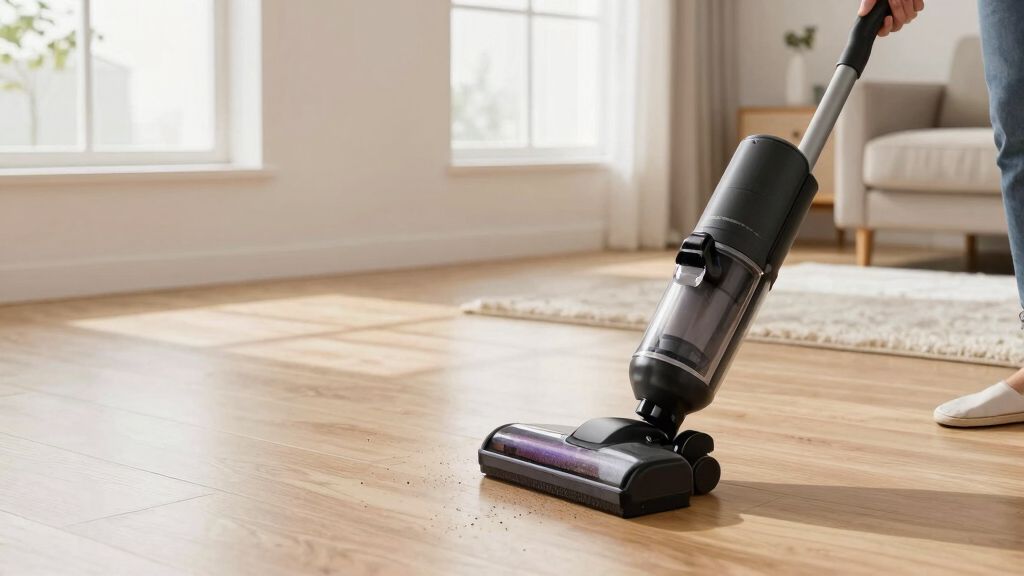
Recent innovations make it easier to slow dust’s return. HEPA filters in vacuums and air purifiers capture the smallest particles, preventing them from settling on surfaces and reducing the amount of airborne dust. Smart cleaning tools like robotic vacuums work daily, reducing dust before it can build up, especially in high-traffic or hard-to-reach areas. These devices help maintain a baseline level of cleanliness, which in turn reduces the frequency and effort needed for manual cleaning. However, it’s important to understand that technology alone isn’t a silver bullet; it’s part of a comprehensive approach that includes regular maintenance and proper material choices.
Materials matter, too. New flooring options—like sealed hardwood or low-pile carpets—resist static and trap less dust, but choosing the wrong materials can have tradeoffs. For example, sealed floors are generally easier to clean and less prone to trapping dust, but they may feel colder and less comfortable underfoot, which could discourage frequent cleaning. Conversely, low-pile carpets trap less dust but may be less suitable for allergy sufferers or in areas prone to moisture. Hypoallergenic furniture and smooth surfaces clean easier, helping you keep dust levels low. According to recent studies, using high-quality air filtration can cut airborne dust particles by up to 90%, significantly improving indoor air quality and health outcomes. These tools and materials are investments that, while sometimes costly upfront, pay off over time by creating a healthier, cleaner environment that reduces respiratory issues and allergic reactions.
Think of these tools as your home’s dust-fighting sidekicks. They work quietly in the background, maintaining a cleaner environment with less effort on your part and reducing the cumulative health impacts of dust exposure. The tradeoff often involves upfront costs versus long-term health benefits and convenience, making it essential to balance your budget with your health priorities.
As an affiliate, we earn on qualifying purchases.
Simple Steps to Keep Dust Off Your Surfaces Longer
- Vacuum with HEPA filters: Do this weekly on carpets and rugs, and more often if you have pets. HEPA filters trap the smallest particles, preventing them from re-entering the air and settling again quickly. Regular vacuuming not only reduces existing dust but also diminishes the source of future dust, creating a healthier environment over time.
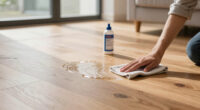
- Dust with damp cloths: Dry dusting just spreads particles around or causes them to become airborne again. Damp cloths trap dust on surfaces, reducing re-dusting frequency and improving overall indoor air quality. This method ensures dust is removed rather than just moved around, which is especially important for allergy sufferers.
- Control humidity: Keep indoor humidity around 40-50% to reduce static electricity, which attracts dust, and to inhibit dust mite proliferation. Too low humidity can cause static buildup, making dust cling to surfaces, while too high can promote mold growth—striking a balance is key for optimal dust control. Maintaining proper humidity levels creates an environment less conducive to dust and allergen accumulation, directly impacting health and cleanliness.
- Use air purifiers: Place HEPA-filtered units in main living areas for continuous airborne dust removal. These devices can significantly reduce dust particles, especially in rooms with poor ventilation or high traffic, helping to maintain cleaner air and surfaces over longer periods. Consistent use of air purifiers complements other cleaning routines and can be particularly beneficial during allergy seasons or in homes with pets.
- Reduce clutter: Less stuff means fewer surfaces for dust to settle on, and fewer objects to clean around. Cluttered spaces trap more dust and make cleaning less effective, so organizing your space can be a simple yet powerful way to maintain cleanliness. Regular decluttering also makes routine cleaning more efficient, preventing dust from hiding in hard-to-reach spots.
- Choose easy-to-clean materials: Opt for smooth, non-porous surfaces in furniture and flooring to prevent dust from hiding in tiny crevices. This makes cleaning more effective and less time-consuming, encouraging regular maintenance and helping keep dust levels low over time. Selecting materials that resist static and trap less dust can significantly extend periods between thorough cleanings, making dust management more sustainable.
Imagine your living room. You vacuum, dust with a damp cloth, keep the windows closed during windy days, and run an air purifier. Over days and weeks, you notice fewer dust bunnies and less sneezing. Small habits, when combined, create a powerful defense against dust accumulation, leading to a healthier, more comfortable home environment. The key is consistency—each step reinforces the others, resulting in a cumulative effect that significantly reduces dust buildup over time.
As an affiliate, we earn on qualifying purchases.
Comparing Dust Control Strategies — What Works Best?
| Strategy | Effectiveness | Ease of Use | Cost |
|---|---|---|---|
| Vacuum with HEPA filters | High | Easy | Moderate |
| Air purifiers | Very High | Moderate | Variable |
| Reducing clutter | Moderate | Easy | Low |
| Controlling humidity | High | Easy | Low |
Using a combination of these strategies maximizes your chances of slowing dust. For example, vacuuming with a HEPA filter and running an air purifier together can cut airborne particles dramatically, creating a cleaner, healthier home environment. Combining methods addresses different sources and circulation pathways of dust, resulting in a more comprehensive approach. Prioritizing strategies depends on your specific environment—if you have pets, for instance, investing in a good air purifier and frequent vacuuming may be most effective. Balancing effectiveness, ease, and cost ensures sustainable dust management tailored to your household’s needs.
As an affiliate, we earn on qualifying purchases.
Frequently Asked Questions
Why does dust seem to come back so quickly after I clean?
Because dust is constantly created from indoor sources like skin flakes and textiles, and external sources like pollen and soil. Air circulation and static cling also help it settle quickly after cleaning.What’s the most effective way to keep dust levels low?
Combine frequent vacuuming with HEPA filters, damp dusting, controlling humidity around 40-50%, and using air purifiers. Reducing clutter and choosing low-dust materials also help.Do air purifiers really make a difference?
Yes, especially those with HEPA filters. They can remove up to 90% of airborne dust particles, greatly improving indoor air quality and reducing dust settling on surfaces.How often should I vacuum and dust?
Vacuum with HEPA filters at least once a week, dust surfaces with damp cloths weekly, and wash bedding weekly to keep dust levels manageable.Does higher humidity help or hurt dust control?
Maintaining indoor humidity around 40-50% helps reduce static and dust mite growth, both of which contribute to dust accumulation. Too high humidity can promote mold, so moderation is key for effective dust management.Conclusion
Dust’s rapid return isn’t a sign of neglect—it’s a natural part of indoor life. But by understanding its sources and circulation, you can adopt smarter habits and tools to keep your home cleaner for longer. Your space will breathe easier, and so will you.
Think of dust control like a gentle dance—small, consistent moves make a big difference. Keep at it, and your home will stay fresher, healthier, and more inviting, day after day.
Halloween Picks
halloween
As an affiliate, we earn on qualifying purchases.