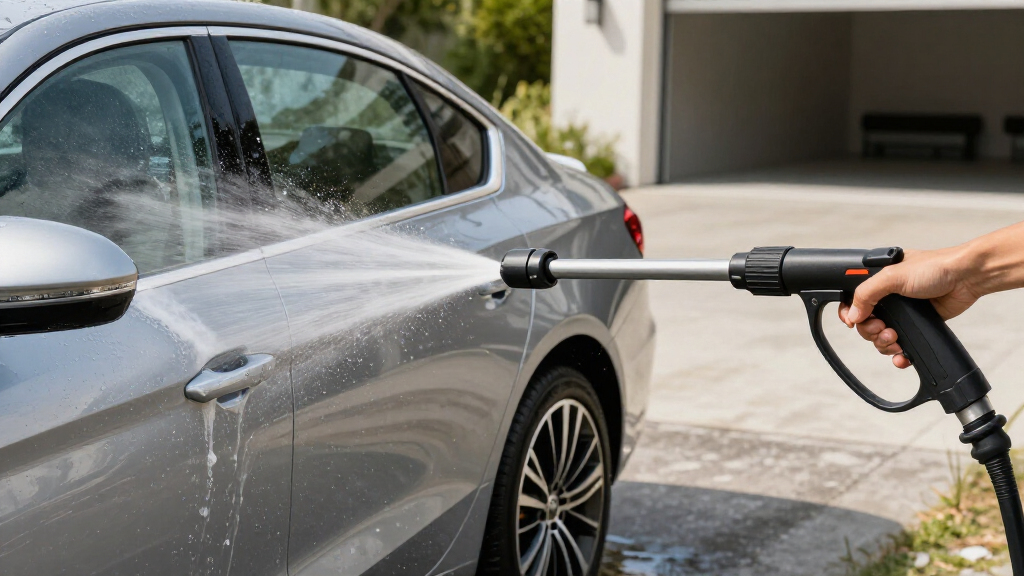
When searching for the best pressure washer for cars, the key factors are cleaning power, portability, and ease of use. The Westinghouse ePX3500 stands out as the overall top pick for its balanced performance and features. For those seeking a compact model, the Craftsman Electric Pressure Washer offers simplicity and lightweight design at a budget-friendly price. Meanwhile, the Westinghouse WPX3400e provides higher PSI and GPM for tougher jobs, but it comes at a higher cost. Each of these options balances power, convenience, and value differently, creating tradeoffs that matter depending on your specific needs. Keep reading for a detailed breakdown of each product and how to choose the best pressure washer for your car in 2026.
Complete the kit


Key Takeaways
- The highest PSI and GPM models are better for heavy-duty cleaning, but they often come with higher weight and cost.
- Compact and lightweight units excel for quick jobs and portability but may lack the power for stubborn grime.
- Features like onboard soap tanks and multiple nozzles improve versatility but can add to the price and complexity.
- Electric models are generally more convenient for car cleaning, while gas-powered units offer more power for larger cleanup tasks.
- Choosing the right pressure washer depends on balancing power, ease of use, and budget for specific car detailing needs.


| pressure washer for car | Hose Length | Flow Rate | Max PSI |
|---|---|---|---|
| 1800 PSI Electric Pressure Was | not specified | not specified | — |
| Kärcher Pressure Washer K1700 | — | 1.2 GPM | — |
| Westinghouse WPX3400e Electric | 25 feet | — | 3400 |
| Westinghouse ePX3500 Electric | 25 feet | — | 2500 |
| Westinghouse ePX3100v Electric | 25 feet | — | — |
| Westinghouse ePX3100 Electric | 25 feet | — | 2300 |
| Westinghouse WPX3400 Gas Press | 25 feet | 2.6 GPM | — |
| Craftsman Electric Pressure Wa | 20 feet | 1.2 GPM | 1700 |
More Details on Our Top Picks
1800 PSI Electric Pressure Washer
This compact electric pressure washer is ideal for those who need a straightforward tool for occasional car washing and light outdoor cleaning. With 1800 PSI, it offers enough power for washing cars, bikes, and small patios, especially with its versatile nozzle options, including soap and turbo. Compared to the Westinghouse WPX3400e, it’s less powerful but also lighter and easier to handle. The main tradeoff is its limited PSI, which might fall short on stubborn grime or larger surfaces. Its compact size makes it perfect for storage in tight spaces, but it lacks details on water flow rate or durability for frequent heavy-duty use.
Pros:- Versatile nozzle options for different cleaning needs
- Includes soap and turbo nozzles for enhanced cleaning
- Compact and easy to handle
Cons:- Limited to 1800 PSI, restricting heavy-duty cleaning
- No details on water flow rate or long-term durability
Best for: Car owners who need a lightweight, easy-to-use washer for regular, light cleaning tasks
Not ideal for: Users seeking heavy-duty cleaning or tackling tough stains on large surfaces, due to its 1800 PSI limit
- Pressure:1800 PSI
- Connections:M22
- Nozzles:15 Degree, Soap, Turbo
- Weight:not specified
- Hose Length:not specified
- Flow Rate:not specified
Our verdict“This model is best for light, occasional car washing and outdoor cleaning where portability matters.”
Kärcher Pressure Washer K1700, CETA Certified, 3 Spray Nozzles, Detergent Tank, for Cars, Driveways, Siding, Patios, 1.2 GPM
The Kärcher K1700 strikes a balance between power and maneuverability, making it suitable for those who want a reliable all-around washer for cars, patios, and siding. Its 1700 PSI and 1.2 GPM flow rate are effective for typical household cleaning tasks, but it might not handle heavy stains on larger surfaces as well as the Westinghouse WPX3400e, which has higher PSI and GPM. Its three nozzles provide flexibility, and the detergent tank adds convenience. However, the flow rate’s limitation could make stubborn dirt harder to remove, and it lacks adjustable pressure control, which might frustrate users needing precise settings.
Pros:- Powerful cleaning with 1700 PSI
- Versatile with three spray nozzles
- Includes detergent tank for convenience
- Easy to maneuver with never-flat wheels
Cons:- Limited to 1.2 GPM, less effective on stubborn stains
- No adjustable pressure control
- Potentially heavy for prolonged use
Best for: Homeowners who want an easy-to-maneuver, multi-surface cleaner for regular car washing and outdoor maintenance
Not ideal for: Heavy-duty or industrial cleaning needs, due to its lower flow rate and fixed pressure settings
- Power:1700 PSI
- Flow Rate:1.2 GPM
- Nozzles:15°, turbo, 65°
- Detergent Tank:0.5 gallons
- Wheels:Never-flat
- Certifications:CETA
Our verdict“This washer makes sense for homeowners seeking a versatile, user-friendly option for regular car and outdoor cleaning tasks.”
Westinghouse WPX3400e Electric Pressure Washer
The Westinghouse WPX3400e offers a significant upgrade in power with up to 3400 PSI and 2.0 GPM, making it suitable for tougher cleaning tasks like heavy grime on decks and large driveways. Its durable steel frame and maintenance-free brushless motor set it apart from lighter models like the Westinghouse ePX3500, which has slightly lower PSI but is more compact. However, its weight and size could be a drawback for users needing a portable, lightweight option. It’s less ideal for quick, casual car washes, where a smaller, less bulky unit might be easier to handle. Its high power comes with the tradeoff of increased weight and potentially higher noise levels.
Pros:- Extremely powerful with 3400 PSI and 2.0 GPM
- Durable steel frame for long-term use
- Includes a variety of nozzles for different cleaning tasks
- Long hose and large wheels for mobility
Cons:- Heavy and less portable for frequent moving
- Potentially overkill for light car cleaning
- Requires access to electrical outlets and may be cumbersome in tight spaces
Best for: Homeowners tackling tough outdoor cleaning projects, especially large areas and stubborn stains
Not ideal for: Users seeking a lightweight, portable solution for quick car washes or small spaces
- Max PSI:3400
- Max GPM:2.0
- Rated PSI:3000
- Rated GPM:1.1
- Hose Length:25 feet
- Motor:Brushless
Our verdict“This pressure washer is best suited for users needing serious power for large outdoor cleaning projects and stubborn stains.”
Westinghouse ePX3500 Electric Pressure Washer
The Westinghouse ePX3500 delivers a solid 2500 PSI and 1.76 GPM, making it an excellent choice for users who want a powerful, yet portable, option for heavy-duty car, fence, or driveway cleaning. Its lightweight, compact design with anti-tipping technology and a pro-style steel wand enhances usability. Unlike the Westinghouse WPX3400e, which emphasizes raw power, this model balances power with portability, but it still might be less suitable for large-scale industrial tasks. Its 2500 PSI capability is enough for most outdoor cleaning, but the flow rate of 1.76 GPM can limit effectiveness on very stubborn stains or large surfaces. It’s a versatile choice for serious home users who need mobility without sacrificing power.
Pros:- Powerful with 2500 PSI and 1.76 GPM
- Lightweight and portable for frequent use
- Includes anti-tipping technology and a steel wand
- Versatile nozzle set and onboard soap tank
Cons:- Not as powerful as gas models like the WPX3400, especially under heavy stains
- Limited to electric power, less portable than gas options
- Hose length could restrict large-area cleaning
Best for: DIY enthusiasts needing a portable yet powerful washer for frequent outdoor cleaning tasks
Not ideal for: Heavy industrial or commercial cleaning, where maximum PSI and GPM are critical
- Max PSI:2500
- Max GPM:1.76
- Rated PSI:2000
- Rated GPM:1.2
- Hose Length:25 feet
- Wand:Pro-style steel
Our verdict“This model is ideal for users who want a portable, high-power washer with a good balance of strength and convenience for regular outdoor cleaning.”
Westinghouse ePX3100v Electric Pressure Washer
The Westinghouse ePX3100v offers 2100 PSI and 1.76 GPM in a highly portable package, making it an excellent choice for users who prioritize ease of transport for regular car and outdoor cleaning. Its lightweight design at just 17.6 pounds, combined with a built-in handle and a flexible 20-foot hose, makes it stand out from bulkier models like the WPX3400e. The detachable foam cannon adds versatility for car washing, but its power level may be less suited for very stubborn grime or large-scale outdoor cleaning. It’s best for light to moderate jobs where convenience outweighs maximum power, especially for users with limited storage space.
Pros:- Powerful with 2100 PSI and 1.76 GPM
- Very lightweight and portable
- Includes detachable foam cannon and multiple spray tips
- Compact design with built-in handle
Cons:- Limited to household cleaning, not industrial strength
- Hose length may be restrictive for large areas
- Less power than larger gas models or higher PSI electric units
Best for: Car owners seeking a lightweight, portable washer for quick, routine cleaning tasks
Not ideal for: Heavy-duty cleaning or large surface areas requiring maximum PSI and flow rate
- Maximum PSI:2100
- Maximum GPM:1.76
- Weight:17.6 pounds
- Hose Length:25 feet
- Item Dimensions:15″L x 8.5″W x 11″H
- Power Source:AC
Our verdict“This washer is perfect for those needing a portable, efficient solution for regular car and outdoor cleaning in tight spaces.”
Westinghouse ePX3100 Electric Pressure Washer, 2300 Max PSI, 1.76 Max GPM, with Steel Wand and Nozzle Set
This model stands out for balancing power and ease of use, making it a strong choice for car cleaning tasks compared to the less powerful Craftsman. Its 2300 PSI provides enough pressure to remove stubborn dirt without risking damage to paint, while the lightweight, anti-tipping design makes maneuvering straightforward. The inclusion of multiple nozzles and an onboard soap tank adds to its versatility, especially for detailed car washes. However, the hose length at 25 feet could limit reach for larger vehicles or multiple areas, and some plastic components might wear faster with frequent use. Compared with gas-powered units like the Westinghouse WPX3400, this electric option excels in quiet operation and lower maintenance, but it sacrifices some raw cleaning power. Overall, this pick makes the most sense for owners seeking a portable, powerful, and convenient pressure washer for regular car care.
Pros:- Powerful cleaning with up to 2300 PSI for effective dirt removal
- Lightweight design simplifies handling and storage
- Multiple quick-connect nozzles enhance versatility
- Onboard soap tank facilitates chemical application
Cons:- Hose length may be restrictive for large or distant areas
- Plastic parts could be less durable over time
Best for: Homeowners who want a lightweight, easy-to-handle pressure washer for regular car cleaning without the hassle of maintenance.
Not ideal for: Users with very large vehicles or those needing to clean expansive areas, due to hose length limitations and lower flow rate.
- Max PSI:2300
- Max GPM:1.76
- Rated PSI:1900
- Rated GPM:1.24
- Wand Length:17.5 inches
- Hose Length:25 feet
- Weight:19 pounds
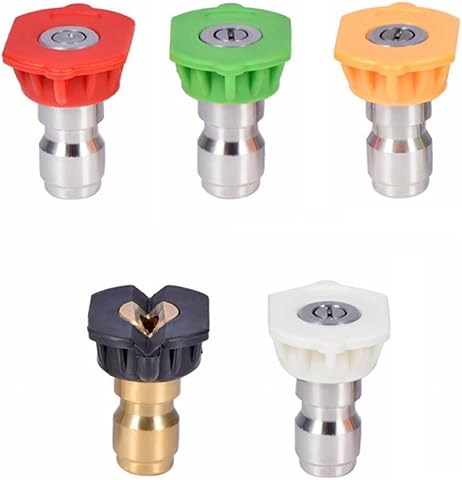
- Nozzle Set:0°, 15°, 25°, turbo, soap
- Onboard Soap Tank:20 ounces
Our verdict“This pressure washer is ideal for users seeking a portable, powerful option for regular car washing with easy operation.”
Westinghouse WPX3400 Gas Pressure Washer, 3400 PSI, 2.6 GPM, Onboard Soap Tank, 5 Nozzle Set
This gas-powered pressure washer dominates in raw power, making it ideal for tough cleaning jobs on cars, decks, and driveways, especially when compared to the electric Westinghouse ePX3100. Its 3400 PSI and 2.6 GPM deliver unmatched force, capable of tackling stubborn grime that electric models might struggle with. The 12-inch high-profile, never-flat wheels facilitate mobility over rough terrain, and the multiple nozzles allow customization for different cleaning needs. However, the gas engine introduces maintenance requirements and residual odors, which can be off-putting for casual users. Its bulkier size also makes it less suitable for storage in tight spaces or for users seeking a lightweight option. This model suits those who need maximum cleaning power and are comfortable with maintenance and storage considerations, unlike the electric models that prioritize convenience.
Pros:- Exceptional cleaning power with 3400 PSI and 2.6 GPM for tough grime
- Includes multiple nozzles for versatile applications
- Durable steel frame with high mobility wheels
- Onboard soap tank for chemical application
Cons:- Requires regular maintenance and fueling
- Bulkier and heavier, less convenient for small storage
Best for: Homeowners with large properties or heavy-duty cleaning needs who don’t mind maintaining a gas engine.
Not ideal for: Casual users or those with limited storage space, due to its bulk and maintenance needs.
- Pressure:3400 PSI
- Flow Rate:2.6 GPM
- Engine:212cc 4-Stroke OHV
- Hose Length:25 feet
- Nozzle Set:0°, 15°, 25°, 40°, Soap
- Fuel Tank Capacity:1 gallon
- Soap Tank Capacity:0.5 gallon
- Wheels:12-inch high-profile, never-flat
Our verdict“This pressure washer is best suited for those needing maximum power and durability, accepting the tradeoffs of size and maintenance.”
Craftsman Electric Pressure Washer – 1700 PSI, Cold Water, Lightweight, Corded
This electric model offers 1700 PSI and 1.2 GPM, making it suitable for light-duty tasks like washing cars, especially when compared to the more powerful Westinghouse ePX3100. Its compact size and onboard storage make it easy for beginners or those with limited space to handle, while the 35-foot power cord extends reach—helpful for multi-area cleaning. The inclusion of a soap applicator adds convenience for car detailing. Nevertheless, its lower pressure and flow rate mean it’s less effective for heavily soiled vehicles or stubborn grime, unlike the higher PSI models. It’s also limited to cold water, so it’s not ideal for removing greasy residues. This washer makes the most sense for casual users who prioritize ease of use and storage over heavy-duty power.
Pros:- Adequate for light car washing with 1700 PSI
- Compact, lightweight, and easy to store
- Long 35 ft. power cord for extended reach
- Includes soap applicator for added convenience
Cons:- Limited to cold water cleaning, less effective on greasy grime
- Lower pressure may not handle heavy dirt or mud
Best for: Beginners or homeowners who need a simple, lightweight solution for regular car washing and don’t require maximum pressure.
Not ideal for: Users with heavily soiled vehicles or larger surfaces needing more robust cleaning capacity.
- Max PSI:1700
- Flow Rate:1.2 GPM
- Hose Length:20 feet
- Power Cord Length:35 feet
- Warranty:3 years
Our verdict“This pressure washer is perfect for beginners or light-duty car cleaning, prioritizing ease of use and storage over heavy-duty power.”

How We Picked
I evaluated these pressure washers based on their ability to effectively clean cars, considering factors like maximum PSI and GPM to assess cleaning power. Usability features such as portability, included accessories, and ease of operation were key, especially for users who want a straightforward experience. Build quality and durability were also important, ensuring that the units can withstand regular use. Lastly, I balanced value for money—comparing features against price—to recommend options suitable for different budgets and user levels. Products are ranked by how well they meet these criteria for cleaning cars specifically, prioritizing performance, convenience, and long-term reliability.Factors to Consider When Choosing Best Pressure Washer For Cars
Choosing the best pressure washer for cars involves more than just looking at specs. Understanding how PSI and GPM affect cleaning ability helps prevent under- or over-powered units. Portability and ease of use are crucial if you’ll be moving around your vehicle or storing the washer after use. Additional features like adjustable nozzles, onboard detergent tanks, and hose length can enhance your experience but may also increase the cost. Considering your typical cleaning needs and budget will help narrow down options that deliver the best value. Lastly, think about maintenance and durability, especially if you’ll use the pressure washer frequently for car detailing or other outdoor cleaning tasks.Power and Performance
For cleaning cars, a pressure washer with at least 1500 PSI and 1.4 GPM is usually sufficient for removing dirt, mud, and grime without risking damage to the paint. Higher PSI and GPM units can clean faster and handle tougher dirt but might also increase the risk of surface damage if not used carefully. Always consider the pressure range recommended for vehicles—most manufacturers advise staying below 2000 PSI—to avoid harming your car’s finish. Balance power with control; features like adjustable nozzles help tailor the spray to your task, giving you better results without risking harm.Portability and Ease of Use
A lightweight, compact design makes handling and storing your pressure washer easier, especially if you have limited space or need to move around the vehicle. Look for models with integrated wheels, ergonomic handles, or shorter hoses for better maneuverability. Electric models tend to be more straightforward for occasional car cleaning, with less maintenance and noise. Conversely, gas units, while more powerful, can be heavier and more cumbersome, which might be a drawback for casual users. Prioritize user-friendly controls and simple setup to make your car washing experience efficient and less frustrating.Features and Accessories
Additional features like multiple spray nozzles, adjustable spray patterns, and onboard soap tanks can make a significant difference in versatility. For car cleaning, a foam cannon or detergent tank helps achieve a thorough clean, especially for stubborn dirt. However, these extras usually come at a higher price, so consider whether you’ll use them often. Basic models can still do the job effectively if they include a standard adjustable nozzle and sufficient pressure. Think about what accessories come included and whether they suit your typical cleaning routines.Durability and Maintenance
A pressure washer is an investment that should last for years with proper maintenance. Look for units with durable materials, corrosion-resistant components, and reliable pumps. Regularly inspecting and cleaning filters, nozzles, and hoses prolongs the lifespan and maintains performance. Gas models may require more routine upkeep, including oil changes and spark plug checks, while electric models tend to need less. Choosing a well-reviewed brand with solid warranties can save headaches down the road. Remember, a durable unit often costs more upfront but offers better long-term value.Value and Budget
Prices for pressure washers vary widely, from budget models under $150 to premium units over $400. For occasional car washes, a basic electric model with enough PSI and features may suffice. More frequent use or larger vehicles might justify investing in a higher-powered, feature-rich unit for faster, more effective cleaning. Remember that paying more often means better durability, more accessories, and enhanced performance. Avoid the temptation of very cheap models that might not last or deliver inadequate cleaning power, especially if you want a unit that truly simplifies car maintenance.Frequently Asked Questions
Can I use a pressure washer on all types of car paint?
Most modern car paints are designed to withstand pressure washing within certain limits. It’s generally safe to use a pressure washer under 2000 PSI with a gentle spray pattern. Always use a wider spray nozzle to prevent damage and keep the wand at a safe distance from the surface. Avoid focusing high-pressure jets directly on sensitive areas like decals or trim. Testing on a small, inconspicuous section first can help ensure your pressure washer won’t harm your vehicle’s finish. When in doubt, consult your car’s manufacturer guidelines for recommended cleaning methods.
What is the ideal PSI and GPM for washing a car?
The ideal pressure for washing cars is typically between 1500 and 1900 PSI, combined with a GPM of around 1.4 to 1.8. This range provides enough power to remove dirt effectively without risking damage to paint or clear coat. Higher PSI units might seem tempting but can create the risk of chipping or stripping paint if used improperly. Conversely, lower PSI may not clean as thoroughly, especially with stubborn grime. Using adjustable nozzles or foam cannons helps optimize cleaning while maintaining control over the pressure applied.
Are electric pressure washers powerful enough for car cleaning?
Yes, electric pressure washers are generally sufficient for most car cleaning tasks, especially models with at least 1500 PSI and 1.4 GPM. They are easier to handle, quieter, and require less maintenance than gas-powered units, making them ideal for homeowners. While they may lack the raw power of gas models, they still deliver enough pressure to remove dirt, mud, and road grime efficiently. For larger vehicles or more frequent use, selecting a higher-powered electric model with additional features can make the job easier and faster. Electric units are often the best choice for casual or occasional car washes.
Should I get a pressure washer with multiple nozzles or attachments?
Multiple nozzles or attachments can significantly enhance your cleaning flexibility, allowing you to switch between wide spray patterns for rinsing and narrower jets for stubborn dirt. For car cleaning, a adjustable or rotary nozzle combined with a foam cannon can improve results, especially when applying soap or wax. However, more accessories tend to increase the upfront cost and could complicate storage. Evaluate how often you’ll use these extras and whether the added versatility justifies the investment. For most casual car owners, a model with a couple of standard nozzles and a foam cannon provides excellent value.
How often should I perform maintenance on my pressure washer?
Regular maintenance is essential to keep your pressure washer running smoothly and extend its lifespan. For electric units, cleaning filters, checking hoses for leaks, and inspecting nozzles for clogs once or twice a year is usually sufficient. Gas models require more routine care, including oil changes, spark plug replacement, and carburetor cleaning, typically every season or after heavy use. Always follow the manufacturer’s maintenance schedule and keep spare parts like nozzles and filters on hand. Proper upkeep ensures consistent performance and reduces the risk of breakdowns during critical cleaning tasks.
Conclusion
The best overall pressure washer for cars in 2026 is the Westinghouse ePX3500, offering a great balance of power, features, and affordability for most users. If you’re on a tight budget or need something lightweight for quick washes, the Craftsman Electric Pressure Washer is an excellent choice. For those seeking maximum cleaning power for larger or more stubborn jobs, the Westinghouse WPX3400e provides higher PSI and GPM, albeit at a higher cost. Beginners or casual users should prioritize models with intuitive controls and manageable weight, while enthusiasts or professionals might consider investing in premium units with more accessories and durability. Ultimately, your choice depends on how often you wash, your vehicle size, and your budget constraints.