TL;DR

Get cleaning gear delivered free — and shop member deals
- Fast, free delivery on millions of items
- Access to Prime Big Deal Days deals on October 6–7
- Prime Video, Amazon Music and more included
Old stains are stubborn but not impossible. Effective removal depends on identifying the stain, using the right cleaning method, and often repeating treatments. Recent techniques like enzymatic cleaners and steam extraction can make a big difference.
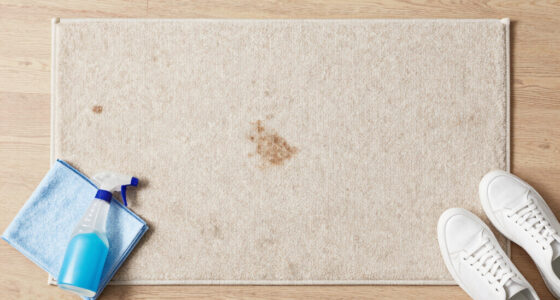
Ever looked at that stubborn coffee or pet stain and thought, ‘It’s too late now’? Think again. Old stains aren’t a lost cause—they just need the right approach. Whether it’s a wine spill from last summer or a pet accident from years ago, you can revive your carpet’s appearance with proven techniques.
In this guide, you’ll learn how to identify different stains, pick the best methods, and apply treatments that actually work. No hype, no harsh chemicals—just practical, safe steps you can do yourself to breathe new life into your carpet.
Identify the stain type before choosing your treatment to avoid damage.
Older stains often need multiple treatments, patience, and sometimes professional help.
Oxygen-based and enzymatic cleaners are highly effective for organic, old stains.
Always test solutions on a small hidden area first to prevent discoloration.
Quick spill response prevents stains from setting and becoming much harder to remove.
How to Get Old Stains Out of Carpet
TL;DR: Old stains are stubborn, not hopeless. The winning formula is to identify the stain, test first, match the cleaner to the residue, and repeat patiently until the bond between stain and fiber breaks down.
Key Insight
Oxygen-based products can lift set stains and help neutralize lingering odor.
For pet urine, food, and protein-based organic stains.
Rubbing pushes residue deeper and can fray fibers.
Try any solution on a hidden area before treating the visible stain.
Multiple rounds are common for deep-set marks and odors.
Oxygen and enzymatic formulas are strongest for organic residue.
Harsh chemicals can discolor carpet or weaken fibers.
Match the Fix to the Stain
Different stains behave differently. Coffee, wine, food, and pet accidents are usually organic; ink and dye often need a more cautious approach.
Coffee, Wine, Food
Start with oxygen-based cleaner or a mild hydrogen peroxide mix. Let the solution dwell, then blot and rinse.
Pet Urine & Odor
Use an enzymatic cleaner long enough for enzymes to digest residue instead of simply masking smell.
Ink, Dye, Dark Marks
Proceed slowly, avoid over-wetting, and consider a professional cleaner if color spreads during testing.
The Old-Stain Removal Flow
This sequence keeps the treatment controlled, protects carpet fibers, and gives active cleaners enough time to work.
Test First
Check a hidden spot for discoloration, fading, or fiber damage.
Apply
Spray, soak, or gently work in the solution matched to the stain.
Dwell
Wait at least 15 minutes, longer for deeply embedded stains.
Blot
Press with a clean cloth to lift residue out of the fibers.
Repeat
Run another round if the mark lightens but remains visible.
Rinse
Finish with clean water, blot dry, and steam lightly if needed.
Natural, Chemical, or Professional?
Choose based on stain age, severity, carpet sensitivity, budget, and your comfort with cleaning agents.
| Method | Effectiveness | Safety & Eco Profile | Best For | Verdict |
|---|---|---|---|---|
| Vinegar + Baking Soda | ~ Moderate but consistent | ✓ Non-toxic and accessible | Light to moderate stains and odor refresh | Good first pass |
| Enzymatic Cleaner | ✓ High for organic residue | ~ Follow label instructions | Pet urine, food, milk, protein stains | Best for odor |
| Oxygen-Based Cleaner | ✓ Strong on set organic stains | ~ Test carpet dye first | Coffee, wine, food, dingy old marks | Best all-rounder |
| Steam Extraction | ✓ Deep lift plus sanitizing | ✓ Low residue when rinsed well | Embedded grime, old odor, larger areas | Best deep clean |
| Bleach or Harsh Solvents | ✗ Risky and unpredictable | ✗ Can discolor or damage fibers | Rare specialty cases only | Avoid for DIY |
What Works Best on Old Carpet Stains
Older stains usually require stronger chemistry, longer dwell time, and repeated lifting rather than a single scrub.
Effectiveness by Method
Stain Age Difficulty
Rule of thumb: if the stain lightens after one round, keep going. If it spreads, discolors, or smells worse after treatment, stop and reassess the stain type.
From Mystery Spot to Clean Finish
Successful stain removal is a connected system: identify, treat, lift, rinse, and prevent residue from attracting new dirt.
Identify
Determine organic, protein, pigment, or unknown source.
Test
Confirm the carpet dye and fibers tolerate the cleaner.
Treat
Use oxygen, enzyme, steam, or a natural solution.
Lift
Blot residue upward instead of grinding it inward.
Prevent
Rinse thoroughly so leftover cleaner does not attract soil.
When to Repeat
Repeat when the stain is fading gradually. Multiple patient treatments weaken old bonds between residue and carpet fiber.
When to Call a Pro
Get professional help for large stains, persistent pet odor, dye transfer, ink, or stains that spread during testing.
Identify the Stain Type to Choose the Right Fix
The first step in removing old stains is knowing what caused them. Different stains need different treatments—think of it like matching your medicine to the ailment. For example, wine and coffee stains are organic, while ink or dye stains might require a different approach.
For a quick test, dab a small amount of water on a hidden corner of your carpet. If the color lightens or spreads, it’s likely organic. If it’s a dark, stubborn mark, it might be ink or dye. Identifying the stain type guides you to the most effective treatment.
As an affiliate, we earn on qualifying purchases.
5 Tried-and-True Ways to Lift Old Carpet Stains
Old stains need more than just soap and water. Here are five methods that have proven effective for stubborn, set-in marks:
- Oxygen-based cleaners: Products like sodium percarbonate (OxiClean) are excellent at breaking down organic stains. They work by releasing oxygen molecules that penetrate deep into fibers, breaking apart the stain’s molecular structure. This process is especially effective on stains that have set over time, as it can loosen the bonds that hold the stain particles in place, making them easier to lift. Mix according to instructions and soak the area for best results.
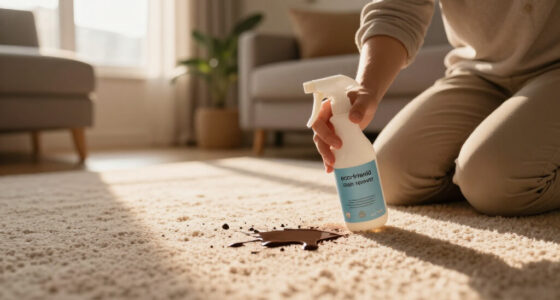
- Enzymatic cleaners: These contain enzymes that specifically target organic matter such as proteins in pet urine or food stains. They don’t just mask odors—they digest the stain molecules themselves. This is crucial because organic stains often bond strongly with fibers over time, making them difficult to remove with simple cleaning. Using enzymatic cleaners can reduce both the visible stain and lingering odors, which is essential for long-term cleanliness.
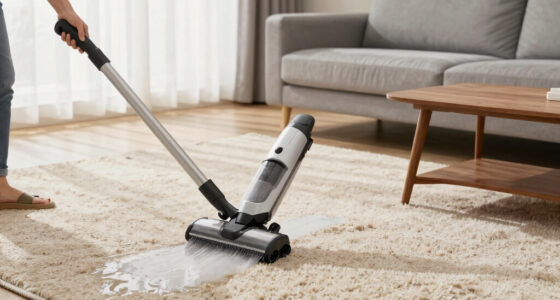
- Steam cleaning: High-temperature steam is capable of softening and loosening embedded stains. The heat helps break down organic compounds and melts away residues that may have hardened over time. Steam cleaning is also beneficial because it sanitizes the carpet without chemical agents, reducing the risk of chemical residues that might cause allergic reactions or further staining.
- Baking soda and vinegar combo: This classic DIY solution works by creating a chemical reaction that lifts stains and neutralizes odors. Baking soda absorbs moisture and odors, while vinegar’s acidity helps break down mineral deposits and organic residues. When combined, they produce effervescence that can dislodge embedded dirt. Letting this mixture sit allows the active ingredients to penetrate deeply, which is especially helpful on older, stubborn stains. However, because vinegar can affect some dyes, testing on a hidden area first is recommended.
- Hydrogen peroxide and dish soap: Hydrogen peroxide acts as a mild bleach and oxidizer, breaking down organic molecules, while dish soap helps lift dirt and grease. This dual-action solution is effective for tough organic stains, including those that have set over time. Applying it carefully and allowing it to sit gives it time to work through the stain’s molecular bonds. It’s particularly useful because it’s versatile and can be tailored to different stain types by adjusting concentration.
Remember, patience is key. You might need to repeat these steps several times for best results, especially with older, deeply embedded stains. The process of breaking down and lifting stubborn stains often involves multiple applications, which gradually weaken the bond between the stain and the fibers, leading to more successful removal.
oxygen-based stain remover for carpets
As an affiliate, we earn on qualifying purchases.
As an affiliate, we earn on qualifying purchases.
Compare Natural, Chemical, and Professional Methods
| Method | Effectiveness | Safety & Eco-friendliness | Best For |
|---|---|---|---|
| Natural solutions (vinegar, baking soda) | Moderate but consistent | High, non-toxic | Light to moderate stains, eco-conscious |
| Chemical cleaners (enzymatic, oxygen-based) | High for stubborn stains | Varies, follow instructions | Deep, old organic stains |
| Professional cleaning | Very high, especially for tough stains | Depends on cleaning agents used | Deep-set, large stains or odors |
Choosing the right method depends not only on how stubborn the stain is but also on understanding the implications of each approach. Natural methods are safer and environmentally friendly but may require more effort and time, especially for old, deeply embedded stains. Chemical cleaners can be more effective and faster, but they come with potential health and environmental tradeoffs, such as residual chemicals or fumes. Professional cleaning offers the most comprehensive solution—using industrial-grade equipment and specialized products—but at a higher cost and sometimes with less control over chemical exposure. Weighing these factors helps you decide based on your priorities for safety, effectiveness, and budget.
professional carpet cleaning enzyme cleaner
As an affiliate, we earn on qualifying purchases.
As an affiliate, we earn on qualifying purchases.
The Step-by-Step Process for Removing Old Stains
Here’s a clear, repeatable process to tackle stubborn stains:
- Test first: Always try your chosen solution on a hidden spot to check for discoloration or damage. This step prevents further harm to your carpet and ensures the treatment won’t cause discoloration or fiber damage, which could worsen the stain or weaken the carpet’s integrity.
- Apply treatment: Use the method suited to your stain—spray, soak, or gently scrub. Applying the treatment evenly helps penetrate the fibers thoroughly, which is essential for breaking down old, ingrained stains.
- Let it sit: Allow the solution to penetrate for at least 15 minutes, or up to an hour for particularly stubborn stains. Time allows the active ingredients to work at a molecular level, loosening the bonds that hold the stain in place.
- Blot, don’t rub: Use a clean cloth or paper towel to lift the stain. Rubbing can push the stain deeper or cause fibers to fray, making removal more difficult. Gentle blotting encourages the stain to transfer from the fibers onto the cloth, gradually lightening the mark.
- Repeat if necessary: Stains often need multiple rounds. Repeating the process weakens the stain’s bond with the fibers, increasing the likelihood of complete removal. Patience here is crucial—don’t rush the process.
- Finish with clean water: Rinse the area and blot dry. Consider a light steam treatment for extra lift, which can help remove residual residues and restore fiber elasticity. Proper rinsing also prevents residue buildup that could attract dirt later.
Applying this method consistently and patiently can turn a faded, old stain into a faint shadow of its former self, preserving your carpet’s appearance and longevity.
steam carpet cleaner for old stains
As an affiliate, we earn on qualifying purchases.
As an affiliate, we earn on qualifying purchases.
Prevent Future Stains from Becoming Old Battles
Old stains are harder because they’ve had time to set and bond more deeply with the carpet fibers. The best way to prevent this is through quick action and proactive prevention. Immediate blotting of spills prevents the stain from seeping deeper, while avoiding vigorous scrubbing minimizes fiber damage and spread. Applying a protective treatment or enzymatic spray soon after a spill can neutralize organic components before they bond strongly.
Regular deep cleaning with a steam cleaner helps maintain the carpet’s structure, removing residues before they have a chance to set and become stubborn. For instance, a pet owner who immediately blotted urine and used enzymatic spray avoided the formation of a long-lasting, odorous stain. Consistently acting fast reduces the need for intensive treatments later, saving time, effort, and money, while also extending the life of your carpet.
Frequently Asked Questions
How can I remove old coffee or wine stains from my carpet?
Start with an oxygen-based cleaner or a mixture of baking soda and vinegar. Apply, let sit for 15-30 minutes, then blot. Repeat as needed. For very stubborn stains, a professional steam clean can finish the job.
Are natural or homemade solutions effective for old stains?
Yes, especially for light to moderate stains. Baking soda, vinegar, and hydrogen peroxide can break down many organic stains without harsh chemicals. For deep-set stains, combining natural methods with repeated treatments often works best.
What is the best way to remove pet urine stains that have set in?
Use enzymatic cleaners designed for pet stains. They eat away at organic matter and neutralize odors. For old urine, applying hydrogen peroxide with dish soap after initial cleaning can also help lift residual stains.
Can I use bleach to remove stains, and is it safe?
Bleach can remove some stains but risks discoloring or damaging carpet fibers. Use it only as a last resort and always test on a hidden area first. Most experts recommend gentler, enzyme-based, or oxygen cleaners instead.
How do I get rid of stubborn ink or dye stains?
Apply a mixture of hydrogen peroxide and dish soap, or try a commercial ink stain remover. Dab gently and let sit for 15 minutes before blotting. Rubbing can spread the stain or damage fibers, so patience is key.
Conclusion
Old stains don’t have to stay forever. With the right approach—patience, proper treatment, and sometimes professional help—you can breathe new life into your carpet. Think of it like giving your home a fresh start, one stubborn stain at a time.
Next time you face a stubborn mark, remember: persistence and the right method are your best friends. Your carpet will thank you—sooner than you think.
Fall Picks
fall essentials
As an affiliate, we earn on qualifying purchases.