
TL;DR

Get cleaning gear delivered free — and shop member deals
- Fast, free delivery on millions of items
- Access to Prime Big Deal Days deals on October 6–7
- Prime Video, Amazon Music and more included
You can lower room humidity naturally by increasing airflow, drying moisture sources, and using natural absorbers. These methods help prevent mold and keep your home comfortable without fancy equipment.
High indoor humidity can turn your cozy space into a mold-prone, clammy nightmare. But you don’t need fancy gadgets or expensive fixes to make a real difference. Simple, natural methods can keep your home fresh, mold-free, and comfortable.
In this guide, you’ll learn how to use everyday strategies—like opening windows at the right time, drying laundry outside, and managing moisture sources—to lower humidity naturally. These tips are practical, safe, and gentle on your surfaces and the environment.
Cut off moisture sources: shorter showers, cover pots, fix leaks.
Use cross-ventilation during drier outdoor days—timing matters.
Boost air circulation with fans and open space around furniture.
Place natural absorbers like rock salt or silica gel in small, enclosed areas.
Monitor outdoor conditions—don’t ventilate when the air is humid.
How to Lower Humidity in a Room Naturally
Cut moisture at its source, exchange humid air only when outdoor conditions are drier, and keep air moving across damp surfaces. These low-cost habits can make a room fresher, safer, and less inviting to mold.
Stop water before it becomes airborne
Every shower, simmering pot, wet towel, leak, and load of indoor laundry adds to the room’s moisture burden. Source control usually delivers the best return for the least effort.
Shorter, cooler showers
Reduce steam, wipe wet surfaces promptly, and vent the bathroom during use and for 15–30 minutes afterward.
- Close the bathroom door while showering
- Hang towels where they can dry fully
Trap cooking vapor
Cover boiling pots and use an existing range exhaust that vents outdoors. Steam captured at the source never reaches cold walls.
- Simmer with lids on
- Wipe condensation from nearby surfaces
Dry clothes outside
Wet laundry releases substantial moisture indoors. If outside drying is impossible, choose the best-ventilated room available.
- Avoid drying in bedrooms
- Keep damp clothing out of closed closets
Repair hidden inputs
Check pipes, window frames, roofs, gutters, and foundations. Recurring humidity often points to continuous water entry.
- Investigate recurring stains
- Direct rainwater away from foundations
Limit transpiration
Reduce plant numbers, avoid overwatering, improve drainage, and cover exposed soil if plants are contributing moisture.
- Favor lower-water plants
- Empty standing water from saucers
Dry dampness quickly
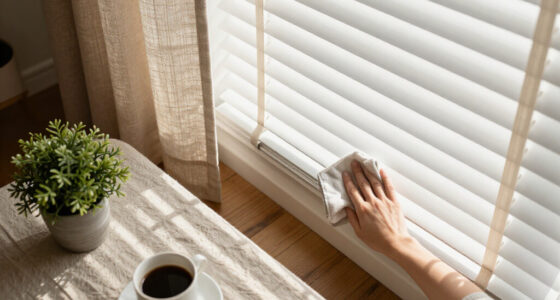
Wipe windows, tiles, pipes, and spills before evaporation redistributes that water through the room.
- Watch cold corners and window reveals
- Do not store damp fabrics indoors
Open windows by conditions, not by habit
Ventilation dries a room only when incoming air contains less moisture. Dew point is often a better guide than relative humidity because temperature changes how much water air can hold.
Check outdoor conditions
Look for cooler, drier weather and compare indoor and outdoor dew points when possible.
Open opposite sides
Create a clear entry and exit path through opposite windows or doors.
Move humid air out
Open interior doors and use a fan to support the cross-breeze when needed.
Close before air turns muggy
End ventilation if rain, fog, heat, or rising outdoor moisture reverses the drying advantage.
Ventilate now
The outdoor dew point is below the indoor dew point, the air feels drier, and there is no fog or wind-driven rain.
Keep windows closed
Outdoor air is hot, muggy, rainy, or foggy. Opening up may import more water vapor than it removes.
Match each method to the right space
Natural absorbers can help in closets and cabinets, but an entire humid room needs source control plus a route for moist air to escape.
| Method | Whole-room value | Small enclosed space | Removes water vapor? | Best use |
|---|---|---|---|---|
| Timed cross-ventilation | ✓ High | ~ Limited | ✓ Yes | Replacing humid indoor air with drier outdoor air |
| Exhaust to outdoors | ✓ High | ~ Situational | ✓ Yes | Bathrooms and kitchens during moisture-producing activities |
| Fan in a closed room | ~ Supportive | ~ Supportive | ✗ No | Drying surfaces and preventing stagnant damp pockets |
| Calcium-chloride absorber | ✗ Low | ✓ Good | ✓ Locally | Closets, cabinets, cars, and compact storage spaces |
| Silica gel | ✗ Very low | ✓ Good | ✓ Locally | Drawers, containers, electronics, and small cupboards |
| Rock salt or baking soda | ✗ Very low | ~ Modest | ~ Limited | Supplementary odor and moisture control in tiny spaces |
| Sunlight and air gaps | ~ Supportive | ~ Supportive | ✗ Not directly | Warming cold surfaces and discouraging condensation |
Know the useful range—and the warning signs
A simple hygrometer can reveal trends. Measure over several days and pay attention to condensation, odors, stains, and surface damage—not just a single reading.
Relative humidity comfort spectrum
Condensation is an early alarm
Water on windows, pipes, or exterior walls means the surface has reached the air’s dew point.
Mold may grow before it is visible
Musty odors, recurring stains, peeling paint, and warped materials can reveal hidden dampness.
Basements need extra scrutiny
Moisture may enter through floors, walls, foundations, drainage faults, or uncovered crawl-space soil.
Furniture needs breathing room
Leave a small gap beside cold exterior walls so air can circulate behind wardrobes, beds, and sofas.
What feels helpful but does not solve the problem
Some tactics improve comfort or temporarily change a reading without removing water. Use them only as support for source reduction and effective ventilation.
A fan in a sealed room
Air movement accelerates evaporation and reduces damp pockets, but the same water vapor remains unless humid air can escape.
A bowl of rice or salt
Small bowls can assist in tiny enclosed areas. They do not have enough capacity to dehumidify an ordinary room.
Turning up the heat
Heating lowers relative humidity while the air is warm but removes no water. The reading rises again as the room cools.
Windows open in muggy weather
Rainy, foggy, or humid outdoor air may increase the indoor moisture load. Compare conditions before airing out.
“Dehumidifying” houseplants
No ordinary houseplant reliably dries an entire room. Most plants release some water through transpiration.
Painting over damp patches
New paint conceals staining without correcting condensation, leaks, poor drainage, or moisture entering the structure.
From moisture source to healthier room
The strongest natural strategy is a connected system: prevent unnecessary vapor, expose hidden surfaces, move air, and exchange it only when outdoor conditions favor drying.
Persistent humidity calls for deeper investigation
If readings remain above 60%, mold returns, or materials stay damp despite these measures, inspect for leaks, drainage problems, ground moisture, inadequate insulation, or poor exhaust. Natural methods are first-line defenses—not substitutes for structural repairs or mechanical dehumidification when the source is ongoing.
Control Moisture Sources Before They Make a Mess
The easiest way to lower humidity naturally is to cut off the water going into the air. Think about your daily habits—shorter, cooler showers, covering pots when cooking, drying wet clothes outside, and wiping down damp surfaces quickly. These actions directly reduce the amount of water vapor released into your home, which is crucial because excess moisture is the primary cause of high humidity. If you consistently emit less moisture, the overall indoor humidity level drops, preventing mold growth and material deterioration. For example, boiling water releases a significant amount of vapor—by covering pots, you trap less steam, thus reducing the moisture added to the air. Similarly, fixing leaks prevents ongoing water infiltration, which can silently escalate humidity levels over time. These small but deliberate changes help manage the moisture load, leading to a healthier indoor environment and less need for natural drying efforts later.
natural moisture absorbers for home
As an affiliate, we earn on qualifying purchases.
As an affiliate, we earn on qualifying purchases.
Use Cross-Ventilation When Outdoor Air Is Drier
Open windows or doors on opposite sides of your room when the outdoor air is less humid. This creates a breeze that pulls moist indoor air out and replaces it with drier air, which is fundamental because air exchange is one of the most effective natural dehumidification methods. Proper timing ensures maximum effectiveness—ventilating during times of low outdoor humidity can significantly lower indoor moisture levels. For example, during autumn or after a cold front, outdoor air tends to be drier, making these ideal moments for airing out your space. Conversely, if outdoor conditions are humid, opening windows can introduce more moisture, worsening the problem. Using a hygrometer to monitor outdoor humidity helps you identify the optimal times for ventilation, ensuring your efforts are efficient. This method leverages the natural environment to regulate indoor moisture, reducing reliance on mechanical systems and promoting a healthier home climate.
As an affiliate, we earn on qualifying purchases.
Create Air Circulation to Evaporate Moisture
Moving air helps moisture escape from surfaces and prevents damp spots from becoming breeding grounds for mold. Proper air circulation accelerates evaporation, which is vital because stagnant air traps moisture, allowing it to condense on surfaces like walls, windows, or furniture. Using ceiling fans, oscillating fans, or opening interior doors encourages a steady flow of air—this not only helps dry wet areas faster but also distributes humidity more evenly, preventing localized pockets of high moisture. For example, placing a fan near a damp bathroom mirror or a freshly cleaned surface can drastically speed up drying times, reducing the opportunity for mold to develop. Arranging furniture to facilitate free airflow—avoiding tight corners or blocking vents—ensures that moisture doesn’t accumulate in hidden spots, maintaining a balanced indoor humidity level. This simple step leverages physics—air movement—to naturally control moisture buildup.
As an affiliate, we earn on qualifying purchases.
Choose Natural Absorbers for Small Spaces
Materials like calcium chloride, silica gel, or baking soda can soak up moisture in enclosed spaces, but understanding their effectiveness requires deeper insight. These natural absorbers work by attracting water molecules, effectively pulling moisture out of the air. For example, placing a bowl of rock salt in a damp closet creates a localized moisture sink—this can reduce humidity by up to 15% in small, confined areas. However, their capacity is limited; once saturated, they need replacing or reactivation. Using them in conjunction with ventilation maximizes their benefit, especially in tight spaces such as drawers, cabinets, or cars where mechanical dehumidifiers are impractical. Keep in mind that these materials are most effective as supplementary measures—over larger areas or prolonged high humidity, their impact diminishes. Proper placement and regular replacement ensure they continue to absorb moisture effectively, offering a gentle, chemical-free way to maintain lower humidity levels in specific spots.
silica gel packs for enclosed spaces
As an affiliate, we earn on qualifying purchases.
As an affiliate, we earn on qualifying purchases.
Manage Houseplants and Outdoor Conditions
Houseplants release water through transpiration, which can contribute to indoor humidity, especially if overwatered or kept in poorly ventilated spaces. Reducing their number, watering less frequently, and covering soil with pebbles or mulch can significantly cut down on this moisture source. For instance, replacing high-transpiration plants like ferns with succulents or cacti can decrease indoor humidity by 5-10%, making a noticeable difference in small spaces. Similarly, outdoor weather conditions influence indoor moisture—humid, rainy days tend to raise indoor humidity levels, so avoiding opening windows during such times helps maintain balance. Using outdoor dew point data can be a practical way to determine whether outdoor air is dry enough to ventilate safely. This strategic approach prevents inadvertently increasing indoor moisture, ensuring your natural efforts are targeted and effective.
Sunlight and Cold Walls: Gentle Helpers
Sunlight warms surfaces, helping to evaporate moisture and reduce condensation, which is especially important in preventing mold growth on cold exterior walls. During sunny afternoons, opening curtains or blinds allows solar heat to penetrate, boosting evaporation rates naturally. Keeping furniture a few inches away from cold walls improves air circulation behind and around these surfaces, reducing hidden dampness that often goes unnoticed until mold or peeling occurs. This approach is about creating a more dynamic environment—by allowing sunlight and airflow to reach otherwise cold, damp spots, you minimize the risk of moisture settling and condensing. Think of it as giving your walls a little breathing room, which helps maintain a balanced, dry interior surface environment, ultimately reducing the chance of mold and structural damage over time.
When Natural Methods Still Don’t Cut It
If your room remains humid above 60% despite employing natural methods, or if mold continues to appear, it indicates that these strategies may not be sufficient to address underlying issues. Persistent high humidity often signals structural problems—such as leaks, poor drainage, or inadequate insulation—that trap moisture inside your home. Addressing these root causes requires more targeted interventions, like professional repairs or mechanical dehumidification. Relying solely on natural methods in such cases may only provide temporary relief. Think of natural techniques as first-line defenses—they help manage everyday moisture, but when these efforts are insufficient, more advanced solutions are necessary to prevent long-term damage and ensure a safe, healthy living environment.
Frequently Asked Questions
What is the fastest natural way to reduce room humidity?
Stop adding moisture—take shorter, cooler showers, cover boiling pots, and open windows when outdoor air is drier. Circulating air toward an exit speeds up the drying process.
Does opening a window always lower humidity?
Not always. It works best when outdoor air has less moisture. During humid or rainy weather, opening windows can actually bring more moisture inside.
Can houseplants help reduce humidity?
No, most houseplants release water into the air through transpiration. Reducing their number and watering less can help keep indoor moisture in check.
Are natural absorbers like baking soda effective for large rooms?
No, they’re best suited for small spaces like closets or cars. For bigger rooms, natural methods alone usually aren’t enough, and mechanical dehumidification might be necessary.
How do I know if my room is too humid?
Look for condensation on windows, musty smells, damp textiles, mold spots, or peeling paint. Using a hygrometer can give you a precise measurement—aim for 30–50% humidity.
Conclusion
Lowering humidity naturally is about controlling what’s around you—moisture, airflow, and temperature. Small changes, done consistently, can make your space noticeably fresher and mold-free.
Imagine a home where the air feels light, the windows stay clear, and mold is a thing of the past. Keep these simple tips in mind, and breathe easy—your home will thank you.
Halloween Picks
halloween
As an affiliate, we earn on qualifying purchases.