TL;DR

Get cleaning gear delivered free — and shop member deals
- Fast, free delivery on millions of items
- Access to Prime Big Deal Days deals on October 6–7
- Prime Video, Amazon Music and more included
In winter, homes get dustier not because of more dirt, but due to less ventilation, indoor activity, static electricity, and heating systems redistributing existing particles. Understanding these causes helps you target cleaning and air quality improvements effectively.
Ever notice how your furniture looks dustier during the cold months? It’s not just your imagination. The real reason homes seem to collect more dust in winter involves a mix of factors working together. It’s about more than just dirt — it’s the invisible dance of indoor air, activity, and heating.
Understanding these hidden causes can help you cut down on dust, improve your air quality, and breathe easier. No hype, just practical insights you can use today.
Reduced ventilation in winter traps indoor particles, making dust appear worse.
Indoor activities and textiles significantly increase dust, especially with more time spent inside.
Heating systems redistribute existing dust if filters are dirty or poorly fitted.
Dry air heightens static electricity, making dust cling and become more visible.
Controlling outdoor entry points and sealing leaks reduces winter grime buildup.
The Real Reason Your Home Gets So Dusty in Winter
It is usually not more dirt. Closed windows, longer hours indoors, dry air, static electricity, heating airflow, and winter debris work together to trap, move, and reveal particles already in your home.
Forced-air systems redistribute existing particles; they do not normally manufacture them.
A practical indoor range that can reduce static without encouraging excess moisture.
Often useful when the HVAC system can safely support the added airflow resistance.
Closed windows give indoor particles fewer escape routes.
People, pets, fabrics, cooking, and seasonal décor shed more indoors.
Dry conditions make fine debris cling to screens, plastics, and furniture.
Use filtration, damp cleaning, source control, and planned ventilation.
Winter changes how dust enters, moves, and settles.
Household dust is a shifting mixture of textile fibers, skin flakes, hair, pollen, soil, food particles, pet dander, combustion residue, insect debris, and microscopic fragments from furnishings and building materials.
Closed windows trap particles
Dust, cooking aerosols, pet allergens, and other indoor emissions accumulate when natural air exchange falls. Uncontrolled leakage is not a substitute for clean, filtered ventilation.
Indoor life creates more fibers
Clothes, bedding, carpets, upholstery, paper, pets, blankets, sweaters, and decorations shed as people spend more time at home.
Heating recirculates debris
Forced air lifts particles from floors, registers, furnishings, and leaky return paths. Dirty or poorly fitted filters allow more material to bypass capture.
Dry air boosts static
Low relative humidity makes particles cling to electronics and plastics while everyday movement, bedding, pets, and vacuuming disturb settled dust more easily.
Flames add finer particles
Fireplaces, candles, incense, smoking, and poorly vented appliances can release soot and fine particulate matter that matters more to health than visible dust.
Winter grime rides inside
Shoes, paws, firewood, packages, and clothing bring in soil, sand, road salt, tire residue, brake residue, and plant material.
Dry air makes existing dust look worse.
Static electricity is the visibility amplifier. It does not create dust, but it helps fine particles attach to high-contrast surfaces and become airborne again when disturbed.
The humidity window
Use humidity as a control, not a cure. Too little encourages static; too much can support condensation and mold. Building conditions and climate still matter.
What “dust” may contain
Dead skin is only one ingredient, and its share varies widely from one household to another.
Choose controls that capture dust instead of moving it.
The strongest winter strategy combines source control, effective particle capture, snug filter installation, careful cleaning, and controlled ventilation.
| Control | Captures fine particles | Prevents redistribution | Best use | Watch for |
|---|---|---|---|---|
| Damp microfiber cloth | ✓ Strong | ✓ Strong | Hard surfaces, electronics, shelves | Use appropriate moisture around sensitive equipment. |
| Dry feather duster | ✗ Weak | ✗ Weak | Quick removal of loose debris | Often pushes particles back into room air. |
| Sealed HEPA vacuum | ✓ Strong | ✓ Strong | Carpets, rugs, upholstery, floors | Move slowly; leaking machines can exhaust dust. |
| Portable HEPA cleaner | ✓ Strong | ✓ Strong | Bedrooms and occupied rooms | Size the unit for the room and replace filters. |
| HVAC filter | ~ Varies | ~ Varies | Whole-home capture while the fan runs | Rating, fit, airflow, leaks, and runtime all matter. |
| Routine duct cleaning | ✗ Limited | ~ Situational | Visible debris, vermin, or specific contamination | Not automatically necessary for ordinary dust. |
Legend: ✓ effective when correctly used ✗ limited for capture ~ performance depends on equipment and conditions
Filter fit comes first.
A high-efficiency filter cannot help if air passes around it. Check orientation, edge gaps, cabinet leakage, and system compatibility. Replace or clean the filter according to condition and manufacturer guidance.
MERV 11–13: a useful zone
Higher ratings capture smaller particles, but excessive resistance can reduce airflow in systems not designed for them.
Follow the winter dust chain.
The visible layer on a table is the end of a system. Interrupting the chain upstream usually works better than repeatedly polishing the final surface.
Sources release particles
Fabrics, pets, cooking, soil, soot, and normal household activity.
Closed rooms retain them
Reduced air exchange allows indoor concentrations to build.
Airflow lifts them
Heating, walking, bedding, pets, and cleaning disturb settled debris.
Static attracts them
Dry surfaces collect fine material and make it easier to see.
Dust settles again
Furniture, floors, screens, and textiles become the final landing zone.
The key insight
Winter dust is not simply a housekeeping failure. It is evidence of how particle sources, airflow, humidity, filtration, and human activity interact inside a closed building.
Ten practical ways to cut winter dust.
Start with the measures that prevent entry and capture airborne particles. Then refine humidity, cleaning routines, and mechanical ventilation.
Fit the HVAC filter tightly
Use the highest efficiency your system can safely accommodate; MERV 11–13 is often useful.
Inspect filters monthly
Replace or clean them based on condition and manufacturer guidance, especially with pets or heavy use.
Run portable HEPA filtration
Prioritize bedrooms and frequently occupied living spaces with a properly sized unit.
Vacuum slowly with a sealed machine
HEPA-filtered equipment helps keep captured particles from escaping through the exhaust.
Damp-dust hard surfaces
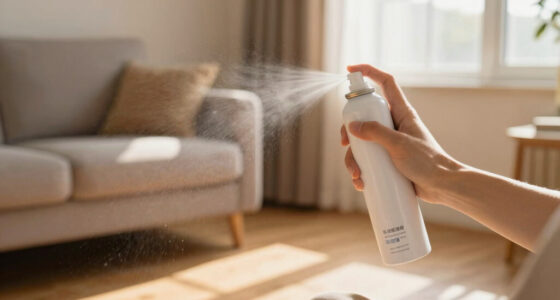
Capture debris with a lightly damp cloth instead of launching it with a dry duster.
Wash bedding and pet areas
Regular cleaning reduces fibers, hair, and dander where indoor shedding is concentrated.
Stop grime at the entrance
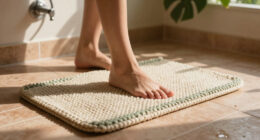
Use effective doormats, remove outdoor shoes, wipe paws, and contain wet winter gear.
Clean accessible grilles
Remove surface debris from return grilles and registers without disturbing duct material.
Control moisture and ventilation
Aim for roughly 30–50% relative humidity and use controlled fresh-air ventilation where needed.
Reduce soot at the source
Limit candles, incense, smoking, and poorly vented combustion; vent cooking outdoors when possible.
Winter dust questions, clarified.
Good dust control depends on understanding what the equipment and cleaning routine are actually doing to the particles.
Why does dust return immediately after cleaning?
Cleaning disturbs settled particles, which can remain airborne and resettle. Damp cloths and sealed HEPA vacuums capture more debris instead of redistributing it.
Does turning on the heat create dust?
Not directly. Heating airflow moves material already present. Dirty filters, bypass gaps, leaky returns, and contaminated registers can increase redistribution.
Should the HVAC fan run constantly?
Continuous operation can improve filtration when the filter fits well and ducts are sealed, but it may increase energy use and can spread unfiltered air if leaks exist.
Will a higher-MERV filter always help?
No. Better particle capture can come with greater airflow resistance. Match the filter to the system’s capacity and confirm that air cannot bypass its edges.
Clean the air system, not just the visible layer.
Reduce sources, stop outdoor track-in, capture particles with HEPA filtration, maintain a snug HVAC filter, damp-clean surfaces, manage humidity, and preserve safe, controlled ventilation.
Why Closed Windows Make Dust Accumulate Faster
When windows stay shut, your home’s natural air exchange drops sharply. This traps dust, pet dander, cooking aerosols, and outdoor dirt inside. Even homes with leaky gaps may still see a buildup because outdoor air isn’t filtering it out — it’s just circulating the same particles.
Imagine a room with a window open. Fresh air flushes out old particles. Close that window, and those particles stay trapped, settling on furniture and carpets. Without proper ventilation, indoor dust has nowhere to go — it just keeps piling up.
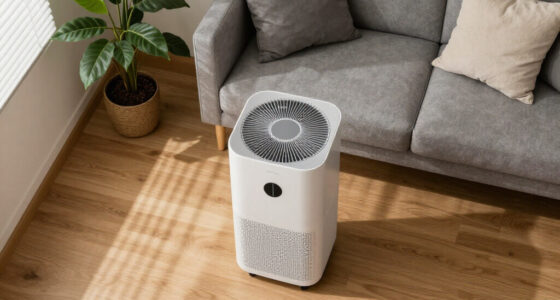
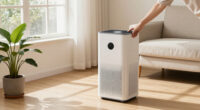
HEPA air purifier for dust removal
As an affiliate, we earn on qualifying purchases.
As an affiliate, we earn on qualifying purchases.
Indoor Activities That Turn Your Home Into a Dust Factory
Spending more time inside means more shedding from clothes, bedding, and soft furnishings. Holiday decorations, fluffy blankets, and cozy sweaters all add tiny textile fibers to the air. Pets contribute dander, hair, and tracked-in soil. Cooking and cleaning stir up soil and grease that settle as dust.
Picture yourself baking bread or vacuuming — each action stirs up particles that settle again but linger in the air longer during winter. The more soft stuff you have around, the more fibers and debris become airborne.
humidifier for winter indoor humidity
As an affiliate, we earn on qualifying purchases.
As an affiliate, we earn on qualifying purchases.
How Heating Systems Spread the Dust You Already Have
Forced-air heating systems don’t create dust; they move existing particles from floors, ducts, and furniture. If filters are dirty or poorly fitted, they can worsen dust circulation. Gaps around filters or leaks in ducts allow unfiltered air to push debris into your living space.
For example, a homeowner notices more dust on furniture after switching to a new furnace filter. That’s because the system is redistributing old dust rather than removing it. Regular maintenance and proper filter fitting make all the difference.
high-efficiency HVAC air filters MERV 13
As an affiliate, we earn on qualifying purchases.
As an affiliate, we earn on qualifying purchases.
Dry Air Makes Dust More Noticeable and Mobile
Low humidity — common in winter — boosts static electricity. That static makes dust cling to screens, electronics, and plastics. Walking through a room or vacuuming stirs up these tiny particles more easily when the air is dry.
Imagine a chilly evening, your electronics crackle with static, and dust seems to jump onto your TV screen. That’s static electricity making dust more visible and easier to move around, not more dust being produced.
As an affiliate, we earn on qualifying purchases.
Combustion and Outdoor Debris Add Extra Fines to Your Dust
Using candles, fireplaces, or incenses releases soot and ultrafine particles that settle like black dust on surfaces. Additionally, outdoor elements like road salt, soil, and tire residue hitch a ride on shoes and pets, bringing more grime inside.
For example, a family notices black streaks near their fireplace and vents. That’s soot, which can be more harmful than visible dust, especially for respiratory health.
Entryways and Outdoor Gear Are Dust Superchargers
Every time you open the door, soil, sand, and road salt are carried inside on shoes, paws, and packages. These particles settle quickly but add to the overall dust load. Entryways become hot spots for winter grime.
Imagine coming home after a snowstorm. Your shoes are coated with salt and dirt, and when you kick them off, that grime disperses into your hallway’s air and onto the floor.
What Your Skin and Textiles Contribute to Dust
Skin flakes are part of household dust, but they’re not the whole story. Fabrics, pet fur, and outdoor soil often surpass skin flakes in quantity. Soft furnishings, carpets, and bedding shed fibers all year, but winter’s dryness makes these fibers stand out more.
Think of a cozy blanket or a plush carpet. They trap fibers that slowly become airborne, especially when disturbed by movement or airflow.
7 Practical Tips to Keep Dust at Bay During Winter
Here’s what you can do to reduce dust buildup:
- Use a high-quality HVAC filter (MERV 11–13) that fits snugly.
- Change filters regularly — don’t wait for them to look dirty.
- Run a portable HEPA air cleaner in bedrooms and common areas.
- Vacuum with a sealed, HEPA-filtered machine, moving slowly.
- Wipe surfaces with damp cloths instead of dry dusters.
- Wash bedding weekly and clean pet areas often.
- Place doormats and remove outdoor shoes at the door.
- Seal leaks around vents and doors while maintaining proper ventilation.
- Control indoor humidity at 30–50% to reduce static and mold growth.
- Limit candles, incense, and indoor smoking to cut soot.
What’s New in Indoor Dust Control and Air Quality?
Recent advances focus on filtering fine particles like PM2.5, not just visible dust. Portable HEPA units are now common for targeted cleaning, especially in bedrooms. Properly sealed and maintained HVAC systems with high-quality filters are more recommended than ever. New affordable particle monitors help track indoor air quality but don’t differentiate dust from allergens or smoke.
Energy-efficient homes with tight seals need controlled ventilation, like heat recovery ventilators, to keep fresh air flowing without losing heat. Awareness of combustion sources and ultrafine particles has shifted the focus from superficial dusting to eliminating soot and chemical residues.
Frequently Asked Questions
Why does dust return immediately after cleaning?
Cleaning disturbs settled particles, causing them to resettle quickly. Dry dusting and unsealed vacuums also redistribute debris. Using damp cloths and HEPA filters helps trap dust instead of spreading it around.
Does turning on the heat create dust?
Not directly. Heating airflow redistributes dust already present. However, more indoor activity during winter and closed windows can lead to increased dust buildup over time.
Should I run my HVAC fan constantly?
If your system has a good filter and no leaks, running the fan continuously can improve air filtration. Just watch for increased energy costs and ensure your ducts are sealed to avoid circulating unfiltered air.
How often should I change my furnace filter?
Check it monthly during winter. Replace when visibly dirty or based on manufacturer guidance. Heavy use, pets, or renovation can shorten filter life.
Will a higher-MERV filter always help?
Higher MERV filters capture smaller particles but can restrict airflow if your system isn’t designed for them. Match filter ratings with your system’s capacity for best results.
Conclusion
Dusty homes in winter aren’t just a housekeeping nightmare — they’re a sign of how indoor air and activity interact with your heating and ventilation. Small adjustments can make a big difference in cleaner, healthier spaces.
Next time you see that layer of dust, remember: it’s not just dirt. It’s a signal to improve ventilation, filter maintenance, and indoor habits. Breathe easier and enjoy a fresher home — even in the coldest months.
Halloween Picks
halloween
As an affiliate, we earn on qualifying purchases.