TL;DR
Limescale clogs your kettle’s heating element and reduces efficiency. Using common household ingredients like vinegar or lemon juice, along with regular maintenance, keeps it clean and working well. Natural methods are safe, effective, and eco-friendly.
Use natural solutions like vinegar or lemon juice for safe, effective descaling.
Regularly descale your kettle every 1-3 months based on water hardness.
Prevent buildup by using filtered water and wiping the interior weekly.
Repeat descaling if stubborn stains remain, and always rinse thoroughly afterward.
Modern kettles may have self-cleaning features, but routine maintenance remains best practice.
What is limescale and why does it matter?
Limescale is a chalky deposit made mostly of calcium carbonate. It forms from minerals in your tap water—especially in areas with hard water. When your kettle heats water, these minerals settle on the heating element and inside surfaces, creating that familiar white, crusty layer. Heavy buildup can make your kettle work harder, waste energy, and even cause it to overheat or break down faster. This not only increases your energy bills but also risks damaging the appliance, potentially leading to costly repairs or replacements. Maintaining a limescale-free kettle ensures it operates efficiently, consumes less power, and lasts longer. Moreover, excessive buildup can insulate the heating element, causing uneven heating or even overheating, which could pose safety risks. Regularly removing limescale prevents these issues, saving money and extending your kettle’s lifespan while ensuring safe operation.

Kettle Descaler Tablets, 20 Pack Citric Acid Cleaner for Electric Kettles
- Effective Limescale Removal: Breaks down limescale with citric acid
- Easy to Use: Simple step-by-step cleaning instructions
- Restores Efficiency: Improves appliance performance and lifespan
As an affiliate, we earn on qualifying purchases.
As an affiliate, we earn on qualifying purchases.
How to spot a stubborn limescale buildup
If your kettle takes longer to boil, or you notice a white film inside after boiling, it’s time to act. Heavy deposits often feel rough or gritty when you scrub the surface. A thick, crusty layer that doesn’t wipe away easily signals significant buildup. If your kettle makes strange noises or heats unevenly, that’s another sign. These symptoms indicate that mineral deposits are insulating the heating element, reducing heat transfer efficiency. This can cause the element to work harder, increasing energy consumption and risking damage. Regular inspection and early removal of limescale help maintain optimal performance and prevent costly repairs. Recognizing these signs early means you can take action before the buildup causes permanent damage, ensuring your kettle remains safe, efficient, and reliable for years to come.
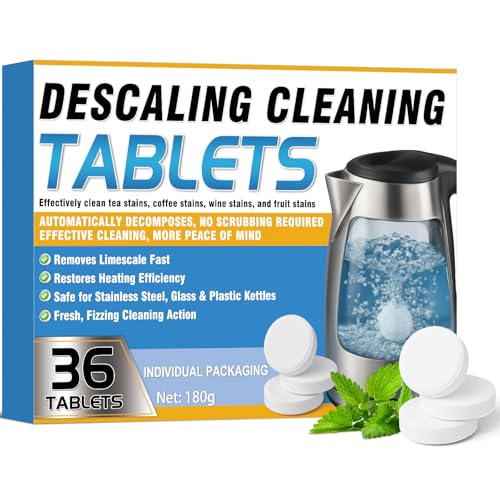
Erigathe Kettle Descaler Tablet 36 Packs, Powerful Limescale Remover for Coffee Maker, Electric Kettle, Natural Citric Acid Formula, Hard Water Remover Tablets
- Powerful Descaling Action: Rapidly dissolves limescale and mineral buildup
- Universal Appliance Compatibility: Suitable for kettles, coffee makers, and more
- Restores Efficiency & Extends Lifespan: Maintains appliance performance and prevents damage
As an affiliate, we earn on qualifying purchases.
As an affiliate, we earn on qualifying purchases.
3 Natural ways to remove limescale — effective and safe
Vinegar, lemon juice, and citric acid are your best friends when it comes to lime scale. They’re non-toxic, inexpensive, and powerful enough to dissolve mineral deposits. But understanding why they work helps you appreciate their benefits and limitations. Vinegar contains acetic acid, which reacts chemically with calcium carbonate, breaking down the deposits into soluble compounds that can be rinsed away. Lemon juice contains citric acid, which has a similar effect but also leaves a pleasant citrus scent, making the process more enjoyable. Citric acid, a natural organic acid, is especially effective for heavy buildup because it can be used in higher concentrations without the harshness of chemical cleaners. Using these solutions regularly prevents mineral deposits from becoming stubborn, ensuring your kettle remains efficient. The tradeoff is that overuse or improper rinsing might leave residual tastes or smells, so thorough rinsing is essential. Incorporating these natural methods into your routine balances safety, effectiveness, and environmental friendliness—helping you maintain your kettle without risking damage or chemical exposure.
Erigathe Kettle Descaler Tablet 36 Packs, Powerful Limescale Remover for Coffee Maker, Electric Kettle, Natural Citric Acid Formula, Hard Water Remover Tablets
- Powerful Descaling Action: Rapidly dissolves limescale and mineral buildup
- Universal Appliance Compatibility: Suitable for kettles, coffee makers, and more
- Restores Efficiency & Extends Lifespan: Maintains appliance performance and prevents damage
As an affiliate, we earn on qualifying purchases.
As an affiliate, we earn on qualifying purchases.
Step-by-step: How to descale your kettle in 4 easy steps
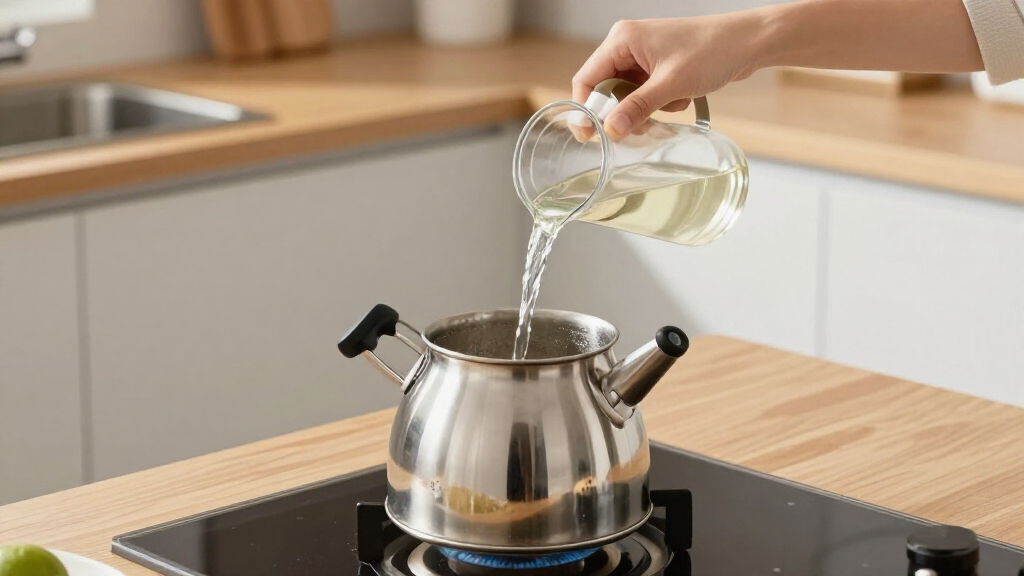
- Fill the kettle with your chosen descaling solution — vinegar, lemon, or citric acid. Make sure it covers all affected areas, especially the regions with visible buildup. Using the right amount ensures thorough cleaning without waste or excess.
- Bring the solution to a boil, then turn off the heat and let it sit for 20-60 minutes depending on the severity of the buildup. Longer sitting times allow the acids to react fully with the mineral deposits, loosening even stubborn layers.
- Discard the solution and rinse the kettle at least three times with fresh water. This step is crucial because residual acids or loosened deposits can affect the taste or safety of your water. Proper rinsing ensures no lingering chemical taste and maintains the kettle’s integrity.
- Fill with plain water, boil again, and pour out to ensure no lingering taste or smell remains. This final rinse is vital to remove any residual acidity, which could otherwise corrode the kettle over time or affect your tea or coffee’s flavor.
For stubborn stains, repeat the process or increase the sitting time slightly. Always check your kettle’s manual for specific guidance, as some models may have special recommendations or restrictions on certain cleaning agents.
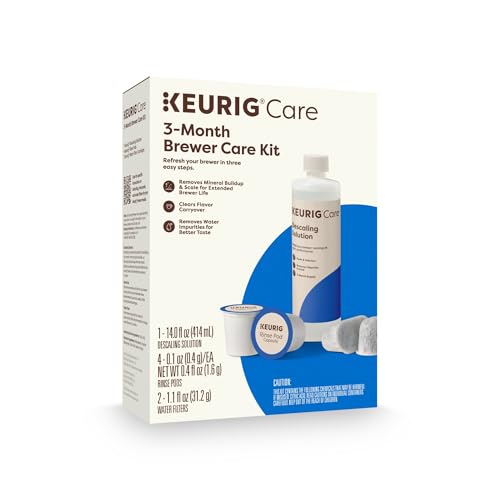
Keurig 3-Month Brewer Maintenance Kit Includes Descaling Solution, Water Filter Cartridges & Rinse Pods, Compatible Classic/1.0 & 2.0 K-Cup Coffee Makers, 7 Count
- Includes Rinse Pods and Cleaning Solutions: 4 rinse pods, 1 descale solution, 2 filter refills
- Reduces Flavor Carry-Over: Rinse pods minimize flavor transfer between brews
- Easy K-Cup Holder Cleaning: Quickly cleans residue and oils in the brew area
As an affiliate, we earn on qualifying purchases.
As an affiliate, we earn on qualifying purchases.
Prevention: How to keep limescale from coming back
The best strategy is to reduce mineral buildup before it starts. Use filtered or soft water whenever possible, as these contain fewer minerals that cause limescale. Regularly descale — every 1-3 months in hard water areas — to prevent heavy accumulation, which can be more difficult to remove and more damaging over time. Some tips include:
- Use a water softening filter or device to reduce mineral content at the source, minimizing buildup from the start.
- Always empty the kettle after boiling to prevent mineral deposits from settling and hardening inside.
- Wipe the inside with a damp cloth weekly to remove any surface residue or minor deposits before they turn into stubborn buildup. This simple maintenance prolongs the time between necessary descaling sessions, reducing the risk of damage and ensuring consistent performance.
How do modern kettles handle limescale?
Some new models come with built-in features to make maintenance easier. You might find self-cleaning cycles or alerts that notify you when descaling is needed. These innovations aim to minimize manual work but don’t eliminate the need for occasional descaling—especially in hard water areas. Understanding these features helps you optimize their use, ensuring your kettle stays in top condition. For instance, self-cleaning functions often use internal water circulation or ultrasonic vibrations to loosen deposits, reducing manual effort. However, these systems are not foolproof and may require occasional manual descaling to handle heavy buildup, which can occur more rapidly in areas with hard water. By combining these modern features with regular maintenance, you extend your kettle’s lifespan and maintain peak efficiency. Recognizing the limitations of these features ensures you don’t rely solely on them and still perform routine checks and descaling as needed.