TL;DR

Get cleaning gear delivered free — and shop member deals
- Fast, free delivery on millions of items
- Access to Prime Big Deal Days deals on October 6–7
- Prime Video, Amazon Music and more included
Keeping your kitchen sink drain clear hinges on regular maintenance, smart habits, and natural solutions. Avoid harsh chemicals—opt for simple tricks like strainers, hot water, and baking soda. When in doubt, call a plumber to prevent costly damage.
Nothing’s more frustrating than a slow, stubborn kitchen sink drain. It’s like a mini flood waiting to happen after you rinse dishes or wash vegetables. But avoiding clogs isn’t about magic; it’s about simple habits and smart choices. You’ll learn how to prevent buildup, fix minor blockages, and when to call in the pros.
This guide cuts through the hype. It’s practical, grounded, and full of tips you can start today. Whether you’re a seasoned homeowner or new to kitchen upkeep, these straightforward steps keep your drain flowing smoothly — no fuss, no fussiness.
Use drain strainers daily and avoid pouring fats or oils down the drain to prevent buildup.
Flush with hot water weekly to dissolve grease and soap scum naturally.
Baking soda and vinegar are effective, safe DIY tools for minor clogs.
Harsh chemical cleaners can damage pipes over time; enzymatic options are safer.
Persistent problems mean it’s time to call a professional to avoid pipe damage.
How to Keep a Kitchen Sink Drain Clear
A free-flowing drain comes down to three things: catch debris before it enters, keep grease out, and maintain the pipe gently. Small routines prevent the stubborn buildup that turns dishwashing into a miniature flood.
How a clog takes hold
Warm fat enters as a liquid, cools against the pipe wall, and creates a sticky surface. Food particles and soap residue then collect layer by layer until water has too little room to pass.
Grease cools
Oil and fat solidify along the inside of the pipe.
Debris sticks
Food scraps cling to the greasy surface instead of washing away.
Layers grow
Soap scum and mineral deposits narrow the channel further.
Flow slows
Slow drainage, odor and backups reveal the developing blockage.
Three habits that do the heavy lifting
Prevention is easier on both plumbing and budget. Attach each task to an existing kitchen routine so maintenance happens before warning signs appear.
Use a strainer daily
Catch food scraps and other debris at the sink opening. Empty the basket into the trash and rinse it after washing dishes.
Flush weekly
Run hot water through the drain to move fresh grease and soap residue before it hardens. Use pipe-safe water temperatures.
Bin fats and oils
Let cooking grease cool in a container, seal it, and place it in the trash. Wipe oily pans before washing them.
Empty the strainer, wipe grease from the basin, and give the drain a steady hot-water flush. A recurring weekly cue makes prevention nearly automatic.
5-minute routineThe gentle DIY sequence
For early-stage buildup—not a fully blocked or damaged line—baking soda and vinegar offer a low-impact first response. Follow with hot water and reassess the flow.
Pour directly into the drain opening.
Add slowly to begin the foaming reaction.
Keep the reaction concentrated inside the drain.
Rinse loosened residue through the pipe.
Drain-clearing options compared
Match the method to the severity of the problem. Natural treatments suit minor residue, while plungers and drain snakes physically remove more stubborn obstructions.
| Method | Effectiveness | Pipe safety | Environmental impact | Best use |
|---|---|---|---|---|
| Natural baking soda + vinegar |
~ Good for minor buildup | ✓ Excellent | ✓ Low | Early slow drainage and routine care |
| Enzymatic or biodegradable | ~ Gradual action | ✓ Gentler option | ✓ Lower impact | Ongoing maintenance when label-approved |
| Harsh chemical cleaner | ✓ Can clear tough residue | ✗ Misuse may damage pipes | ✗ High impact | Limited use with strict label compliance |
| Mechanical plunger or snake |
✓ Very effective | ✓ No chemicals | ✓ Low | Stubborn, reachable obstructions |
Maintenance cadence
Relative frequency for a prevention-first routine.
Gentler-cleaner advantage
Enzymatic or biodegradable options may reduce pipe-damage risk by up to 50% compared with harsher approaches.
When DIY is no longer enough
A recurring problem often sits deeper than the trap. Stop repeating treatments when the symptoms persist—a licensed plumber can diagnose the line with professional snakes, augers or cameras.
Recurring slow drainage
The clog returns soon after every attempted fix.
Persistent foul odors
Trapped waste or a deeper plumbing issue may be present.
Water backs up
Standing or rising water indicates a significant restriction.
Multiple fixtures react
Gurgling or backup elsewhere can point to a main-line issue.
The clear-drain chain
Strain food scraps
Bin cooled grease
Use hot water weekly
Address minor buildup
Call for persistent faults
Drain care FAQ
Use the symptoms—not frustration—to decide whether to maintain, treat or escalate.
How often should I maintain the drain?
Perform a preventive clean about once a month. If flow begins to slow, monitor and maintain it more frequently until normal drainage returns.
Are chemical drain cleaners pipe-safe?
Harsh formulas may weaken some pipes or seals over time. Prefer label-approved enzymatic or biodegradable products when a cleaner is needed.
What is the best natural first step?
For minor buildup, use ½ cup baking soda, 1 cup vinegar, a 15-minute rest, and a pipe-safe hot-water flush.
When should I call a plumber?
Call when DIY efforts fail or when slow drainage, foul smells, gurgling or backups repeatedly return.
Why Your Kitchen Sink Gets Clogged — And How to Stop It Early
Most kitchen sink clogs happen because fat, food scraps, and soap scum team up to form a stubborn blockage. Imagine pouring hot oil down the drain — it quickly cools, sticks to pipe walls, and traps other debris. Over time, that buildup narrows the pipe’s passage, causing slow drainage or backups.
Preventing this is about being proactive. Use a drain strainer to catch food bits or hair. Regularly flush the drain with hot water after cooking or cleaning. These habits break the chain of buildup before it turns into a clog.
For example, a homeowner notices her sink draining slowly every morning. She starts pouring boiling water down after each use, and within a week, the sluggishness disappears. Small habits like this can save you from bigger headaches.
As an affiliate, we earn on qualifying purchases.
3 Simple Habits That Keep Your Drain Clear Year-Round
- Use strainers daily — they catch food scraps and prevent large debris from entering pipes. Just rinse and empty them regularly.
- Pour hot water weekly — a quick flush with boiling water helps dissolve grease and soap scum, keeping pipes clean.
- Avoid pouring fats and oils down the drain — instead, let them cool in a container and toss them in the trash.
Imagine a busy mom who starts her week by pouring boiling water down her sink every Sunday. She notices her sink remains free-flowing, even after cooking greasy meals. Simple routines like this make a noticeable difference.
As an affiliate, we earn on qualifying purchases.
Natural Ways to Break Minor Clogs Without Harsh Chemicals
When a clog is just beginning to form, natural remedies can do wonders. The combination of baking soda and vinegar creates a fizzy reaction that helps loosen buildup. Pour half a cup of baking soda into the drain, followed by a cup of vinegar. Cover, wait 15 minutes, then flush with hot water.
This simple trick works because baking soda’s abrasive texture scrubs pipe walls, while vinegar’s acidity dissolves grease. It’s safe for your pipes and eco-friendly too.
For example, a homeowner notices her sink draining a bit slower. She tries this combo, and within a day, her drain is flowing freely again. It’s a safe, quick fix for minor issues.
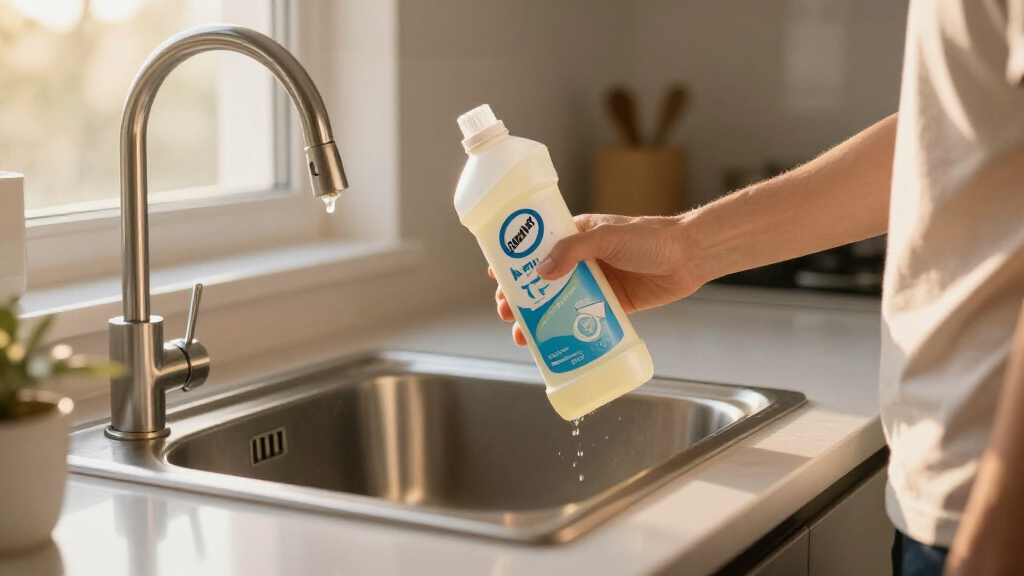
baking soda and vinegar drain cleaner
As an affiliate, we earn on qualifying purchases.
As an affiliate, we earn on qualifying purchases.
When DIY Isn’t Enough — Know When to Call a Plumber
If you’ve tried plunging, baking soda and vinegar, and hot water but the drain still won’t clear, it’s time for the pros. Persistent slow draining, foul odors, or recurring backups signal a deeper problem — maybe a pipe collapse or tree roots infiltrating the line.
Trying to force a stubborn clog can damage pipes or make things worse. A licensed plumber can use specialized tools, like motorized snakes or cameras, to diagnose and fix the issue safely.
For example, after several DIY attempts, a homeowner finds her sink still sluggish. Calling a plumber reveals a partial pipe collapse — a job no DIY effort could fix. Knowing your limits keeps your plumbing healthy.
As an affiliate, we earn on qualifying purchases.
Comparison Table: Natural, Chemical, and Mechanical Drain Clearing Methods
| Method | Effectiveness | Safety | Environmental Impact |
|---|---|---|---|
| Natural (baking soda & vinegar) | Good for minor clogs | Excellent — non-toxic | Low — biodegradable |
| Chemical drain cleaners | Effective for tough clogs | Moderate — can damage pipes if misused | High — harsh chemicals harm environment |
| Mechanical (plungers, snakes) | Very effective for stubborn clogs | Excellent — no chemicals involved | Low — physical removal |
Frequently Asked Questions
How often should I clean or maintain my kitchen sink drain?
Once a month works well for preventive maintenance. If your sink drains slowly, increase the frequency to weekly until it improves. Regular upkeep keeps minor issues from becoming major clogs.
Are chemical drain cleaners safe for my pipes?
While effective, harsh chemicals can weaken pipes over time. Enzymatic or biodegradable cleaners are gentler and safer for both your plumbing and the environment.
What’s the best natural method to clear a minor clog?
Baking soda and vinegar is a tried-and-true combo that’s safe and effective. Pour half a cup of baking soda, followed by a cup of vinegar, wait 15 minutes, then flush with hot water.
When should I call a plumber?
If DIY efforts don’t work, or if you notice recurring slow draining, foul smells, or water backing up, it’s time to get professional help to avoid damaging your pipes further.
Can I prevent future clogs with certain habits?
Absolutely. Use drain strainers, avoid pouring grease down the drain, and flush with hot water weekly. These habits keep buildup at bay and your drain flowing freely.
Conclusion
Keeping your kitchen sink drain clear isn’t about high-tech gadgets — it’s about simple habits and knowing when to act. Regularly using strainers, flushing with hot water, and handling minor clogs naturally can save you money and stress.
Picture your sink flowing smoothly, no matter how greasy the day’s dishes. Small daily habits make that a reality, turning a stubborn drain into just another part of a well-kept kitchen.
Fall Picks
fall essentials
As an affiliate, we earn on qualifying purchases.