TL;DR

Get cleaning gear delivered free — and shop member deals
- Fast, free delivery on millions of items
- Access to Prime Big Deal Days deals on October 6–7
- Prime Video, Amazon Music and more included
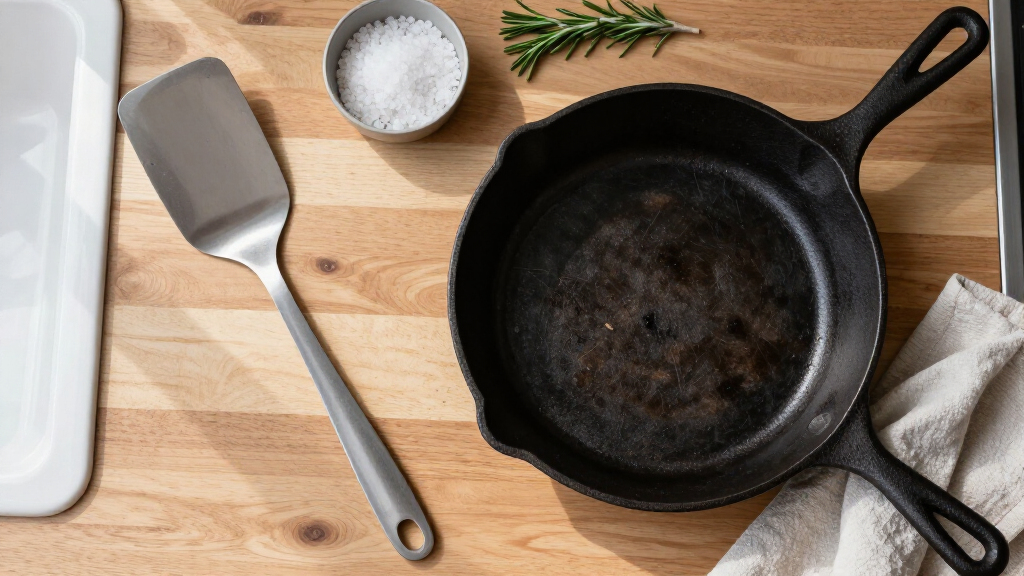
To clean a cast iron pan without ruining it, use hot water and gentle scrubbing, avoid harsh detergents, dry thoroughly, and re-season regularly. These steps keep your pan non-stick and rust-free for years.
Use hot water and a stiff brush or salt to clean your cast iron — avoid harsh detergents.
Dry immediately and thoroughly to prevent rust — heating on the stove helps evaporate residual moisture.
Re-season regularly with a light coat of oil and oven baking to keep the surface non-stick and rust-free.
Rust can be removed with steel wool, then re-season — don’t toss that vintage pan just yet.
Avoid soaking your cast iron for long periods; quick rinses are best for longevity.
How to Clean a Cast Iron Pan Without Ruining It
Hot water. Gentle scrubbing. Immediate drying. A whisper-thin coat of oil. That simple ritual preserves the seasoned surface, prevents rust and keeps a cast iron pan cooking beautifully for decades.
Five easy steps, from hot pan to protected pan
Clean soon after cooking, while residue is still easy to release. The goal is to remove food and moisture without grinding away the polymerized oil that forms the pan’s natural non-stick layer.
Use hot water
Rinse promptly after cooking. Keep the wash quick and never leave the pan submerged.
Stay gentle
Use a stiff brush or non-metallic scrubber to lift ordinary food residue.
Add coarse salt
For stubborn patches, salt provides abrasion without routinely stripping seasoning.
Remove all water
Towel-dry, then warm over low heat so hidden moisture evaporates before rust can form.
Oil very lightly
Wipe on a small amount of neutral oil, then buff until the pan looks nearly dry.
Food still stuck? Simmer a shallow layer of water for a few minutes, loosen the residue with a wooden utensil, then return to the dry-and-oil routine.
Match the cleaning tool to the mess
Start with the least aggressive option. Steel wool earns a place in the toolkit—but as a restoration tool for rust, not as the default after-dinner scrubber.
| Tool | Best use | Seasoning impact | Verdict |
|---|---|---|---|
| Stiff brush | Daily food residue | Low when used gently | ✓ Best daily choice |
| Non-metal scrubber | General washing | Very low | ✓ Seasoning-safe |
| Coarse salt | Stubborn patches | Low, natural abrasion | ✓ Smart upgrade |
| Chainmail scrubber | Firmly stuck food | Moderate if overused | ~ Use with control |
| Steel wool | Rust restoration | Removes seasoning | ✗ Not for daily use |
A rusty pan is a repair project—not trash
Rust means the protective seasoning has been breached. Remove the corrosion, eliminate moisture and rebuild the oil layer. Vintage cast iron can often return to full service.
Strip the rust
Scrub affected areas with steel wool or a rust eraser until the orange corrosion is gone. Repeat for heavily rusted surfaces.
Rinse and heat-dry
Wash away loosened residue, towel immediately and warm the pan until every trace of moisture has evaporated.
Rebuild the finish
Coat with neutral oil, buff away excess and bake upside down. A foil-lined lower rack can catch stray drips.
Soap, seasoning and the questions cooks ask most
A little mild soap is usually fine
Modern mild dish soap used sparingly is unlikely to destroy a well-seasoned pan. Reserve it for greasy or sticky messes, rinse thoroughly, dry immediately and finish with a light coat of oil.
Still off-limits: harsh detergents, prolonged soaking and the dishwasher. Those expose cast iron to the combination of chemicals, heat and moisture most likely to strip protection and encourage rust.
How often should I re-season?
When the surface looks dull, food begins to stick or after an aggressive rust treatment. Light post-cleaning oiling supports the finish between full oven sessions.
Towel or stovetop drying?
Both work, but low stovetop heat provides extra protection by evaporating moisture a towel may leave behind.
Which oils work?
Vegetable, canola and flaxseed oil can all be used. Apply less than you think you need and buff thoroughly to avoid a sticky finish.
Can enamel-coated cast iron follow this routine?
No. Enamel is not a seasoned bare-iron surface; follow the manufacturer’s care instructions and avoid treating it like traditional cast iron.
Gentle cleaning protects today’s seasoning. Immediate drying prevents tomorrow’s rust. Regular oiling builds the surface your pan will carry for decades.
How to Clean a Cast Iron Pan Without Ruining Its Seasoning
Cleaning a cast iron pan without damaging its seasoning starts with gentle methods. Hot water combined with a stiff brush or non-metallic scrubber typically clears food without stripping the surface. For stubborn spots, a handful of coarse salt can act as a natural scrubber, gently lifting residue without harming the seasoning layer.
Remember: avoid soaking your pan in water for long periods — it encourages rust. Instead, rinse quickly, then dry immediately with a towel or on low heat on the stove. This simple routine preserves the non-stick surface and keeps rust at bay.
As an affiliate, we earn on qualifying purchases.
5 Easy Steps to Clean Your Cast Iron Without Damage
- Rinse the pan with hot water immediately after cooking.
- Scrub with a stiff brush or non-metallic scrubber. Use coarse salt if needed.
- If food is stuck, boil a little water in the pan for a few minutes to loosen residues.
- Dry thoroughly on the stove or with a towel to prevent rust.
- Apply a thin layer of oil before storing.
As an affiliate, we earn on qualifying purchases.
Comparison of Cleaning Tools: Which Is Best for Cast Iron?
| Tool | Pros | Cons |
|---|---|---|
| Stiff Brush | Effective, durable, gentle | Can be harsh if too stiff |
| Non-Metallic Scrubber | Preserves seasoning, safe | Less effective on stuck-on food |
| Coarse Salt | Natural abrasive, eco-friendly | Messier, requires rinsing |
| Steel Wool | Removes rust, heavy-duty | Strips seasoning if used improperly |
As an affiliate, we earn on qualifying purchases.
How to Remove Rust Without Destroying Your Pan
If rust appears, don’t panic. Use steel wool or a rust eraser to scrub the affected areas gently. This process is crucial because rust not only spoils the appearance but can also compromise the pan’s integrity if left untreated. Removing rust restores the pan’s protective layer, but it must be done carefully to avoid damaging the underlying surface. Once clean, rinse, dry thoroughly, and re-season the pan. Rust removal can take a few minutes but saves your cookware from ending up in the trash.
For heavily rusted pans, repeat the scrubbing process and consider applying a light coating of oil and baking it in the oven at 350°F for an hour. This restores both the look and non-stick qualities, ensuring your pan remains functional and safe for cooking.
As an affiliate, we earn on qualifying purchases.
Why Using Dish Soap on Cast Iron Is Usually Fine — Sometimes
Many home cooks avoid soap, fearing it strips seasoning. But a small amount of mild dish soap isn’t likely to harm your pan if used occasionally. The key is to understand that soap can break down the thin layer of oil that creates your pan’s non-stick surface. However, if you use it sparingly and follow up with thorough rinsing and re-oiling, it won’t significantly affect the seasoning. This means you can safely clean stubborn grease or sticky residues without compromising the pan’s integrity. Just remember to dry immediately and apply a fresh coat of oil to keep your surface seasoned and protected.
Re-Seasoning Made Easy: Keep Your Pan Non-Stick for Life
Re-season your cast iron by applying a thin layer of oil — vegetable, flaxseed, or canola — all work well. Spread it evenly using a paper towel, then bake the pan upside down in the oven at 450°F for about an hour. Place a sheet of foil underneath to catch drips. This process not only restores the non-stick surface but also helps fill in minor scratches and imperfections, strengthening the pan’s overall durability. Regular re-seasoning is essential because cooking creates a natural patina, but frequent cleaning or improper care can wear it down. Doing this periodically ensures your cast iron remains a reliable, non-stick workhorse for decades.
Frequently Asked Questions
Can I use soap to clean my cast iron pan?
Yes, but use it sparingly. Most prefer water and a brush or salt to preserve the seasoning, reserving soap for heavy grease or sticky messes. Just rinse well, dry immediately, and re-oil afterward.How do I fix rust spots on my pan?
Scrub rust with steel wool or a rust eraser until clean. Rinse, dry thoroughly, then re-season the pan with oil and bake at 450°F for an hour to restore its non-stick surface.What’s the best way to clean stubborn, stuck-on food?
Boil water in the pan to loosen residues or scrub with coarse salt and a stiff brush. Avoid metal pads that can strip seasoning. For tough spots, repeat the process or use a chainmail scrubber for gentle abrasion.Should I dry my cast iron with a towel or heat it?
Both work—wiping with a towel is quick, but heating the pan on the stove helps evaporate any remaining moisture, offering extra rust protection.How often should I re-season my cast iron?
Re-season after every few cleanings or when the surface dulls. Regular maintenance keeps the pan non-stick and rust-free for a lifetime of cooking.Conclusion
Treat your cast iron with respect, and it will reward you with decades of perfect searing and frying. Gentle cleaning, prompt drying, and regular re-seasoning are your best tools. Think of it as nurturing a piece of cookware that only gets better with care.Fall Picks
fall essentials
As an affiliate, we earn on qualifying purchases.