TL;DR

Get cleaning gear delivered free — and shop member deals
- Fast, free delivery on millions of items
- Access to Prime Big Deal Days deals on October 6–7
- Prime Video, Amazon Music and more included
Cleaning a marble or stone bathroom surface requires pH-neutral cleaners, gentle tools, and prompt spill management. Proper care preserves beauty and avoids etching or staining. Regular maintenance keeps your bathroom luxurious and damage-free.
Always use a pH-neutral, stone-safe cleaner to prevent etching and dullness.
Remove water and spills promptly to avoid mineral deposits and stains.
Test cleaning products in a hidden area before full application.
Sealing extends stain resistance but doesn’t prevent etching or physical wear.
Regular drying and moisture control are key to maintaining beauty and integrity.
How to Clean a Stone or Marble Bathroom Surface
The safe formula is simple: use a pH-neutral stone cleaner, soft tools, clean water, and a fresh microfiber cloth. Prompt spill removal and regular drying preserve the finish while helping prevent stains, deposits, and soap buildup.
Three rules protect the finish
First identify the surface. Marble, limestone, travertine, granite, slate, and engineered stone can require different care. Check the supplier’s guidance before introducing an unfamiliar product.
Keep the cleaner gentle
Choose a pH-neutral product specifically labeled safe for natural stone. Dilute it exactly as directed and test it in a hidden area first.
Use soft tools only
Microfiber, non-scratch sponges, and soft nylon brushes lift dirt without adding the micro-scratches that progressively dull polished stone.
Rinse, dry, and ventilate
Remove residue with clean water, dry the surface completely, and improve airflow to reduce streaks, mineral deposits, and soap buildup.
The seven-step clean
Work gently and methodically. Never let cleaner dry on the stone, and avoid excessive pressure while wiping or brushing.
Use dry microfiber or a soft vacuum attachment.
Follow the stone-safe product label exactly.
Use microfiber or a non-abrasive sponge.
Use only the recommended dwell time.
Agitate gently with a soft nylon brush.
Remove all cleaner residue with clean water.
Use fresh microfiber for a streak-free shine.
Cleaners that can cost you the finish
A product may remove visible grime and still damage the stone underneath. “Bathroom cleaner” does not automatically mean marble-safe.
| Product or method | Primary risk | Likely result | Risk level |
|---|---|---|---|
| Vinegar, lemon, citrus cleaners | Acid reacts with calcium carbonate | Pale, dull etching on marble, limestone, and travertine | Avoid |
| CLR-type descalers and toilet cleaner | Strong acidic chemistry | Rapid etching, discoloration, or damaged adjacent finishes | Avoid |
| Powders, abrasive creams, magic sponges | Mechanical abrasion | Micro-scratches and progressive loss of polish | Avoid |
| Steel wool and rough pads | Aggressive scratching | Permanent marks, gouges, and a visibly worn surface | Avoid |
| Undiluted bleach or ammonia | Sealer and material degradation | Discoloration, weakened protection, or adjacent-material damage | Avoid |
| Wax, furniture polish, generic shine products | Film and residue buildup | Uneven appearance, trapped grime, or a slippery finish | Skip |
| Steam cleaning | Heat, moisture, and system compatibility | Possible harm to stone, grout, sealant, or installation | Verify |
Deposit, stain, or etch?
The correct response depends on what you are looking at. Cleaning can remove deposits and may treat some stains, but it cannot reverse chemical loss of polish.
Surface deposit
Looks or feels: rough, raised, crusty, streaked, or filmy. Use a non-acidic stone-safe soap-scum or mineral-deposit product.
Absorbed stain
Looks: darker or discolored within the stone. Treatment depends on whether the source is oil, cosmetics, organic matter, or rust.
Chemical etch
Looks: pale, dull, chalky, or ring-shaped. Cleaning will not restore the lost polish; refinishing is often required.
Relative acid-care sensitivity
This is a care guide, not a hardness test. Finish, porosity, sealers, factory treatments, and manufacturer restrictions can change what is safe for a specific surface.
Soap scum
Prevent it with a squeegee, liquid body wash, and frequent pH-neutral cleaning. Existing buildup may need a non-acidic remover formulated for natural stone.
Hard-water deposits
Standard descalers are often acidic. Choose a stone-safe mineral product, use gentle mechanical removal, or call a restoration professional.
Oil or organic stains
A suitable poultice or stone-approved oxidizing treatment may help, but the chemistry must match both the stain and the stone.
Deep damage
Widespread dullness, deep scratches, stubborn mineral buildup, rust, and etched polished marble are strong reasons to consult a stone specialist.
Small habits protect the whole surface
Safe chemistry and moisture control work together. Each step prevents the conditions that lead to scratching, residue, deposits, stains, or costly refinishing.
Can I clean marble with vinegar?
No. Vinegar is acidic and can etch marble, leaving pale, dull spots. Use a pH-neutral cleaner made for natural stone.
Is dish soap safe?
A small amount of mild soap may be acceptable occasionally, but repeated use can leave a film. A dedicated stone cleaner is preferable for routine care.
Can I use baking soda?
Avoid it as a routine cleaner. Baking soda is mildly abrasive and may scratch or dull a polished marble finish.
How often should marble be sealed?
It depends on the stone, porosity, finish, product, and use. If water darkens or absorbs into the stone quickly, ask the supplier whether resealing is due.
What is the best way to remove water spots?
First determine whether the mark is a deposit or an etch. A stone-safe cleaner may remove deposits; an acid-created etch usually needs professional polishing or refinishing.
Why Using the Right Cleaner Matters More Than You Think
Natural stone like marble, limestone, and travertine reacts strongly to acids and abrasives. Using the wrong cleaner can cause etching—those dull, pale spots that ruin the surface’s polish.
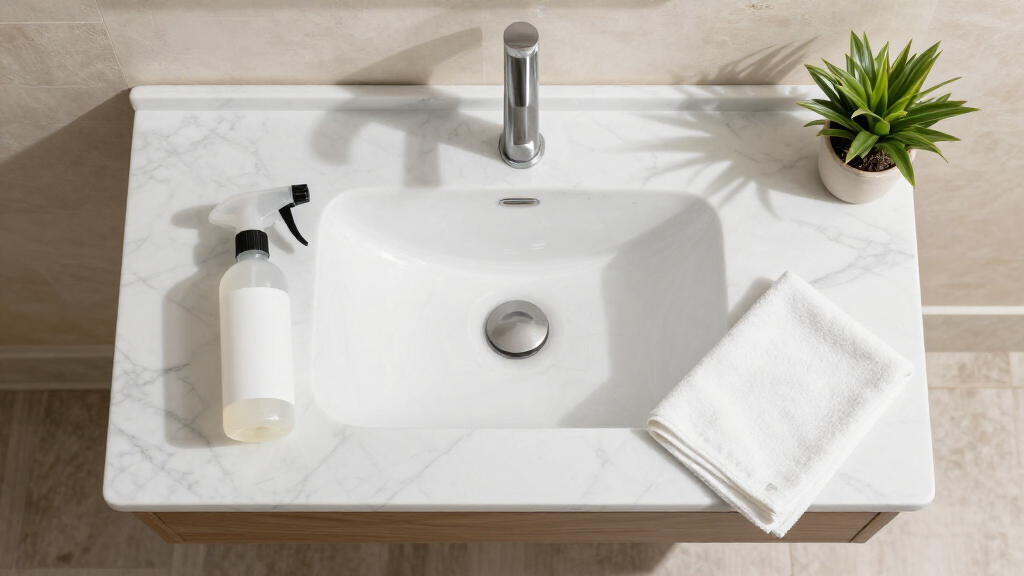
Choose a pH-neutral cleaner specifically labeled safe for natural stone. Avoid vinegar, lemon juice, or any acidic product. For example, a gentle, stone-safe cleaner preserves the shiny, smooth finish that makes marble so luxurious.
If you use a harsh chemical, you risk permanently dulling the surface or creating spots that look like water stains but are actually surface damage.
Understanding why this matters is crucial: etching not only diminishes the appearance but can also weaken the surface over time, leading to more costly repairs or refinishing. The tradeoff is between using strong, quick-clean products that may damage your stone versus gentle, specialized cleaners that preserve its integrity but might require a bit more effort. Choosing the right cleaner strikes a balance—protecting your investment and maintaining the stone’s natural beauty.
As an affiliate, we earn on qualifying purchases.
Step-by-Step: How to Safely Clean Your Marble Bathroom Surface
- Remove loose dust and grit with a dry microfiber cloth or soft vacuum attachment. This prevents scratching during cleaning.
- Mix a few drops of a pH-neutral cleaner with water as per the label. Never use undiluted products.
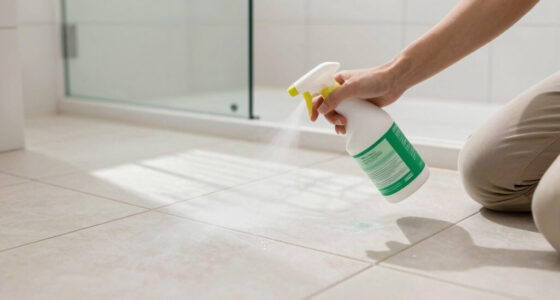
- Apply with a soft cloth or non-abrasive sponge. Gently wipe the surface, avoiding excessive pressure.
- Allow the cleaner to sit for the recommended time, then gently agitate grout lines with a soft nylon brush if needed.
- Thoroughly rinse with clean water to remove any residue.
- Dry with a fresh microfiber cloth, buffing to a streak-free shine.
This routine keeps your stone gleaming without risking etching or dullness. Remember, quick wipe-ups of water and spills also prevent mineral deposits and soap scum buildup.
Additionally, understanding the implications of each step helps you make better decisions: for example, rinsing thoroughly prevents soap residue from building up, which can dull the surface over time. Drying completely reduces water spots and mineral deposits that cause dullness or staining. Consistency in this routine ensures your stone remains beautiful and resilient for years, avoiding the costly consequences of neglect or improper cleaning methods.
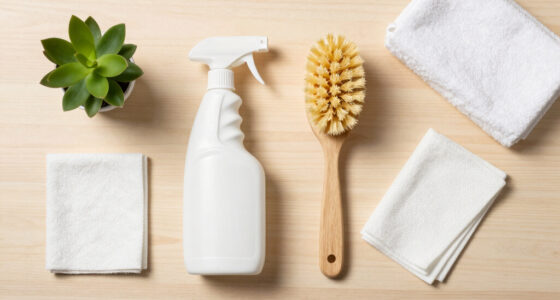
natural stone bathroom cleaning kit
As an affiliate, we earn on qualifying purchases.
As an affiliate, we earn on qualifying purchases.
What Common Household Cleaners Can Damage Your Stone
| Product | Risk to Stone |
|---|---|
| Vinegar and Citrus Cleaners | Cause etching and dullness, especially on marble and limestone. Acidic substances react chemically with calcium carbonate in the stone, leading to surface erosion that is often irreversible. This damage not only affects appearance but can compromise the stone’s structural integrity over time. |
| Bleach | Discolors and weakens sealers, can cause surface damage. The harsh chemical nature of bleach can break down protective coatings, making the stone more vulnerable to stains and etching. Repeated use can lead to a compromised surface that requires professional restoration. |
| Powdered Cleaners & Abrasives | Scratches polished surfaces, dulls shine. These gritty substances create micro-scratches that accumulate over time, diminishing the reflective quality of the stone and leading to a dull, worn appearance. The tradeoff is that abrasive cleaners may seem effective at removing stains but ultimately damage the stone’s finish. |
| Steel Wool & Rough Pads | Leave scratches and micro-tears in the stone. The aggressive nature of steel wool can gouge the surface, creating permanent marks that are difficult to repair. This damage accelerates wear and can lead to more extensive restoration needs. |
| Ammonia & Harsh Disinfectants | Can degrade sealers and cause discoloration. These strong chemicals can strip protective layers, making the stone more susceptible to staining and etching, and can alter the color or finish of the surface, reducing its natural beauty. |
Always check product labels and test in a hidden corner before full use. When in doubt, stick with gentle, stone-approved cleaners. Being aware of these risks helps you make informed choices that preserve your stone’s appearance and longevity, avoiding costly repairs and maintaining the luxurious look of your bathroom.
microfiber cleaning cloth for stone surfaces
As an affiliate, we earn on qualifying purchases.
As an affiliate, we earn on qualifying purchases.
Frequently Asked Questions
Can I clean marble with vinegar?
No. Vinegar is acidic and can etch marble, leaving dull, pale spots that are hard to fix. Stick with pH-neutral cleaners made for stone.
Is dish soap safe for marble?
A small amount of mild dish soap may be okay occasionally, but frequent use can leave a film. It’s better to use a dedicated stone cleaner for routine care.
Can I use baking soda on marble?
Baking soda is mildly abrasive and alkaline, which can scratch or dull polished marble. Avoid it as a routine cleaner.
How often should marble be sealed?
Sealing frequency varies with porosity and use. Perform a water test—if water absorbs quickly, resealing may be needed. Consult your stone supplier for specific advice.
What’s the best way to remove water spots?
First, identify if it’s a surface deposit or etching. Use a stone-safe cleaner for deposits, but never acid-based products. For etching, professional polishing is often required.
As an affiliate, we earn on qualifying purchases.
Conclusion
Caring for your marble and natural stone surfaces isn’t complicated—just consistent, gentle, and specific. Think of your bathroom as a portrait; a little regular attention preserves its shine and elegance. Keep that in mind next time you wipe down, and your bathroom will stay stunning for years.Fall Picks
fall essentials
As an affiliate, we earn on qualifying purchases.