
TL;DR

Get cleaning gear delivered free — and shop member deals
- Fast, free delivery on millions of items
- Access to Prime Big Deal Days deals on October 6–7
- Prime Video, Amazon Music and more included
Your bedroom feels stale because of accumulated CO₂, odors, humidity, and poor airflow. Proper ventilation, filtering, and moisture control can restore fresh air and improve sleep quality.
Ever notice how your bedroom smells or feels stuffy after a long night? It’s not just you. The air in a small, closed room can become stagnant, making sleep uncomfortable and even affecting your health. But what exactly causes that stale feeling, and how can you turn it around?
In this guide, you’ll learn what makes bedroom air turn dull and odor-laden, why CO₂ and humidity matter, and simple steps to breathe easier. No hype—just clear, practical advice to freshen up your space and improve your sleep quality tonight.
High CO₂ levels in bedrooms often indicate insufficient ventilation, not oxygen shortage.
Opening windows briefly or using mechanical ventilation can drastically reduce stale air and odors.
Humidity control and regular bedding washing cut down on mold and dust mites that contribute to that stuffy feeling.
HEPA filters improve particle levels but don’t lower CO₂—ventilation is key.
Use indoor air sensors to track real-time changes and see what works best for your space.
Why Your Bedroom Air Feels Stale at Night
Your closed bedroom collects exhaled CO₂, odors, moisture and particles for hours. The solution is not more fragrance—it is the right combination of fresh-air exchange, moisture control and targeted filtration.
ppm is a typical outdoor baseline
ppm is common by morning
relative humidity suits many homes
can favor mold and dust mites
“Stale” is a mixture, not one pollutant
Hours of breathing and perspiration in a relatively small room change the air. Closed windows, shut doors, blocked vents and weak mechanical ventilation reduce the dilution that would normally carry those emissions away.
Carbon dioxide
People continuously add CO₂ while sleeping. A rising reading is a practical sign that occupant-generated air is not being replaced quickly enough.
Odors and VOCs
Skin, breath, pets, laundry, mattresses, furniture, fragrances and cleaning products release odor-producing compounds.
Humidity
Breathing and perspiration can make a small room warmer and more humid, creating the heavy or clammy sensation associated with stale air.
Dust and allergens
Bedding, carpets, pets and outdoor air contribute dust, pollen, dander and fine particles that may irritate sensitive airways.
Still, warm air
Motionless air feels more oppressive than cool, moving air—even when pollutant measurements have not changed dramatically.
People, pets and size
A small airtight bedroom shared by two people and a pet will accumulate CO₂, odors and moisture faster than a larger ventilated room.
What your CO₂ reading is really telling you
CO₂ around 1,000 ppm is commonly used as a practical ventilation benchmark, not a universal toxicity boundary. Its value is as a tracer: when exhaled CO₂ accumulates, odors and other occupant emissions are probably accumulating too.
Two sleepers + a small room can push the level higher and faster. Actual readings depend on room volume, airtightness, ventilation and occupancy.
Ventilation and filtration do different jobs
Fresh-air exchange is the primary tool for CO₂ and occupant odors. Filtration helps with airborne particles. Cooling and recirculation may improve comfort, but they do not necessarily bring outdoor air into the room.
| Action | Lowers CO₂ | Reduces odors | Captures particles | Controls moisture | Moves air |
|---|---|---|---|---|---|
| Open window or door | ✓ | ✓ | ~ | ~ | ✓ |
| Mechanical ventilation | ✓ | ✓ | ~ | ~ | ✓ |
| Portable HEPA purifier | ✗ | ~ | ✓ | ✗ | ✓ |
| Recirculating fan | ✗ | ✗ | ✗ | ✗ | ✓ |
| Dehumidifier | ✗ | ~ | ✗ | ✓ | ~ |
| Wash bedding regularly | ✗ | ✓ | ✓ | ~ | ✗ |
✓ Direct benefit ~ Conditional or indirect benefit ✗ Not designed for this job
A five-step reset for tonight
Create air exchange
Open a window or door for 10–15 minutes when outdoor air is suitable.
Check every vent
Make sure HVAC supplies and returns are open and unobstructed.
Remove moisture
Run bathroom exhaust after bathing and investigate persistent dampness.
Filter particles
Use HEPA for pollen, smoke, dust or pet dander—not as a CO₂ solution.
Measure the result
Track CO₂ and humidity overnight to learn what works in your room.
Some symptoms require a safety check
Carbon monoxide is odorless, potentially deadly and different from carbon dioxide. It can come from faulty furnaces, fireplaces, gas appliances, generators or vehicle exhaust.
Unusual sleepiness, dizziness, nausea or confusion?
Do not assume ordinary bedroom CO₂ is responsible. Leave the space, get fresh air and investigate possible carbon monoxide or another hazardous source. Follow local emergency guidance when a CO alarm sounds or poisoning is suspected.
Maintain combustion equipment
Service fuel-burning appliances and never operate generators or unvented combustion sources in sleeping areas.
Skip smoke and flame
Candles, incense and smoking add particles and gases, especially when windows and doors remain closed.
Why Your Bedroom Gets Stale Even When You’re Sleeping
Stale bedroom air is usually a mix of rising CO₂, body odors, humidity, dust, and a lack of fresh air exchange. When you sleep in a closed room, your breath and sweat release gases and moisture, which build up over hours.
Imagine a small, cozy room with thick curtains, a plush mattress, and a sleeping couple. By morning, CO₂ levels can soar past 1,000 ppm—much higher than outdoor air—and odors become more noticeable. The sensation isn’t just smell; it’s the feeling of breathing recycled, slightly heavy air.
It’s not about oxygen running out. Instead, your body senses the buildup of pollutants and humidity, making the air feel thick and oppressive—even if the oxygen level remains safe.
This buildup can lead to discomfort, disrupted sleep cycles, and even headaches or fatigue upon waking. Over time, poor air quality can weaken your immune response and irritate respiratory conditions. Recognizing these effects helps you prioritize ventilation solutions that balance air exchange with comfort, avoiding drafts or temperature swings that could disturb sleep.
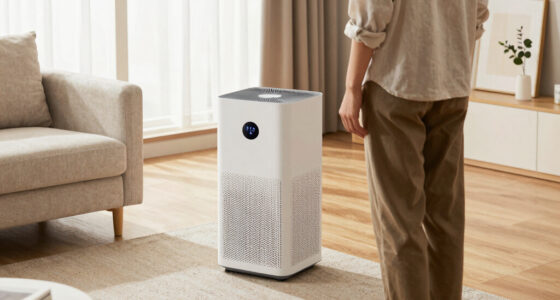
bedroom air purifier with CO2 sensor
As an affiliate, we earn on qualifying purchases.
As an affiliate, we earn on qualifying purchases.
How CO₂ Levels Signal Poor Ventilation (And Why It Matters)
Carbon dioxide is a clear indicator of ventilation quality. Indoor CO₂ typically hovers just above outdoor levels, around 400 ppm. But in a closed bedroom with multiple people sleeping, it can climb over 1,000 ppm by morning.
High CO₂ isn’t dangerous in itself—it’s a sign your room isn’t exchanging enough indoor air. Elevated levels can impair cognitive functions, cause drowsiness, and even contribute to headaches. This is because CO₂ at high concentrations can affect blood pH and oxygen delivery, subtly impacting alertness and mood.
For example, a couple sharing a small apartment bedroom can push CO₂ well above 1,200 ppm overnight, especially if ventilation is weak or windows stay shut. This accumulation not only makes the air feel stale but also signals a need to improve airflow. Proper ventilation reduces CO₂ levels, which in turn enhances sleep quality, alertness, and overall well-being by ensuring your brain and body get enough fresh air during rest.
mechanical ventilation fan for bedroom
As an affiliate, we earn on qualifying purchases.
As an affiliate, we earn on qualifying purchases.
Odors and Humidity: Why They Make Your Room Feel Worse
Odors from skin, breath, pets, laundry, and cleaning products can make a room smell stale, even if CO₂ levels seem okay. These volatile organic compounds (VOCs) linger in the air, giving that heavy, “off” smell that’s hard to pin down. Persistent odors can also indicate inadequate removal of these compounds, which can irritate your respiratory system and cause headaches or allergies.
Humidity plays a big role too. Warm, moist air from breathing and perspiration raises humidity, which can make the room feel sticky and uncomfortable. When humidity exceeds 60%, mold and dust mites thrive, adding to the stuffy feeling and potentially worsening allergy symptoms or respiratory issues.
Picture waking up in a humid, warm room where your skin feels clammy and your pillow smells faintly musty. This sensation is a direct reflection of moisture buildup, which can promote microbial growth and VOC retention, compounding the stale atmosphere. Managing odors and humidity not only improves comfort but also reduces health risks associated with mold and dust mites.
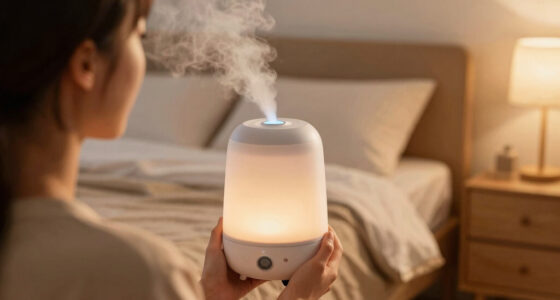
humidity control dehumidifier for bedroom
As an affiliate, we earn on qualifying purchases.
As an affiliate, we earn on qualifying purchases.
Why Ventilation and Filtration Are Your Best Allies
Ventilation moves indoor air outside and pulls in fresh outdoor air, reducing CO₂ and odors. Filtration, on the other hand, captures dust, pollen, and pet dander but doesn’t lower CO₂ levels.
For example, opening a window for 10 minutes can significantly cut CO₂ and odors if outdoor air is clean. Mechanical systems like exhaust fans or HVAC vents can help if they’re working properly.
While HEPA purifiers excel at removing particles, they don’t lower CO₂. So, combining fresh air exchange with filtration gives you the best shot at a breath of fresh air every night. Properly balancing these methods ensures you minimize pollutants without compromising comfort from drafts or temperature swings, creating an environment conducive to restful sleep.
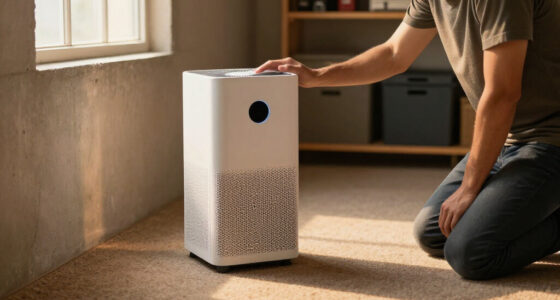
air quality monitor for indoor air
As an affiliate, we earn on qualifying purchases.
As an affiliate, we earn on qualifying purchases.
How Room Size, Occupants, and Pets Change the Air Quality
Smaller rooms, more people, and pets all speed up the buildup of CO₂, odors, and moisture. Think of a tiny guest bedroom with two people and a dog—by morning, it’s likely to feel and smell stuffy.
Large rooms with open windows or strong ventilation tend to stay fresher. But in tiny, airtight spaces, even one person can cause noticeable changes in a few hours. This can lead to discomfort, poor sleep, and increased allergen exposure, especially if ventilation isn’t adequate.
For instance, a student’s dorm room with a small bed and a pet cat often feels more crowded and stale than a spacious master bedroom with good airflow. Recognizing these factors helps you adapt your ventilation strategies, such as using fans or air purifiers, to maintain a healthier environment regardless of room size or occupancy.
The Special Role of Combustion Pollutants and How to Protect Yourself
Combustion pollutants like carbon monoxide are odorless and dangerous. They come from faulty furnaces, gas appliances, or cars in the garage. Unlike CO₂, CO is toxic at high levels and can cause serious health issues or death. Chronic low-level exposure can also lead to fatigue and cognitive decline over time.
For example, a family with a gas heater that isn’t maintained properly risks CO buildup, especially if they sleep with windows closed during cold weather. Installing a working CO alarm is essential in such homes. Regular maintenance of appliances and ensuring proper ventilation during use are critical to prevent dangerous accumulations.
Remember, candles, incense, and smoking also introduce pollutants. These can add to indoor pollution levels and pose health risks, especially when ventilation is inadequate. Proper ventilation, maintenance, and avoiding unvented combustion sources in bedrooms are vital for safety and air quality.
Simple Steps to Freshen Your Bedroom Air Tonight
- 1. Open a window or door for 10-15 minutes, especially in the early morning or evening. Even brief cross-ventilation helps clear out CO₂ and odors, but be mindful of outdoor air quality to avoid introducing pollutants. 2. Turn on your HVAC or exhaust fan to keep air moving during sleep, which helps dilute indoor pollutants and maintain a fresh environment. 3. Check that vents are open and unobstructed, ensuring proper airflow and preventing stagnation. 4. Use a HEPA purifier for dust, pollen, or pet dander, but don’t rely on it for CO₂ removal. Combine with ventilation for best results. 5. Keep humidity around 40-50% with a hygrometer and adjust with dehumidifiers or humidifiers, as appropriate. Proper humidity levels prevent mold growth and reduce dust mites, contributing to a fresher feeling. 6. Wash bedding weekly and reduce scented products that add VOCs, which can linger and worsen stale odors. 7. Avoid candles, incense, or unvented gas appliances in the bedroom, as they contribute to indoor pollutants and odors. 8. When outdoor air quality is poor (like during wildfire smoke), rely on filtered ventilation instead of opening windows to protect your respiratory health. 9. Ventilate briefly if windows stay closed overnight, especially if you notice stuffiness or odors upon waking. 10. Consider a small indoor air sensor to track CO₂ and humidity levels over time, helping you identify patterns and optimize your environment.
New Tech and Trends Making Bedroom Air Better
Affordable indoor-air sensors now let you monitor CO₂, humidity, and particulate matter easily. These tools can help you see how your ventilation efforts impact air quality overnight.
Demand-controlled ventilation systems are becoming more common, adjusting airflow based on CO₂ or occupancy. During wildfire seasons, high-efficiency filters and sealed windows help keep outdoor pollutants out while maintaining fresh air inside.
Some recent research suggests that good bedroom ventilation can improve sleep quality and alertness, though the science is still evolving. Still, the trend is clear: better, measurable airflow makes a difference.
Clear Up Myths About Bedroom Air Quality
Many believe that a room feels stale because oxygen is running out. Not true—odors, heat, and CO₂ buildup happen long before oxygen becomes a concern.
HEPA filters do not remove CO₂; they trap particles. A common myth is that air conditioners bring in fresh air—most recirculate indoor air instead.
Plants won’t significantly lower CO₂ levels in a typical bedroom, despite their pleasant appearance. While they can slightly improve air quality, their impact on CO₂ levels in a confined space is minimal and not a reliable solution for ventilation issues. And a CO₂ reading above 1,000 ppm isn’t immediately dangerous, but it signals poor ventilation that needs fixing.
Knowing what’s real and what’s just a myth helps you take effective action to breathe better.
Frequently Asked Questions
Why does my bedroom smell stale only in the morning?
Overnight, pollutants, moisture, and odors accumulate in a closed room. You notice the smell more in the morning because you’re coming back into a space that’s been sealed for hours, with no fresh air coming in.Is sleeping with the door closed unhealthy?
Not automatically, but a closed door can limit airflow, especially in small or airtight rooms. Good ventilation depends on your room’s design and whether air exchange is happening effectively.Should I sleep with a window open?
If outdoor air quality is good, opening a window can refresh stale air and lower CO₂ levels. However, during wildfire smoke, heavy pollution, or extreme weather, keeping windows closed and using filtered ventilation is safer.What is a good bedroom CO₂ level?
Many aim for below 1,000 ppm as a practical target. Lower levels suggest better ventilation, but the key is watching for sustained high readings overnight, which signal your room needs more fresh air.Can high bedroom CO₂ cause headaches?
Poor ventilation raising CO₂ can contribute to sleepiness and dull headaches, but symptoms often stem from multiple factors. If headaches persist, check for other issues like dehydration or illness.Conclusion
Fresh air in your bedroom isn’t just about smell—it’s about reducing CO₂, controlling humidity, and ensuring good airflow. Small adjustments, like opening a window or running a fan, can transform your sleep environment overnight.
Think of your bedroom as a breathing organism—keep it active and well-ventilated, and it will reward you with better sleep and a more refreshing start each day.
Fall Picks
fall essentials
As an affiliate, we earn on qualifying purchases.