
TL;DR

Get cleaning gear delivered free — and shop member deals
- Fast, free delivery on millions of items
- Access to Prime Big Deal Days deals on October 6–7
- Prime Video, Amazon Music and more included
Hidden mold often lurks behind walls, under carpets, or inside vents, showing few visible signs. Using moisture meters, thermal imaging, and professional testing helps detect it early, keeping your home safe.
Imagine breathing in air that’s silently contaminated. Hidden mold isn’t just a visual problem — it’s a health risk lurking where you least expect. If you suspect mold but see no visible signs, don’t worry. You can uncover these invisible invaders with simple, practical methods.
This guide walks you through how to find hidden mold, using your senses, affordable tools, and when to call in professionals. Because understanding mold growth and spotting it early can save your health and your home.
Regularly inspect for water stains, odors, and discoloration, especially after leaks or floods.
Use affordable tools like moisture meters and infrared cameras to identify hidden moisture.
Keep humidity below 60% and fix leaks promptly to prevent mold from taking hold.
Professional inspections are essential for extensive or toxic mold, especially if DIY tests are inconclusive.
Technology like smart sensors can provide ongoing alerts, catching mold issues early.
Spotting the Signs: How to Know if Hidden Mold Is Hiding
The first step is recognizing the clues. You might notice a persistent musty smell that doesn’t go away, even after cleaning. Allergic reactions like sneezing, itchy eyes, or asthma flare-ups can also signal mold inside walls or hidden corners.
Look for water stains, discoloration, or peeling paint on ceilings and walls. Hidden mold often develops behind wallpaper or under floors, where water damage is easy to overlook. If you’ve had leaks, floods, or high humidity, these are your red flags.
Understanding why these signs matter is crucial. A persistent odor or allergy symptoms indicate mold spores are becoming airborne, which can trigger health issues. Water stains and peeling paint show ongoing moisture problems that create ideal conditions for mold to thrive. Recognizing these early clues allows you to address the problem before it spreads and causes more extensive damage or health risks.
For example, a homeowner found a faint dark stain behind a bedroom wall after noticing a lingering musty odor and increased allergy symptoms. An inspection revealed mold inside the wall cavity.
moisture meter for home inspection
As an affiliate, we earn on qualifying purchases.
As an affiliate, we earn on qualifying purchases.
Tools to Detect Hidden Mold — What Really Works
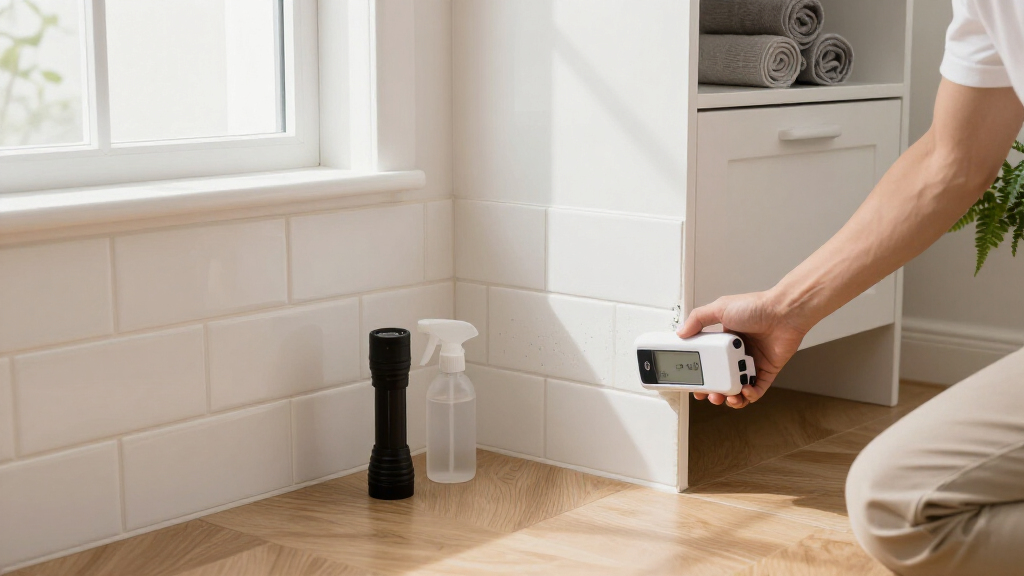
Detecting hidden mold involves more than a quick visual scan. The right tools can reveal moisture and mold growth that aren’t visible to the naked eye, providing a deeper understanding of the problem. For instance, moisture meters can help identify areas where water has penetrated but isn’t yet visible, indicating potential mold hotspots. Infrared cameras can detect temperature differences caused by moisture behind walls, which often points to hidden water intrusion and mold development. Air quality testing kits analyze airborne spores, giving insight into whether mold is actively releasing spores into your environment. Surface sampling helps identify specific mold species, especially useful if you suspect particular areas are contaminated.
Using these tools effectively can prevent small issues from escalating into costly repairs or health hazards. For example, a family used an infrared camera to scan their basement after a minor flood. They caught a cold spot behind a bookshelf, which led to early mold remediation before it spread extensively. Each tool provides a different layer of insight—moisture meters reveal hidden water, infrared imaging highlights damp areas, and air testing confirms active mold presence—allowing for targeted, informed action.
Understanding the strengths and limitations of each tool enables homeowners to make better decisions. Moisture meters are great for pinpointing water intrusion, but they don’t identify mold directly. Infrared cameras are non-invasive and fast but require interpretation. Air testing is comprehensive but may require lab analysis, which takes time. Combining these tools offers a comprehensive approach, making detection more accurate and less guesswork.
As an affiliate, we earn on qualifying purchases.
How Modern Tech Makes Finding Mold Easier Than Ever
Recent advances make spotting mold less guesswork and more precise. Thermal imaging can now detect moisture behind walls with high accuracy, often before visible signs appear. Portable testing kits let homeowners do preliminary checks without hiring a pro, though results should be confirmed by professionals for certainty. For example, a homeowner with persistent allergy symptoms used a thermal camera to scan their walls and discovered cold spots behind the drywall, indicating hidden moisture and mold risk. This early detection allowed them to address the problem before it became a health hazard.
Labs now use DNA-based testing to identify mold species from samples, which informs targeted cleanup efforts. This technology helps differentiate between harmless mold and toxic strains, guiding safer and more effective remediation. Additionally, smart home sensors continuously monitor humidity and moisture levels, providing real-time alerts that can prevent mold from establishing in the first place. For instance, a smart humidity monitor in a basement alerted the homeowner when levels rose above safe thresholds, prompting immediate action to prevent mold growth. These technological advancements empower homeowners with tools that are faster, more accurate, and accessible, reducing the guesswork involved in mold detection and making preventive care more feasible.
As an affiliate, we earn on qualifying purchases.
Frequently Asked Questions
How can I tell if I have hidden mold in my home?
Persistent musty odors, unexplained allergy symptoms, water stains, or visible discoloration are good clues. Use inspection tools or hire a professional to confirm.Are there safe DIY methods to detect hidden mold?
Yes, moisture meters, infrared cameras, and mold test kits can help. However, for comprehensive detection or large infestations, professional assessment is recommended.What steps should I take if I find hidden mold?
Identify and eliminate moisture sources, clean small areas with safe cleaning agents, and hire professionals for extensive or toxic mold issues.Can I remove mold myself?
Small surface mold can often be cleaned safely with household cleaners. For hidden or large mold colonies, professional removal ensures safety and thoroughness.How can I prevent mold growth in my home?
Control humidity, fix leaks immediately, and ensure good ventilation. Installing sensors can also alert you to moisture buildup before mold starts.As an affiliate, we earn on qualifying purchases.
Conclusion
Finding hidden mold isn’t about guesswork — it’s about using the right tools and paying attention to what your home tells you. When you catch mold early, you protect your family’s health and save money on costly repairs.
Think of your home’s hidden mold as a silent threat. Arm yourself with moisture meters, infrared scans, and professional help when needed. Your home’s air quality depends on it — and so does your peace of mind.
Fall Picks
fall essentials
As an affiliate, we earn on qualifying purchases.