TL;DR
Open a free Amazon Business account
Business pricing, bulk buying and tax-exempt orders.
Create a free accountAs an affiliate, we earn on qualifying purchases.
Indoor air quality can be 2-5 times more polluted than outside air. Regular testing, source control, and proper ventilation significantly improve health and comfort indoors.
Indoor air quality (IAQ) might not be on your daily radar, but it impacts your health more than you realize. Think about the last time you felt sluggish, had a headache, or sneezed nonstop at home. Chances are, the air you breathe plays a big role.
Recent tech breakthroughs and research have shed light on what’s really in our homes—and how to clear it out. This guide cuts through the hype to show you what matters, what doesn’t, and how simple steps can make a big difference.
Regular testing for radon and other pollutants can prevent long-term health issues.
Ventilation and air purifiers with HEPA filters dramatically reduce indoor pollutants.
Source control—like choosing low-VOC products—improves IAQ from the start.
Modern tech like smart sensors helps you monitor indoor air quality in real time.
Controlling humidity is vital to prevent mold and biological contaminants.
Where indoor pollutants come from—and why they matter
Indoor pollutants sneak into your home from many sources, both inside and outside. Cooking fumes from frying bacon or simmering soup release tiny particles and VOCs that can irritate your lungs. Household cleaning chemicals and paints emit gases that linger in the air.
On the outside, vehicle exhaust and pollen drift through open windows or ventilation systems, bringing contaminants indoors. Plus, biological agents like mold spores and pet dander float around, especially in damp spots.
For example, a family in a suburban home noticed their kids’ allergies worsened after installing new carpet. The carpet’s fibers trapped dust mites and VOCs from the glue, creating a toxic stew indoors.

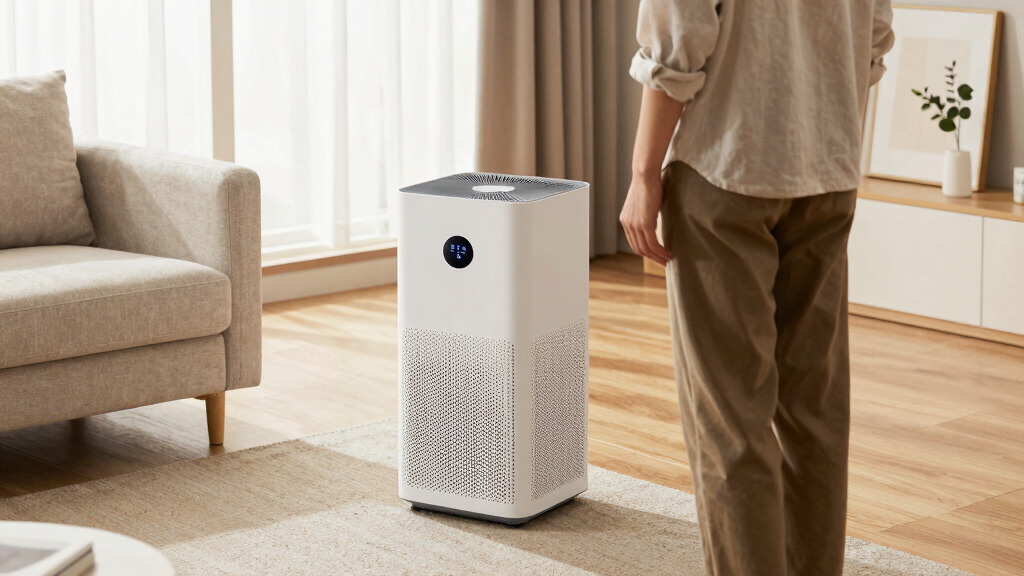
MOOKA Air Purifier for Home Bedroom Large Room 2200 Ft², True HEPA Filter
- Enhanced Air Intake for Pet Lovers: Larger front and side air inlets for pet hair removal
- Large Coverage Area: Cleans up to 2200 sq ft per hour
- Smart PM2.5 Air Quality Display: Real-time air quality monitoring with digital display
As an affiliate, we earn on qualifying purchases.
As an affiliate, we earn on qualifying purchases.
What pollutants are lurking in your home?
Indoor air can contain many harmful substances, including particulate matter like PM2.5—tiny enough to penetrate deep into lungs. These particles often originate from everyday activities such as cooking, smoking, or dust accumulation, and their presence can silently impair respiratory function and increase cardiovascular risks over time. VOCs emitted from paints, cleaning products, and furniture are volatile chemicals that can cause immediate symptoms like headaches or dizziness, but prolonged exposure may lead to serious health issues such as liver or kidney damage. Carbon monoxide, produced by gas appliances, is a deadly silent threat that can cause sudden illness or death if it accumulates without detection. Radon gas, seeping from the ground into basements, is invisible but significantly raises lung cancer risk if not tested and mitigated. Mold spores thrive in humid environments like bathrooms or basements, releasing allergens that can worsen asthma and other respiratory conditions. Formaldehyde, present in many pressed-wood products, can irritate the eyes and throat and has been linked to cancer. Recognizing these pollutants is crucial because each one poses unique health risks—some accumulating gradually, others causing immediate harm. For instance, many homeowners unknowingly increase indoor chemical levels during winter months when windows stay closed, leading to headaches and respiratory discomfort, highlighting the importance of understanding and managing indoor chemical sources.
As an affiliate, we earn on qualifying purchases.
How indoor air quality impacts your health — and what the numbers say
Indoor pollutants can have a profound impact on your health, ranging from mild discomforts like sneezing and fatigue to serious, long-term illnesses. Short-term effects include headaches, allergy flare-ups, and respiratory irritation, which can diminish daily quality of life. Over extended periods, exposure to high levels of radon increases lung cancer risk substantially, making radon testing a vital preventive measure—since radon is the second-leading cause of lung cancer after smoking. Similarly, mold spores can trigger asthma attacks and worsen allergies, especially in vulnerable individuals, leading to chronic respiratory issues if left unchecked. Particulate matter like PM2.5 can penetrate deep into the lungs and bloodstream, causing inflammation and contributing to cardiovascular disease. Data from the EPA indicates that indoor air can be 2-5 times more polluted than outdoor air, particularly in poorly ventilated spaces, which can silently elevate health risks over years. For example, a basement with high radon levels might seem safe but could be a silent health hazard without proper testing and mitigation. Regular testing and understanding these risks enable homeowners to take proactive steps, preventing long-term health consequences and potentially saving lives. Ignoring indoor air quality isn’t just neglecting comfort; it’s risking your health in ways that accumulate over time, often silently.
As an affiliate, we earn on qualifying purchases.
The latest tech making indoor air safer
Smart sensors now provide real-time updates on your home’s air quality, alerting you instantly to pollutants such as VOCs, particulate levels, and humidity. These devices allow you to respond quickly, reducing exposure before health issues develop. High-tech air purifiers equipped with HEPA filters and activated carbon can trap 99.97% of particles ≥0.3 microns and absorb gases and odors, significantly improving indoor air quality. These purifiers are especially effective in bedrooms and common living areas, where people spend most of their time. Additionally, building standards are evolving to prioritize ventilation; many new homes incorporate mechanical heat recovery ventilation systems that exchange stale indoor air for fresh outside air without losing heat, balancing energy efficiency with air quality. During recent health crises, many families added portable UV-C sterilizers to their existing air purifiers, targeting viruses and bacteria—adding a layer of safety and peace of mind. These technological advances are making indoor air safer and healthier, reducing risks associated with biological and chemical contaminants, and giving homeowners tools to maintain better IAQ with minimal effort.
As an affiliate, we earn on qualifying purchases.
What you can do today to breathe better indoors
Here’s a simple plan to boost your indoor air quality:
- Test your home for radon and other pollutants. Use certified kits or hire professionals. Regular testing helps identify hidden dangers like radon, which can accumulate silently and pose serious health risks. Early detection allows for effective mitigation, such as installing radon fans or sealing cracks, preventing long-term exposure.
- Ventilate regularly. Open windows when weather permits, or run exhaust fans in kitchens and bathrooms. Proper ventilation dilutes indoor pollutants, reducing their concentration and preventing buildup of harmful gases and biological agents.
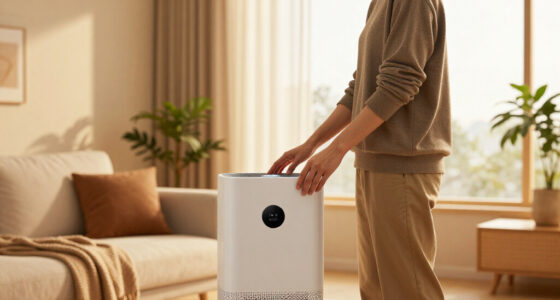
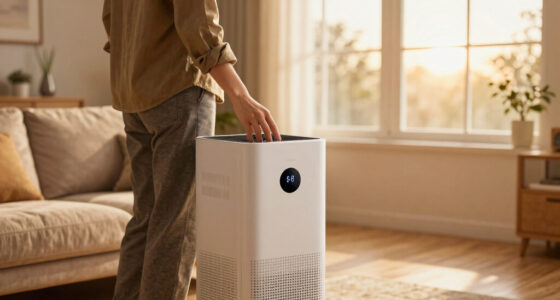
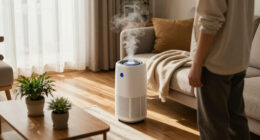
- Use air purifiers with HEPA filters. Place them in bedrooms and common areas. These devices trap airborne particles and allergens, improving sleep quality and reducing respiratory irritation, especially in homes with pets or smokers.
- Reduce pollution sources. Switch to natural cleaning products, avoid smoking indoors, and choose low-VOC paints and furniture. Minimizing chemical emissions at the source prevents indoor pollution from escalating, creating a healthier environment from the start.
- Control humidity. Keep it below 60% to prevent mold growth, using dehumidifiers if needed. Proper humidity levels inhibit biological contaminants and preserve indoor air quality, especially in damp areas.
Comparison: How do air purifiers stack up?
| Feature | HEPA Filters | Activated Carbon |
|---|---|---|
| Best for | Particulate matter and allergens | VOCs and odors |
| Effectiveness | 99.97% of particles ≥0.3 microns | Absorbs gases and chemicals |
| Limitations | Doesn’t remove gases or odors | Needs replacement over time |
Conclusion
Indoor air quality isn’t a mystery—it’s something you can manage with simple, consistent actions. Regular testing, good ventilation, and careful source choices make a real difference.
Imagine breathing fresh, clean air every day—no more sneezing or headaches. Your home can be a sanctuary of pure, healthy air, if you decide to make it so.
Grilling season Picks
grills
As an affiliate, we earn on qualifying purchases.