TL;DR

Get cleaning gear delivered free — and shop member deals
- Fast, free delivery on millions of items
- Access to Prime Big Deal Days deals on October 6–7
- Prime Video, Amazon Music and more included
Houseplants do not meaningfully purify indoor air in typical homes. Despite laboratory results, real-world impact is minimal. Focus on ventilation and filtration for cleaner air.
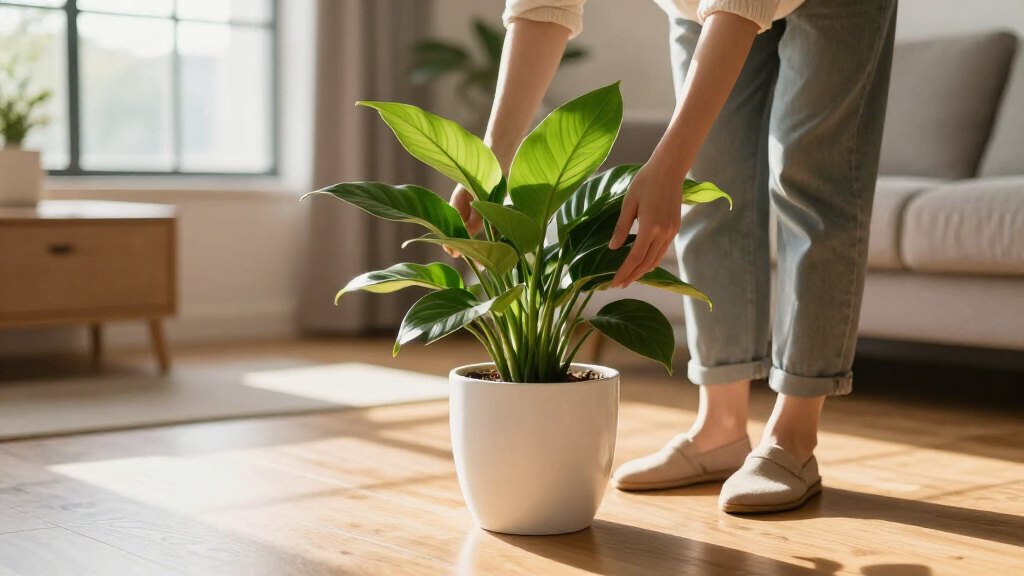
It’s tempting to think that a lush, green fern or a sleek snake plant can clear out all the yucky stuff floating in your living room. But here’s the truth—most houseplants don’t do much to improve indoor air quality. They might add a nice touch of nature, but relying on them for cleaner air is like hoping a paper umbrella will stop a downpour.
In this guide, you’ll learn what houseplants can and cannot do for your air. We’ll explore the science behind their reputation, bust some myths, and point you toward real solutions for healthier indoor spaces. Because when it comes to truly fresh air, plants are only part of the story.
Passive houseplants remove pollutants very slowly and are not effective for meaningful air cleaning in typical homes.
Laboratory studies often overstate plants’ capabilities; real-world impact is minimal without engineered systems.
Focus on controlling pollution sources, proper ventilation, and using certified air filters for healthier indoor air.
Active green walls and microbial enhancements show promise but are not practical for most households yet.
Enjoy houseplants for their beauty and psychological benefits, but don’t depend on them for clean air.
Do houseplants really clean the air? Here’s what science says.
Many believe houseplants can soak up pollutants like VOCs and dust. That idea stems from a 1989 NASA study showing certain plants could remove chemicals in sealed chambers. But those tests used tiny, airtight spaces—far different from your home’s open, ventilated rooms. In real life, pollutants are constantly renewed by cooking, cleaning, and outdoor air.
Research from Outright Cleaning shows that the amount of air a typical plant can clean is tiny—often less than what’s removed just by opening a window. To truly cut down on chemicals, you’d need dozens or even hundreds of plants. That’s not practical for most homes.
This discrepancy matters because it highlights a crucial point: laboratory results are often conducted under ideal, controlled conditions that don’t reflect everyday life. In your home, air exchange rates, ongoing pollutant sources, and the size of the space dilute the impact of houseplants. This means that while they may have some chemical absorption capacity in theory, the actual benefit in a typical living environment is negligible. Recognizing this helps set realistic expectations and encourages focusing on more effective air quality strategies.
As an affiliate, we earn on qualifying purchases.
What plants actually do — and what they don’t
| Claim | Reality |
|---|---|
| Plants remove VOCs | They can, but very slowly. Under normal conditions, it’s not enough to matter. |
| Plants clean dust and smoke | Leaves may trap some particles, but they’re no substitute for filters or good ventilation. |
| Plants reduce carbon dioxide | They consume CO₂ when photosynthesizing, but the tiny effect is drowned out by ventilation and human activity. |
| Plants produce lots of oxygen | They do in light, but the net change indoors is negligible. |
| Plants prevent mold | No. Overwatering and damp soil actually promote mold growth. |
This breakdown shows that many claims are either exaggerated or misunderstood. For example, while plants do absorb VOCs and produce oxygen, the rate at which they do so is extremely slow compared to the continuous influx of pollutants and the need for rapid air exchange. This means that relying solely on plants for chemical removal or oxygen production provides a false sense of security. Instead, understanding these limitations helps you prioritize the most effective measures—like ventilation and filtration—that deliver tangible improvements in air quality. Recognizing what plants can and cannot do prevents misplaced efforts and encourages smarter, science-backed choices for healthier indoor environments.
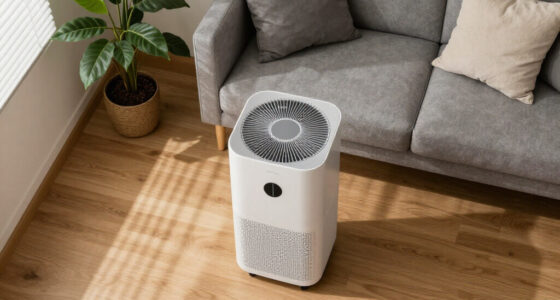
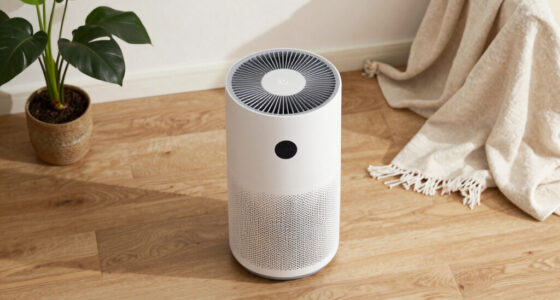
air filtration system for indoor air quality
As an affiliate, we earn on qualifying purchases.
As an affiliate, we earn on qualifying purchases.
Why the lab results don’t tell the whole story
Laboratory tests often use sealed chambers with high concentrations of pollutants. This setup makes it easier to see small chemical changes over hours or days. But your home isn’t sealed or controlled like that. It’s constantly exchanging air, and pollutants are coming from cooking, cleaning, and outdoor sources.
Plus, the microbes in soil and media sometimes do the heavy lifting of breaking down chemicals—more than the leaves themselves. So, the real-world impact of houseplants on air quality is usually tiny. Think of plants as decoration, not as air cleaning warriors.
This distinction is important because it shows that the conditions under which lab studies are conducted are highly artificial. In real homes, the continuous flow of fresh air and ongoing pollution sources mean that the chemical absorption capacity of plants is overwhelmed and rendered insignificant. This understanding underscores the importance of focusing on proven, scalable strategies—like improving ventilation and using certified air filters—rather than overestimating the impact of houseplants. Recognizing the gap between lab results and everyday reality helps you make smarter choices for maintaining healthy indoor air.
As an affiliate, we earn on qualifying purchases.
Can green walls and microbial magic boost air quality?
Active systems like green walls with fans are a different story. They force air through roots and media, speeding up the cleanup process. These biofiltration setups can remove pollutants faster, but they’re more like engineered air-cleaning systems than simple houseplants.
Research highlights that microbial communities around roots play a key role in breaking down VOCs. Manipulating these microbes or using engineered plants is promising but still experimental. For now, these solutions are better suited for commercial spaces than your living room.
Understanding how these systems work reveals that they combine biological processes with mechanical support to achieve better air cleaning. The microbes actively degrade pollutants, and the forced air movement enhances contact time. However, the complexity and cost of such systems mean they’re not practical for most homes yet. This emphasizes that while biofiltration is promising, it’s an advanced approach that requires careful design and maintenance, unlike simple houseplants. Recognizing these distinctions guides you toward realistic expectations and investment decisions regarding air quality improvements.
As an affiliate, we earn on qualifying purchases.
What are the real world alternatives for cleaner air?
If you want fresh, healthy indoor air, plants aren’t enough. Instead, focus on:
- Controlling sources: Avoid smoking indoors, pick low-emission furniture, and store solvents properly.
- Ventilation: Use exhaust fans and open windows when outdoor air quality is good.
- Filtration: Invest in a good air purifier with a high-quality particle filter—this is your best bet for removing dust, pollen, and smoke.
- Managing humidity: Keep moisture levels around 40% to prevent mold and dust mites.
These methods work far better than a handful of houseplants. Implementing these strategies creates a more immediate and measurable improvement in indoor air quality, reducing health risks associated with pollutants and allergens. While plants can contribute to a pleasant environment, they should be viewed as supplementary rather than primary solutions. Prioritizing proven methods ensures that your efforts translate into healthier, more breathable indoor spaces.
Avoid common misconceptions about houseplants and air cleaning
Many assume that more plants will mean cleaner air. Not true. Overcrowding can even backfire by trapping moisture and encouraging mold. Also, don’t rely on plants to absorb cigarette smoke or wildfire pollutants—these require specialized filters and source control.
Remember, plants are for beauty and mood, not major pollution control. Focus on practical measures that have been proven to work.
Overestimating the role of houseplants can lead to complacency, where you neglect more effective strategies like proper ventilation and filtration. While plants enhance aesthetic and psychological well-being, they do not substitute for these proven methods. Recognizing this helps you allocate your efforts wisely and maintain healthier indoor environments.
Frequently Asked Questions
Can houseplants really purify the air?
Most houseplants do not clean the air significantly in real homes. Laboratory studies show potential, but practical impact is tiny without specialized systems.How many plants do I need for meaningful air cleaning?
You’d need many dozens or even hundreds of plants to make a real difference—impractical for most homes. Focus on ventilation and filters instead.Do snake plants help at night?
Snake plants can absorb CO₂ at night due to their CAM metabolism, but their effect on oxygen levels in a bedroom is negligible compared to ventilation.Are plants good for removing cigarette smoke?
Not really. Cigarette smoke has tiny particles and gases that require specialized filters. Source control and air filtration are more effective.Will plants get moldy or cause allergies?
Healthy plants don’t automatically cause mold or allergies. Overwatering and poor airflow are bigger issues. Choose non-flowering, low-pollen plants if sensitive.Conclusion
While houseplants add a splash of green and a touch of calm, they shouldn’t be your main strategy for cleaner air. Think of them as decoration, not the air scrubbers they’re sometimes made out to be. Instead, prioritize ventilation, source control, and high-quality filters to truly breathe easier.
Imagine opening a window on a breezy spring day—more effective than dozens of potted plants. Your best move? Use plants for pleasure, and handle pollution with proven methods. Your lungs will thank you.
Halloween Picks
halloween
As an affiliate, we earn on qualifying purchases.