
TL;DR

Get cleaning gear delivered free — and shop member deals
- Fast, free delivery on millions of items
- Access to Prime Big Deal Days deals on October 6–7
- Prime Video, Amazon Music and more included
Improving basement air quality hinges on reducing moisture, testing for radon, and ventilating properly. Filters and source control are essential, but fixing leaks and testing hazards come first.
Your basement’s air can sneak up into the rest of your home, dragging in dampness, odors, and invisible hazards. Without attention, it becomes a hidden source of allergens and pollutants. But with simple steps, you can turn your basement into a clean, safe space that boosts your entire home’s air quality.
Knowing what to focus on — moisture, radon, ventilation, and pollutants — makes a big difference. This guide walks through practical actions, real-world tips, and what to avoid so your basement stops working against your health and comfort.
Start by measuring humidity and radon levels before making changes.
Fix leaks, seal cracks, and control moisture to prevent mold and poor air quality.
Use targeted ventilation like exhaust fans and mechanical systems to avoid bringing in excess humidity.
Choose the right air filters and keep them maintained to reduce airborne particles.
Store chemicals outside the living space and opt for low-emission materials during renovations.
Practical indoor air guide
How to Improve Air Quality in a Basement
Basement air can rise through stairs, ducts, plumbing openings, and gaps—carrying dampness, odors, allergens, and invisible hazards into the rest of the home. Start with measurement and source control, then add ventilation and filtration.
Target humidity
Track relative humidity with a digital hygrometer.
Mold threshold
Staying below this level is especially important for prevention.
Radon action
Corrective action level in pCi/L under U.S. EPA guidance.
First move
Measure humidity, radon, and combustion safety before upgrading.
01 / Action plan
Six controls that work together
Air cleaners can reduce particles, but they cannot repair a leak, remove radon, or make a faulty furnace safe. Build the solution in the right order.
Measure
Check the baseline
Place a hygrometer downstairs, test the lowest occupiable level for radon, and confirm that working carbon-monoxide alarms are installed.
Moisture
Stop water entry
Repair plumbing and foundation leaks, clean gutters, extend downspouts, and slope soil away from the foundation.
Dry
Control humidity
Use a properly sized dehumidifier with continuous drainage. Insulate cold pipes and correct condensation on walls, ducts, and windows.
Ventilate
Move air deliberately
Exhaust bathrooms, laundry areas, and workshops outdoors. Consider an HRV or ERV, and avoid open windows during humid or rainy weather.
Filter
Capture particles
Use a portable HEPA cleaner or a compatible upgraded HVAC filter. Size equipment for the room and replace filters on schedule.
Remove
Control pollutants
Store fuels, solvents, pesticides, and strong chemicals outside living areas. Choose low-emission finishes when renovating.
02 / Moisture control
Make humidity visible
Dampness supports mold, dust mites, odors, and material damage. A dehumidifier helps manage water vapor, but only after active leaks and seepage are addressed.
Real-world reduction example
From musty to controlled in 24 hours
A 50-pint dehumidifier plus sealed gaps reduced humidity by 20 percentage points. The musty odor disappeared and conditions for mold growth became less favorable.
Relative humidity guide
03 / Invisible hazards
Test what you cannot sense
Radon and carbon monoxide are odorless and invisible. Mold may be hidden behind finishes. Each hazard needs a different detector and a different response.
Soil gas
Radon
Test the lowest regularly occupied level. Consider action between 2 and 4 pCi/L and take corrective action at 4 pCi/L or higher under U.S. EPA guidance.
Combustion
Carbon monoxide
Install alarms according to local codes and manufacturer instructions. Arrange regular inspections of fuel-burning appliances, vents, and chimneys.
Biological
Mold
Stop the moisture source and dry the area before cleaning. Remove contaminated porous material and seek professional help for large or hidden growth.
| Method | Moisture | Particles | Radon | CO | Odors and VOCs | Best role |
|---|---|---|---|---|---|---|
| Dehumidifier | ✓ | ~ | ✗ | ✗ | ✗ | Humidity control |
| HEPA air cleaner | ✗ | ✓ | ✗ | ✗ | ~ | Dust, pollen, and spores |
| HRV or ERV | ~ | ~ | ✗ | ✗ | ✓ | Controlled fresh-air exchange |
| Radon mitigation | ✗ | ✗ | ✓ | ✗ | ✗ | Soil-gas control |
| CO alarm | ✗ | ✗ | ✗ | ✓ | ✗ | Urgent hazard detection |
| Source removal | ✓ | ✓ | ~ | ~ | ✓ | First-line prevention |
✓ Primary benefit ~ Limited or indirect benefit ✗ Not designed for this hazard
04 / Traceability
Follow the clean-air chain
The sequence matters. Diagnose first, correct the source, dry the structure, exchange stale air, and capture whatever particles remain.
Measure
Humidity, radon, alarms, leaks, odors, and visible damage.
Stop
Leaks, seepage, soil gas, combustion faults, and chemical sources.
Dry
Keep relative humidity near 30–50% without over-drying.
Ventilate
Exhaust pollutants outdoors and balance mechanical airflow.
Filter
Capture remaining particles with maintained, correctly sized filters.
Urgent response
If a CO alarm sounds
Follow the alarm instructions, leave the building, and contact emergency services or the appropriate utility. A CO alarm is an urgent safety device—not a general air-quality monitor.
Professional support
Know when to call an expert
Use qualified help for elevated radon, large or hidden mold growth, sewage contamination, recurring water entry, backdrafting, or suspected combustion problems.
05 / Better decisions
Choose fixes, not disguises
A fresh scent is not proof of clean air. Favor durable building fixes, low-emission materials, direct exhaust, and equipment that addresses a measured problem.
Do this
Build healthier conditions
- Use hard, cleanable finishes in areas with recurring moisture.
- Choose low-emission paints, adhesives, flooring, and furnishings.
- Vent dryers, bathrooms, laundry areas, and workshops directly outdoors.
- Maintain dehumidifiers, HVAC filters, drains, alarms, and exhaust fans.
- Retest radon after foundation, renovation, or HVAC changes.
Avoid this
Do not mask the warning signs
- Do not open windows blindly during rain or high outdoor humidity.
- Do not paint over mold or treat fragrance as remediation.
- Do not depend on bleach to solve moisture-driven contamination.
- Do not store fuels, solvents, or pesticides in occupied basement areas.
- Never operate generators, grills, or unapproved fuel heaters indoors.
Moisture control and hazard testing come first. Once leaks, radon, combustion risks, and mold sources are addressed, careful ventilation and filtration can keep the basement—and the air moving upstairs—cleaner and safer.
Control moisture and humidity with simple fixes
Moisture is the biggest enemy of good air quality in a basement. It encourages mold, dust mites, and a musty smell that can seep upstairs and worsen allergies. Keeping relative humidity below 50% makes a huge difference.
For example, a homeowner noticed a persistent damp smell after rainy seasons. Installing a 50-pint dehumidifier and sealing gaps cut humidity from 65% to 45% in 24 hours. The musty odor vanished, and mold growth slowed.
Here’s how to do it:
- Use a digital hygrometer to track humidity levels.
- Fix leaks, repair foundation cracks, and clean gutters to prevent water entry.
- Extend downspouts and slope soil away from the foundation.
- Install a properly sized dehumidifier with continuous drainage.
- Insulate cold pipes and address condensation on surfaces.
- Skip carpet and absorbent materials in consistently damp areas.
Controlling moisture is fundamental because excess humidity creates the perfect environment for mold and dust mites, which are major indoor allergens. If you ignore moisture, other efforts like filtration or ventilation won’t be as effective, since mold spores and dust mites thrive in damp conditions. Conversely, over-drying the space can lead to discomfort or even cracking in building materials, so balancing humidity is key.
As an affiliate, we earn on qualifying purchases.
Test your basement for radon — it’s more common than you think
Radon is a naturally occurring radioactive gas that seeps in through soil cracks and drains. It’s odorless, invisible, and a leading cause of lung cancer among non-smokers.
For example, a family tested their basement during a remodel and found radon levels at 6 pCi/L—well above the EPA’s action level. Installing an active soil depressurization system dropped levels below 2 pCi/L, making their space safer.
Here’s what you need to do:
- Test with a long-term radon kit in the lowest regularly occupied space.
- Retest after major foundation or HVAC work.
- If levels are high, hire a professional to install a mitigation system.
Understanding radon levels is crucial because prolonged exposure to high radon increases lung cancer risk significantly. Radon doesn’t cause immediate symptoms, so testing is the only way to know if your basement poses a hazard. Mitigation systems, once installed, can reliably reduce radon levels, but choosing the right system depends on your foundation and soil conditions. Ignoring radon testing can mean unknowingly exposing your family to a serious health threat, so regular testing is a small investment with potentially life-saving benefits.
As an affiliate, we earn on qualifying purchases.
Prevent carbon monoxide risks without guesswork
Carbon monoxide (CO) enters your basement mainly from fuel-burning appliances, appliances, or attached garages. It’s deadly, odorless, and can build up quickly if systems malfunction.
For example, a homeowner noticed headaches and dizziness after their furnace ran for hours. A CO alarm sounded, saving them from potential poisoning. Regular inspections and alarms are lifesavers.
Here’s how to keep it safe:
- Install CO alarms on every floor, especially near the basement.
- Have appliances inspected annually by a licensed technician.
- Never run generators or grills indoors or in poorly ventilated spaces.
- Keep vents and chimneys clear of debris or blockages.
- Watch out for soot, odors, or symptoms like headaches and dizziness.
Understanding how carbon monoxide can silently accumulate is vital because it’s odorless and tasteless, making it impossible to detect without alarms. Malfunctioning appliances or blocked vents can cause dangerous buildup, especially in poorly ventilated basements. The tradeoff is between convenience and safety—regular inspections and alarms are a small effort with a huge payoff in preventing poisoning. Ignoring these precautions can have fatal consequences, so proactive safety measures are essential for peace of mind.
As an affiliate, we earn on qualifying purchases.
Tackle mold directly and safely
Visible mold or a persistent musty odor screams moisture problem. Mold on drywall, insulation, or carpets should be removed promptly to prevent health issues.
For instance, a family discovered black mold behind their drywall after a flood. Removing the moldy wall panel and fixing the leak stopped the spores from spreading upstairs.
Here’s how to handle it:
- Identify and fix water leaks or seepage first.
- Use protective gear and contain the area during cleaning.
- Clean moldy surfaces with soap and water; for porous materials, removal is best.
- Avoid bleach or air fresheners as they don’t fix the root cause.
- Consult professionals for large or hidden mold issues.
Addressing mold is critical because mold spores can trigger allergic reactions, asthma attacks, and other respiratory issues. Simply cleaning visible mold without fixing the moisture source is futile, as mold will return. Using improper cleaning agents like bleach may not kill all mold and can produce harmful fumes. Professional remediation might be necessary for extensive infestations or hidden mold behind walls. The key is to eliminate both the mold and the moisture source to ensure long-term health and safety.
ventilation exhaust fan for basement
As an affiliate, we earn on qualifying purchases.
As an affiliate, we earn on qualifying purchases.
Ventilate wisely — don’t just open windows blindly
Ventilation helps dilute pollutants, but in basements, it’s tricky. Opening windows during humid weather can make things worse by introducing moisture. Proper ventilation depends on climate, season, and your home’s design.
For example, a homeowner installed exhaust fans in their basement bathrooms and used an HRV system to bring in fresh air during winter. This reduced stale air and controlled humidity without letting in damp outdoor air.
To do it right:
- Use exhaust fans to vent air directly outside from pollutant sources.
- Consider mechanical ventilation like HRV or ERV systems for tight basements.
- Avoid opening windows during high humidity or rain.
- Ensure HVAC airflow is balanced and pressure is controlled.
Effective ventilation is more than just opening windows; it’s about managing airflow to prevent introducing additional moisture or pollutants. Poorly timed or uncontrolled ventilation can increase indoor humidity or bring in outdoor pollutants, negating its benefits. Mechanical systems like HRVs or ERVs, which exchange stale indoor air for fresh outdoor air while controlling humidity, are often the best long-term solution. The tradeoff is investing in equipment versus the ongoing effort of manual airing, but the improved air quality and energy efficiency are worth it.
Filter particles effectively with the right air cleaner
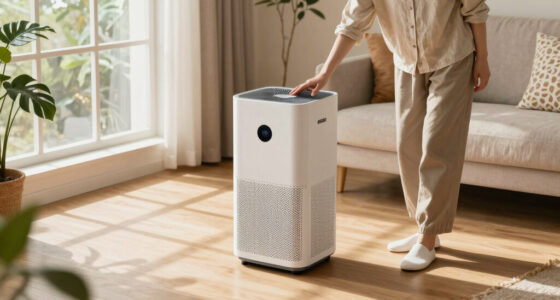
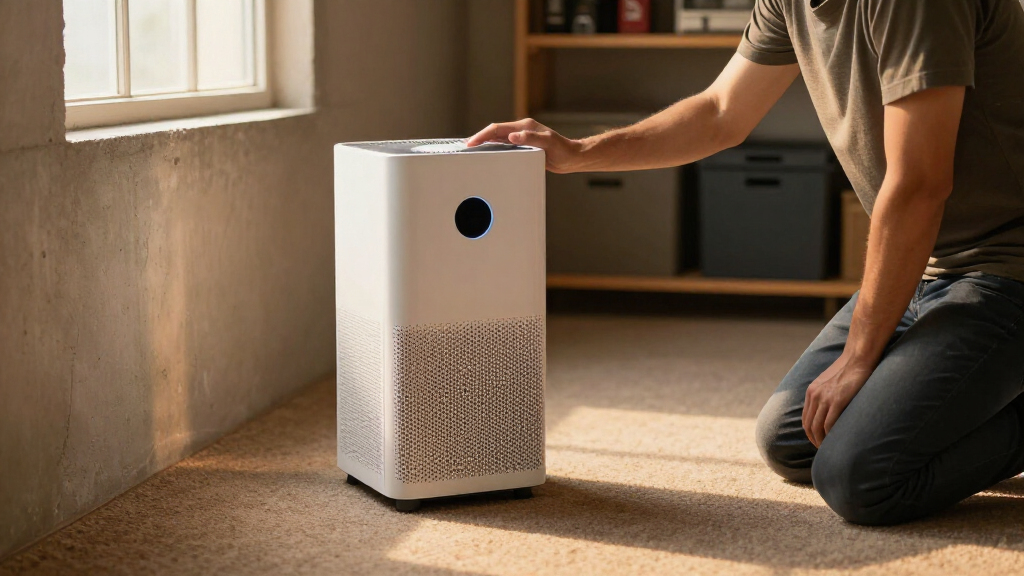
Portable HEPA air cleaners and upgraded HVAC filters can cut down on dust, pollen, and mold spores circulating in your basement. They’re useful but not a cure-all.
For instance, a homeowner placed a HEPA purifier in their finished basement and saw a noticeable drop in dust and allergy symptoms. But it didn’t fix the underlying moisture problem causing mold growth.
Here’s how to optimize filtration:
- Choose a portable unit with a HEPA filter rated for your room size.
- Run it continuously and change filters regularly.
- Upgrade your HVAC filters to the highest compatible MERV rating (13-16).
- Vacuum with a sealed, HEPA-filtered vacuum.
Filters are effective at removing airborne particles, which is important because airborne allergens and spores are primary triggers for respiratory issues. However, filters do not address gases, odors, or radon, which can linger despite good filtration. They also can’t eliminate mold growing on surfaces—source control and proper ventilation are necessary complements. Over-reliance on filters alone can give a false sense of security, so use them as part of a broader air quality strategy.
Cut down chemical odors and indoor pollutants
Basements often store paints, fuels, and cleaners that emit VOCs. These chemicals can linger, especially in poorly ventilated spaces. Proper storage and choosing low-emission products help keep indoor air cleaner.
For example, switching to low-VOC paints and sealing chemical containers tightly kept odors at bay and improved air quality for allergy-sensitive family members.
Tips include:
- Store chemicals outside the living area, preferably in a shed or garage.
- Dispose of old or leaking products responsibly.
- Choose low-VOC paints, flooring, and adhesives when renovating.
- Ventilate during and after work.
- Avoid fragranced air fresheners—they often cover odors rather than fix them.
Reducing chemical pollutants at their source is vital because VOCs and other chemicals can cause immediate irritation and long-term health issues. Many store-bought air fresheners and cleaning products contain synthetic fragrances and chemicals that can worsen allergies and asthma. By choosing low-emission alternatives and properly storing hazardous materials, you minimize indoor chemical exposure, creating a healthier environment for everyone.
Seal foundation cracks thoughtfully—don’t create new issues
Sealing cracks and gaps around your foundation can block moisture, pests, and soil gases, including radon. But overdoing it without proper planning can trap moisture or affect airflow, leading to new problems.
For example, sealing small cracks around the sump helped reduce water entry, but sealing all vents without proper balancing caused poor air circulation and increased humidity.
When sealing:
- Prioritize fixing active leaks and major cracks.
- Use appropriate sealants for different gaps—waterproof for cracks, foam for small holes.
- Consult professionals for extensive sealing especially if dealing with radon or ventilation issues.
Strategic sealing is essential because improper sealing can inadvertently trap moisture or disrupt natural airflow, which may worsen indoor humidity or cause structural issues. For instance, sealing vents or weep holes without considering ventilation pathways can lead to increased indoor moisture levels. Always evaluate the purpose of each opening and seek professional advice when sealing large or critical areas. The goal is to block entry points for water and soil gases without compromising necessary airflow and moisture regulation.
Inspect thoroughly before finishing your basement
Older basements may hide asbestos in pipe insulation or lead paint on walls. Disturbing these materials can pose health hazards. Inspection before renovation prevents future problems.
For instance, a homeowner discovered asbestos in their floor tiles during a renovation. Proper removal and containment prevented exposure and expensive remediation later.
Steps to follow:
- Hire qualified inspectors for asbestos, lead, and mold assessments.
- Plan for moisture barriers, radon-resistant features, and proper drainage.
- Avoid disturbing suspect materials without proper precautions.
Pre-renovation inspection is essential because disturbing hazardous materials like asbestos or lead without proper procedures can cause serious health issues and legal liabilities. Identifying these hazards early allows for safe removal or encapsulation, preventing exposure during construction. Additionally, understanding existing conditions helps plan for moisture control, radon mitigation, and structural stability, ensuring your finished basement is both safe and durable from the start.
Frequently Asked Questions
What’s the ideal humidity level for a basement?
Aim for 30–50% relative humidity. Staying below 60% prevents mold and dust mites from thriving, especially during humid seasons.Will a dehumidifier alone fix mold problems?
A dehumidifier can reduce humidity and odors, but it won’t eliminate mold in materials or fix leaks. Fixing moisture sources is essential first.Should I open basement windows for ventilation?
Only if outdoor air is drier than indoor. Opening windows during humid weather can make moisture worse by causing condensation on cool surfaces.Can I rely on air purifiers to remove mold spores?
HEPA purifiers capture airborne spores but won’t remove mold growing on surfaces. Fix moisture issues and physically remove mold for lasting results.How often should I test for radon in my basement?
Test when moving in, after major work, or if you suspect high levels. Long-term tests give the best picture of seasonal and daily radon fluctuations.Conclusion
Good air quality in your basement isn’t about quick fixes. It’s a matter of measuring what’s there, fixing what’s wrong, and controlling hazards at their source. When you do that, your entire home breathes easier, stays healthier, and feels more comfortable.
Imagine a basement where dampness is gone, radon is low, and fresh air flows freely. That’s a healthier space—and a smarter way to care for your home’s air quality overall.
Halloween Picks
halloween
As an affiliate, we earn on qualifying purchases.