TL;DR

Get cleaning gear delivered free with Prime
- Fast, free delivery on millions of items
- Prime Video, Amazon Music and more included
- Member-only deals all year
Most curtains need a deep clean every 3–6 months, while blinds benefit from weekly dusting and biannual deep cleaning. Frequent maintenance reduces allergens and odors, especially in high-humidity or pet-friendly homes.
Ever notice how your curtains seem to collect dust, pet hair, or cooking smells even when they look clean? That’s because they trap airborne particles constantly floating around your home. The truth is, how often you wash your curtains and blinds can make a real difference in your indoor air quality and allergy symptoms.
In this guide, you’ll learn exactly when and how to clean your window coverings. We’ll cover the ideal cleaning schedules for different types of curtains and blinds, plus practical tips to keep your home fresh and allergen-free without wasting your weekends on unnecessary chores.
Deep clean curtains every 3–6 months; more often in high-traffic or pet households.
Dust or vacuum blinds weekly, with a thorough wash every 3–6 months for best allergen control.
Always follow the care label—avoid soaking or scrubbing fabrics that aren’t meant for it.
Promptly clean or address mold, mildew, or musty odors to prevent health issues.
Regular maintenance reduces allergens, odors, and prolongs the life of curtains and blinds.
How Often Should You Wash Curtains and Blinds?
Window coverings quietly capture dust, pollen, pet dander, cooking residue, moisture, and odors. A small routine keeps them from becoming indoor pollutant reservoirs—and protects their color, shape, and operating parts.
Match frequency to the room
The calendar is a starting point. Kitchens, bathrooms, pet areas, open windows, busy roads, smokers, construction dust, and allergy-sensitive households all shorten the interval.
Everyday curtains
Vacuum loose dust before it embeds in the fibers. Wash only when the care label allows it.
ROUTINE 2–4 WEEKS · DEEP 3–6 MONTHSKitchen coverings
Grease turns ordinary dust into sticky buildup, so wipe early and deep-clean more often.
ROUTINE 1–2 WEEKS · DEEP 1–3 MONTHSBathroom coverings
Control condensation and clean mold immediately instead of waiting for the next scheduled date.
ROUTINE MONTHLY · DEEP 1–3 MONTHSLined or delicate curtains
Velvet, silk, wool, structured panels, and embellished fabrics often require professional care.
VACUUM MONTHLY · DEEP 6–12 MONTHSVenetian blinds
Dust both sides of each closed slat, working from top to bottom before deeper washing.
DUST 1–2 WEEKS · WASH 3–6 MONTHSWooden blinds
Use a dry or barely damp cloth. Excess water can swell, warp, stain, or damage the finish.
DUST 1–2 WEEKS · WIPE 2–3 MONTHSClean sooner when the room sends a signal
Visible or sensory warning signs matter more than a fixed date. Delaying lets allergens, grease, and moisture settle deeper and become harder to remove.
Visible dust
A cloud appears when fabric moves or slats are adjusted.
Indoor allergy flare
Sneezing, irritation, or breathing symptoms worsen inside the room.
Musty or stale odor
The covering smells damp, smoky, greasy, or persistently unfresh.
Pet buildup
Hair and dander are visible along hems, folds, cords, or slats.
Sticky surfaces
Kitchen blinds feel tacky because grease has captured airborne dust.
Mold or mildew
Condensation has produced spots; address moisture and clean immediately.
Use the right method, not just more effort
Always read the care label first. Heat, soaking, harsh chemicals, and aggressive scrubbing can shrink fabric, bleed dye, crack coatings, warp wood, or damage adhesives.
| Window covering | Routine care | Deep-clean interval | Safest approach |
|---|---|---|---|
| Machine-washable curtains | Vacuum every 2–4 weeks | Wash every 3–6 months | ✓Mild detergent; label-approved cycle; air-dry |
| Delicate or lined curtains | Vacuum monthly | Professional care every 6–12 months | ✓Low suction; preserve structure and finish |
| Sheer curtains | Dust monthly | Wash every 3–6 months | ✓Gentle handling; avoid heat and overloading |
| Aluminum, vinyl, faux wood | Dust every 1–2 weeks | Wash every 3–6 months | ✓Damp microfiber with mild soapy water; dry afterward |
| Wooden blinds | Dust every 1–2 weeks | Careful wipe every 2–3 months | ~Use minimal moisture; never soak |
| Vertical fabric blinds | Vacuum monthly | Spot-clean every 3–6 months | ✓Low suction from top to bottom; test products first |
| Roller or Roman blinds | Vacuum monthly | Spot-clean every 3–6 months | ~Avoid soaking coated or structured material |
| Blackout curtains | Vacuum gently | Follow the label exactly | ~Coated backing may crack, stick, or separate |
For curtains
Vacuum first. Use low suction and an upholstery attachment, remove hooks and weights, avoid overloading the machine, and rehang slightly damp only when appropriate. Air-dry unless the label permits tumble drying.
For blinds
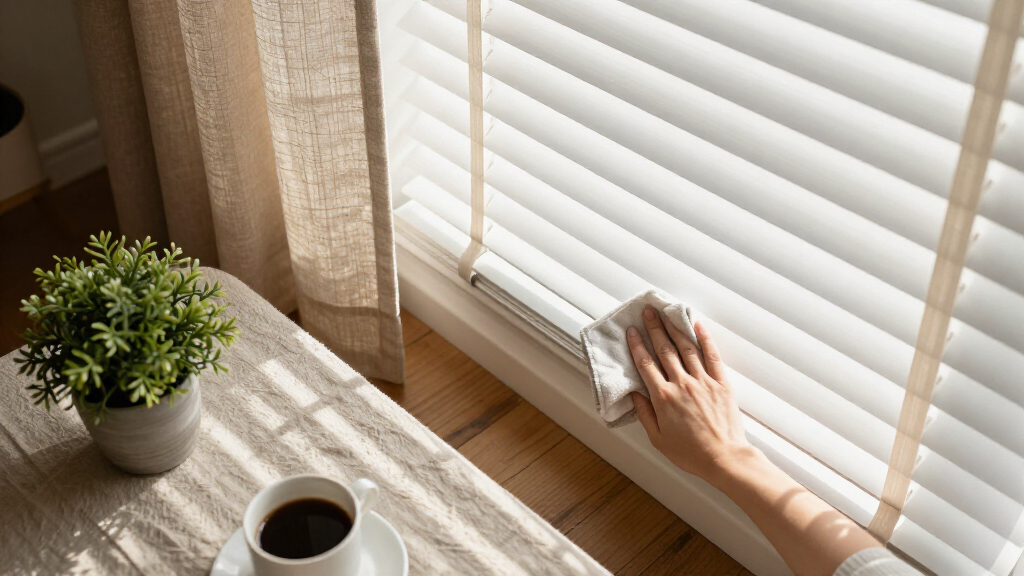
Work top to bottom. Close the slats, dust one side, reverse, and repeat. Use mild soapy water only on moisture-safe materials, then dry the surface to prevent spotting and residue.
Five steps from dust trap to fresh room
The sequence matters: removing loose particles before adding moisture helps prevent dirt from embedding deeper into fibers or turning into streaky residue.
Inspect
Check the label, material, coating, hardware, and problem areas.
Vacuum
Remove dry dust with low suction and a soft attachment.
Test
Try any cleaning product on a hidden area first.
Clean
Use the gentlest label-approved method for the material.
Dry
Dry thoroughly and correct humidity or condensation sources.
Make cleaning count
- Remove detachable hardware before washing.
- Use mild detergent and the recommended setting.
- Wipe kitchen residue before it becomes sticky.
- Keep humidity controlled in bathrooms and damp rooms.
- Choose professional care for structured or delicate pieces.
Avoid costly mistakes
- Do not ignore the care label or assume every fabric is washable.
- Do not bleach delicate fabric or scrub coated surfaces.
- Do not soak wooden blinds or moisture-sensitive shades.
- Do not apply high heat to adhesives or blackout coatings.
- Do not leave cleaned coverings damp enough to encourage mildew.
The healthier-home chain
Maintenance works as a connected systemHow Often Should You Deep-Clean Different Types of Curtains?
Deep cleaning your curtains every 3 to 6 months keeps dust, pollen, and pet dander in check. Light, low-traffic curtains like sheers or delicate fabrics may stretch to 12 months. Heavier, frequently used curtains—especially in kitchens or pet areas—should be cleaned more often, around every 3 months.
For example, in a busy household with two cats, you might want to deep clean your living room drapes every 3–4 months. Meanwhile, a guest room with infrequently used curtains can wait closer to a year.
Understanding these intervals is crucial because neglecting regular cleaning allows allergens and dirt to embed deeper into fibers, making removal more difficult and less effective over time. Heavy or frequently used curtains act as filters, trapping pollutants from daily activities; if not cleaned regularly, they can become sources of indoor pollution rather than safeguards. The tradeoff is between cleaning effort and air quality—more frequent cleanings demand time but significantly improve health and comfort.
As an affiliate, we earn on qualifying purchases.
How Often Should You Dust or Vacuum Blinds?
Blinds should be dusted or vacuumed at least every 1 to 2 weeks. This regular maintenance prevents the buildup of dust and allergens, which can cause or exacerbate respiratory issues and allergies. For deeper cleaning, most blinds—vinyl, aluminum, or faux wood—benefit from a thorough wash every 3 to 6 months. This interval strikes a balance between routine upkeep and preventing the accumulation of stubborn grime that can be harder to remove later.
Imagine a kitchen with greasy fingerprints on blinds—dusting alone won’t cut it. Wiping them down with a damp microfiber cloth ensures that grease, oil, and grime don’t settle into the material, which could harbor bacteria or mold, especially in humid environments. Regular cleaning also helps maintain the appearance and prolongs the lifespan of the blinds by preventing material degradation caused by dust and dirt.
Neglecting these schedules can lead to increased indoor allergens and reduced air quality, particularly in homes with pets or high humidity. The tradeoff involves balancing cleaning time with health benefits—more frequent cleaning reduces allergen load but requires consistent effort.
As an affiliate, we earn on qualifying purchases.
When to Clean Curtains and Blinds Sooner Than Scheduled
You should clean your window coverings ahead of schedule if you notice visible dust, musty smells, pet hair, or mold spots. These signs indicate that your coverings are acting as reservoirs for allergens and dirt, which can quickly worsen indoor air quality and trigger health issues.
For instance, after a weekend of heavy cooking, kitchen blinds might need wiping within a week to remove grease and prevent lingering odors that can seep into fabrics and worsen indoor air quality. Similarly, if you see mold patches or experience allergy flare-ups, it’s a clear sign that immediate cleaning is necessary. Mold, in particular, releases spores that can cause respiratory problems and exacerbate allergies, especially in humid areas.
Prompt cleaning not only restores the appearance but also prevents the development of more serious problems like persistent odors, mold growth, or allergic reactions. These issues can become chronic if ignored, leading to increased cleaning costs and health risks over time.
As an affiliate, we earn on qualifying purchases.
Why Regular Cleaning Keeps Your Home Healthier
Dirty curtains and blinds trap dust, pollen, pet dander, and kitchen fumes—improving your air quality is the main reason to keep up with cleaning. Regular maintenance also prevents grease from sticking, odors from settling, and mold from taking hold in humid spaces. When these pollutants accumulate, they can trigger allergies, asthma, and other respiratory issues, especially in sensitive individuals.
Imagine a bedroom with freshly cleaned curtains—breath is clearer, smells fresher, and you wake up feeling more rested. Over time, dirt and allergens build up, making your home feel stuffy and causing allergy symptoms to worsen. This buildup acts as a reservoir for pollutants, which are then released into the air with every movement or air circulation, continuously impacting indoor air quality.
Furthermore, regular cleaning extends the lifespan of fabrics and surfaces. Fabrics resist dulling or tearing, mechanisms operate smoothly without obstruction, and colors stay vibrant longer. Neglecting routine cleaning can lead to premature wear and costly replacements, ultimately reducing the overall comfort and healthfulness of your home environment.
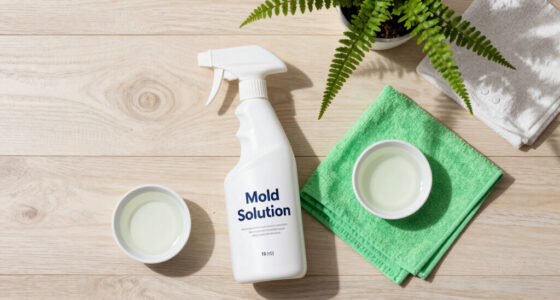
mold and odor remover for window coverings
As an affiliate, we earn on qualifying purchases.
As an affiliate, we earn on qualifying purchases.
Safe and Easy Ways to Clean Different Types of Curtains and Blinds
Always start by checking the care label. For most curtains, a gentle vacuum with a soft brush attachment removes loose dust without damaging fibers. This step is essential because it prevents dirt from embedding deeper during washing. For washable curtains, use a mild detergent and the recommended cycle—air dry or tumble dry on low heat—ensuring the fabric’s longevity and maintaining color vibrancy.
Blinds like vinyl or aluminum can be wiped with a damp microfiber cloth to remove surface dust and grime. Wooden blinds require a dry or barely damp cloth to prevent swelling or warping, especially in humid environments. Fabric vertical blinds should be vacuumed regularly and spot-cleaned cautiously to prevent damage to delicate fabrics. For heavy or textured fabrics, professional cleaning might be safer, especially if the material is delicate, lined, or coated, as improper cleaning can cause shrinkage or damage to coatings.
In kitchens, wipe down blinds or curtains weekly to remove grease and prevent buildup that can harbor bacteria and mold. Using appropriate cleaning methods based on material ensures longevity and maintains appearance while avoiding damage. When in doubt, consulting the manufacturer’s instructions helps prevent accidental harm and prolongs the life of your window coverings.
Common Mistakes That Make Cleaning Less Effective
Many people forget to read the care label, risking damage or shrinking. Using bleach or harsh chemicals on delicate fabrics can ruin their appearance and reduce their lifespan. Soaking wooden or coated blackout curtains can cause warping, peeling, or loss of opacity, defeating their purpose of light and noise blocking. Additionally, aggressive scrubbing or high heat can damage adhesives or delicate fibers, making the curtains more prone to tearing or deterioration.
Failing to clean hardware—rods, tracks, and cords—can lead to operational issues, such as sticking or uneven movement, which in turn reduces the effectiveness of your window treatments. Using improper cleaning tools or methods, like abrasive brushes or hot water on sensitive fabrics, compromises both function and appearance.
For example, trying to wash blackout curtains in hot water might crack the coating, making them less effective at blocking light and noise. Regularly inspecting and maintaining hardware ensures smooth operation and prevents damage that could necessitate costly replacements. Avoiding these common mistakes preserves the integrity and function of your window coverings, ensuring they continue to contribute to a healthy indoor environment.
Emerging Trends in Curtain and Blind Care
Home cleaning is shifting toward more frequent, low-effort maintenance. HEPA vacuums and microfiber cloths help trap allergens more effectively, reducing indoor pollution. Washable, stain-resistant fabrics are becoming popular, making cleaning easier and more efficient. Ultrasonic cleaning devices are gaining popularity for delicate fabrics, providing deep cleaning without harsh chemicals, while cordless, motorized blinds are making operation and maintenance more convenient, though they require careful handling around electronics.
Many homeowners now prefer fragrance-free, low-residue cleaners to minimize allergy triggers and chemical sensitivities. Humidity control is also a key trend—using dehumidifiers and ensuring good ventilation helps prevent mold and mildew growth, especially in bathrooms and kitchens. These innovations and practices aim to simplify maintenance, improve indoor air quality, and extend the lifespan of window treatments, aligning with a healthier, more sustainable lifestyle.
Adopting these trends can lead to more effective, less time-consuming cleaning routines that benefit both your health and your home’s longevity.
Frequently Asked Questions
Can curtains be washed without taking them down?
Yes, many curtains can be vacuumed or spot-cleaned while hanging. Use a handheld vacuum or a gentle brush attachment. For full washing, removing them from the rods is usually necessary to avoid damage and ensure a thorough clean.
How often should allergy sufferers clean curtains?
Vacuum curtains every one to two weeks and deep-clean roughly every three months. This helps reduce pollen, pet dander, and dust mites that trigger allergies. Remember, cleaning floors, bedding, and maintaining low humidity also play vital roles.
Should new curtains be washed before hanging?
Follow the care instructions on the label. Some new curtains may release manufacturing residues or odors and benefit from airing or gentle cleaning. Washing isn’t always necessary but can prevent discoloration or shrinkage if recommended.
Can curtains go in the washing machine?
Only if the label states they are machine-washable. Remove hooks and hardware, choose a gentle cycle with mild detergent, and dry according to the instructions—air drying is safest to prevent shrinkage.
How often should kitchen blinds be cleaned?
Wipe or dust kitchen blinds every one to two weeks to remove grease and dust. Deep cleaning or degreasing should happen every one to three months, especially with frequent cooking or poor ventilation.
Conclusion
Keeping your curtains and blinds clean isn’t just about appearance. It’s a simple step toward fresher air and fewer allergy triggers. A quick weekly dust or vacuum, combined with scheduled deep cleans, makes a noticeable difference.
Think of your window coverings as filters—neglect them, and they’ll stop filtering. Keep up with regular cleaning, and your home stays healthier, brighter, and more inviting. After all, clean windows are the first step to a cleaner, happier house.
Halloween Picks
halloween
As an affiliate, we earn on qualifying purchases.