TL;DR
Stains often come back because residues, deep dirt, or moisture weren’t fully removed. Using proper cleaning methods and protective treatments can reduce re-soiling and keep carpets cleaner longer.
Ever scrubbed your carpet and thought the stain was gone, only to see it reappear weeks later? It’s frustrating. The truth is, many stains seem to vanish at first but come back because the root causes aren’t fully addressed during cleaning.
In this guide, you’ll learn why stains reappear, what common mistakes cause them to return, and practical steps to keep your carpets looking fresh longer. Think of it as a straightforward playbook to stop stains from coming back after you clean them.
Most stains reappear because residues or deep dirt weren’t fully removed during cleaning.
Choosing the right cleaning method, like hot water extraction or enzymatic cleaners, significantly cuts re-soiling.
Proper drying is critical—trapped moisture encourages mold and causes discoloration that mimics stains.
Applying protective treatments post-cleaning helps prevent re-soiling and stain reappearance.
Environmental factors like foot traffic and humidity heavily influence how long a carpet stays clean.
Why Carpet Stains Come Back After You Clean Them
TL;DR: Stains often return because residues, deep dirt, moisture, or dye reactions were never fully removed. The real fix is not harder scrubbing; it is residue-free cleaning, full drying, and protection against re-soiling.
Up to 70% of reappearing stains trace back to residue left behind after cleaning.
What Looks Gone Can Still Be Working Underneath
Quick sprays and scrubbing often remove the visible stain while leaving sticky film, pigments, organic compounds, or dampness inside the carpet pile.
Deep-Set Dirt
Particles settle below the surface and slowly wick back upward as the carpet dries or sees regular foot traffic.
Soap Residue
Soap-based cleaners can leave a tacky film that grabs dust, oils, and soil faster than surrounding fibers.
Moisture Marks
Trapped dampness can trigger mildew, musty odor, color bleeding, or dark patches that look like the original stain.

Rocco & Roxie Supply Co. Stain & Strong Odor Eliminator, Enzyme Cleaner, Pet Odor Eliminator for Home – Carpet Stain Remover for Cats & Dog Pee – Urine Destroyer – Carpet Cleaner Spray Clear, 32 Fl Oz
Certified Gentle & Safe Pet Carpet Cleaner Solution: Chlorine free, color safe, no hazardous propellants or residue; safe…
As an affiliate, we earn on qualifying purchases.
As an affiliate, we earn on qualifying purchases.
Why Reappearing Stains Gain Momentum
Residue is the main driver, but humidity, traffic, and poor product choice can turn one cleaning attempt into a repeat problem.
Estimated Reappearance Drivers
Use this as a diagnostic lens when a spot returns after it looked clean.
Moisture Risk Spectrum
Drying speed matters. A damp carpet can invite mildew, color transfer, and recurring discoloration before the stain itself is even the issue.
Low to High Rebound Risk
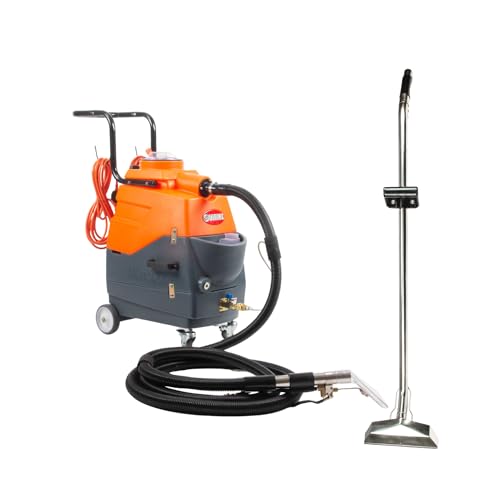
Commercial Heated Carpet & Upholstery Extractor Machine, 160 PSI Hot Water Cleaner, 149°F Heater, 4.8/5.3-Gal Dual Tanks, 4" Detail Wand & 60" Floor Wand for Auto Detailing, Furniture, Stairs & Carpet
Built for Auto Detailing, Upholstery, Stairs & Carpet: Use the short 4" wide detail wand for car seats,…
As an affiliate, we earn on qualifying purchases.
As an affiliate, we earn on qualifying purchases.
Cleaning Choice Determines the Comeback Risk
The best method depends on stain type, fiber type, and how thoroughly the carpet is rinsed and dried afterward.
| Cleaning Method | Residue Left? | Best For | Reappearance Risk | Verdict |
|---|---|---|---|---|
| Simple soap-based cleaning | ✗ Yes | Fast surface touch-ups | High | Use sparingly and rinse thoroughly. |
| Steam cleaning / hot water extraction | ~ Minimal | Embedded soil and broad cleaning | Low when dried well | Strong choice for deeper removal. |
| Enzymatic cleaners | ✓ No sticky film | Pet urine, food, organic stains | Very low | Best for breaking down organic matter. |
| Encapsulation cleaning | ~ Controlled | Maintenance and commercial traffic | Low to moderate | Works well when vacuumed thoroughly. |

TriNova Stain Guard – Non-Aerosol Fabric Protection Spray for Upholstery, Carpet, Rugs, and More – Protect from Liquid Stains, Spills & Accidents (18oz)
SPILLS DON'T MEAN STAINS – If your fabric surfaces are protected, a spill will sit on the surface…
As an affiliate, we earn on qualifying purchases.
As an affiliate, we earn on qualifying purchases.
How to Stop the Stain From Returning
Lasting results come from a full chain: identify the stain, use the right cleaner, rinse, dry, then protect the carpet from rapid re-soiling.
Blot
Lift moisture and loose soil first. Scrubbing can push stains deeper into fibers.
Match
Use enzymatic cleaners for organic stains and fiber-safe methods for delicate rugs.
Rinse
Remove leftover cleaner so the carpet does not become sticky after it dries.
Dry
Use airflow or dehumidifiers and allow up to 24 hours before heavy traffic.
Protect
Apply stain protection, add entry mats, and limit shoes on freshly cleaned carpet.

Hoover PowerScrub Deluxe Carpet Cleaner Machine, Deep Cleaning Carpet Shampooer Machine, SpinScrub Brushes, HeatForce Drying, Pet & Upholstery Tools, Pair with Hoover Carpet Cleaner Solution
PROFESSIONAL-LEVEL STAIN REMOVAL AT HOME: Achieve pro results without the cost with the Hoover PowerScrub. Five counter-rotating SpinScrub…
As an affiliate, we earn on qualifying purchases.
As an affiliate, we earn on qualifying purchases.
When It Is Not Actually the Same Stain
Some “returning” stains are dye reactions, color bleeding, mildew, or fiber damage caused by excess water or harsh chemicals.
Watch For Dye Trouble
- Vibrant, antique, or wool rugs may react poorly to alkaline cleaners or over-wetting.
- Darkened patches after cleaning can be dye movement instead of soil coming back.
- Test cleaners in a hidden area before treating visible spots.
Fast Diagnosis
Likely soap residue attracting fresh soil.
Likely trapped moisture, mildew, or slow drying.
Could be wicking from below or dye bleeding.
Consider professional hot water extraction and protective treatment.
Why Surface Cleaning Isn’t Enough to Keep Stains Gone
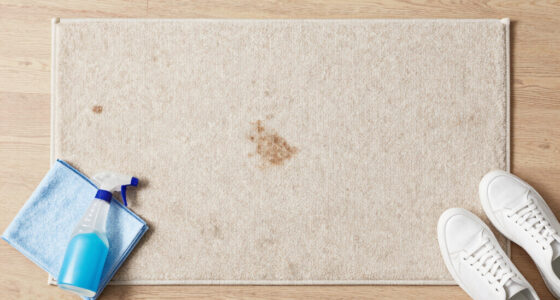
Surface cleaning often only removes the visible parts of a stain, leaving behind residues and deep dirt. Imagine spilling red wine on your carpet. A quick blot and spray might make it look clean, but tiny particles and pigments can sink into fibers. These remnants act like hidden traps, attracting dirt over time, which causes the stain to re-emerge months later. This is why superficial cleaning can be a false victory—what seems clean on the surface isn’t truly clean beneath.
For example, a homeowner might use a standard carpet cleaner on pet urine stains. While the surface appears dry and clean afterward, organic compounds from urine often remain embedded deep within fibers. Over time, these compounds decompose or attract dirt, leading to a reappearance of the stain. This highlights a critical tradeoff: quick fixes may seem effective but often fail to address the underlying problem, making the stain more persistent in the long run.
- Deep-set dirt stays embedded in fibers, acting as a hidden source of future stains
- Residues from cleaning products can trap dirt, creating a sticky environment that encourages re-soiling
- Moisture left inside fibers can promote mold or mildew growth, which can look like stains and cause further damage
How Wrong Cleaning Products and Techniques Make Stains Return
Using the wrong products or skipping proper rinsing can leave behind sticky residues that serve as dirt magnets. For instance, many DIY solutions contain harsh chemicals or soap-based cleaners that don’t rinse out completely, leading to a sticky film on fibers. This residue acts like a magnet for dirt and dust, which accelerates re-soiling and makes stains reappear faster.
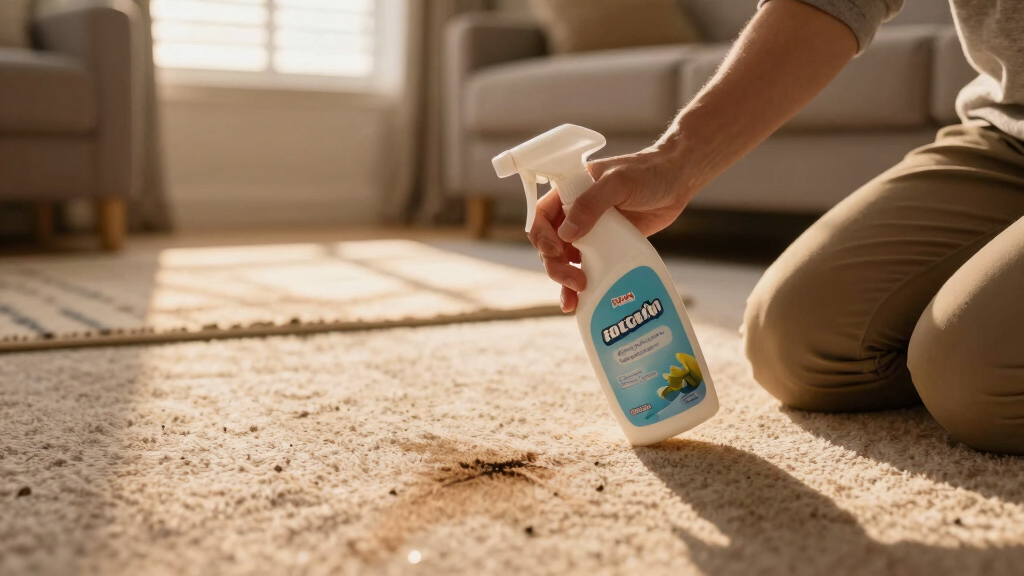
Imagine cleaning a coffee stain with dish soap. While the stain might seem to disappear initially, soap residue can darken or become visible again over time as it attracts dirt and moisture. This creates a cycle where the stain looks worse after each cleaning attempt, because the residues trap more dirt and moisture, fostering conditions for re-staining.
Here’s a quick comparison:
| Cleaning Method | Residue Left Behind? | Risk of Reappearance |
|---|---|---|
| Simple soap-based cleaning | Yes | High |
| Steam cleaning / hot water extraction | Minimal | Low |
| Enzymatic cleaners | No | Very low |
Choosing the right cleaning approach is crucial because each method’s residue profile affects long-term results. For example, steam cleaning uses high temperature and water pressure to remove dirt deeply, but if not done correctly, it can still leave moisture trapped within fibers. Enzymatic cleaners, designed to break down organic stains, tend to leave fewer residues, reducing the chance of re-soiling. Understanding these tradeoffs helps you select the most effective method for lasting cleanliness.
The Role of Moisture and Humidity in Stain Rebound
Moisture is a sneaky culprit behind stains that come back. When carpets are not dried thoroughly after cleaning, trapped dampness creates an environment conducive to mold, mildew, and color bleeding. These issues often mimic stains but are actually caused by residual moisture. The implications are significant: mold growth can damage carpet fibers and pose health risks, while color bleeding can permanently alter the appearance of your carpet.
Picture a basement carpet cleaned on a humid summer day. If it dries slowly or stays damp, dark patches, fuzzy spots, or even a musty smell may develop, mimicking stain reappearance. Such moisture-related issues can weaken fibers and cause discoloration, leading to the false impression that a stain has returned. Proper drying is essential—not just for appearance but for preserving your carpet’s integrity.
Practical steps to prevent moisture-related re-staining include:
- Using fans or dehumidifiers during and after cleaning to accelerate drying
- Allowing carpets to dry completely, ideally 24 hours, before foot traffic or furniture placement
- Avoiding cleaning on overly humid days to minimize moisture absorption
Failing to address moisture can lead to long-term damage, increased cleaning costs, and health issues. Recognizing that moisture is a hidden enemy underscores the importance of thorough drying and environmental control as part of effective stain prevention strategies.
Environmental Factors and Re-Soiling: Protect Your Carpet
After cleaning, carpets become more receptive to dirt if not protected. Think of fibers like open gates—easily dirtied if not sealed or treated. Foot traffic, spills, and airborne particles settle more quickly on freshly cleaned fibers, especially if protective measures aren’t taken. This rapid re-soiling can undo the effort of cleaning in a surprisingly short time, leading to a cycle of constant cleaning that can weaken fibers and diminish carpet lifespan.
For example, a busy family with kids might see a clean-looking carpet quickly dirtied again if they don’t apply a protective coating or place rugs in high-traffic areas. Without these precautions, the carpet remains vulnerable to rapid re-soiling, which can cause frustration and increased maintenance costs.
Effective ways to shield your carpet involve more than just superficial measures. Applying a high-quality stain-resistant spray creates a barrier that repels dirt and spills, giving your carpet a longer-lasting clean. Using entry mats and removing shoes help prevent tracking in dirt and moisture, reducing the load on your carpet. Additionally, limiting high-traffic foot traffic on freshly cleaned carpets allows fibers to recover and reduces the risk of re-soiling, ultimately extending the time between cleanings.
Understanding that environmental factors accelerate re-soiling emphasizes the need for proactive protection measures—these are investments in your carpet’s longevity and appearance, helping you avoid the cycle of constant cleaning and re-staining.
Why Some Colors Bleed or Change After Cleaning
Color bleeding or fading can look like a stain returning but often isn’t. Certain dyes used in carpets, especially those in vibrant or antique rugs, are sensitive to cleaning chemicals and moisture. When exposed to alkaline cleaners or excess water, dyes can react chemically, causing discoloration or bleeding. This process can be mistaken for a stain re-emerging, but it’s actually a dye reaction—an irreversible change that affects the carpet’s appearance.
Imagine a vibrant oriental rug that turns dull or spots that turn darker after cleaning. This isn’t dirt coming back—it’s a chemical reaction involving the dyes. Such reactions are particularly common in older or poorly dyed carpets, where the dyes weren’t fixed properly during manufacturing. Recognizing this helps prevent unnecessary cleaning attempts that might worsen the problem.
To prevent dye reactions, consider the following:
- Test cleaning solutions on a small, inconspicuous area first to observe any color change
- Use pH-balanced, carpet-safe cleaners to minimize chemical reactions
- Consult a professional for delicate or antique rugs to ensure proper handling and preservation
Understanding that dye reactions are a chemical issue rather than a stain helps you choose the right cleaning approach and avoid unintended damage, preserving your carpet’s original color and beauty.
What You Can Do Right Now to Keep Stains From Returning
Prevention starts with the right approach. First, always rinse thoroughly after cleaning to remove residues that can attract dirt. Second, dry carpets completely—use fans or dehumidifiers if needed—to eliminate trapped moisture that fosters mold and discoloration. Third, consider applying a protective treatment to help repel dirt and stains, creating a barrier that prolongs cleanliness and reduces re-soiling.
Imagine you’ve just cleaned a juice spill on your living room carpet. Immediately rinsing with cold water, drying it well, and spraying a stain-resistant protector can make a huge difference in preventing the stain from returning or attracting dirt.
Follow these quick steps for best results:
- Use hot water extraction or enzymatic cleaners for organic or protein-based stains, ensuring deep cleaning
- Thoroughly rinse and extract excess moisture, leaving no residues behind
- Allow ample drying time, ideally 24 hours, before walking on or placing furniture back
- Apply a protective coating if suitable for your carpet type, to repel future stains and dirt
Taking these steps immediately after cleaning helps prevent the cycle of re-staining and extends the life of your carpet’s fresh appearance. Remember, a little extra effort now can save you significant time and money later by avoiding repeat cleanings and repairs.
Frequently Asked Questions
Why do stains sometimes reappear even after I’ve cleaned my carpet?
Most often, residues or deep dirt weren’t fully removed, or moisture was trapped during cleaning. These hidden remnants attract dirt, causing the stain to re-emerge over time.
What’s the best way to prevent stains from coming back?
Use proper cleaning methods like hot water extraction or enzymatic cleaners, rinse thoroughly, dry completely, and consider applying a stain-resistant protector. Controlling indoor humidity also helps.
Can I use any cleaning product to prevent re-staining?
Stick to pH-balanced, carpet-safe cleaners and test them on a small hidden area first. Enzymatic cleaners work well for organic stains, reducing the chance of re-soiling.
How often should I get my carpets professionally cleaned?
Every 12-18 months is a good rule of thumb, though high-traffic homes may need more frequent cleanings to keep stains from returning.
What should I do if stains keep coming back despite cleaning?
Re-evaluate your cleaning method, ensure thorough rinsing and drying, and consider consulting a professional. Sometimes, deep cleaning or protective treatments are necessary for stubborn stains.
Conclusion
Understanding why stains come back is half the battle won. Proper cleaning techniques, complete drying, and protective treatments make all the difference between a fresh-looking carpet and one that’s always fighting stains.
Next time you tackle a spill, remember: patience, thorough rinsing, and a little protection go a long way. Your carpet will thank you—and so will your sanity.