TL;DR

Get cleaning gear delivered free — and shop member deals
- Fast, free delivery on millions of items
- Access to Prime Big Deal Days deals on October 6–7
- Prime Video, Amazon Music and more included
Vacuum suction often drops because of clogged filters, full dustbins, or blockages. Regular maintenance like cleaning filters and clearing hoses can solve most problems easily. Modern vacuums with advanced filters and cyclonic tech make it even easier to keep suction strong.
Ever gone to vacuum and felt the suction weaken or disappear entirely? It’s frustrating, right? The good news: most suction issues are simple to fix and often caused by everyday wear or overlooked maintenance. Knowing what to check can save you time and money—and keep your floors spotless.
This guide will walk you through the common reasons your vacuum loses power and show you quick, practical fixes. Plus, you’ll learn about the latest tech that helps vacuums stay strong longer. Ready to get your vacuum back in shape? Let’s dive in.
Most vacuum suction loss is caused by clogged filters, full dustbins, or blockages—simple to fix with routine checks.
Cleaning or replacing filters every 1-3 months keeps airflow strong and prevents loss of suction.
Modern vacuums with cyclonic tech and sensors are better at maintaining consistent suction and alerting you to issues.
Regular maintenance extends your vacuum’s lifespan and saves money on repairs.
If all else fails and suction remains weak, professional repair or replacement might be needed.
What Causes Your Vacuum to Lose Suction (And How to Spot It)
Vacuum suction drops because airflow gets blocked or restricted. But understanding why this happens is crucial because it affects how you approach fixing the problem. For example, a clogged filter not only reduces suction but can also cause the motor to work harder, potentially leading to overheating or premature failure. Similarly, a full dustbin means the vacuum’s capacity to hold debris is maxed out, forcing it to work in a less efficient state, which over time can strain the motor and decrease lifespan.
Spotting these issues early isn’t just about restoring suction—it’s about preventing long-term damage. Ignoring these signs can lead to more costly repairs or even the need for a new vacuum. So, by routinely checking these components, you’re actually extending your vacuum’s life and maintaining optimal cleaning performance.
As an affiliate, we earn on qualifying purchases.
How to Fix Your Vacuum’s Suction in 5 Easy Steps
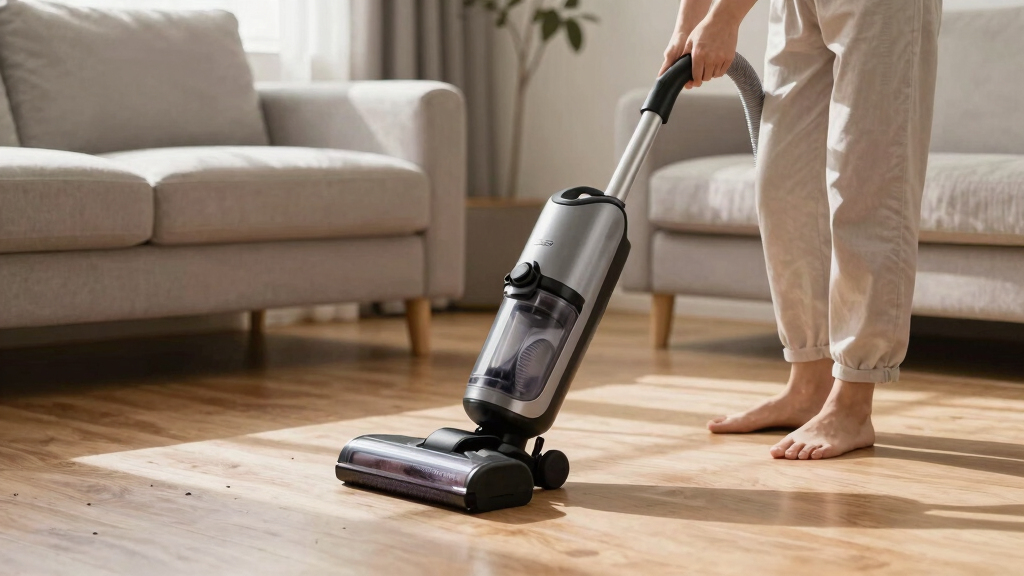
- Empty the dustbin or replace the bag. A full dustbin or bag not only reduces suction but can also cause dust and debris to leak into the motor or filters, accelerating wear. Regularly emptying or replacing these ensures unobstructed airflow and protects your vacuum’s internal components.
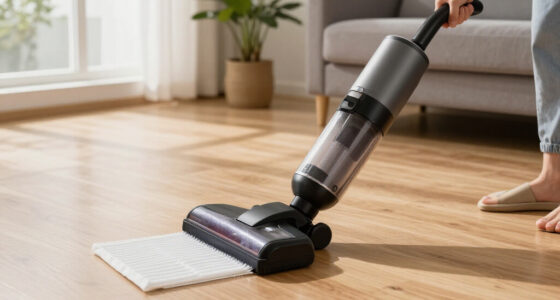
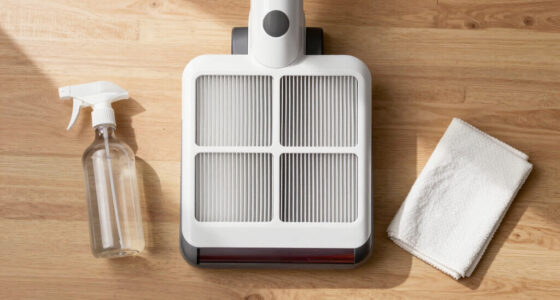
- Clean or replace filters. Filters act as the vacuum’s lungs, trapping dust and allergens. When they clog, airflow drops significantly, which can cause a chain reaction—overworking the motor, reducing suction, and increasing wear. Regularly cleaning (for washable filters) or replacing (for disposable ones) maintains optimal airflow, prolongs motor life, and keeps your indoor air quality high.
- Check for blockages in hoses and nozzles. Kinks, hair, or debris stuck in hoses or nozzles not only block airflow but can also cause pressure imbalances, leading to decreased suction. Clearing these obstructions restores proper airflow, prevents strain on the motor, and ensures consistent cleaning performance.
- Clear hair and fibers from the brush roll. Hair and fibers wrapping around the brush reduce contact with dirt and impede airflow, which can diminish suction and cleaning efficiency. Regularly removing these obstructions prevents buildup that could otherwise cause the brush to stop spinning or damage the belt, ultimately saving you from costly repairs.
- Inspect seals and gaskets for leaks. Damaged or worn seals allow air to escape, reducing the suction power. Ensuring these are intact and replacing any torn gaskets maintains the vacuum’s designed airflow path, ensuring maximum suction and preventing unnecessary strain on the motor.
Think of it like maintaining a garden hose: small blockages or leaks can dramatically reduce water flow. Regular checks and maintenance keep the airflow smooth, maximizing suction and extending your vacuum’s lifespan.
As an affiliate, we earn on qualifying purchases.
Compare Modern Vacuum Features That Help Maintain Suction
| Feature | How It Helps |
|---|---|
| Cyclonic Separation | This technology prevents filter clogging by spinning dust and debris out of the airflow before they reach the filter. As a result, filters stay cleaner longer, maintaining consistent suction over time and reducing the need for frequent replacements. This means less downtime and more reliable cleaning performance, especially in homes with pets or high dust levels. |
| HEPA Filters | HEPA filters trap tiny particles and allergens, which not only improves air quality but also reduces the frequency of filter clogging. Their efficiency means less airflow resistance and less frequent filter changes, keeping suction steady and your indoor environment healthier. |
| Seal Indicators | Modern vacuums often include sensors that alert you when seals or gaskets are damaged or not sealing properly. This early warning helps prevent unnoticed leaks that can significantly reduce suction, allowing you to address issues before they impact cleaning performance. |
| Smart Sensors | These sensors detect blockages, full dustbins, or filter issues and notify you via indicators or app alerts. This proactive approach ensures you can address problems quickly, minimizing downtime and maintaining optimal suction during cleaning sessions. |
Modern vacuums are equipped with these advanced features to keep suction strong and consistent, which means less guesswork and more effective cleaning over the long haul.
As an affiliate, we earn on qualifying purchases.
What You Need to Know About Routine Maintenance and Prevention
Keeping your vacuum in top shape isn’t just about fixing problems when they happen; it’s about proactive care. Regularly performing simple maintenance checks—like emptying the dustbin, rinsing or replacing filters, and inspecting hoses—prevents the buildup of dirt and debris that can cause suction loss. Think of these actions as a health check for your vacuum, ensuring all parts work harmoniously and reducing the risk of sudden breakdowns.
This routine not only maintains suction but also prevents minor issues from escalating into costly repairs. For example, a homeowner who schedules bi-weekly inspections found her vacuum’s suction remained consistent, and her filters stayed clean longer, saving her money and time. Regular maintenance is an investment in your vacuum’s longevity and your cleaning efficiency.
As an affiliate, we earn on qualifying purchases.
When to Call in the Pros or Replace Your Vacuum
If you’ve tried all the fixes and suction still sucks—literally—then it might be time for professional help or replacement. Internal components like the motor or sealed systems can wear out over time, especially if the vacuum has been heavily used or neglected. Recognizing when DIY fixes aren’t enough is key to avoiding further damage and costly repairs.
For example, if your vacuum makes unusual noises, emits a burnt smell, or fails to turn on despite cleaning and checking for blockages, these are signs that internal damage has occurred. In such cases, consulting a professional can determine if repair is viable. Sometimes, investing in a new model with advanced features and better durability offers more value than repairing an aging, worn-out machine. Being aware of these signs helps you make informed decisions that protect your investment and ensure continued effective cleaning.
Frequently Asked Questions
How often should I clean or replace my vacuum filters?
Most filters benefit from cleaning or replacement every 1-3 months, depending on usage and manufacturer advice. Regular upkeep prevents clogs and maintains strong suction.
Why does my vacuum suddenly lose suction during a cleaning session?
This usually happens when a filter gets clogged, the dustbin is full, or a hose becomes blocked. Checking these areas quickly restores power.
Can I fix a suction problem myself or should I call a professional?
Many issues, like clearing blockages or cleaning filters, are DIY-friendly. But if motor issues or seals are damaged, professional help or replacement is the safer route.
Are newer vacuum models better at maintaining suction?
Yes. Modern vacuums with cyclonic technology, HEPA filters, and seal indicators keep suction steady longer and make troubleshooting easier.
Conclusion
Keeping your vacuum suction strong isn’t magic—it’s maintenance. A quick check and clean every few weeks can save you frustration and keep your floors sparkling. Think of it as giving your vacuum a health boost, so it keeps doing its job without fuss.
Next time suction drops, remember these simple steps. Your floors—and your patience—will thank you.
Fall Picks
fall essentials
As an affiliate, we earn on qualifying purchases.