TL;DR

Get cleaning gear delivered free — and shop member deals
- Fast, free delivery on millions of items
- Access to Prime Big Deal Days deals on October 6–7
- Prime Video, Amazon Music and more included
Cleaning renovation dust from floors involves initial removal with vacuuming or sweeping, followed by damp mopping with suitable cleaners. Modern tools like HEPA vacuums and eco-friendly products make the process safer and more effective.
Start by vacuuming with a HEPA filter or sweeping gently to remove loose dust without spreading it into the air.
Use damp microfiber mops and pH-neutral cleaners suited for your floor type for deep cleaning.
Modern tools like HEPA vacuums, electrostatic cloths, and air purifiers greatly improve dust removal efficiency.
Protect your space by sealing off areas and ventilating well during and after cleaning.
Always wear safety gear to avoid inhaling or coming into contact with hazardous dust particles.
Why Renovation Dust Is Tough to Clean and Why It Matters
Renovation dust is tiny, dry, and clingy. It sneaks into cracks, settles into porous surfaces, and often lingers long after the work is done. This dust isn’t just dirt — it can contain harmful particles like drywall compounds, cement, or even asbestos in older homes.
Left unchecked, it can pollute indoor air, irritate your lungs, and settle into carpets and furniture. For example, if you ignore the dust on your hardwood floors, it can become embedded in the grain, making it more difficult to remove later. Moreover, inhaling fine dust particles over time can lead to respiratory issues or aggravate allergies, especially in vulnerable populations. Recognizing why this dust is stubborn — due to its microscopic size and static cling — highlights the importance of thorough cleaning. The tradeoff is that more aggressive cleaning methods might risk damaging delicate surfaces, so understanding the nature of your flooring and dust helps tailor the safest, most effective approach.
As an affiliate, we earn on qualifying purchases.
Step-by-Step: How to Remove Renovation Dust from Your Floors
- Safety first: Wear a mask rated for fine dust, gloves, and goggles. Open windows and run an air purifier if possible. For example, a N95 mask can filter out most airborne particles, reducing your risk of inhalation.
- Clear the area: Move furniture, rugs, and obstacles out of the way. This makes sure you can access every corner, preventing dust from hiding in hard-to-reach spots and resettling after cleaning.
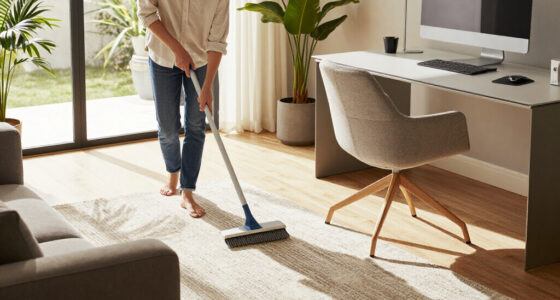
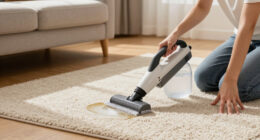
- Initial dust removal: Use a vacuum with a HEPA filter or a soft broom to sweep away loose dust — avoid dry mops at this stage because they can lift and spread dust into the air, making cleanup less effective. For instance, a HEPA vacuum can trap particles as small as 0.3 microns, preventing them from recirculating, unlike regular vacuums which may just redistribute dust.
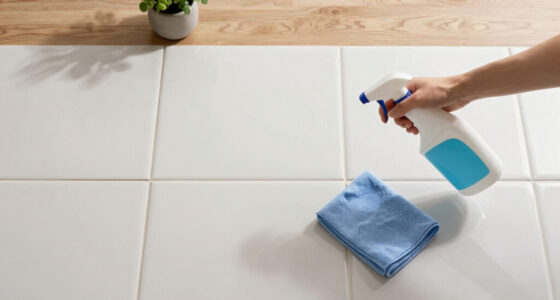
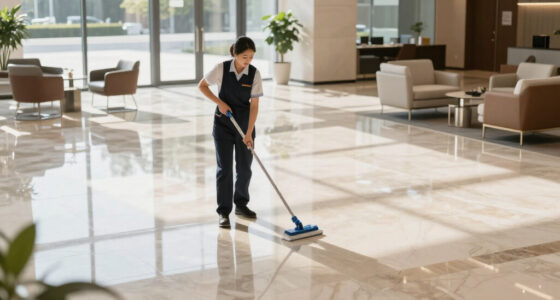
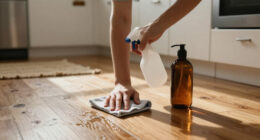
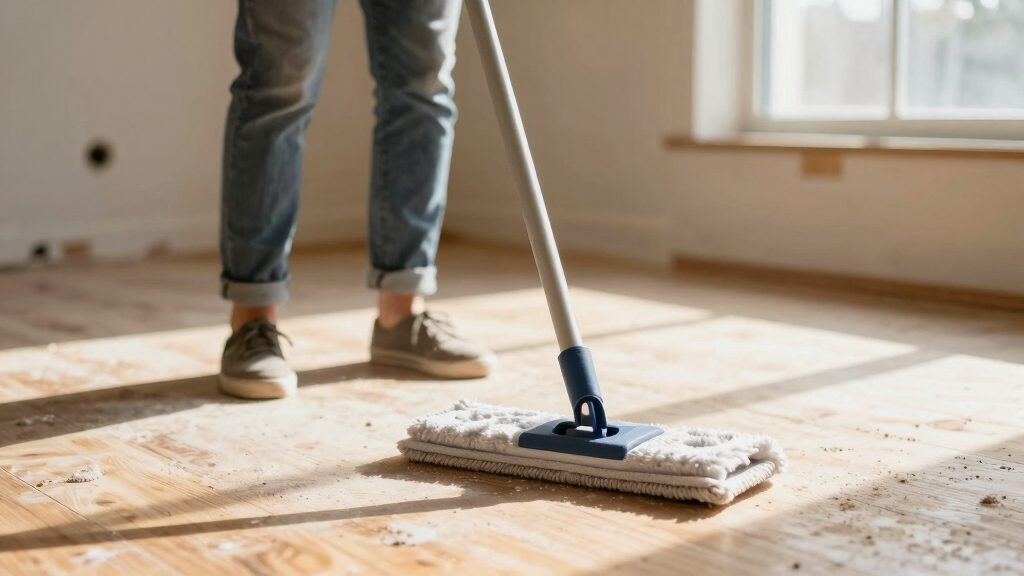
- Damp mop: Wet a microfiber mop with warm water or a gentle, pH-neutral cleaner suitable for your floor type. Mop in sections, rinsing the mop often to avoid spreading dirt. For example, on tile floors, a simple water-based cleaner works well, while wood floors may require a specialized cleaner to avoid damage.
- Repeat if necessary: Residual dust may require multiple passes to fully clean. For instance, stubborn dust trapped in textured surfaces or grout lines might need extra attention.
- Dry the floor: Use a clean, dry microfiber cloth or towel to wipe down and prevent streaks or water damage. This step is crucial in preventing water from seeping into joints or porous surfaces, which could cause warping or staining.
microfiber mop for hardwood floors
As an affiliate, we earn on qualifying purchases.
As an affiliate, we earn on qualifying purchases.
Modern Tools That Make Cleaning Renovation Dust Easier
| Tool | Why It Helps |
|---|---|
| HEPA Vacuum | Captures tiny dust particles, preventing them from recirculating into the air. This is especially beneficial in enclosed spaces where dust can linger, reducing health risks. |
| Electrostatic Dust Cloths | Attract and hold fine dust more effectively than traditional dusters, making it easier to remove surface particles without dispersing them into the air. |
| Air Purifiers | Reduce airborne dust during and after cleaning, significantly improving indoor air quality, especially in rooms with poor ventilation or in homes with allergy sufferers. |
| Eco-friendly Cleaners | Break down dust and residues safely without harsh chemicals, protecting your surfaces and the environment. For example, vinegar-based solutions can be effective and safe on many surfaces. |
As an affiliate, we earn on qualifying purchases.
Tips for Protecting Your Floors During and After Cleaning
- Seal off the work area with plastic sheeting to contain dust, especially if there’s ongoing construction nearby. This prevents dust from migrating to other parts of your home.
- Use drop cloths or old towels under furniture during cleaning to catch any falling dust or water, protecting your flooring from potential damage or staining.
- Ventilate thoroughly to disperse residual dust — open windows and run fans. Proper airflow helps carry dust outside, reducing indoor contamination.
- Regularly clean or replace vacuum filters to prevent recirculating dust back into the air. For example, a clogged filter won’t trap fine particles effectively, defeating the purpose of your cleaning efforts.
- Inspect and clean baseboards and corners with a microfiber cloth for final touch-ups. These areas often trap unseen dust that can be stubborn and cause a dusty appearance over time.
As an affiliate, we earn on qualifying purchases.
Common Mistakes That Make Your Floor Cleaning Less Effective
Dry sweeping without vacuuming can stir up dust and make cleanup harder, leading to re-settling of particles in the air and on surfaces. For example, sweeping a dusty hardwood floor with a broom might push dust into corners or beneath furniture rather than removing it.
Using harsh chemicals on sensitive floors can cause damage or streaks, especially on hardwood or laminate surfaces. For instance, ammonia-based cleaners can strip finishes or cause discoloration.
Ignoring corners and baseboards leaves a layer of dust behind, which can be stubborn to remove later. Dust often accumulates in these areas because they’re less accessible, but neglecting them can compromise overall cleanliness.
Skipping safety gear puts your health at risk from airborne particles, which can cause respiratory irritation or worsen allergies. For example, not wearing a mask during vacuuming can expose you to fine silica or drywall dust.
Not ventilating properly traps dust inside, prolonging cleanup time and affecting air quality. Without proper airflow, dust particles linger longer, increasing health risks and making subsequent cleaning more difficult.
Frequently Asked Questions
How soon after renovation should I start cleaning the floors?
As soon as the dust has settled, usually within a day or two, start with vacuuming or sweeping. Wear protective gear and ensure proper ventilation to keep your space safe during cleanup.
What cleaning method is best for hardwood floors?
Use a damp microfiber mop with a pH-neutral cleaner. Avoid excessive water and harsh chemicals to prevent warping or damage to the wood surface.
Can I use a regular vacuum cleaner?
Only if it has a HEPA filter designed for fine dust. Otherwise, you risk spreading dust particles into the air, which can affect indoor air quality and your health.
Is it necessary to hire professionals for cleaning renovation dust?
For large or hazardous dust, especially if asbestos or silica is involved, professional cleaning or remediation is wise. For typical dust, a diligent DIY approach with proper tools works well.
How do I prevent dust from spreading to other parts of the house?
Seal off the work area with plastic sheeting, use exhaust fans, and ventilate thoroughly during cleaning. This keeps dust contained and reduces spread.
Conclusion
A thorough, safe cleaning process leaves your floors sparkling and your air healthier. Don’t rush — patience and the right tools make all the difference. Imagine stepping onto a spotless floor that’s free of dust and irritants — that’s the reward for your effort. Keep these tips in mind, and your home will look and feel fresh long after the renovation ends.Halloween Picks
halloween
As an affiliate, we earn on qualifying purchases.