
TL;DR

Get cleaning gear delivered free — and shop member deals
- Fast, free delivery on millions of items
- Access to Prime Big Deal Days deals on October 6–7
- Prime Video, Amazon Music and more included
Floor wax creates a natural, protective layer that wears off faster, while polish adds a longer-lasting shine with synthetic resins. New eco-friendly formulas and advanced finishes now offer better options for durable, safe, and shiny floors.
Choose products based on your floor type—wax for unsealed wood, polish for sealed surfaces.
Modern formulations with synthetic resins last longer and require less frequent reapplication.
Eco-friendly, low-VOC options are now widely available and safer for indoor air.
Proper application and regular maintenance extend your floors’ beauty and lifespan.
Always strip old buildup before reapplying to avoid sticky, dull surfaces.
What’s the real difference between floor wax and polish? You need to know this before you buy.
Floor wax and polish might seem similar, but they serve different purposes and are made from different ingredients. Floor wax is typically a natural or synthetic wax that forms a thin, protective layer. It’s best for adding a soft sheen and some protection but wears off quickly—think of it as a gentle shield that needs frequent reapplication. Floor polish, on the other hand, often contains synthetic resins or polymers that bond tighter to the surface, creating a durable, high-gloss finish that can last several months.
For example, a traditional carnauba wax applied to a wooden floor provides a warm glow but might need redoing every month. A modern acrylic-based polish can keep that shine intact for twice as long, making it a better choice for high-traffic areas.
As an affiliate, we earn on qualifying purchases.
Why the right choice of product matters—avoid costly mistakes.
Using the wrong product can damage your floors or reduce their lifespan. For example, applying wax on a vinyl floor can cause buildup and make cleaning harder. Conversely, using a hard acrylic polish on an unsealed hardwood can cause peeling or uneven shine. Knowing your floor type and matching it with the right product prevents costly repairs and preserves the surface’s integrity.
Take a moment to check your floor’s finish—if it’s a polyurethane coating, wax might be unnecessary. If it’s unsealed or waxed wood, a gentle natural wax can enhance its warmth and texture.
As an affiliate, we earn on qualifying purchases.
How to apply floor wax or polish correctly—step-by-step guide for lasting shine.
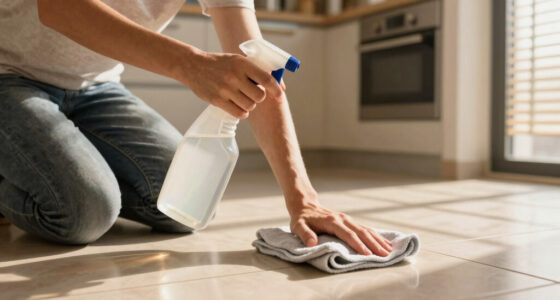
- Clear the floor of dirt and debris. Use a vacuum or broom, then mop with a damp cloth.
- Choose a product suitable for your floor type—wax or polish—and read the label carefully.
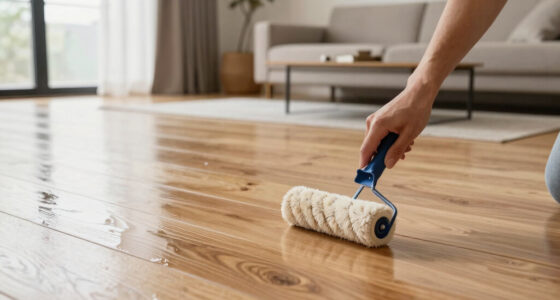
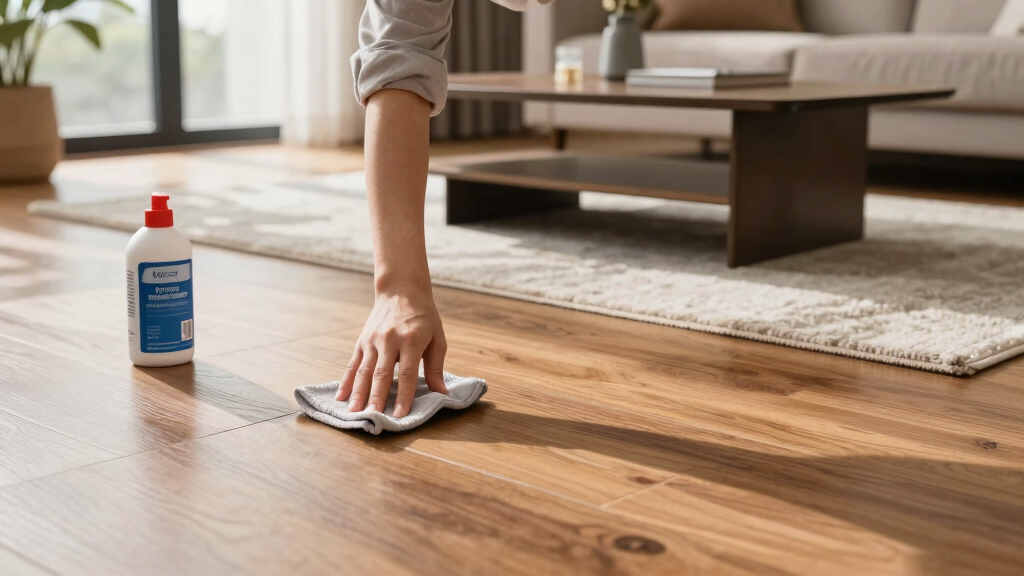
- Apply in thin, even coats using a soft cloth or mop. Avoid over-saturating the surface.
- Buff with a clean, dry cloth or use a buffer for a high-gloss finish. Repeat every 2-3 months for best results.
For example, on a hardwood floor, a light buffing after applying a water-based polish can bring out a stunning mirror-like shine that lasts longer.
As an affiliate, we earn on qualifying purchases.
Comparison table: Wax vs. Polish—what you should pick for your floor.
| Feature | Floor Wax | Floor Polish |
|---|---|---|
| Composition | Natural or synthetic wax, minimal resins | Synthetic resins, polymers, or hybrid formulas |
| Durability | Wears off in 4-6 weeks | Lasts 3-6 months depending on traffic |
| Best for | Unsealed wood, decorative floors | Sealed hardwood, vinyl, tile |
| Ease of Reapplication | Frequent, easy with minimal prep | Less frequent, requires stripping before reapplication |
| Environmental Impact | Can contain VOCs, but low-VOC options exist | Many water-based, eco-friendly options available |
As an affiliate, we earn on qualifying purchases.
Latest innovations—what’s new in floor wax and polish?
Recent advances make floor care safer and more effective. Eco-friendly formulas now dominate the market, with low-VOC, water-based options reducing indoor air pollution. Hybrid products combine natural waxes with durable polymers, offering a balance of appearance and longevity. Nanotechnology is also making a splash—adding scratch resistance and easier cleaning.
For example, a recent water-based polish can last twice as long as traditional wax, while emitting fewer fumes—great for homes with kids or pets. Plus, polyurethane finishes are increasingly replacing waxes for hardwood, providing a thicker, more resilient seal.
How often should you reapply? Set a simple schedule.
Reapplication frequency depends on foot traffic and product type. Generally, wax should be reapplied every 4-6 weeks in busy areas, while high-quality polish can last 3-6 months. For example, in a busy kitchen or hallway, sticking to a quarterly schedule prevents buildup and keeps floors looking fresh.
Always monitor the shine and feel—if it starts dull or sticky, it’s time to recoat. Regular cleaning and immediate removal of dirt extend the life of your wax or polish.
How to remove old wax or polish buildup without damage.
Old buildup can turn floors dull and sticky. To strip it, use a dedicated floor stripper or a mixture of warm water with a few drops of mild detergent. For example, if your hardwood floor looks cloudy after years of waxing, a gentle stripper can restore its natural beauty before reapplying fresh product.
Always follow manufacturer instructions and test in a small area first. Rinse thoroughly and let the surface dry completely before applying new wax or polish.
What about eco-friendly options? Are they worth it?
Eco-friendly floor waxes and polishes are more than just a trend—they’re often safer for your family and the planet. Many now feature low-VOC, biodegradable ingredients that emit fewer fumes. For instance, a water-based, biodegradable polish can deliver a bright shine without the harsh chemicals found in older formulas.
While they might cost a bit more upfront, they reduce indoor pollution and are safer for pets and kids. Plus, many brands are now offering high-performance options that rival traditional products.
Frequently Asked Questions
Can I use floor wax on all types of floors?
Not quite. Wax works best on unsealed wood or decorative surfaces. For sealed hardwood, vinyl, or tile, a polish or specialized sealant is usually better. Always check your flooring type and product labels before applying.How do I know when it’s time to reapply?
Look for dullness, sticky residue, or loss of shine. If the floor feels rough or looks uneven, it’s time for a fresh coat. Regularly inspect your floors to catch wear early.Are water-based products really as durable as solvent-based ones?
Yes, many modern water-based formulas now offer comparable durability with fewer fumes and lower VOCs. They often last several months and are easier to clean up without harsh chemicals.Can I mix different products—like wax and polish?
It’s best not to mix different coatings unless the manufacturer explicitly states compatibility. Mixing can cause uneven surfaces, buildup, or damage your floors.What’s the best way to keep my floors shiny without frequent reapplications?
Regular cleaning to remove dirt and grit is key. Use a soft mop with a gentle cleaner, and reapply polish or wax only when needed—usually every few months for high-traffic areas.Conclusion
Knowing the difference between wax and polish helps you make smarter choices—saving time, money, and frustration. A well-maintained floor isn’t just about shine; it’s about preserving your space’s health and beauty. When in doubt, stick to simple, eco-friendly solutions that respect your floors and the environment.Fall Picks
fall essentials
As an affiliate, we earn on qualifying purchases.