TL;DR

Get cleaning gear delivered free — and shop member deals
- Fast, free delivery on millions of items
- Access to Prime Big Deal Days deals on October 6–7
- Prime Video, Amazon Music and more included
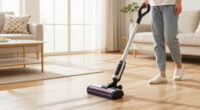
A consistent, methodical vacuuming pattern—like a grid or zig-zag—ensures thorough cleaning. Modern robotic vacuums can adapt to room layouts, saving you effort. Regular, proper vacuuming keeps floors spotless and improves indoor air quality.
Ever wonder why some floors still look dusty after you vacuum? It’s often about the pattern you use. A smart, deliberate approach can turn a mundane chore into a thorough, satisfying routine.
In this guide, you’ll learn how to pick the best vacuuming pattern for your floors, based on surface type and room layout. Plus, we’ll explore recent tech that makes cleaning easier—and better—than ever.
A systematic, overlapping vacuuming pattern ensures no dirt is missed, especially on carpets and hard floors.
Matching your vacuuming pattern to your floor type—zig-zag for carpets, grid for hard floors—maximizes dirt removal.
Using modern robotic vacuums with smart mapping can cut your cleaning time and improve coverage.
Regular maintenance of your vacuum—filters, brushes, and bins—keeps performance high and floors cleaner.
Consistent, deliberate vacuuming improves indoor air quality by removing allergens and dust more effectively.
Why a Clear Vacuuming Pattern Matters for a Spotless Floor
Using a specific pattern—like a grid, zig-zag, or spiral—ensures every corner and every inch gets attention. Skipping areas or randomly vacuuming leaves dirt behind, which adds up over time. Think of your floor as a field: without a plan, you’ll miss patches and have to go over the same spots repeatedly.
For example, vacuuming in a straight line across a room, then turning 90 degrees for the next pass, covers more ground efficiently. This method reduces missed debris and keeps your floors consistently clean, saving you time and effort.
As an affiliate, we earn on qualifying purchases.
How to Choose the Best Vacuuming Pattern for Your Floor Type
The pattern varies based on what you’re cleaning. For carpets, a back-and-forth or zig-zag pattern works best to lift dirt embedded deep in fibers. For hardwood or tile, a grid pattern ensures dust and crumbs are thoroughly removed.
Here’s a quick comparison:
| Floor Type | Recommended Pattern |
|---|---|
| Carpet | Zig-zag or overlapping passes |
| Hardwood/Tiles | Grid or straight lines |
| Laminate | Parallel strokes, overlapping slightly |
Matching your pattern to your floor type maximizes dirt removal and prolongs your vacuum’s life.
As an affiliate, we earn on qualifying purchases.
Step-by-Step: How to Vacuum a Room Like a Pro
- Start along one wall and vacuum in straight lines across the room, overlapping slightly with each pass.
- When you reach the other side, turn and vacuum in parallel lines, creating a grid pattern.
- Don’t forget edges and corners—use a crevice tool for those tight spots.
- Finish with a slow, overlapping pass over high-traffic areas for maximum dirt pickup.
This routine guarantees no spot gets missed, even under furniture or along baseboards.
As an affiliate, we earn on qualifying purchases.
Why Modern Robots and Smart Vacuums Are Changing the Game
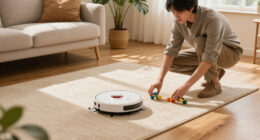
Smart vacuums use AI and mapping to develop their own cleaning patterns—covering every inch without your effort. They adapt to room layouts, avoid obstacles, and even learn from past messes. This means fewer missed spots and less manual labor.
For example, a robotic vacuum might scan your living room, then plan a zig-zag or spiral pattern that covers all surfaces in 20 minutes—no fuss needed from you.
While they don’t replace manual vacuuming entirely, they significantly reduce your workload and improve overall floor cleanliness.
As an affiliate, we earn on qualifying purchases.
Tips for Maintaining Your Vacuum and Improving Cleaning Results
- Clean filters and brushes weekly to maintain suction power.
- Adjust suction settings for different surfaces—higher for carpets, lower for hard floors.
- Use appropriate attachments—brush roll for carpets, crevice tool for edges.
- Vacuum regularly—at least once a week in high-traffic areas, to prevent dirt buildup.
- Empty the bin often to avoid loss of suction and spreading dust.
These simple habits keep your vacuum running smoothly and your floors cleaner longer.
Frequently Asked Questions
What is the best vacuuming pattern for carpets?
The most effective pattern for carpets is a zig-zag or overlapping back-and-forth motion. This lifts dirt embedded deep in fibers and prevents missed spots, especially in high-traffic areas.
How often should I vacuum different types of floors?
Vacuum high-traffic areas like living rooms and hallways at least once a week. For bedrooms and less-used spaces, every 2 weeks is fine. Hard floors benefit from more frequent cleaning, especially if you have pets or allergies.
Can robotic vacuums replace manual vacuuming?
Robotic vacuums are excellent for maintaining daily cleanliness and covering large areas efficiently. However, for deep cleaning, edges, or heavily soiled spots, manual vacuuming still plays a key role.
What are the tips for vacuuming hard-to-reach areas?
Use a crevice tool or a small brush attachment. Move furniture slightly if possible, and vacuum along baseboards or under furniture where dust tends to accumulate.
How do I choose the right vacuum cleaner for my flooring?
Pick a vacuum with adjustable settings for different surfaces. Consider attachments like a brush roll for carpets and a crevice tool for edges. Match the vacuum’s features to your specific floor types for best results.
Conclusion
Picking the right vacuuming pattern isn’t just about moving a vacuum back and forth. It’s about making every pass count, covering every inch, and using smart tools to do the heavy lifting. Your floors will thank you with every clean look and fresh scent.
Next time you vacuum, think of it as a mini mission—organized, thorough, and efficient. A little planning today makes for a cleaner, healthier home tomorrow.
Fall Picks
fall essentials
As an affiliate, we earn on qualifying purchases.