
TL;DR

Get cleaning gear delivered free — and shop member deals
- Fast, free delivery on millions of items
- Access to Prime Big Deal Days deals on October 6–7
- Prime Video, Amazon Music and more included
A consistent, overlapping vacuuming pattern, like straight lines or grids, ensures no dirt or pet hair is missed. Modern vacuums with smart sensors can optimize this process, leading to cleaner floors and healthier indoor air.
Ever notice how some floors seem cleaner even after a quick pass with your vacuum? It’s not just luck. The way you vacuum—your pattern—can make all the difference. Whether you’re tackling a dusty hardwood or a plush carpet, a deliberate approach ensures you pick up more dirt, pet hair, and allergens.
In this guide, you’ll learn how to choose the best vacuuming pattern for your floors, how modern tech can help, and simple tricks to get the most out of every sweep. Your floors will thank you—and your lungs will breathe easier.
Systematic, overlapping vacuuming patterns like grids or straight lines clean floors 30% better than random passes.
Adjust your pattern based on floor type—gentle sweeping for hard floors, deliberate slow passes for carpets.
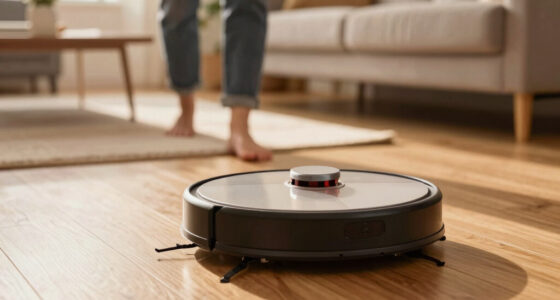
Modern robotic vacuums can automatically follow optimized routes, mimicking effective manual patterns.
Regular vacuum maintenance prevents pattern-compromising issues like clogging and worn brushes.
Clutter-free floors and changing directions mid-pass boost dirt removal and overall cleanliness.
Why Your Vacuuming Pattern Matters More Than You Think
The way you move your vacuum affects how much dirt you lift and how thoroughly your floor gets cleaned. Random wandering might seem easier, but it often leaves behind hidden debris. Systematic patterns—like straight lines or grids—cover every inch.
Imagine trying to clean a large window with random smudges. Now picture wiping it in neat, overlapping strokes. Which gets cleaner faster? The same idea applies to your floors. Consistent, overlapping passes trap more dirt and prevent missed spots.
Research from Outright Cleaning shows that a structured pattern can boost cleaning efficiency by up to 30%, especially on carpets where embedded dirt needs deliberate agitation.
Choosing a systematic pattern isn’t just about cleanliness; it also impacts your vacuum’s lifespan. By maintaining a consistent pattern, you reduce unnecessary back-and-forth movements that can wear out components faster. Moreover, it saves time and energy, making your cleaning routine more sustainable and less tiring.
best vacuum cleaner for hardwood floors
As an affiliate, we earn on qualifying purchases.
As an affiliate, we earn on qualifying purchases.
3 Easy Patterns That Guarantee a Cleaner Floor
- Straight-Line Pattern: Vacuum in straight, parallel lines from one side of the room to the other. Overlap each pass slightly. This method is simple and great for large, open spaces. It ensures uniform coverage, reducing the chance of missed spots that can occur with erratic movements. However, it might be less effective on textured or heavily soiled surfaces where more agitation is needed.
- Grid Pattern: Divide the room into sections. Vacuum each section in a grid-like fashion, first one direction, then the perpendicular. This pattern is particularly effective for high-traffic areas or rooms with embedded dirt, as it ensures thorough coverage. It also helps in identifying areas that need extra attention, such as corners or under furniture, because you approach each zone methodically.
- Spiral or Circular Pattern: Start at the center and work outward in concentric circles. This pattern is useful for spot-cleaning or small areas. It can also be helpful for cleaning around fixed objects like tables or chairs, ensuring no debris is missed in tight spaces. While effective for targeted cleaning, it may be less efficient for large spaces unless combined with other patterns.
For example, on a carpeted living room, following a grid pattern ensures every fiber gets attention, lifting embedded dirt better than random passes. This deliberate approach minimizes the risk of re-soiling areas already cleaned and helps maintain a consistently fresh appearance.
robot vacuum with smart route planning
As an affiliate, we earn on qualifying purchases.
As an affiliate, we earn on qualifying purchases.
How to Adapt Your Pattern for Different Floors
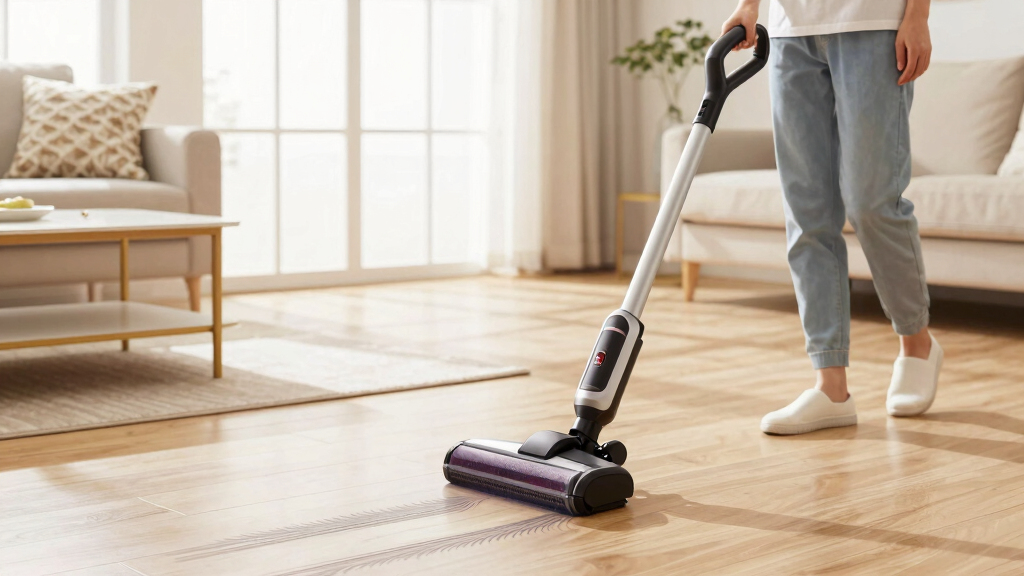
Hardwood, tile, and carpet floors each need a different touch. Vacuuming in a pattern tailored to the surface prevents damage and improves results.
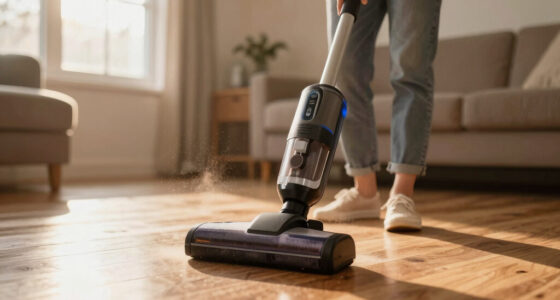
Hardwood and Tile Floors: Use gentle, sweeping motions in straight lines or curves to avoid scratching. Keep the vacuum at lower suction if possible to prevent suction damage. Additionally, avoid excessive pressure, which can gouge or scratch delicate surfaces. Choosing the right brush or attachment—such as a soft brush head—further protects the surface and ensures effective dirt removal.
Carpets: Slow, deliberate passes in multiple directions loosen dirt trapped deep in fibers. Overlapping lines in a grid pattern work well here because they provide thorough agitation, dislodging debris that might otherwise be compacted or hidden. For heavily soiled carpets, consider an extra pass or a specialized deep-cleaning setting to maximize dirt removal. The pattern’s deliberate nature ensures you don’t miss deep-seated dirt, which can cause odors and allergens if left untreated.
In a busy kitchen with tile floors, a quick cross-hatch pattern removes crumbs and dust efficiently, preventing debris from scattering or settling into grout lines. The key is to match your pattern to the floor’s needs, balancing thoroughness with surface safety.
vacuum cleaner with grid pattern feature
As an affiliate, we earn on qualifying purchases.
As an affiliate, we earn on qualifying purchases.
How Smart Vacuums Follow the Perfect Pattern
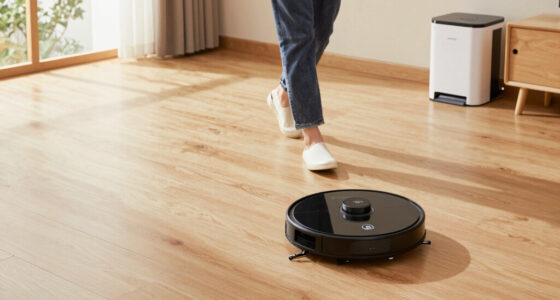
Many modern robotic vacuums now follow smart routes that mimic effective manual patterns. They use sensors to map your space and clean systematically, often in a grid or wall-following pattern.
This technology saves you time and energy. For example, a robot vacuum in a 200-square-foot living room can cover every corner in about 10 minutes, thanks to its programmed route. The ability to follow a planned pattern reduces the chances of missed spots and ensures consistent cleaning, especially in complex layouts with furniture and obstacles.
According to Outright Cleaning, these vacuums reduce missed spots by up to 25% compared to random wandering units, especially on intricate layouts. This means less manual intervention and more reliable results, making your cleaning routine more efficient and less frustrating.
As an affiliate, we earn on qualifying purchases.
Common Mistakes That Sabotage Your Vacuuming Routine
Even with the best pattern, some habits undo your efforts. Moving too quickly, skipping sections, or vacuuming in a single direction can leave dirt behind. These mistakes reduce the effectiveness of your pattern, allowing debris to settle into fibers or grout lines, where it becomes harder to remove later.
For example, rushing through a carpeted hallway might push dirt deeper or cause you to miss spots near edges or under furniture. Switching directions and overlapping lines ensures you lift more debris, especially stubborn pet hair or fine dust. Also, vacuuming in just one direction tends to push dirt around rather than lift it, so changing directions midway increases agitation and dirt removal.
Another mistake? Forgetting to clean your vacuum regularly. A clogged filter or worn brush diminishes suction, making your pattern less effective because less debris is actually being picked up. Regular maintenance is essential for consistent performance, ensuring your pattern works as intended and your floors stay cleaner longer.
Quick Tips to Make Your Vacuuming Pattern More Effective
- Clear clutter before starting to avoid missed spots and ensure the vacuum can reach every surface.
- Vacuum slowly over high-traffic areas for maximum dirt lift, allowing the vacuum to dislodge embedded particles.
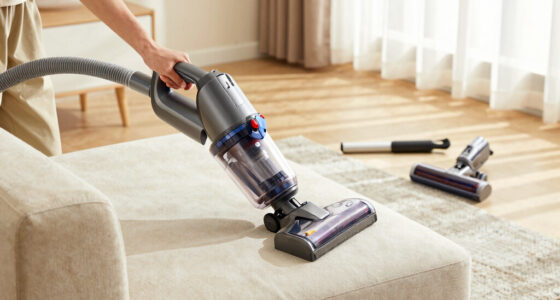
- Use the appropriate attachments—like crevice tools for edges and upholstery tools for furniture—to target different surfaces and hard-to-reach spots.
- Change direction midway through a pass to dislodge stubborn dirt and ensure thorough cleaning in every direction.
- Regularly maintain your vacuum—clean filters, brushes, and empty the canister—to keep suction at optimal levels and prevent pattern disruption caused by reduced performance.
Frequently Asked Questions
What is the best vacuuming pattern for carpets?
Slow, deliberate passes in multiple directions—like a grid—lift embedded dirt more effectively than rushing or random movements. Overlapping lines ensure no fiber is missed.How often should I vacuum for a clean home?
High-traffic areas benefit from daily vacuuming, while bedrooms and rarely used spaces can be cleaned weekly. Adjust based on foot traffic, pets, and allergies.Can robotic vacuums follow an effective pattern?
Yes. Many advanced models use sensors to map your space and follow grid or wall-following routes, covering every corner efficiently without your input.What techniques help remove pet hair from floors?
Vacuum slowly over pet areas, use brushes with rubber bristles, and go over spots multiple times in different directions. High-efficiency filters trap allergens better.How do I keep my vacuum performing at its best?
Clean filters regularly, check brushes for hair buildup, and empty the canister or bag often. Well-maintained equipment makes a noticeable difference in cleaning power.Conclusion
The way you vacuum shapes how clean your floors really get. A simple, consistent pattern—whether in straight lines, grids, or with a smart robot—can turn a chore into a highly effective routine. Remember, a little planning now pays off with a home that looks and feels fresher, cleaner, and healthier.
Next time you vacuum, think of your floor as a canvas. Cover every inch, overlap your strokes, and let your pattern do the work. Your floors will shine, and your home will breathe easier.
Halloween Picks
halloween
As an affiliate, we earn on qualifying purchases.