TL;DR

Get cleaning gear delivered free — and shop member deals
- Fast, free delivery on millions of items
- Access to Prime Big Deal Days deals on October 6–7
- Prime Video, Amazon Music and more included
Hydrogen peroxide is a handy, green cleaning agent when used correctly. Always follow label instructions, wear gloves, and avoid mixing it with other chemicals to prevent hazards. Proper use keeps your home safe and bacteria-free.
Imagine a cleaning product that’s effective, safe, and environmentally friendly. Hydrogen peroxide fits that bill—if you know how to use it right. It’s become a staple in green cleaning routines, but many stumble over its safety guidelines, risking irritation or damage.
In this guide, you’ll learn exactly how to handle hydrogen peroxide for cleaning, what surfaces it’s safe on, and common mistakes that can turn a simple task into a hazard. Whether you’re disinfecting kitchen counters or treating stains, understanding proper use makes all the difference.
Always use 3% hydrogen peroxide from a reputable source, stored in its original opaque bottle.
Apply enough to keep surfaces visibly wet for the contact time on the label—don’t wipe too soon.
Test on hidden areas before using on fabrics or delicate surfaces to prevent bleaching or damage.
Never mix hydrogen peroxide with vinegar, bleach, or ammonia—these create dangerous reactions.
Store in a cool, dark place away from children and pets, and dispose of expired or contaminated bottles properly.
How to Safely Use Hydrogen Peroxide for Cleaning
Hydrogen peroxide can disinfect compatible surfaces, lift selected stains, and break down into water and oxygen. Safe results depend on using ordinary 3% household solution, following the product label, protecting your skin and eyes, and never mixing cleaners.
Clean first. Disinfect second.
Disinfectants work less effectively through dirt, grease, and organic matter. Check compatibility, pre-clean the surface, and use the contact time printed on your exact product rather than relying on a generic homemade recipe.
Check
Confirm that the label permits the intended surface and purpose. Spot-test finishes and fabrics.
Pre-clean
Remove crumbs, soil, grease, and grime with soap or a suitable detergent.
Apply
Wear gloves and apply carefully with a clean cloth or as directed. Avoid spraying near your face.
Keep wet
Use enough product to keep the surface visibly wet for the full label contact time.
Finish
Air-dry or wipe as directed. Rinse food-contact surfaces when the label requires it.
More powerful also means more hazardous.
The visual scale shows the change in concentration, not a recommended dose. Routine household cleaning should stay with a labeled 3% product.
The safe household lane
A 3% solution is still an oxidizer: it can irritate skin and eyes, bleach materials, and damage incompatible finishes. Wear gloves, ventilate the area, and follow the label.
Do not dilute or handle concentrated industrial or “food-grade” peroxide for routine household cleaning. Never ingest hydrogen peroxide.
Useful, but not universal.
Hydrogen peroxide generally suits selected hard, nonporous materials. Porous, delicate, colored, coated, or specialty-finished materials require caution or a different cleaner.
Sealed countertops
Use only when the countertop manufacturer and product label permit it. Pre-clean and avoid prolonged exposure.
Ceramic tile
Glazed tile may tolerate household peroxide, but porous or unsealed grout can discolor or deteriorate.
Glass and fixtures
Compatible glass and bathroom fixtures can be cleaned when their coatings and finishes allow it.
Washable fabrics
For organic stains, wear gloves, use cold water, blot rather than rub, and check colorfastness before laundering.
Stainless steel
Short, label-directed use may be suitable, but repeated or prolonged exposure can affect some metals and finishes.
Tools and personal items
Clean selected items only when their manufacturer explicitly permits hydrogen peroxide.
Match the cleaner to the material.
“Natural” does not mean harmless. Oxidation can lighten dyes, dull finishes, corrode materials, or weaken fibers.
| Material | General fit | Primary concern | Safer decision |
|---|---|---|---|
| Glazed ceramic tile | ✓ OFTEN SUITABLE | Grout may be porous or unsealed. | Check the label and test grout separately. |
| Sealed countertop | ~ VERIFY FIRST | Coatings and specialty finishes vary. | Follow the surface maker’s instructions. |
| Colored or delicate fabric | ~ HIGH CAUTION | Bleaching, fading, or fiber damage. | Spot-test; follow the care label. |
| Natural stone or marble | ✗ AVOID | Dulling, discoloration, or finish damage. | Use a stone-approved cleaner. |
| Unsealed wood or porous grout | ✗ AVOID | Uneven absorption and discoloration. | Choose a material-specific method. |
| Painted or waxed surface | ~ HIGH CAUTION | Finish may fade, soften, or become dull. | Consult the coating manufacturer. |
| Electronic screen or device | ✗ AVOID | Liquid intrusion and coating damage. | Use the device maker’s approved method. |
Six mistakes that turn cleaning into a hazard.
Keep products separate, preserve the original container, and give each step enough time. Improvisation is the main risk.
Mixing cleaners
Never combine peroxide with vinegar, bleach, ammonia, rubbing alcohol, drain cleaner, or another cleaning product.
Using concentrated peroxide
Industrial-strength products can cause serious burns and require specialized handling.
Storing it in clear plastic
Light accelerates decomposition. Keep peroxide in its labeled, original opaque bottle.
Skipping pre-cleaning
Dirt and organic matter can shield microbes and reduce the disinfectant’s effectiveness.
Wiping too soon
The surface must remain wet for the full contact time specified by the product label.
Assuming compatibility
Always test an inconspicuous area before treating fabric, paint, metal, or a delicate finish.
Hydrogen peroxide plus vinegar in the same container can form irritating, corrosive peracetic acid. Use cleaning products separately—never as a homemade blend.
A safe result depends on every link.
A correct concentration cannot compensate for the wrong surface, inadequate contact time, or poor storage.
Wear gloves, ventilate, and prevent splashes near skin and eyes.
Confirm compatibility and remove dirt before disinfecting.
Keep the surface wet for the exact label contact time.
Seal the original dark bottle and store it away from light and heat.
Store securely
Keep the cap tightly closed in a cool, dark location away from children, pets, food, medicines, heat, and sunlight.
Prevent contamination
Do not return used peroxide to the bottle, transfer it to an unlabeled container, or store a mixed cleaning solution.
Dispose responsibly
Follow the product label and local household-chemical guidance for expired, contaminated, concentrated, or unwanted peroxide.
Use 3%. Read the label. Wear gloves. Test the surface. Keep it wet for the required time. Never mix it with another cleaner.
What is the right hydrogen peroxide to use for cleaning?
Use only 3% hydrogen peroxide from your local pharmacy or grocery store. Higher concentrations, like 6% or 35%, can cause burns and require special handling. This standard household solution is safe for most cleaning tasks when used as directed, but it’s essential to read the label carefully.
For example, a bottle labeled ‘first aid’ or ‘disinfectant’ with 3% concentration is your best bet. Avoid using industrial-grade peroxide or mixing different strengths—these can be dangerous and cause unintended reactions.
Always store it in its original dark bottle, away from heat and sunlight. Light breaks down hydrogen peroxide, diminishing its effectiveness over time.
Understanding why the concentration matters is crucial: higher concentrations are more potent but also more hazardous. Using a lower, household-grade solution ensures safety while still being effective for most cleaning needs. Proper storage in opaque bottles prevents light-induced decomposition, maintaining the peroxide’s strength when you need it most.
As an affiliate, we earn on qualifying purchases.
How to disinfect surfaces with hydrogen peroxide in 5 simple steps
- Check if the surface is compatible. Hydrogen peroxide works best on nonporous, sealed surfaces like kitchen counters, bathroom fixtures, and sealed tiles. Using it on incompatible surfaces can cause discoloration or damage, so understanding surface types helps avoid costly mistakes.
- Remove dirt and grease first. Use soap and water or a gentle detergent. Disinfectants don’t work well on dirty surfaces because organic matter can shield germs, reducing the disinfectant’s effectiveness and potentially fostering resistant bacteria.
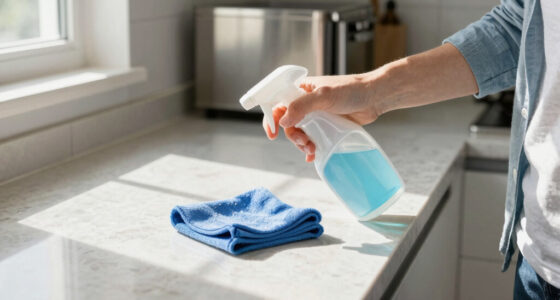
- Apply enough to keep the surface visibly wet for the contact time on the label—usually 1-5 minutes. Use a spray bottle or a clean cloth dampened with peroxide. Ensuring the surface remains wet maximizes germ-killing potential, as many disinfectants require a specific exposure time to be effective.
- Let it air-dry or wipe it down as instructed. Wiping too early reduces disinfecting power because the active agents haven’t had enough contact time to neutralize pathogens.
- If needed, rinse food-contact surfaces with water after disinfection. This step helps remove any residual peroxide, especially important in kitchens where food is prepared, to prevent unintended ingestion or irritation.
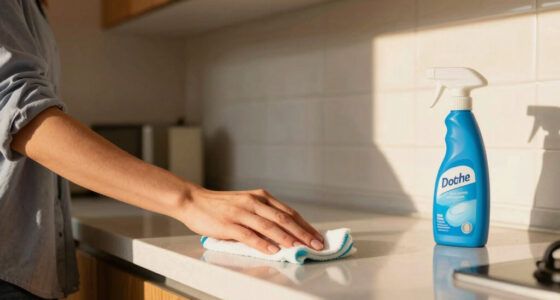
For instance, disinfecting a kitchen countertop might involve spraying hydrogen peroxide, letting it sit for 2 minutes—allowing sufficient contact time—and then wiping with a clean cloth. This method ensures germs are effectively killed without risking surface damage or chemical residue.
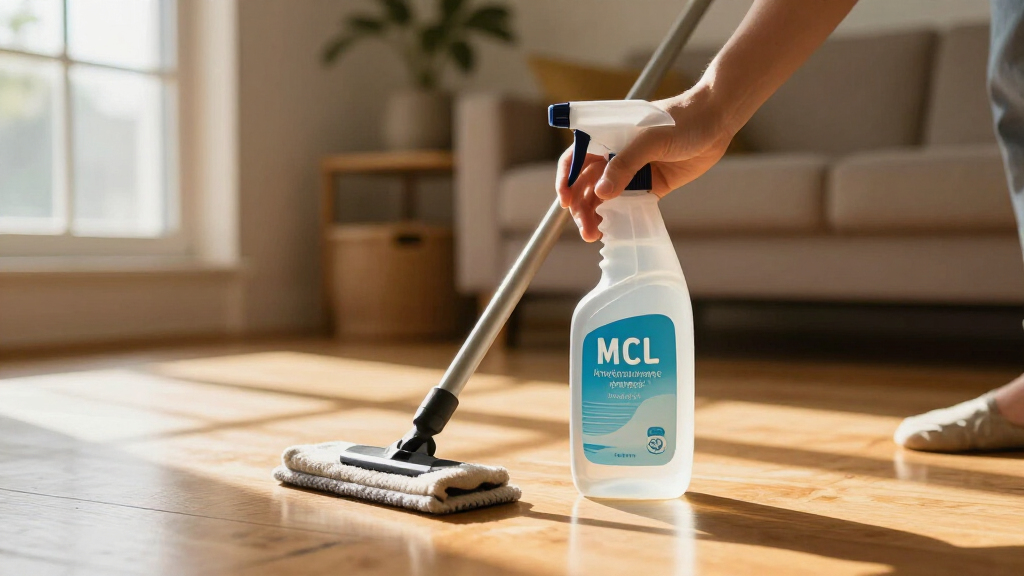
hydrogen peroxide safe cleaning spray
As an affiliate, we earn on qualifying purchases.
As an affiliate, we earn on qualifying purchases.
What household surfaces can I safely clean with hydrogen peroxide?
Hydrogen peroxide is versatile but not universal. It’s safe on many sealed, nonporous surfaces like ceramic tiles, sealed countertops, glass, and stainless steel. These materials can withstand the oxidative properties of peroxide without discoloration or degradation, making it effective for removing surface stains and reducing microbial load.
For example, it can help remove mold stains on bathroom tiles or disinfect your kitchen faucet—both surfaces that are resistant to mild bleaching effects when used appropriately. Its ability to oxidize organic material makes it ideal for these applications.
However, it’s not safe for all surfaces. It can bleach or dull natural stone, unsealed wood, porous grout, painted surfaces, and delicate fabrics. The oxidative nature can lead to discoloration or surface deterioration, especially with prolonged contact or repeated use. Always spot-test on a small, inconspicuous area before widespread application to assess compatibility and avoid unintended damage.
Remember, it’s excellent for surfaces that can withstand a bit of whitening or fading but can damage or discolor softer, more delicate materials. Being aware of these tradeoffs helps you choose the right cleaning method for each surface, maintaining both appearance and integrity.
As an affiliate, we earn on qualifying purchases.
Avoid these common mistakes to keep your home safe
- Mixing hydrogen peroxide with vinegar, bleach, or ammonia. These reactions can produce toxic gases or corrosive compounds, like peracetic acid. Such mixtures can cause respiratory irritation, burns, or even more severe health issues. Never combine chemicals in the same container—always use them separately to prevent dangerous reactions.
- Using industrial-strength peroxide for routine cleaning. Concentrated solutions are much more reactive and can cause chemical burns, surface damage, or respiratory issues if mishandled. Sticking to 3% solutions minimizes risks while still providing effective disinfection for household purposes.
- Storing peroxide in clear spray bottles. Light exposure degrades peroxide over time, reducing its effectiveness. Always keep it in its original opaque container or a container designed for chemical storage, and avoid transferring it to transparent bottles that let in light.
- Applying it on dirty surfaces without cleaning first. Organic matter like dirt, grease, or grime can shield germs from the disinfectant and reduce its efficacy. Proper cleaning prior to disinfection ensures maximum germ elimination and prevents resistant strains from developing.
- Wiping off before the recommended contact time. Many disinfectants require a specific duration to neutralize pathogens effectively. Rushing this step can leave surfaces contaminated and compromise hygiene standards.
- Ignoring surface testing. Always test an inconspicuous spot first, especially on fabrics or delicate finishes. This precaution prevents accidental bleaching, discoloration, or surface deterioration that can result from incompatible materials.
For example, spraying hydrogen peroxide on a coffee stain on your white shirt and immediately wiping it off might seem efficient, but it can actually weaken stain removal and cause uneven bleaching. Patience and testing are essential for safe, effective cleaning.
As an affiliate, we earn on qualifying purchases.
How to store and dispose of hydrogen peroxide safely
Hydrogen peroxide decomposes into water and oxygen when exposed to light, heat, or contamination. Keep it in its original dark bottle, tightly closed, and away from heat sources. Proper storage prolongs its shelf life and maintains its disinfecting potency, which is crucial for effective cleaning and safety.
Check the expiration date—older peroxide loses potency because the active oxygen breaks down over time. Using expired peroxide reduces disinfecting effectiveness, leaving surfaces inadequately sanitized. Discard expired or contaminated bottles according to local hazardous waste rules to prevent environmental harm and accidental exposure.
Handling small amounts at home is generally safe: pour only what you need and do not return unused peroxide to the original bottle, as this can introduce contaminants. For large quantities or industrial use, follow proper disposal procedures—often involving dilution and specialized waste management—to prevent environmental damage or chemical hazards.
Always keep it away from children and pets. Store in a cool, dark cabinet, and label all containers clearly to prevent accidental misuse or ingestion. Proper storage and disposal are vital to ensure safety for everyone in your household and community.
First aid tips if hydrogen peroxide gets in your eyes, skin, or you swallow it
If hydrogen peroxide contacts your eyes: rinse immediately with plenty of water for at least 15 minutes. Remove contact lenses if easy to do, and seek medical help if irritation persists. Prompt rinsing prevents chemical burns and minimizes potential damage to sensitive eye tissues.
On skin: rinse thoroughly with water. Remove contaminated clothing and wash the area gently. Mild whitening or tingling is normal, but persistent pain, redness, or blistering indicates injury requiring medical attention. Quick action reduces the risk of tissue damage.
If inhaled: move to fresh air immediately and breathe deeply. Seek help if coughing, difficulty breathing, or dizziness continue, as inhalation of vapors or aerosols can cause respiratory irritation or more serious issues.
Swallowing: do not induce vomiting. Rinse your mouth thoroughly and seek emergency help or contact poison control, especially if you ingested a concentrated solution. Monitoring for symptoms like nausea, abdominal pain, or difficulty swallowing is important—medical evaluation ensures proper care.
For example, a splash in the eye while spraying disinfectant can cause pain and redness. Immediate rinsing with water and prompt medical consultation can prevent long-term damage, emphasizing the importance of quick response and safety precautions.
What’s new and what to watch out for in household hydrogen peroxide use
Recently, the focus has shifted toward targeted, label-specific use rather than routine disinfecting of every surface. Using soap and water often suffices for everyday cleaning, reserving peroxide for higher-risk situations where germ elimination is critical. This approach minimizes unnecessary chemical exposure and reduces potential material damage from overuse.
New guidelines emphasize verifying product registration, respecting contact times, and avoiding unproven DIY mixtures circulating online. These DIY solutions can produce harmful byproducts or reduce efficacy, leading to safety hazards or ineffective cleaning. Staying informed about approved products and following manufacturer instructions ensures optimal safety and performance.
Stay aware that hydrogen peroxide products vary in formulation and strength. Always follow manufacturer instructions and avoid assumptions about their disinfecting power, as misapplication can lead to surface damage or health risks. Using stabilized, ready-to-use disinfectants with clear instructions is generally safer and more reliable than homemade mixtures.
For example, using a stabilized, ready-to-use disinfectant with hydrogen peroxide provides consistent results and reduces risks associated with DIY solutions, which might contain unintended chemicals or produce harmful byproducts. Being cautious and informed helps you make the best choices for your household safety.
Frequently Asked Questions
Can I mix hydrogen peroxide with vinegar for cleaning?
No. Combining these in the same container creates peracetic acid, which is corrosive and irritating. This reaction releases acetic acid and oxygen, which can cause respiratory irritation, skin burns, or damage to surfaces. Mixing can also produce unstable compounds that might explode or release harmful vapors. Always use these substances separately and rinse thoroughly between applications to ensure safety and effectiveness.
Is hydrogen peroxide safe to use on food surfaces?
Only if the product is specifically labeled as safe for food contact. Many household hydrogen peroxide solutions are not intended for direct contact with edible items. For cleaning fruits and vegetables, rinse thoroughly with water. Never apply undiluted or unapproved peroxide directly on food or food-contact surfaces without proper guidance or labeling to prevent chemical ingestion and health risks.
How long should hydrogen peroxide sit on a surface to disinfect?
Follow the contact time specified on the label—usually 1 to 5 minutes. This duration ensures that the peroxide remains in contact with germs long enough to disrupt their cellular processes, leading to effective disinfection. Wiping off too early can leave residual pathogens, undermining hygiene efforts. Patience during this step is essential for optimal germ elimination.
Can I use hydrogen peroxide to remove mold?
Yes, especially on surface stains on tiles or sealed surfaces. Hydrogen peroxide oxidizes organic material, breaking down mold spores and stains. However, it’s less effective on porous materials like drywall or unsealed wood, where mold can penetrate deeper. In such cases, combined approaches—like cleaning with peroxide and controlling moisture—are necessary to prevent regrowth. Proper ventilation and moisture management are critical to long-term mold prevention.
Is hydrogen peroxide better than bleach?
They serve different purposes. Hydrogen peroxide breaks down into water and oxygen, leaving fewer chemical residues, making it safer for many household applications. However, bleach (sodium hypochlorite) is often more potent against certain pathogens and stains but can be harsher, produce fumes, and damage surfaces or fabrics if misused. Choosing between them depends on the specific cleaning task, material compatibility, and safety considerations. Understanding these tradeoffs helps ensure effective and safe cleaning.
Conclusion
Hydrogen peroxide is a simple, green tool for many cleaning tasks—when handled with care. Following basic safety rules transforms it from a hazard into a powerful ally for a cleaner, healthier home.
Keep it in its original bottle, use it as directed, and respect its limits. With a little caution, you can enjoy its benefits without risking your health or surfaces. Remember: a safe home is a happy home.
Fall Picks
fall essentials
As an affiliate, we earn on qualifying purchases.