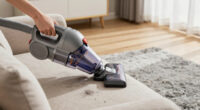
TL;DR

Get cleaning gear delivered free — and shop member deals
- Fast, free delivery on millions of items
- Access to Prime Big Deal Days deals on October 6–7
- Prime Video, Amazon Music and more included
Vacuum pet hair without clogging by choosing the right vacuum, maintaining it regularly, and employing specific techniques like pre-treating hair and overlapping passes. Proper care extends your vacuum’s lifespan and keeps your home cleaner.
Pet hair can turn your home into a shedding battleground in minutes. It sticks to carpets, furniture, and clothing, often clogging up vacuums and making cleaning a chore. But with the right approach, you can keep your vacuum working smoothly and your surfaces hair-free.
This guide shows you how to avoid those frustrating clogs, select better tools, and use techniques that make pet hair cleanup easier and more effective. Whether you have a fluffy dog, a shedding cat, or both, these tips will help you keep pet hair under control without turning your vacuum into a clogging nightmare.
Regularly empty and clean filters to keep airflow clear and prevent clogs.
Use rubber or silicone attachments to loosen pet hair before vacuuming.
Choose vacuums with high suction, specialized pet tools, and advanced filters.
Vacuum slowly with overlapping passes to pick up hair effectively and avoid pushing it deeper.
Inspect hoses and nozzles frequently for hair buildup and clear blockages promptly.
Pick the Perfect Vacuum for Pet Hair — Your Secret Weapon
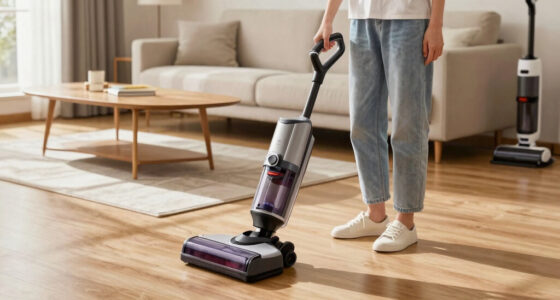
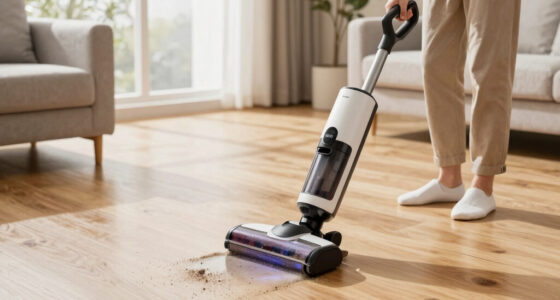
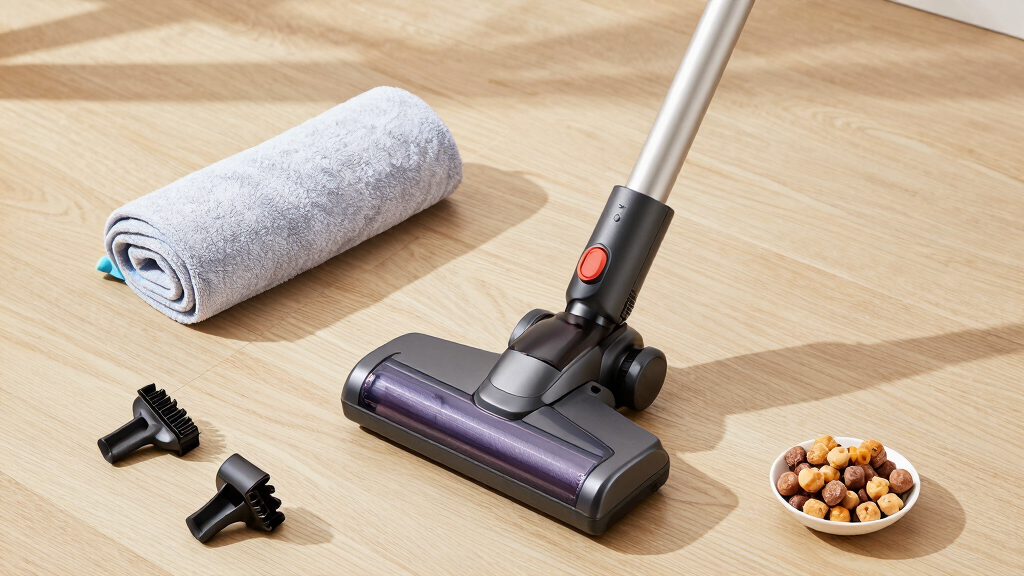
The first step to vacuuming pet hair without clogging is choosing the right vacuum. Look for models with strong suction and HEPA filters that trap allergens. A motorized brush roll or specialized pet hair attachments take hair removal to the next level.
For example, many pet owners swear by upright vacuums with self-cleaning brushes or handheld devices equipped with rubberized surfaces. Rubber and silicone are better at grabbing pet hair than traditional bristles, especially on furniture and stairs.
Considerbagged vacuums if you want to cut down on filter clogging—these trap hair more effectively and are easier to empty without making a mess. But if you prefer bagless, prioritize models with easy-to-clean filters and cyclone technology to keep airflow clear.
Choosing the right vacuum isn’t just about initial cleaning power; it’s about understanding how features like filters, attachments, and design influence clog prevention and long-term usability. A vacuum with high suction but poor filtration or clogs easily can lead to frequent maintenance issues, negating its benefits. Therefore, investing in a model designed specifically for pet hair, with features that facilitate easy cleaning and reduce airflow restrictions, means fewer interruptions and more effective hair removal over time.
As an affiliate, we earn on qualifying purchases.
Keep Your Vacuum Running Like New — Maintenance Tips That Matter
Regular upkeep is key to avoiding clogs and maintaining suction. Empty your vacuum’s bin or replace bags before they fill more than 75%. Waiting too long lets hair and debris pack up and block airflow, which can drastically reduce suction and strain the motor. Consistent emptying prevents hair from becoming compacted, which is harder to remove and can cause blockages.
Clean or replace filters every few months, especially if you notice a drop in suction. Dirty filters restrict airflow, forcing the vacuum to work harder and increasing the chance of clogging. Check hoses and nozzles for hair buildup by running your hand through the hose or inspecting with a flashlight. Clearing blockages early prevents major clogs that can damage the motor or require costly repairs.
For example, a pet owner might empty their vacuum’s dustbin twice a week during shedding season and clean filters monthly. This routine not only maintains optimal suction but also reduces the risk of hair becoming lodged deep within the system, which can lead to more serious clogs or motor burnout if neglected. Proper maintenance extends the lifespan of your vacuum and ensures it performs consistently, saving money and effort in the long run.
vacuum with HEPA filter for pet hair
As an affiliate, we earn on qualifying purchases.
As an affiliate, we earn on qualifying purchases.
Use Smart Techniques to Loosen and Pick Up Pet Hair Effectively
Before vacuuming, loosen stubborn pet hair with simple tricks. Rubber gloves or a damp sponge can be rubbed over furniture, lifting hair effortlessly. This pre-treatment is crucial because pet hair often embeds deeply into fibers, making it difficult for the vacuum to extract without causing blockages or requiring multiple passes. Loosening the hair reduces the workload on your vacuum, prevents hair from compacting in filters and hoses, and ultimately results in a more thorough clean.
When vacuuming, use overlapping passes and vacuum in multiple directions. This ensures no hair is missed and minimizes the need for repeated passes that can stress your vacuum or push hair further into fibers. For carpets, go slow and press the brush roll firmly to dislodge hair from deep fibers. This technique helps prevent hair from accumulating in one spot, which can lead to clogs or reduced suction.
Imagine vacuuming a plush sofa. Running a rubber glove over the cushions first gathers a lot of loose hair, making the vacuum’s job much easier and faster. The pre-treatment step is especially important in high-shedding homes because it significantly reduces the volume of hair the vacuum has to handle during each cleaning session, thereby reducing the risk of clogs and maintaining suction power.
As an affiliate, we earn on qualifying purchases.
Compare Top Tools and Features for Pet Hair Vacuuming
| Feature | Traditional Vacuum | Pet Hair Vacuum |
|---|---|---|
| Suction Power | Moderate | High |
| Attachments | Basic | Rubberized Pet Hair Tools, Motorized Brushes |
| Filters | Standard | HEPA or Advanced Filtration |
| Design | Traditional | Self-cleaning brushes, Anti-clog features |
This comparison shows that pet-specific vacuums often include features that prevent clogging—like specialized attachments and better filters. Understanding these features helps you select tools that not only clean better but also last longer by reducing the likelihood of clogs and airflow restrictions. Investing in a vacuum designed with these considerations in mind ensures more consistent performance and reduces maintenance headaches, especially in homes with heavy shedding pets.
As an affiliate, we earn on qualifying purchases.
Avoid Common Pitfalls — What Not to Do When Vacuuming Pet Hair
Don’t ignore regular maintenance. Waiting too long to clean filters or empty the bin leads to clogged hoses and weaker suction. Over time, accumulated hair and debris can cause severe blockages that are difficult to clear and may damage the motor if not addressed promptly. Also, avoid using old, worn brushes that can push hair around instead of lifting it—worn brushes are less effective and can cause hair to wrap around the brush roll, increasing clogging risks.
Never vacuum pet hair on very wet surfaces or with a vacuum not rated for wet use. Moisture can cause clogs or damage the motor, and attempting to vacuum wet hair can lead to mold growth or electrical issues. And avoid rushing—vacuum slowly over thick carpets to loosen hair without forcing it into the vacuum’s system. Rushing can cause hair to become compacted or pushed deeper into fibers, making removal harder and increasing clog risk.
For example, skimming over a couch quickly might seem efficient, but it can push hair deeper into fibers, making it harder to remove later and increasing clog risks. Taking the time to vacuum methodically prevents hair from embedding further and reduces the chance of clog-related damage, especially in homes with heavy pet shedding.
Your Action Plan: 5 Steps to Vacuum Pet Hair Without Clogging
- Choose a vacuum with strong suction, good filters, and pet-specific attachments.
- Pre-treat surfaces with rubber gloves or damp cloths to lift hair.
- Vacuum in overlapping, slow passes, changing direction often. This technique ensures comprehensive removal and prevents the pushing of hair into fibers or clogging the system.
- Regularly empty the bin, clean filters, and check hoses for blockages. Consistent maintenance prevents buildup and keeps airflow optimal, directly reducing clog risks.
- Use specialized tools like rubber brushes or handheld vacuums for tricky spots. These tools can dislodge hair from tight spaces or deep fibers, reducing the strain on your main vacuum and preventing clogs.
This clear plan helps you stay ahead of hair buildup and prevents your vacuum from clogging, saving you time and frustration in the long run.
Frequently Asked Questions
What is the best vacuum for pet hair that won’t clog easily?
Look for vacuums with high suction power, HEPA filters, and pet-specific attachments like rubber brushes. Models with self-cleaning brushes and cyclone technology tend to clog less and last longer.How often should I vacuum to keep pet hair under control?
For most households with pets, vacuuming 2-3 times weekly keeps hair from building up. Heavy shedders might need daily quick cleanings on furniture and carpets.How do I prevent my vacuum from clogging with pet hair?
Regularly empty your vacuum’s bin or replace bags, clean filters, and inspect hoses for hair buildup. Using the right attachments and pre-treating surfaces also helps reduce clogging.Are there specific techniques to remove pet hair from furniture and carpets?
Yes, start with rubber gloves or damp cloths to loosen hair. Then vacuum slowly in overlapping passes, changing directions often for thorough removal and fewer clogs.Can I use a handheld vacuum for pet hair?
Yes, especially models built for pet hair with rubberized surfaces. For larger areas or deep fibers, a full-sized vacuum with strong suction is usually more effective.Conclusion
Keeping pet hair out of your vacuum requires a mix of the right tools and simple habits. Regular maintenance and smart techniques prevent clogs, making your cleaning quicker and more effective. Remember, a well-cared-for vacuum is your best ally in a hair-free home.
Next time you see a mountain of pet hair, think of it as a battle you can win—just with the right strategy. Your vacuum, your home, and your pets will thank you.
Fall Picks
fall essentials
As an affiliate, we earn on qualifying purchases.