TL;DR

Get cleaning gear delivered free — and shop member deals
- Fast, free delivery on millions of items
- Access to Prime Big Deal Days deals on October 6–7
- Prime Video, Amazon Music and more included
Removing paint from a hard floor depends on the paint type and surface material. Fresh paint comes off with water and soap, while dried paint may need solvents or scraping. Always test first and follow safety rules.
Spilled paint on your floor? Don’t panic. Whether it’s a splatter from a quick fix or a careless brushstroke, paint on a hard surface can seem stubborn—until you know the right tricks. The good news: most paint stains are removable, if you act fast and choose the right approach.
This guide walks you through simple, safe methods to get your floors back to their original shine. No harsh chemicals, no professional help needed—just practical steps you can trust in your own home.
Act quickly on fresh paint—water and soap often do the trick if you catch it early.
Test solvents on a small, hidden area before applying broadly to avoid damage.
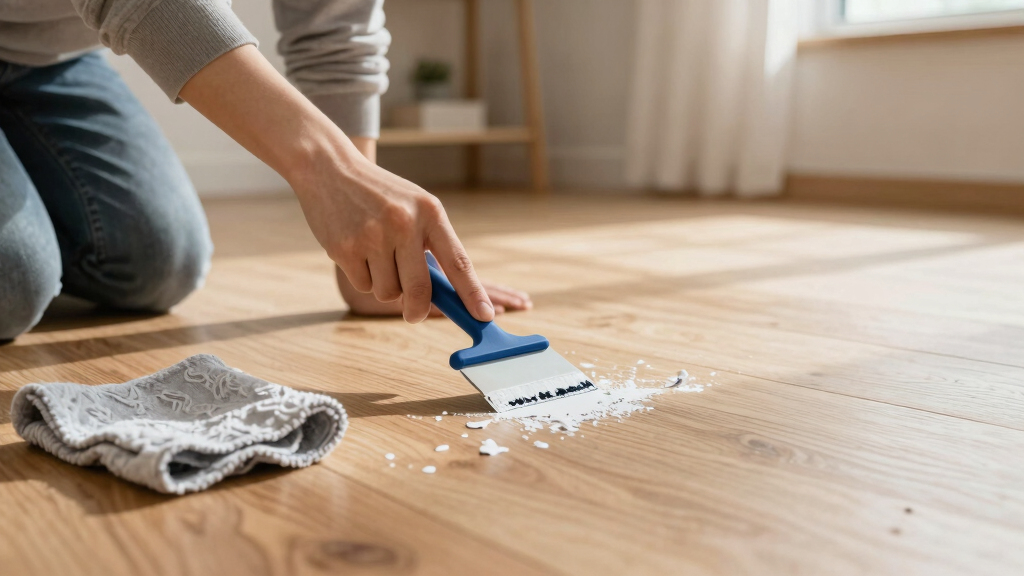
Use gentle tools like plastic spatulas or soft brushes to lift paint without scratching surfaces.
Dried latex paint responds well to rubbing alcohol, while oil-based paint may need acetone.
Safety gear and proper ventilation are non-negotiable when working with chemicals.
Identify Your Paint and Floor Type First — Why It Matters
The first step is knowing what kind of paint you’re dealing with and what your floor is made of. Latex or water-based paints are usually easier to remove, while oil-based or epoxy paints are more stubborn. Likewise, hardwood, tile, vinyl, or laminate floors each react differently to cleaning agents.
For example, fresh latex paint on a tile floor might wipe away with warm water and a sponge. Dried oil paint on hardwood, however, could require solvents and gentle scrubbing.
Understanding these differences is crucial because choosing the wrong removal method can cause damage or make the stain harder to remove. For instance, using harsh solvents on delicate hardwood finishes might strip the sealant or discolor the surface. Conversely, attempting to scrub dried oil paint with water alone will be ineffective, leading to frustration and wasted effort. Testing small areas first helps you gauge how your floor reacts, minimizing risks and ensuring you select the most effective, least invasive method.
As an affiliate, we earn on qualifying purchases.
Quick Action for Fresh Paint — How to Save Your Floor Fast
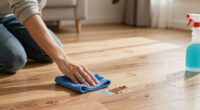
Fresh paint is much easier to lift if you act within the first few minutes. Use warm water and a few drops of dish soap. Soak a soft cloth or sponge, then gently dab or wipe the spill.
If the paint is still wet, you might see it lift right away. For larger splashes, gently scrape with a plastic spatula or putty knife to lift the paint without scratching. Acting quickly prevents the paint from drying and setting, which makes removal more straightforward and less labor-intensive.
Imagine a spilled bucket of white latex paint on your glossy vinyl floor. A quick soak and gentle scrape can often remove most of it in under five minutes, saving you from longer, more complicated cleaning later. The key is to prioritize speed and gentle techniques, as aggressive scrubbing can spread the paint or damage the surface, making future removal more difficult.
As an affiliate, we earn on qualifying purchases.
Removing Dried Paint — Step-by-Step Guide to Tackle Stubborn Spots
- Test a small area with your chosen solvent (rubbing alcohol, acetone, or a commercial remover). This step is vital because it determines whether the solvent will damage your specific floor finish or cause discoloration. Some surfaces, like plastics or unsealed wood, can be sensitive to certain chemicals, so testing helps prevent costly mistakes.
- Apply the solvent with a cloth, letting it sit for 5-10 minutes to soften the paint. This waiting period allows the chemical to penetrate and loosen the bond between the paint and the surface, making removal easier and reducing the need for excessive scrubbing.
- Gently scrub with a soft-bristled brush or sponge. Avoid harsh abrasives because they can scratch or dull the surface, especially on delicate finishes like varnished hardwood or glazed ceramic tiles. Gentle scrubbing, combined with the softened paint, results in effective removal while preserving your floor’s integrity.
- If needed, repeat the process until the paint lifts. Patience here prevents damage—rushing may cause the solvent to be overly aggressive or lead to incomplete removal.
- Finish by cleaning the area with warm water and mild detergent to remove any residual chemicals, ensuring no lingering solvent affects the surface or future finishes.
For example, dried oil-based paint on ceramic tiles can be loosened with a small amount of acetone, then carefully scrubbed away without damaging the glaze. This method minimizes surface damage while effectively removing stubborn paint, but always remember that overuse of solvents can weaken or discolor surfaces if not properly tested and applied.
plastic putty knife for paint removal
As an affiliate, we earn on qualifying purchases.
As an affiliate, we earn on qualifying purchases.
Compare Common Paint Removal Options — What Works Best?
| Method | Best For | Pros | Cons |
|---|---|---|---|
| Warm Water & Soap | Fresh latex paint | Safe, cheap, eco-friendly | Limited to wet paint |
| Rubbing Alcohol | Dried latex or water-based paint | Effective, quick | Can damage some surfaces if overused |
| Acetone or Nail Polish Remover | Dried oil-based paint | Powerful, dissolves tough paint | Strong smell, potential surface damage |
| Commercial Paint Removers | Stubborn spots, specialty paints | Designed for specific surfaces | Cost, chemical exposure |
| Sanding | Persistent paint on rough surfaces | Effective, especially for thick layers | Can scratch or damage delicate floors |
Choose the right tool based on your paint type and floor material. For example, avoid harsh solvents on hardwood unless you’ve tested first. Consider the tradeoffs: while stronger solvents like acetone are effective, they risk damaging delicate finishes if not used carefully. Conversely, gentler methods like water and soap are safer but only suitable for fresh or water-based paints. Making an informed choice ensures you remove paint effectively without compromising your floor’s integrity.
As an affiliate, we earn on qualifying purchases.
Safety First — Protect Yourself and Your Floors
Paint removal often involves chemicals, so safety is key. Always wear gloves, goggles, and work in a well-ventilated space. Read labels carefully to follow instructions and avoid fumes or skin irritation.
Test solvents on a small area before full application. This prevents unexpected damage. For example, a quick patch test on a corner of your tile floor can reveal if the solvent will discolor or etch the surface. Skipping this step can lead to permanent damage or discoloration, especially on sensitive surfaces.
Remember: no matter what method you choose, safety comes before speed or convenience. Using protective gear and ensuring proper ventilation minimizes health risks and prevents accidents, making your cleaning process safer and more effective.
When to Call in the Pros — Don’t Risk It
If the paint is deeply embedded, or your floor is delicate like hardwood or laminate, consider professional help. Heavy-duty stains or large spills can require specialized tools or refinishing skills. Attempting to remove stubborn paint yourself might lead to damage that’s costly or impossible to repair without expert intervention.
For example, a large spill on a high-gloss hardwood floor might look tempting to scrub yourself, but the risk of scratches or discoloration is high. A professional refinisher has the experience and tools to restore your floor’s beauty safely. Recognizing when the job exceeds your skill level helps you avoid making the problem worse and ensures your floors are properly restored.
Trust your judgment—if in doubt, getting expert help saves time and preserves your floors’ beauty, preventing costly mistakes and ensuring a professional finish.
Frequently Asked Questions
Can I use vinegar or baking soda to remove paint?
Vinegar and baking soda are gentle, natural options, but they’re generally not effective against dried paint. They work better for cleaning residue or fresh spills. For stubborn paint, stronger solvents or scraping are usually needed.
How long do I wait before trying to remove dried paint?
Wait until the paint is fully dry—usually at least 24 hours. Trying to remove wet or semi-dried paint too early can cause smudging or spreading, making the stain worse.
Will using acetone damage my floor?
Acetone can damage some surfaces, especially plastics or delicate finishes. Always test on a small area first, and avoid prolonged contact. On tile or sealed concrete, it’s generally safe if used carefully.
Are eco-friendly paint removers just as effective?
Many eco-friendly removers are now formulated to work well on latex and water-based paints. Always check product instructions, and test on a small area first to confirm effectiveness.
How can I prevent paint from spilling in the first place?
Use painter’s tape, drop cloths, and careful pouring techniques. Cover nearby surfaces during projects, and work slowly to avoid accidents. Prevention beats cleanup every time.
Conclusion
Removing paint from a hard floor isn’t about harsh chemicals or big tools. It’s about patience, testing, and gentle methods tailored to your floor and the paint type. A little careful work now keeps your floors looking pristine.
Next time you spill paint, remember: speed helps, but safety and the right approach make all the difference. Your floors will thank you for it—just take it slow and steady.
Halloween Picks
halloween
As an affiliate, we earn on qualifying purchases.