TL;DR

Get cleaning gear delivered free with Prime
- Fast, free delivery on millions of items
- Prime Video, Amazon Music and more included
- Member-only deals all year
Weekly steam mopping can be helpful for deep cleaning and sanitizing, especially in high-traffic areas. However, overuse may harm certain floors. Use adjustable settings and follow manufacturer guidance to keep floors safe and clean.
Imagine the rich, warm scent of a clean home, the shine of freshly cleaned floors under your feet. But how often should you reach for that steam mop? The truth is, it depends. Frequent steaming can boost hygiene and remove stubborn grime, but overdoing it risks damage to your floors. In this guide, you’ll learn when and how often to steam mop, which floors benefit most, and how to do it safely without risking moisture damage or wear.
We’ll also explore the latest in steam mop tech, showing you how modern features can make weekly cleaning easier and safer. Whether you live with pets, kids, or just want the freshest floors, understanding the right frequency and technique helps you keep your home shining without harm.
Use the lowest effective steam setting and follow manufacturer instructions for your floor type.
High-traffic areas may need weekly steam mopping, but less-used spaces can go longer between cleanings.
Over-mopping or using high heat on sensitive floors can cause damage over time. Balance frequency with floor durability.
Modern steam mops with adjustable steam and quick heat-up make weekly cleaning safer and easier.
Always test a small area first and let floors dry completely before walking on them again.
Is Weekly Steam Mopping Safe for Your Floors?
Yes, when done correctly, steam mopping weekly is safe for most sealed floors like tile, laminate, and sealed hardwood. It’s a powerful way to sanitize without chemicals. But, if your floors aren’t sealed or are made of unglazed stone, frequent steam can cause moisture damage or warping.
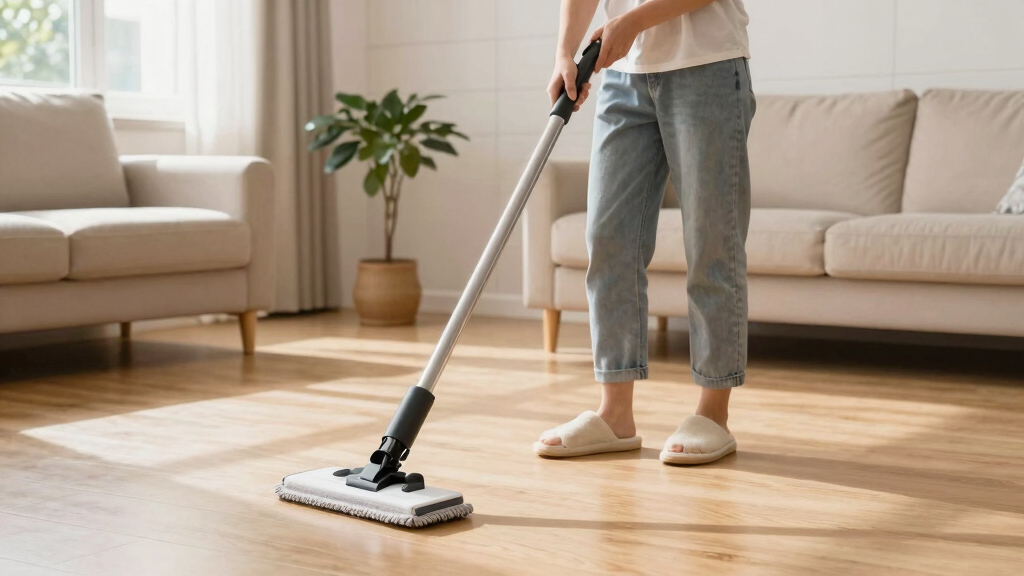
For example, if you have a sealed hardwood floor, using a steam mop once a week on the lowest setting can help eliminate bacteria and grime. Just remember to check your manufacturer’s guidelines. A quick test on a small, hidden area can prevent surprises.
Understanding why this matters is key: sealed floors are designed to withstand certain moisture levels, but exceeding those thresholds—even slightly—can lead to long-term damage. Knowing the seal integrity and following recommended cleaning routines helps preserve your floors’ appearance and structural integrity over time, avoiding costly repairs or replacements.
best steam mop for hardwood floors
As an affiliate, we earn on qualifying purchases.
As an affiliate, we earn on qualifying purchases.
How Often Should You Steam Mop? The Real Deal
The right frequency depends on your household’s activity level and the type of flooring. High-traffic zones like kitchens and entryways accumulate dirt and bacteria faster, making weekly steaming a practical choice to maintain hygiene. Conversely, in bedrooms or low-traffic areas, less frequent cleaning—such as once a month—may suffice. This balance prevents overexposure of floors to moisture, which can lead to wear or damage over time.
For instance, a busy family with pets and kids benefits from steaming 2-3 times weekly in key areas, ensuring germs and dirt are kept at bay. Meanwhile, a single occupant with minimal foot traffic might find monthly steaming adequate. The key tradeoff is between maintaining cleanliness and prolonging your floors’ lifespan. Over-mopping can erode protective finishes, especially on delicate surfaces, while under-cleaning might allow bacteria to thrive. Regularly assessing your floors’ condition and adjusting your routine helps find that optimal middle ground.
Remember: combining sweeping or vacuuming with steaming reduces dirt buildup, making each session more effective and less likely to cause damage, thus balancing hygiene with longevity.
adjustable steam mop with low heat setting
As an affiliate, we earn on qualifying purchases.
As an affiliate, we earn on qualifying purchases.
Steam Mopping vs. Traditional Mopping: Which Lasts Longer?
| Feature | Steam Mopping | Traditional Mopping |
|---|---|---|
| Cleaning Power | Deep sanitizing, kills up to 99.9% bacteria, effectively removing stubborn grime and germs that traditional mops might miss. This thorough sanitation is crucial in homes with children or pets, where hygiene is paramount. | Removes surface dirt and stains but often relies on chemical cleaners. It may not eliminate bacteria as effectively, especially if the cleaning solution isn’t disinfectant. |
| Floor Safety | Safe on sealed floors when used at proper settings and with correct technique. However, improper use—like holding the mop in one spot—can introduce excess moisture, risking damage. | Less risk of moisture damage since it uses less water, but aggressive scrubbing can scratch or wear surfaces over time. |
| Drying Time | Usually dries floors within minutes, reducing slip hazards and allowing quick resumption of activities. | Longer drying times, especially if water pools or if cleaning solutions linger, potentially increasing the risk of slips or damage if not dried properly. |
| Frequency | Suitable for weekly use on appropriate floors, offering consistent sanitation without excessive moisture exposure, which helps preserve floor integrity. | Less frequent, often after heavy messes, but overuse can still cause wear, especially on delicate surfaces. Combining both methods based on needs extends floor lifespan. |
Understanding these differences helps you choose the right method for your floors, balancing deep cleaning with longevity. Overusing steam mops on unsuitable surfaces can accelerate deterioration, so knowing when to switch or combine techniques is key to maintaining both hygiene and the condition of your floors.
tile and sealed hardwood steam mop
As an affiliate, we earn on qualifying purchases.
As an affiliate, we earn on qualifying purchases.
Maximize Safety and Effectiveness When Using a Steam Mop
- Always check your floor’s manufacturer guidelines. If uncertain, test a small hidden area first to observe how your floor reacts to steam. This step prevents unforeseen damage and helps you understand your floor’s moisture tolerance.
- Use the lowest steam setting that still effectively cleans. Higher settings generate more moisture and heat, which can warp or damage delicate surfaces over time. Fine-tuning the steam helps maintain floor health while ensuring cleanliness.
- Keep the mop moving — don’t hold it in one spot for too long. This prevents excess moisture from seeping into seams or under protective finishes, reducing the risk of warping and prolonging your floors’ lifespan.
- Ensure your floors are sealed. Unsealed wood or stone can absorb excess moisture, leading to warping, swelling, or discoloration. Confirming seal integrity before steaming is essential for safe cleaning.
- Let floors dry completely before walking on them again, especially in high-traffic zones. Proper drying prevents slips and ensures that moisture doesn’t get trapped, which could cause long-term damage or mold growth.
For example, a homeowner with a sealed hardwood floor found that adhering to these principles—using low heat, moving the mop constantly, and verifying seal status—allowed weekly cleaning without damage. Recognizing the importance of technique and material compatibility is what makes steam mopping safe and effective over time.
As an affiliate, we earn on qualifying purchases.
What’s New in Steam Mop Tech? Are Modern Models Better?
Modern steam mops now feature adjustable steam controls, larger water tanks, and quick heat-up times. Some include antimicrobial coatings or HEPA filters, making them safer and more effective. Wireless models, for example, let you clean without plugging and unplugging, saving time and hassle.
These upgrades mean you can fine-tune your cleaning routine, using just enough steam to sanitize without overdoing it. For instance, a new cordless model heats up in just 30 seconds, so you can quickly tackle a quick clean without waiting around. This makes weekly mopping more convenient and less of a chore.
Furthermore, the ability to adjust steam levels allows you to match the cleaning intensity with your floor type, reducing the risk of damage and extending the life of your floors. Enhanced features like antimicrobial coatings help maintain hygiene, while rapid heating saves time, encouraging regular cleaning routines that are both effective and safe.
Can Overusing a Steam Mop Damage Your Floors?
Yes, overusing a steam mop on unsealed or delicate floors can lead to significant damage. Excessive heat and moisture can cause warping, swelling, or peeling of the surface layer, especially when the mop is held in one spot for too long. The implications are serious: repeated exposure to high heat and moisture can weaken the structural integrity of your flooring, leading to costly repairs or replacements down the line.
For example, a homeowner who used a steam mop daily on unsealed bamboo floors noticed warping and swelling after a few weeks. This illustrates how frequent, improper use accelerates deterioration, reducing the lifespan of your flooring. Recognizing the material and understanding its moisture tolerance is essential. Floors like unsealed wood or porous stone absorb moisture more readily, making them especially vulnerable. The tradeoff here is between achieving a hygienic, spotless surface and preserving your investment in quality flooring. Overuse of steam can undermine that investment by causing damage that isn’t immediately apparent but develops over time.
Follow the rule: if your floors are not specifically designed for steam cleaning, avoid frequent use. Instead, opt for light sweeping or dusting, and reserve steam mopping for occasional deep cleans on suitable surfaces. This cautious approach safeguards your floors’ longevity, ensuring they stay beautiful and durable for years to come.
Frequently Asked Questions
Is it safe to use a steam mop on all types of floors?
No, not all floors are suitable. Steam mops are best for sealed, hard surfaces like tile, laminate, and sealed hardwood. Avoid using on unsealed wood, unglazed stone, or certain vinyl floors, as excessive moisture can cause damage.
How often should I steam mop my floors?
It depends on foot traffic and household habits. High-traffic areas benefit from weekly cleaning, while less-used spaces may only need it every few weeks. Watch for dirt buildup and adjust accordingly.
Can steam mopping replace traditional mopping?
Partially. Steam mopping offers deep sanitizing and quick drying, but traditional mopping can be gentler for some floors and better for removing surface dirt. Combining both methods, based on your floor type, prolongs their lifespan.
Does frequent steam mopping damage floors?
Only if used improperly or on incompatible floors. Using high heat or holding the mop in one spot too long can cause warping or swelling, especially on unsealed surfaces. Follow guidelines and use the lowest effective steam setting.
What are the best practices for using a steam mop safely?
Check your floor’s manufacturer instructions first. Use a low steam setting, keep the mop moving, and avoid prolonged contact with any one spot. Let floors dry thoroughly before walking on them again.
Conclusion
Regular steam mopping can keep your home hygienic and floors looking fresh, but it’s all about balance. Use the right settings, check your floor type, and don’t overdo it. That way, you get sparkling clean floors without risking damage or wear.
Picture your floors shining, inviting you to walk barefoot. Keep them that way—wise, gentle, and just the right amount—so your home stays beautiful and healthy for years to come.
Columbus Day / Indigenous Peoples' Day Picks
long weekend sales
As an affiliate, we earn on qualifying purchases.