
TL;DR

Get cleaning gear delivered free — and shop member deals
- Fast, free delivery on millions of items
- Access to Prime Big Deal Days deals on October 6–7
- Prime Video, Amazon Music and more included
Dull hardwood floors result from dirt buildup, worn finishes, and improper cleaning. Regular maintenance, buffing, and proper products can restore their glow, saving you time and money.
Have you ever stepped onto your hardwood floor and felt that familiar dullness? That lackluster surface can sneak up on you, making your space feel tired and less inviting. The good news? Most dullness isn’t permanent. It’s often a sign that your floors need some TLC—whether that’s a gentle clean, buff, or a fresh coat of finish.
In this guide, you’ll learn exactly why your floors look lackluster, what common mistakes cause this, and simple, effective steps to bring back their sparkle. No hype, no harsh chemicals—just practical advice to help your floors look their best again.
Regular sweeping and pH-neutral cleaning protect your finish and prevent dullness.
Buffing can quickly restore shine in minor dull patches, saving time and money.
Severe wear or deep scratches require re-coating or professional refinishing.
Protect your floors from UV damage and scratches with rugs and furniture pads.
Avoid harsh chemicals and excessive water to keep your finish intact.
Why Your Hardwood Floors Look Dull And How To Bring Back The Glow
TL;DR: Dull hardwood floors usually come from dirt buildup, worn finish, residue-heavy cleaners, scratches, or sunlight damage. The fix starts with gentle maintenance, then moves to buffing, recoating, or refinishing only when the finish is truly worn.
Most dullness is a signal, not a sentence.
A cloudy floor often needs a better cleaning routine, a light buff, or a fresh protective coat before it needs a full sanding job.
Proper pH-neutral care can extend floor life and shine compared with neglect.
Minor dull patches often respond to cleaning plus a controlled buffing pass.
Remove grit before it acts like sandpaper.
Use a lightly damp microfiber mop, not soaking water.
Choose neutral, wood-safe products.
Cloudy, uneven sheen points to residue or worn finish.
Needed when cleaning no longer restores reflection.
The Four Main Dullness Culprits
Hardwood loses its glow when the surface stops reflecting light cleanly. Each cause leaves a different clue, so matching the fix to the symptom prevents wasted effort and accidental damage.
Dirt And Debris
Tiny particles grind against the finish underfoot, creating micro-scratches that scatter light and make the floor look hazy.
Worn Finish
Thin, cracked, cloudy, or peeling topcoat cannot reflect evenly. Cleaning helps surface soil, but it cannot replace missing protection.
Cleaner Residue
Wax, harsh chemicals, excess soap, and too much water leave dull films that trap more dirt and reduce shine.
UV And Scratches
Sunlight fades exposed zones while furniture, heels, and pet claws create scuffs that make sheen look patchy.
What To Try First
Start with the least aggressive fix. If the finish is still intact, careful cleaning and buffing can restore a surprising amount of glow without sanding.
The Shine Recovery Flow
Use this order to avoid over-treating the floor. Move to the next step only when the previous one does not restore the look.
Check The Sheen
Look for cloudy patches, sticky residue, scratches, peeling, and sun-faded zones.
Sweep Or Vacuum
Use a soft attachment or microfiber tool to lift abrasive dust before damp cleaning.
Use pH-Neutral
Apply a wood-safe cleaner with minimal moisture and dry any damp spots quickly.
Buff Minor Haze
Buffing can even out light dullness when the finish is present but tired.
Recoat Or Refinish
Choose professional help for deep scratches, bare wood, peeling finish, or severe wear.
Cleaner Choices That Help Or Hurt
The wrong product can create the same dull look you were trying to remove. The safest routine is low moisture, low residue, and frequent grit removal.
| Method | Shine Result | Best Use | Risk Level |
|---|---|---|---|
| Microfiber sweeping | ✓ Prevents abrasive haze | Daily dust, grit, and pet hair control | ✓ Low |
| pH-neutral wood cleaner | ✓ Cleans without stripping finish | Weekly damp cleaning and maintenance | ✓ Low |
| Buffing | ✓ Restores minor dull spots | Cloudy areas with intact finish | ~ Medium |
| Wax or oil polish | ~ Can shine briefly | Only when compatible with existing finish | ~ Medium |
| Harsh chemicals | ✗ Can cloud or strip finish | Not recommended for hardwood floors | ✗ High |
| Excessive water | ✗ Can swell, peel, and dull | Avoid soaking, steam, or wet mopping | ✗ High |
Protect The Finish Before It Fades
Prevention is cheaper than repair. The goal is to reduce grit, moisture, UV exposure, and direct abrasion before they shorten the life of the protective topcoat.
High-Value Habits
- Sweep or vacuum daily in high-traffic areas so grit cannot scratch the finish.
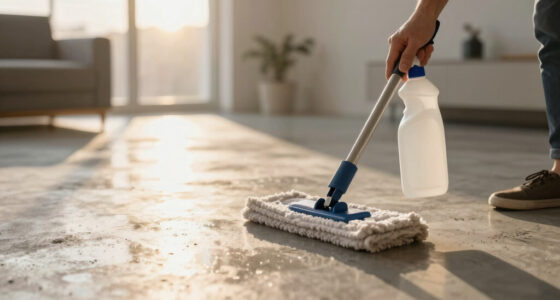
- Damp mop weekly with a pH-neutral cleaner and a barely damp microfiber pad.
- Use rugs and mats at entries, sinks, hallways, and sun-heavy zones.
- Add furniture pads under chairs, tables, sofas, and anything that slides.
- Control sunlight with shades, curtains, UV film, or strategic rugs.
Traceability Chain
Key insight: If your floors look dull even after cleaning, stop adding stronger products. First identify whether you are seeing surface residue, scratched finish, UV fading, or true topcoat wear.
Why Your Hardwood Floors Look Dull Right Now
First, let’s pinpoint what’s making your floors look tired. Typically, the main culprits are dirt, scratches, worn finish, or a buildup of cleaning residues. Imagine walking into a room where the surface feels sticky or cloudy—that’s usually a sign the protective layer is compromised.
Understanding these causes is crucial because each one requires a different approach. Dirt and debris can be removed with proper cleaning, but worn finishes may need refinishing, and residue buildup might call for specific cleaning techniques. Recognizing the root issue helps you choose the most effective solution, preventing unnecessary work and avoiding damage that could worsen dullness.
As an affiliate, we earn on qualifying purchases.
How Dirt and Debris Sabotage Your Floor’s Shine
Think of dirt as tiny sandpaper grains—when they settle on your floor, they slowly scratch and dull the finish. Over time, these micro-abrasions accumulate, making the surface look hazy and less reflective. But more importantly, dirt isn’t just a cosmetic issue; it actively damages your floor’s protective layer. The more dirt sits, the more it acts like a grinding tool, wearing down your finish and exposing bare wood, which is more susceptible to damage.
For instance, neglecting daily sweeping can lead to a thin film of dust that, when walked on, causes micro-scratches. These scratches catch light differently, creating a dull appearance. Regularly removing dirt isn’t just about aesthetics; it’s a crucial step in maintaining the integrity of your finish. If you ignore this, you risk accelerating wear, leading to costly refinishing jobs down the line. Proper cleaning routines with microfiber mops or vacuums aren’t just maintenance—they’re an investment in your floor’s longevity and shine.
Additionally, understanding the impact of dirt helps you balance cleaning frequency and methods. Over-washing with harsh chemicals can strip protective layers, while infrequent cleaning allows dirt to embed deeply, causing more significant damage. The goal is to keep a clean surface that reflects light well, which directly correlates with how vibrant and fresh your floors appear over time. Skimping on this step can lead to a cycle where dirt and neglect compound, making your floors look duller faster and increasing the chances of needing extensive repairs.
As an affiliate, we earn on qualifying purchases.
The Finish Wears Out — Here’s How to Spot It
Your hardwood’s protective layer—whether polyurethane, varnish, or oil—acts as a shield, preserving the wood’s appearance and preventing damage. Over time, especially in high-traffic areas like entryways and kitchens, this layer can become thin, cracked, or scratched. When this happens, the finish loses its ability to reflect light, resulting in a dull, lackluster surface.
Spotting worn finish involves more than just noticing dullness; you should look for signs like uneven sheen, scratches that catch the light differently, or areas where the finish appears cloudy or peeling. These symptoms indicate that the protective layer is compromised, exposing the wood beneath to further damage. If the finish is severely worn, cleaning alone won’t restore the shine; reapplication or refinishing becomes necessary.
Understanding this helps you weigh the options between minor maintenance and more extensive repairs. Recognizing early signs of wear can save you money and effort, preventing deeper damage that would require complete refinishing. Regular inspections and timely re-coating help maintain that glossy, vibrant look your floors originally had, preventing the dullness that results from neglecting these signs.
As an affiliate, we earn on qualifying purchases.
Cleaning Mistakes That Make Dullness Worse
Using the wrong cleaning products can turn your shiny floors into a cloudy mess. Harsh chemicals, wax-based cleaners, or excessive water cause residues that dull the surface over time. These residues create a film that reduces reflection, making the floor appear matte and lifeless.
For example, pouring a bucket of soapy water or using a generic floor cleaner not designed for wood can leave behind streaks and build-up. This film traps dirt and dulls the finish, negating any cleaning effort. Moreover, over-wetting your floors can cause the finish to swell or peel, exposing raw wood and leading to further dullness and damage. The implications are significant: improper cleaning can accelerate dullness, cause the finish to degrade faster, and even lead to costly repairs or refinishing sooner than expected.
The key is to understand that not all cleaners are suitable for hardwood. pH-neutral, water-based cleaners are gentle yet effective, maintaining the integrity of the finish. Using improper products or techniques can be a false economy—initially cleaning, but ultimately accelerating dullness and damage. Choosing the right products and applying them correctly is essential for preserving that glossy, vibrant appearance, and for avoiding the tradeoff of short-term cleanliness for long-term damage.
furniture pads for hardwood floors
As an affiliate, we earn on qualifying purchases.
As an affiliate, we earn on qualifying purchases.
Sunlight and Scratches: The Hidden Dullness Factors
Sunlight can fade and discolor wood, leaving patches that look dull and uneven. Over years, UV rays break down the finish’s molecules, diminishing the shine and causing color loss. This isn’t just cosmetic; it can weaken the protective layer, making your floors more vulnerable to scratches and wear. Similarly, scratches and scuffs from furniture, high heels, or pet claws create rough patches that scatter light differently, resulting in a dull, uneven surface.
Imagine a dining room with a south-facing window—after a few years, the area under the sun looks noticeably duller and discolored compared to shaded parts. This uneven dullness impacts the overall appearance, making the floor look tired and poorly maintained. To mitigate these effects, consider applying UV-protective coatings or using rugs in sun-exposed areas. Furniture pads and careful handling can also prevent scratches, preserving the uniform gloss and color of your floors for longer. The implications are that environmental damage isn’t just superficial; it can accelerate the aging process and make your floors look older and more worn out prematurely. Proactive protection, like window treatments and furniture pads, can significantly slow this process and keep your floors looking vibrant for years.
Understanding how environmental factors contribute to dullness underscores the importance of proactive protection. It’s not just about cleaning; it’s about managing exposure and physical damage to maintain the beauty and durability of your hardwood floors over time. This awareness helps you make smarter choices about placement, coverings, and maintenance routines that extend the life and appearance of your floors.
Simple Steps to Brighten Up Dull Floors in 5 Easy Moves
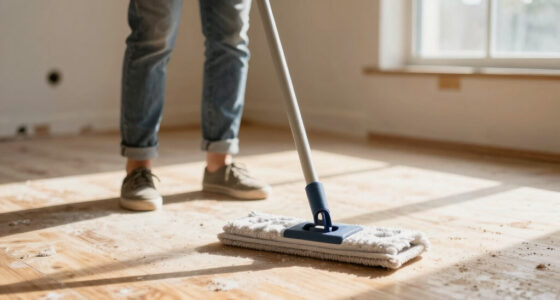
- Sweep or vacuum daily to remove loose dirt and debris, preventing micro-scratches that dull the finish and cause long-term damage. This step is fundamental because it directly reduces abrasive particles that can wear down the finish over time, which in turn preserves the floor’s reflective qualities.
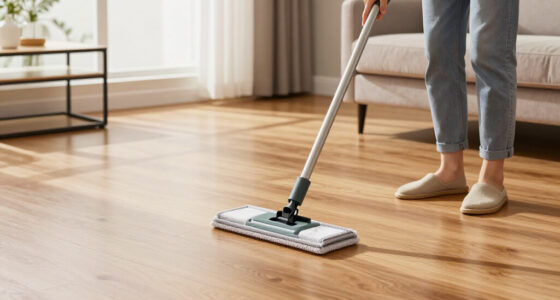
- Use a microfiber mop dampened with pH-neutral cleaner for weekly cleaning. This gentle approach not only cleans effectively but also minimizes residue buildup—residues that can trap dirt and diminish gloss. Consistent, proper cleaning helps maintain the reflective surface that makes your floors look vibrant and new.
- Buff lightly with a soft cloth or floor buffer to restore shine—this works best when the finish is still intact but lacks luster. Buffing smooths out minor scratches and surface irregularities, which scatter light and dull the appearance. It’s a quick, cost-effective way to refresh your floors without the need for full refinishing.
- Recoat or refinish if the finish is worn out or damaged beyond simple cleaning and buffing. This process doesn’t just improve appearance; it restores the protective barrier, preventing further wear and exposing the wood to damage. Proper recoating extends the life of your floors and keeps them looking their best for years.
- Protect with rugs, furniture pads, and UV protectants to prevent future dullness. These barriers absorb or deflect damage from daily use, UV rays, and scratches, maintaining the glossy appearance and preventing the cycle of dullness and damage. Strategic protection is a proactive investment in your floors’ longevity and beauty.
Compare the Best Fixes: Cleaning, Buffing, or Recoating?
| Fix Type | When to Use | Pros | Cons |
|---|---|---|---|
| Deep Cleaning | Regular maintenance, mild dullness | Simple, inexpensive, quick boost | Temporary effect if finish is worn |
| Buffing | Minor dull patches, surface scratches | Restores shine without full refinishing | Limited to surface issues |
| Recoat or Refinish | Severe wear, deep scratches, dullness that won’t respond | Restores full shine and protection | More labor and cost, requires prep |
Frequently Asked Questions
Why do my hardwood floors look dull even after I clean them?
This often happens because the finish is worn or residues from cleaning products build up. Cleaning removes dirt but can’t fix finish wear, which dulls the surface. Regularly buffing or reapplying a protective coat can restore the shine.
How can I restore the shine without sanding my entire floor?
Start with a thorough cleaning using pH-neutral products, then lightly buff with a microfiber cloth or floor buffer. If needed, apply a fresh coat of finish or a floor polish designed for wood to boost the shine. This approach preserves your existing finish while enhancing the reflective surface, often providing a noticeable improvement without the cost and effort of sanding.
What products are safe and effective for cleaning hardwood floors?
Use pH-neutral, water-based cleaners or a mixture of a few drops of dish soap in water. Avoid harsh chemicals, wax-based products, or excessive water which can damage the finish and cause dullness.
Should I hire a professional to fix my dull floors?
If the dullness is due to deep scratches, worn finish, or extensive damage, a professional refinishing job will restore the shine best. For minor issues, DIY cleaning and buffing often do the trick.
How often should I clean and maintain my hardwood floors?
Daily sweeping or vacuuming keeps dirt from scratching the surface. Weekly damp mopping with a safe cleaner maintains the luster. Recoating or refinishing is recommended every 5-10 years, depending on wear.
Conclusion
Your hardwood floors aren’t doomed to stay dull forever. With a little regular care—sweeping, gentle cleaning, buffing—you can keep that warm, inviting glow alive. When wear gets stubborn, don’t hesitate to recoat or call in a pro.
Think of your floors as a living part of your home’s story. Treat them with care, and they’ll reward you with years of beauty—bright, smooth, and full of life.
Fall Picks
fall essentials
As an affiliate, we earn on qualifying purchases.