TL;DR

Get cleaning gear delivered free with Prime
- Fast, free delivery on millions of items
- Prime Video, Amazon Music and more included
- Member-only deals all year
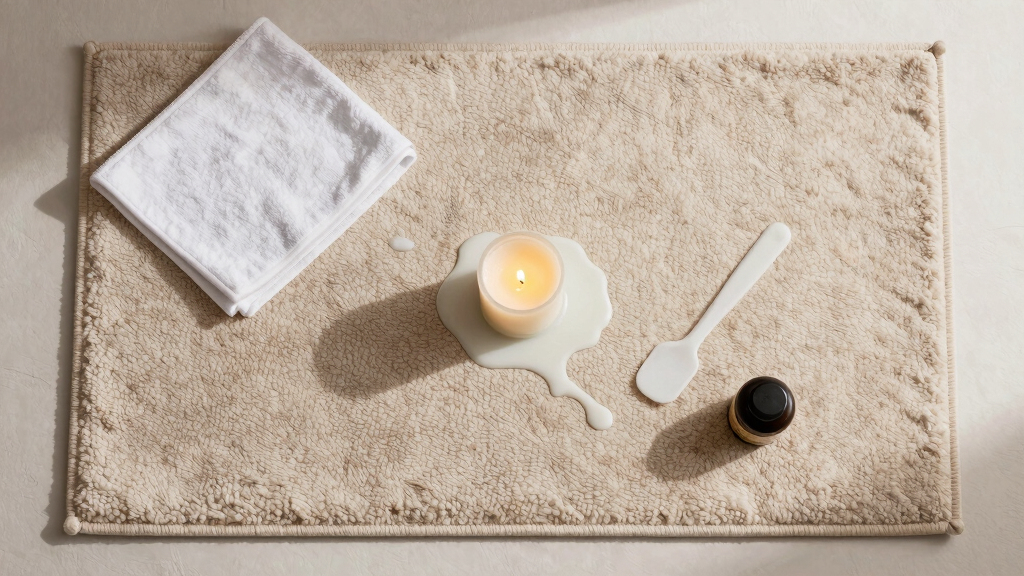
Act fast to remove candle wax from your carpet by freezing or heating it carefully. Use gentle scraping, absorbent materials, and safe cleaning solutions for best results. Patience and proper technique make the job easier.
Act within 10 minutes of wax spilling for easier removal.
Use ice cubes for freezing and hardening wax before scraping.
Gently scrape with a plastic card or similar object to avoid fiber damage.
Apply low heat carefully with a hairdryer or iron to melt residual wax.
Finish with eco-friendly cleaning solutions to remove stains and residue.
How to Remove Candle Wax From Carpet
TL;DR: Act fast, harden the wax with ice, scrape gently, then use controlled low heat and a mild cleaner for residue. The safest path is patient, staged removal instead of aggressive scrubbing.
Early action keeps wax from bonding deeply into carpet fibers or backing.
Research-backed cold-first removal lowers fiber stress compared with aggressive heat.
The whole method is a sequence, not a single hard scrub.
Paraffin, soy, and beeswax harden inside the pile as they cool.
Cold makes wax brittle enough to chip away cleanly.
A plastic card lifts wax without tearing or fuzzing fibers.
Diluted dish soap or vinegar helps remove residue and dye.
Why speed matters
Fresh wax sits closer to the surface. Once it cools, spreads, and seeps into the backing, removal takes more rounds and carries a higher chance of staining or texture change.
Contain the spill
Let hot wax stop moving, then cool it quickly. Avoid pressing towels into soft wax because that can drive it deeper.
Harden before lifting
Use ice cubes in a bag or a cold pack until the wax becomes brittle enough to crack away in small pieces.
Scrape, never gouge
Work from the outer edge inward with a plastic scraper or credit card, using steady pressure and short strokes.
The safe removal sequence
Use the least forceful method first. Cold protects the fibers, scraping removes bulk wax, low heat lifts the residue, and a gentle cleaner finishes the stain.
Freeze
Place ice in a sealed bag and hold it over the wax until the spill turns firm and brittle.
Scrape
Lift flakes with a plastic card. Vacuum loose pieces before moving to heat.
Warm
Use a hairdryer on low or a low iron over paper towels, keeping heat moving.
Blot clean
Apply diluted dish soap or vinegar, blot gently, rinse with water, and dry.
Method comparison
Choose the method based on the wax state. Large hardened chunks respond best to freezing, while thin residue may need careful heat or a mild solvent test.
| Method | Best for | Fiber safety | Speed | Risk note |
|---|---|---|---|---|
| Freezing + scraping | Thick hardened wax and fresh spills | ✓ | ~ | Requires patience but minimizes pile damage. |
| Hairdryer on low | Thin residue after bulk wax is gone | ~ | ✓ | Keep moving to prevent scorching synthetic fibers. |
| Low iron + towel | Flat residue that can transfer into absorbent paper | ~ | ✓ | Always use a barrier and the lowest workable heat. |
| Rubbing alcohol or cleaner | Colored or scented wax stain traces | ~ | ~ | Test first in a hidden area before treating the stain. |
| Hot water or aggressive steam | Not recommended as a first move | ✗ | ✗ | Excess heat can set stains or weaken backing. |
Heat control scale
Residue and prevention
After the wax is gone, color, scent oils, or cleaner residue may remain. Use gentle blotting and a simple prevention setup to avoid repeating the cleanup.
Mix a mild solution
Use water with a few drops of dish soap, or diluted vinegar for faint dye marks.
Blot instead of scrub
Press with a soft cloth to lift residue without fraying the carpet pile.
Rinse and dry
Plain water removes cleaner buildup that could attract dirt later.
Use a candle tray
A ceramic dish, glass holder, or heat-resistant plate catches drips before they land.
Trim the wick
A controlled flame reduces splatter and oversized wax pools.
Call a pro when needed
Delicate fibers, large dye stains, or antique rugs deserve expert treatment.
Trace the cleanup logic
Every step has one job: reduce depth, reduce force, then remove residue without changing the carpet texture.
Can I use an iron?
Yes, but only on low heat with paper towels or cloth between the iron and carpet.
What about colored wax?
Remove the wax first, then treat the dye mark with a tested mild cleaner.
Is rubbing alcohol safe?
It can help residue, but test hidden carpet first and use a small amount.
Should I use hot water?
No. Hot water can spread wax oils and may set discoloration into the fibers.
Why Acting Quickly Makes Candle Wax Removal Easier
When candle wax cools and hardens, it embeds into carpet fibers like glue. The longer it sits, the more it bonds, making removal increasingly difficult. Acting promptly—within the first 10 minutes—prevents the wax from penetrating deeply or setting into the fibers, which can cause stubborn stains or discoloration. Quick action helps you control the spread, reducing the need for aggressive cleaning later. For example, applying ice immediately after a spill hardens the wax, allowing for cleaner removal without risking damage to delicate fibers. Delays can lead to the wax melting further into the pile or seeping into the backing, which complicates cleaning and can cause permanent staining or texture changes. Therefore, swift intervention preserves the integrity of your carpet and minimizes the effort needed to restore it to its original condition.
As an affiliate, we earn on qualifying purchases.
3 Foolproof Ways to Remove Candle Wax From Carpet
Removing candle wax from carpet effectively involves techniques that either harden, melt, or dissolve the wax. Each method targets different states of wax—solid, semi-soft, or residual stains—and choosing the right approach depends on the situation. Freezing the wax with ice cubes makes it brittle, allowing for clean, chip-like removal that minimizes fiber disturbance. Heating with a hairdryer melts the wax, making it easier to absorb or blot away, especially for small drips. Applying solvents like rubbing alcohol dissolves remaining residues and can break down colored or scented wax stains that resist physical removal. Understanding the tradeoffs is essential: freezing preserves fibers but may require patience, heating is quick but risks damage if not done carefully, and solvents are effective but must be used cautiously to avoid chemical damage. Using the appropriate method based on wax type and stain severity ensures a safer, more thorough cleanup without compromising your carpet’s durability.
As an affiliate, we earn on qualifying purchases.
Why Gently Scraping Is Your Best First Step
Gently scraping wax is crucial because it allows you to remove the bulk of the wax without pulling at or tearing the carpet fibers. Using a plastic scraper, credit card, or similar flat-edged tool provides enough leverage to lift hardened wax while minimizing the risk of scratching or damaging delicate fibers. When combined with freezing, the wax becomes brittle, making it easier to chip away cleanly. This method preserves the texture and appearance of your carpet, preventing unnecessary fraying or fuzzing. Moreover, gentle scraping reduces the chance of pushing wax deeper into the fibers, which could make subsequent cleaning more difficult. The key is to apply light, consistent pressure—enough to lift the wax but not so much that it damages the fibers. This approach ensures a safer, more effective removal process that maintains your carpet’s longevity and appearance.
As an affiliate, we earn on qualifying purchases.
How to Use Heat Without Burning or Damaging Your Carpet
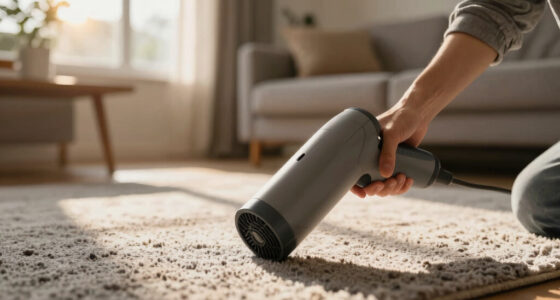
Applying heat from a hairdryer or a low-temperature iron melts residual wax, enabling easier absorption or blotting. The challenge lies in balancing enough heat to soften the wax without reaching temperatures that could scorch fibers, discolor, or weaken the carpet’s backing. Starting with the lowest heat setting and keeping the device in constant motion distributes heat evenly, preventing localized overheating. Holding the heat source too close or in one spot can cause scorching, melting, or even burns, especially on synthetic fibers. For delicate carpets, testing on a small hidden area first is essential to gauge heat tolerance. Gently waving the dryer or iron over the stain allows the wax to melt uniformly, making it easier to lift with paper towels or a cloth. This controlled approach minimizes damage while maximizing effectiveness, ensuring your carpet remains intact and looking fresh after cleaning.
As an affiliate, we earn on qualifying purchases.
Removing Residual Wax and Stains Without Damaging Your Carpet
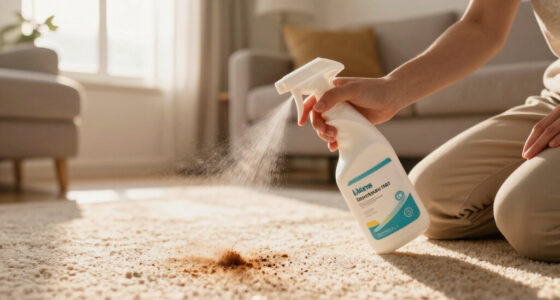
Residual wax or staining from scented or colored candles can linger despite initial removal efforts. To address this, use a mild, eco-friendly cleaning solution—such as a mixture of water and a few drops of dish soap or vinegar—that gently breaks down remaining residues without harming fibers. Applying these solutions with a soft sponge or cloth ensures you don’t scrub aggressively, which could fray fibers or spread the stain. Blotting gently allows the cleaning agents to lift residual wax or dye molecules from the fibers. For example, vinegar’s acidity can neutralize wax dyes and remove faint stains, but overuse can weaken fibers or cause discoloration if not diluted properly. Rinsing with plain water afterward helps remove any cleaning solution residue, preventing a buildup that could attract more dirt. Repeat the process if necessary, always prioritizing gentle techniques and eco-friendly products to preserve your carpet’s integrity and appearance.
Prevent Candle Wax Stains Before They Happen
Prevention is your best defense against wax stains. Using a heat-resistant, non-flammable plate or decorative tray under candles catches drips before they hit the carpet, significantly reducing cleanup. Keeping candles away from edges or materials prone to splattering minimizes accidental spills. When lighting, avoid over-heating candles, as excess heat increases the likelihood of wax splattering or dripping uncontrollably. For example, a small glass holder or a ceramic dish acts as a barrier, containing any wax that might otherwise land on the carpet. Additionally, trimming the wick to the appropriate length prevents excessive flame height, which can cause larger drips. These simple steps not only protect your carpet but also extend the life of your candles, making your home safer and cleaner. Prevention minimizes damage, saving you time and effort later and maintaining the aesthetic appeal of your space.
Summary: The Fast, Gentle Path to a Waxy-Free Carpet
Removing candle wax from carpet isn’t a battle if you move quickly and use gentle methods. Freeze, scrape, heat, and clean—each step plays a part in a successful cleanup. Understanding the importance of timing helps you act before the wax penetrates deeply or sets, which can make removal more invasive and risky. Using the right technique for each situation—whether freezing for large chunks, gentle scraping for brittle wax, or careful heating for residuals—ensures thorough removal without damage. Patience and a gentle touch preserve the fibers and prevent additional staining or fraying. Remember, haste can lead to mistakes, so take your time with each step. With this approach, you’ll maintain your carpet’s beauty and durability, avoiding costly repairs or replacements in the future.
Frequently Asked Questions
What is the safest way to remove candle wax from carpet without causing damage?
The safest method is to freeze the wax with ice cubes or a cold pack, then gently scrape it off with a plastic scraper or credit card. Follow up with light heating if needed, and finish with a mild, eco-friendly cleaner. Patience and gentle touch are key.
Can I use a hairdryer or iron to melt the wax?
Yes, but with caution. Use a low heat setting, keep the device moving, and never hold it too close to the carpet. Melting wax carefully prevents fiber damage or discoloration. Always test on a small area first.
How do I remove colored or scented wax stains?
Start by gently blotting the stain with a vinegar-water solution or a mild eco-friendly cleaner. Avoid harsh chemicals that could set the stain or harm your carpet fibers. Repeat as needed until the stain fades.
What household products are safe and effective for wax removal?
Rubbing alcohol, vinegar, dish soap, and baking soda are safe options. Use sparingly, and always test on a hidden area first to prevent discoloration or damage.
How can I prevent candle wax from staining my carpet in the future?
Use a heat-resistant tray or decorative plate under candles, keep candles away from edges, and avoid over-heating. These simple measures reduce splatter risk and protect your carpet.
Conclusion
Removing candle wax from carpet is all about patience, gentle techniques, and quick action. With the right approach, you can lift even stubborn wax without harming your fibers. Imagine your carpet restored, free of dull stains or sticky messes—just a clean, cozy space to enjoy.
Next time a candle spills, remember: freeze, scrape, heat, then clean. It’s a simple recipe for a wax-free home.
Columbus Day / Indigenous Peoples' Day Picks
long weekend sales
As an affiliate, we earn on qualifying purchases.