
TL;DR

Get cleaning gear delivered free with Prime
- Fast, free delivery on millions of items
- Prime Video, Amazon Music and more included
- Member-only deals all year
You can clean your entire home with just three ingredients: white vinegar, baking soda, and lemon juice. They’re affordable, safe, and effective for most surfaces, making DIY green cleaning simple and sustainable.
Imagine transforming your entire home cleaning routine with just three ingredients. No more juggling dozens of bottles—just simple, natural staples that cut through grime, deodorize, and disinfect. It’s easier than you think to swap out store-bought chemicals for these affordable, eco-friendly options.
In this guide, you’ll learn how to use white vinegar, baking soda, and lemon juice to tackle everything from kitchen counters to bathroom tiles. You’ll save money, reduce chemical exposure, and keep your home safe for kids and pets. Ready to simplify your cleaning? Let’s get started.
White vinegar, baking soda, and lemon juice can replace most commercial cleaning products.
Proper dilution and surface testing prevent damage and ensure safety.
Use vinegar for disinfecting glass, baking soda for scrubbing, and lemon for removing mineral deposits.
These ingredients are affordable, eco-friendly, and safe for families and pets.
Understanding surface-specific needs and cautious application enhance the effectiveness of DIY cleaning.
How to Clean Your Whole Home With 3 Ingredients
White vinegar, baking soda, and lemon juice can handle most routine grime, odors, grease, soap scum, and mineral buildup. The secret is choosing the right ingredient—not combining everything in one bottle.
One job for every ingredient
Acid dissolves buildup, mild abrasion lifts stuck-on grime, and deodorizing power absorbs unwanted smells. Use each strength deliberately for safer, more effective cleaning.
White Vinegar
Helps loosen grease, fingerprints, water spots, and mineral film. Dilution makes it practical for glass and many sealed ceramic surfaces.
Baking Soda
Creates a soft scrubbing paste, neutralizes odors, and lifts residue without the harsh fumes associated with many heavy-duty products.
Lemon Juice
Its natural acids cut soap scum and mineral deposits while leaving a fresh scent. Rinse after use and keep it away from acid-sensitive stone.
Three recipes, three motions
Spray for film, scrub for residue, and let acid sit briefly for mineral deposits. Start mild, test discreetly, and increase strength only when needed.
Glass & Mirrors
Lightly spray, then wipe with a clean microfiber cloth. Avoid tinted, coated, or specialty glass unless its manufacturer approves vinegar.
Sinks & Stovetops
Apply a thin layer, scrub gently, and rinse completely. Use a non-scratch sponge and avoid aggressive pressure on soft finishes.
Scale & Soap Scum
Apply to compatible fixtures, leave for a few minutes, then wipe and rinse. Never use on marble, granite, or other acid-sensitive stone.
The whole-home cleaning rhythm
What works where?
Natural does not mean universal. Acids can etch stone and affect specialty coatings, while abrasives may mark delicate finishes.
| Surface | White vinegar | Baking soda | Lemon juice |
|---|---|---|---|
| Glass & mirrors | ✓Excellent diluted; avoid tinted or coated glass. | ✗Particles may scratch delicate glass. | ~Useful on hard-water spots; rinse well. |
| Ceramic & porcelain tile | ✓Good for grease and routine surface cleaning. | ✓Useful on grout and textured residue. | ✓Helps loosen soap scum and scale. |
| Sinks & fixtures | ~Use diluted and check the finish first. | ✓Gentle paste lifts grime and odors. | ✓Effective for compatible chrome fixtures. |
| Natural stone | ✗Acid can etch marble and some granite. | ~Only if approved; scrub very gently. | ✗Acid may dull or permanently etch stone. |
| Hardwood & coated finishes | ~Use only when the manufacturer permits it. | ✗Abrasion may haze or mark the finish. | ✗Acid and moisture can harm the coating. |
Choose by cleaning strength
This practical scale maps each ingredient to its strongest routine-cleaning role. Ratings are directional, not laboratory efficacy claims.
Five rules that protect your surfaces
Correct dilution, discreet testing, and sensible storage matter as much as the ingredient itself.
Put the trio to work
A simple kitchen sequence shows how three ingredients can replace a crowded lineup of routine cleaners.
Clear & Test
Remove loose debris and patch-test each cleaner on an inconspicuous area.
Spray Glass
Use the 1:2 vinegar solution on compatible glass and wipe with microfiber.
Scrub Grime
Apply baking soda paste to the sink or stovetop, scrub gently, and rinse.
Descale & Dry
Use lemon on compatible fixtures, rinse thoroughly, and dry all surfaces.
Bottom line: vinegar for film and grease, baking soda for odor and stuck-on residue, lemon for mineral deposits. Match the cleaner to the mess, respect delicate materials, and bring in a specialized product when sanitation or surface care demands it.
Why These 3 Ingredients Are All You Need to Clean Your Entire Home
White vinegar, baking soda, and lemon juice form a cleaning powerhouse. Each brings unique properties that work together to tackle dirt, grime, and odors across different surfaces.
White vinegar is a natural disinfectant and degreaser. Baking soda neutralizes odors and acts as a gentle abrasive. Lemon juice cuts through soap scum and mineral deposits with its natural acids. Together, they cover most cleaning needs without harsh chemicals.
Picture this: a kitchen sink, bathroom tiles, pet stains, even laundry—these ingredients can handle it all. Best of all, they’re safe for your family, pets, and the planet.
Understanding why these ingredients are so effective helps you appreciate their versatility. For example, vinegar’s acidity breaks down mineral buildup and kills bacteria, but it can damage delicate surfaces like natural stone if used improperly. Baking soda’s abrasive quality is gentle enough for scrubbing without scratching, but too much can be abrasive on soft surfaces. Lemon juice’s natural acids are excellent for removing stubborn soap scum, yet overuse can wear down porous materials. Knowing these nuances allows you to use each ingredient wisely, maximizing their benefits while minimizing potential drawbacks.
white vinegar multi-surface cleaner
As an affiliate, we earn on qualifying purchases.
As an affiliate, we earn on qualifying purchases.
How to Mix and Use These Ingredients for Different Cleaning Tasks
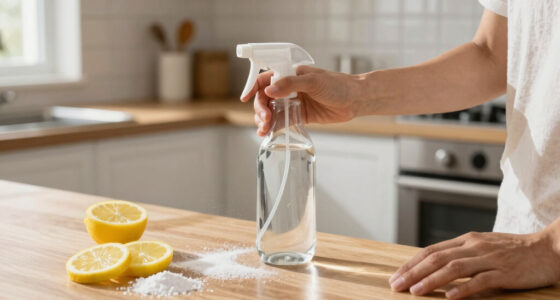
- Cleaning Glass and Mirrors: Mix 1 part white vinegar with 2 parts water in a spray bottle. Spray on glass surfaces, wipe with a microfiber cloth. This combination dissolves grime and leaves a streak-free shine, making your mirrors look like new without harsh chemicals.
- Deodorizing and Scrubbing Surfaces: Make a paste of baking soda and water. Apply on sinks, tubs, or stovetops, scrub gently, then rinse. This not only lifts grime but also neutralizes lingering odors—imagine erasing the smell of last night’s cooking or pet accidents with just baking soda.
- Removing Mineral Deposits and Soap Scum: Use lemon juice straight or diluted to spray on affected areas. Let sit for a few minutes to loosen buildup, then wipe or scrub. For example, applying lemon juice to a showerhead can dissolve stubborn lime scale, restoring water flow and sparkle.
Each recipe is simple, effective, and safe—just adjust the concentration depending on the surface and dirt level. For delicate surfaces, dilute more; for stubborn grime, use full strength with caution.
As an affiliate, we earn on qualifying purchases.
Compare Using Vinegar, Baking Soda, and Lemon Juice on Different Surfaces
| Surface | Vinegar | Baking Soda | Lemon Juice |
|---|---|---|---|
| Glass & Mirrors | Excellent for streak-free shine, dissolves fingerprints and grime, but avoid on tinted or coated glass to prevent damage. | Not recommended; abrasive particles can scratch delicate glass surfaces. | Good for removing mineral deposits; natural acids help dissolve hard water stains, but avoid on tinted glass to prevent etching. |
| Countertops & Tiles | Great for disinfecting and degreasing, especially effective on ceramic and porcelain surfaces. | Excellent for scrubbing and deodorizing, especially in grout lines or textured tiles where dirt hides. | Perfect for soap scum and mineral buildup, especially in shower areas, but avoid on natural stone. |
| Natural Stone (marble/granite) | Use sparingly; full-strength vinegar can etch and damage soft stone surfaces. | Safe for porous stones if used gently, but avoid abrasive scrubbing. | Avoid entirely; acids can cause etching and dulling of polished stone surfaces. |
Knowing which ingredient to use on each surface prevents damage and boosts cleaning effectiveness. For example, using vinegar on natural stone can cause permanent etching, so understanding these nuances helps you choose the safest, most effective approach for each area in your home.
As an affiliate, we earn on qualifying purchases.
Safety Tips When Using These Natural Cleaners
- Dilute vinegar properly to avoid surface damage, especially on natural stone and hardwood. For instance, using full-strength vinegar on marble can cause etching, so always dilute appropriately.
- Test first on a small, hidden area to check for reactions, especially on delicate surfaces like soft tiles or painted finishes.
- Wear gloves when scrubbing or handling concentrated solutions to protect your skin from irritation and prolonged exposure.
- Avoid mixing vinegar and baking soda directly in the same container, as they neutralize each other, producing carbon dioxide and reducing cleaning effectiveness. Instead, use them sequentially for different tasks.
- Store ingredients safely in labeled, child-proof containers to prevent accidental ingestion or misuse, especially in households with kids or pets.
Following these tips not only keeps your home safe but also ensures the longevity of your surfaces. For example, diluting vinegar prevents etching on natural stone, while testing small areas avoids costly mistakes. Proper storage and safety precautions make natural cleaning both effective and risk-free.
As an affiliate, we earn on qualifying purchases.
Real-Life Example: How I Cleaned My Kitchen with Just 3 Ingredients
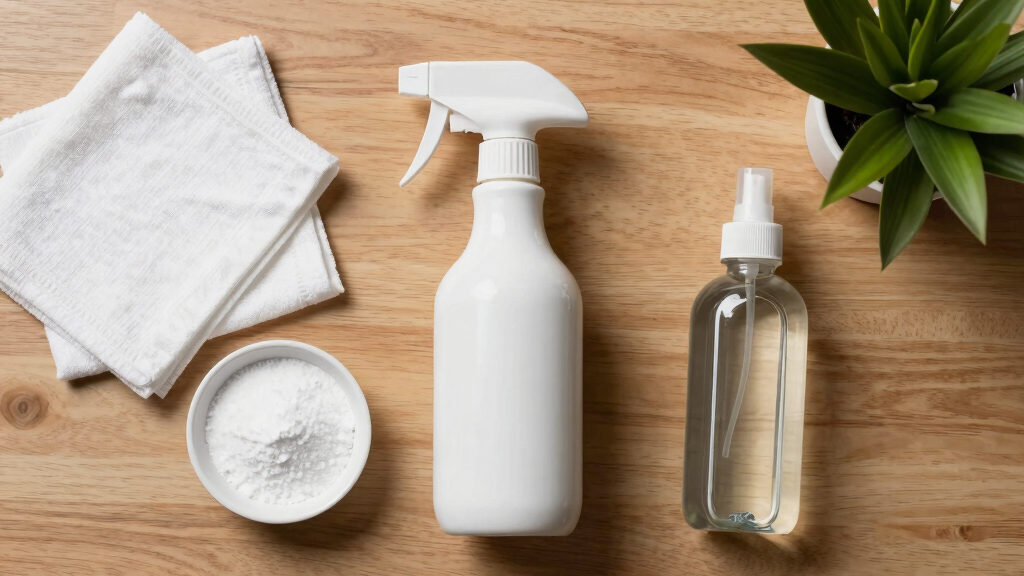
One Saturday, I grabbed a spray bottle of vinegar, a jar of baking soda, and a lemon. My kitchen sink, stove, and fridge handles looked dull and greasy. I sprayed vinegar on the glass surfaces to remove fingerprints and water spots, then applied a baking soda paste to the stove to lift grease and grime. Finally, I used lemon juice to cut through soap scum on the sink and fixtures. In just 30 minutes, everything looked brighter, cleaner, and smelled fresh. The best part? No harsh fumes, no clutter from multiple cleaners, and I saved money. That simple routine became my go-to for a cleaner, greener home, proving that these three ingredients can handle most everyday messes effectively.
This example shows how understanding the properties of each ingredient allows you to tackle diverse cleaning challenges confidently. It’s about knowing when to spray, scrub, or let sit—turning basic ingredients into a versatile cleaning arsenal that’s safe for your family and gentle on the environment.
Frequently Asked Questions
Are these ingredients safe for all surfaces?
For most surfaces, yes. But avoid using vinegar on natural stone like marble or granite, as the acids can etch the surface. Always test a small area first to prevent damage and understand how your specific surfaces react to these natural cleaners.
Can I clean my entire home with these ingredients?
Yes, for many tasks—kitchens, bathrooms, floors, even laundry. However, electronic devices and delicate fabrics may require specialized products to avoid damage or ineffectiveness. Use these ingredients primarily on surfaces that are compatible with mild acids and abrasives.
How do I mix these ingredients for different cleaning tasks?
Use vinegar diluted with water for glass and general disinfecting, a baking soda paste for scrubbing and deodorizing, and lemon juice for mineral deposits and soap scum. Adjust concentrations based on the severity of dirt and the type of surface to optimize cleaning without risking damage.
Are there surfaces I should avoid cleaning with vinegar or lemon juice?
Yes, avoid vinegar on natural stone or hardwood floors unless properly diluted, as acids can cause etching or discoloration. Lemon juice’s acids can also damage porous or soft materials if used excessively. Always research or test first to prevent unintended harm.
Can I add essential oils for fragrance?
Absolutely. Adding a few drops of essential oils like tea tree, lavender, or lemon can enhance scent and add antimicrobial benefits, making your cleaning routine more pleasant without compromising safety or effectiveness.
Conclusion
Three simple ingredients. Endless cleaning possibilities. With vinegar, baking soda, and lemon juice, you can keep your whole home sparkling clean—safely and sustainably. It’s a straightforward switch that makes a big difference in your health, your wallet, and the planet.
Next time you reach for a cleaner, remember: the power of nature is right in your pantry. Your home, your health, and the environment will thank you.
Halloween Picks
halloween
As an affiliate, we earn on qualifying purchases.