TL;DR

Get cleaning gear delivered free with Prime
- Fast, free delivery on millions of items
- Prime Video, Amazon Music and more included
- Member-only deals all year
Using less cleaning product, when properly diluted and applied, can clean surfaces more effectively. It reduces chemical buildup, saves money, and benefits your health and the planet. Proper technique and understanding product instructions are key.
Imagine squeezing out a big glob of cleaner onto your kitchen counter. It might seem like more is better. But often, that excess leaves streaks, sticky residues, or even harms delicate surfaces. The surprising truth? Using *less* cleaning product can actually do a better job—and keep your home healthier.
In this guide, you’ll learn how a simple shift in your cleaning habits—using smaller amounts, choosing the right tools, and following proper techniques—can make your surfaces sparkle more while reducing waste, cost, and exposure to chemicals. Let’s unpack why less truly is more when it comes to cleaning.
Always follow dilution instructions to maximize cleaning power and minimize waste.
Using less product reduces residue buildup, streaks, and potential damage to surfaces.
Targeted cleaning with microfiber cloths and proper technique enhances results with minimal product.
Choosing concentrated formulas and diluting them saves money and reduces packaging waste.
Adopting a minimalist approach benefits your health, your surfaces, and the environment.
Green cleaning / smarter technique
Why Less Cleaning Product Often Cleans Better
More foam, spray, or soap does not automatically mean more cleaning power. Correct dilution and targeted application reduce sticky residue, protect surfaces, stretch your budget, and help a clean finish last longer.
The cleaning paradox
Excess product can create the next layer of dirt
Cleaning agents need the right concentration, enough contact time, and physical removal. When too much product remains after wiping, it can dry into a film that dulls surfaces and catches dust, grease, and fingerprints.
Balance activates performance
Many concentrates are designed to work with water. The labeled ratio distributes active ingredients efficiently without overwhelming the surface with material that must later be removed.
Thin films attract new grime
Over-sprayed cleaner can dry unevenly, leaving streaks or a tacky coating. That coating catches airborne dust and makes the surface appear dirty again sooner.
Control protects materials
Delicate stone, wood, coatings, and finishes may discolor, dull, or etch under chemical overload. Smaller, targeted doses limit unnecessary exposure and wear.
Traceability chain
How “more” becomes more work
The visible mess may disappear at first, but leftover chemistry changes what happens next. Breaking the cycle starts with using only what the task requires.
Three-step method
Maximum coverage, minimum product
Using less does not mean tolerating grime. It means matching the product to the job, putting it exactly where needed, and carrying loosened dirt away instead of spreading it around.
Dilute
Read the manufacturer’s directions and mix the stated amount with water. Never assume an undiluted concentrate is stronger or better.
Target
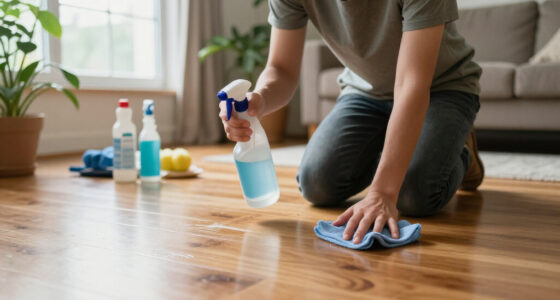
Use a damp microfiber cloth or sponge. A controlled application puts cleaning action on the soil without flooding the entire surface.
Wipe & rinse
Wipe gently, fold to a clean section, and rinse the tool frequently. This removes dissolved dirt and prevents it from being deposited elsewhere.
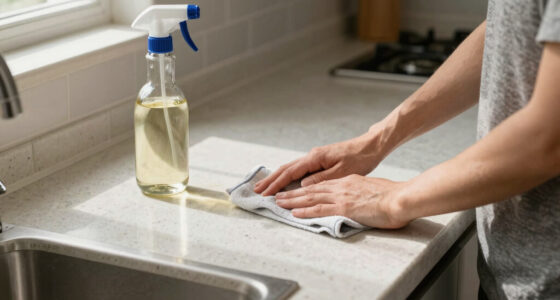
Kitchen-counter rule: start with a small amount of correctly diluted cleaner on a microfiber cloth. Add more only if the soil remains—not simply because the surface is large.
Side-by-side
Heavy-handed vs. minimalist cleaning
The minimalist approach improves the whole system: application, finish, future maintenance, material care, and resource use.
| Measure | Heavy-handed cleaning | Minimalist cleaning |
|---|---|---|
| Application | ✕Large, broad doses and frequent overspray | ✓Measured dilution and targeted placement |
| Final appearance | ✕Greater risk of film, smears, and streaks | ✓Cleaner finish with fewer repeated passes |
| Surface care | ✕Unnecessary chemical exposure over time | ✓Controlled contact helps preserve finishes |
| Running cost | ✕Supplies are depleted faster | ✓Concentrates last longer when properly mixed |
| Environmental load | ✕More runoff, containers, and transport demand | ✓Less chemical use and packaging waste |
Impact profile
Four gains from one smaller dose
These bars show the relative strength of the practical benefits described—not measured percentages. The largest gains appear when correct dilution is paired with microfiber and good wiping technique.
Follow the label’s dilution instructions for optimal performance.
Use less product to reduce streaks and residue buildup.
Target soil with a damp microfiber cloth instead of overspraying.
Choose concentrates to extend supply life and reduce packaging.
Protect health, surfaces, budgets, and the environment together.
How Proper Dilution Boosts Cleaning Power
Starting with the basics: many cleaning products are designed to be diluted—think of them as concentrated solutions that need to be mixed with water. Using them undiluted often results in wasted product and residues that attract dirt.
Proper dilution matters because it ensures that cleaning agents are active enough to lift dirt without leaving behind excess chemicals that can form a sticky film. When a cleaner is too concentrated, it can leave residues that trap dust or grime, making surfaces look dull and attracting more dirt over time. Conversely, under-diluted or improperly diluted solutions may be weak and ineffective, forcing you to use more product or scrub harder. Striking the right balance maximizes cleaning efficiency, saves money, and minimizes chemical residues that could be harmful or cause buildup.
Tip: Always follow the manufacturer’s dilution instructions. Using the correct amount ensures your cleaner works optimally, reducing waste and preventing unnecessary residue.
concentrated multi-surface cleaner
As an affiliate, we earn on qualifying purchases.
As an affiliate, we earn on qualifying purchases.
Why Excess Product Leaves Residues That Attract Dirt
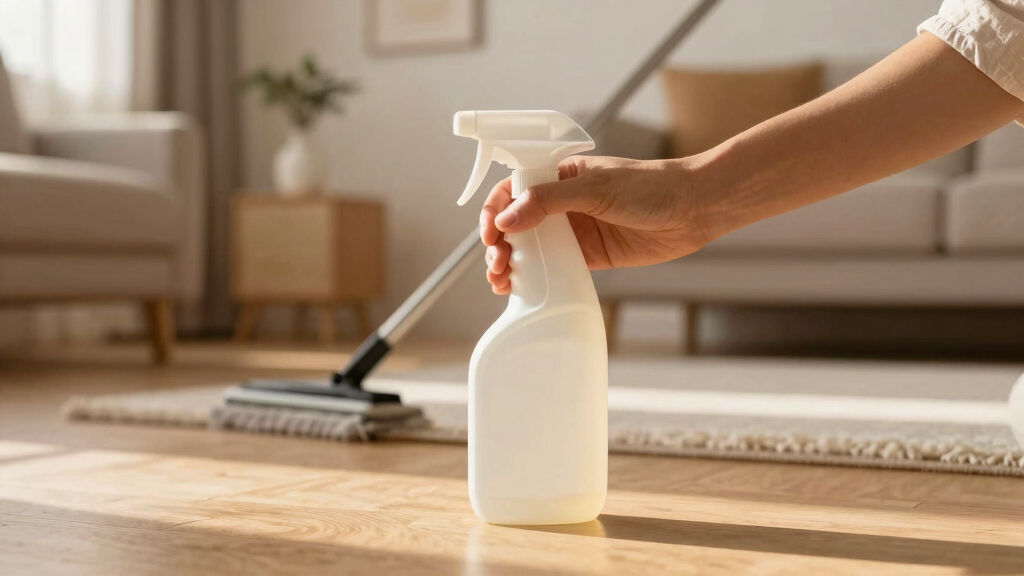
When you use too much cleaning product, it doesn’t just get rid of dirt; it can create a thin film on surfaces that acts like a magnet for dust, grease, and other debris. This residue, especially if not rinsed properly, becomes a sticky layer that attracts more grime, leading to a cycle of constant cleaning. For example, over-spraying glass cleaner or soap can leave streaks and smudges because the excess cleaner dries unevenly, leaving behind a film that attracts fingerprints and dust.
This buildup not only diminishes the appearance of your surfaces but also makes future cleaning more difficult. The more residue left behind, the harder it becomes to achieve a streak-free shine. Using less product—applied carefully—reduces this risk because there’s less leftover film to trap dirt. Additionally, it helps preserve the integrity of delicate surfaces by avoiding chemical overload, which can cause dullness or damage over time. Essentially, less product means fewer residues, which means surfaces stay cleaner longer and require less frequent, intensive cleaning sessions.
Key point: Using minimal amounts of cleaner with proper technique prevents residue buildup, leading to cleaner surfaces that stay cleaner longer and require less effort to maintain.
As an affiliate, we earn on qualifying purchases.
How Using Less Helps Protect Your Surfaces and Your Wallet
Every drop of cleaning solution interacts with your home surfaces—some delicate, like hardwood or marble. Excessive chemical use exposes these surfaces to unnecessary wear and tear. Over time, strong cleaners or too much product can cause discoloration, dullness, etching, or even damage, especially if not rinsed properly. For instance, using a heavy spray of a harsh cleaner on marble can accelerate dulling or etching because the chemicals react with the stone’s surface, degrading its appearance and structural integrity.
By using less, you give your surfaces a gentler, more controlled cleaning, preserving their original look and extending their lifespan. This is especially important for high-value or delicate materials that can be compromised by overuse of chemicals. Additionally, reducing the amount of cleaning product purchased and used translates into significant cost savings over time. Concentrated formulas, when properly diluted, last longer and require fewer resources, which reduces packaging waste and environmental impact. This approach fosters a more sustainable cleaning routine that benefits your wallet and the planet.
Tip: Invest in microfiber cloths—they require less product to clean effectively and are gentler on surfaces, helping you achieve better results with less chemical use.
As an affiliate, we earn on qualifying purchases.
The Most Effective Way to Clean with Less Product in 3 Steps
Using less doesn’t mean sacrificing results. Here’s a simple 3-step process for smarter cleaning that maximizes efficiency:
- Dilute: Follow product instructions carefully to mix the right amount of cleaner with water. Proper dilution ensures the cleaner is effective without excess residue.
- Target: Use a damp microfiber cloth or sponge—no need to soak or overspray. Targeted application prevents waste and directs cleaning power exactly where needed.
- Wipe and Rinse: Gently wipe surfaces with the damp cloth, then rinse the cloth frequently to remove dirt and prevent spreading grime. This prevents re-depositing dirt and ensures a thorough clean.
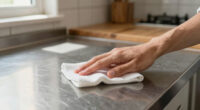
For example, when cleaning kitchen counters, a small dime-sized amount of diluted cleaner on a microfiber cloth is enough to lift grease and crumbs effectively without leaving a film or streaks. This method ensures maximum coverage with minimal product, reducing waste and making cleaning more efficient.
This approach not only saves product but also reduces streaks, chemical residues, and the need for repeated cleaning, keeping your surfaces looking fresh and spotless with less effort.
As an affiliate, we earn on qualifying purchases.
Compare Using Heavy-Handed vs. Minimalist Cleaning
| Heavy-Handed Cleaning | Minimalist Cleaning |
|---|---|
| Uses large amounts of cleaner, often leading to excess residue and waste. | Uses proper dilution and small amounts, reducing waste and chemical exposure. |
| Leaves residues that can attract more dirt and cause streaks, requiring additional cleaning. | Leaves surfaces cleaner and streak-free, often with less effort and fewer passes. |
| Potential damage to delicate surfaces over time due to chemical overload. | Preserves surface integrity by avoiding overuse of harsh chemicals. |
| Higher cost due to overuse and waste of cleaning supplies. | Cost-effective over time because of concentrated formulas and less product needed. |
| More waste, packaging, and environmental impact. | Less waste and more eco-friendly, with minimal packaging. |
Imagine scrubbing a greasy stovetop with a flood of cleaner versus a light spray with a microfiber cloth. The latter often cleans more efficiently, faster, and with fewer streaks because it avoids excess residue that can trap grease and dirt. This comparison highlights that a minimalist approach not only saves resources but also improves cleaning quality by reducing chemical buildup and surface damage.
How Environmental and Health Benefits Add Up When You Use Less
Using less cleaning product significantly reduces the amount of harmful chemicals released into your home environment and the surrounding ecosystem. This means fewer volatile organic compounds (VOCs) in the air, less chemical runoff into waterways, and a lower overall chemical footprint. For example, switching from heavy-duty synthetic cleaners to a small splash of vinegar or baking soda minimizes exposure to synthetic fragrances, preservatives, and harsh acids that can irritate skin, eyes, and respiratory systems.
Research indicates that reducing chemical usage can lead to measurable health benefits, especially for allergy sufferers, children, and pets who are more vulnerable to chemical sensitivities. Fewer chemicals in your home environment mean fewer irritations, allergies, and respiratory issues over time. Additionally, using less product decreases packaging waste—such as plastic bottles and spray cans—reducing landfill contributions and environmental pollution.
In essence, adopting a minimalist cleaning approach isn’t just about saving money; it’s a proactive step toward healthier living and a more sustainable planet. Small changes, like diluting cleaners properly and choosing eco-friendly options, compound over time into significant environmental and health improvements.
Frequently Asked Questions
Why does using less cleaning product sometimes clean better?
Because proper dilution and targeted application lift dirt more effectively without leaving residues that can attract new grime or cause streaks. Heavy use often results in buildup, while less product with the right technique keeps surfaces cleaner longer.How do I know how much cleaning product to use?
Always read and follow the manufacturer’s instructions for dilution ratios. Adjust based on the surface and dirt level—less is usually more, especially with concentrated formulas or natural cleaners.Are natural or homemade cleaning solutions more effective with less product?
Many natural solutions like vinegar or baking soda are effective in small amounts. They often outperform chemical cleaners when used properly, plus they’re safer and gentler on surfaces and your health.Can using too much cleaning product be harmful?
Yes, it can cause skin irritation, respiratory issues, and damage delicate surfaces. Plus, excess chemicals contribute to environmental pollution through runoff and waste.What are some tips for cleaning effectively with less product?
Use microfiber cloths, follow proper dilution guidelines, target specific areas rather than broad spraying, and rinse your cloth frequently. These steps maximize cleaning while minimizing product use.Conclusion
Less cleaning product, when used correctly, often does a better job. It’s about sharp technique, understanding your supplies, and respecting your surfaces. Think of cleaning as a fine-tuned process—less is more, and it’s better for your home and the planet.
Next time you reach for the spray, consider a smaller amount. Your surfaces, wallet, and the environment will thank you for it.
Halloween Picks
halloween
As an affiliate, we earn on qualifying purchases.