TL;DR

Get cleaning gear delivered free with Prime
- Fast, free delivery on millions of items
- Prime Video, Amazon Music and more included
- Member-only deals all year
Damp smells in closets come from excess moisture and microbial growth. Fix the moisture source, clean affected surfaces, and maintain proper humidity to keep odors at bay. Prevention is key to lasting freshness.
That damp, musty smell in your closet isn’t just unpleasant — it’s a warning sign of excess moisture and potential mold lurking behind the scenes. You might see no visible mold, but the odor persists. This guide shows you how to stop that smell at its source and keep your closet fresh and dry.
We’ll walk through simple steps to identify hidden moisture, clean effectively, and prevent future dampness. No hype, just practical advice that works in real homes — because a dry closet smells better, and it’s healthier too.
Hidden moisture behind walls or in stored fabrics often causes damp smells, so thorough inspection is essential.
Cleaning with gentle solutions like vinegar and ensuring complete drying can eliminate existing mold and odors.
Maintaining humidity between 30–50% and improving airflow prevents mold from returning.
Avoid using bleach on porous materials and never mask odors with air fresheners — fix the root cause instead.
Seek professional help when mold persists, is hidden, or if health symptoms appear.
How to Deal With Damp Smells in a Closet
A musty odor is a moisture warning—not a fragrance problem. Find the water source, clean affected surfaces, dry the space completely, and control humidity to stop the smell from returning.
Follow the moisture, not the odor
Musty smells often come from microbial activity, but odor alone cannot reveal the type or extent of contamination. Inspect the closet, its contents, and the building surfaces around it.
Leaks and seepage
Check plumbing, roofs, exterior walls, ceilings, and nearby bathrooms for active or historic water entry.
Hidden surfaces
Look behind shelving, baseboards, cabinetry, wallpaper, and stored boxes for stains, softness, or peeling paint.
Damp belongings
Inspect shoes, laundry, leather, cardboard, and dense fabrics that may hold moisture long after they feel cool or dry.
Condensation
Cold exterior walls and poorly insulated surfaces can collect moisture when warm, humid air enters the closet.
Poor airflow
Overpacked rails and tightly stacked boxes create stagnant pockets where humid air cannot disperse.
Moisture migration
Humidity may travel from basements, bathrooms, wet flooring, or adjoining rooms even when the closet has no leak.
Read the room
Place a hygrometer inside the closet and observe it over several days. Seasonal and overnight readings are more useful than one isolated measurement.
The five-step reset
Repair the leak or condensation problem before cleaning. Otherwise, the odor and microbial growth are likely to return.
Empty
Remove clothes, shoes, boxes, and loose shelving. Separate visibly affected items.
Inspect
Check walls, ceiling, flooring, baseboards, plumbing, and every stored item.
Repair
Stop leaks, seepage, or condensation before surface cleaning begins.
Clean
Wash hard surfaces with mild detergent and water, following product labels.
Dry
Open doors, ventilate, and use a dehumidifier until surfaces and belongings are fully dry.
Do not aim a fan directly at visible mold because moving air may spread spores. Never mix bleach with ammonia, vinegar, acids, or other cleaning products.
Build a closet that stays dry
Prevention interrupts the moisture cycle. The most effective measures remove water sources, reduce stagnant air, and keep absorbent belongings dry.
| Prevention measure | Why it works | Priority | Frequency |
|---|---|---|---|
| Store only dry, clean items | Removes moisture and organic residue that can support microbial growth. | ✓ Essential | Every storage cycle |
| Keep humidity below 50% | Creates a less favorable environment for mold and dust mites. | ✓ Essential | Monitor seasonally |
| Leave gaps between items | Allows air to circulate around fabrics, shelves, and exterior walls. | ✓ High | Maintain continuously |
| Open the closet periodically | Exchanges stagnant closet air with drier conditioned room air. | ~ Helpful | Several times weekly |
| Use moisture-resistant bins | Protects contents from ambient moisture better than absorbent cardboard. | ~ Situational | Humid locations |
| Repair leaks promptly | Stops the continuous water supply that fuels repeated contamination. | ✓ Urgent | Immediately |
Useful after the source is fixed
Do not rely on these
The moisture-to-odor chain
Know when to call a professional
Hidden or recurring moisture may require mold remediation, water-damage assessment, plumbing work, or building-envelope investigation.
Closet dampness FAQ
Why does the closet smell damp without visible mold?
Moisture or growth may be hidden behind drywall, flooring, baseboards, shelving, or fabrics. Check humidity and inspect for water stains or damaged materials.
Can clothes hold a musty smell in a dry-looking closet?
Yes. Fabrics retain odor and may support growth if stored damp. Wash or professionally clean them, then dry them completely before storage.
Will leaving the closet door open solve the problem?
It improves airflow, but it will not repair leaks or remove hidden contamination. Combine ventilation with moisture control and cleaning.
Is vinegar or bleach the better choice?
Mild detergent and water are suitable for many hard surfaces. Bleach is not universally recommended, especially for porous materials. Follow labels and never mix chemicals.
The lasting fix is simple in principle
Find the moisture, stop it, clean safely, dry completely, and keep relative humidity near 30–50%. Odor absorbers can handle minor residue afterward—but they cannot replace moisture control.
Pinpoint the Hidden Moisture Before Cleaning
Finding where the dampness hides is the first step. Moisture can lurk behind walls, under flooring, or inside stored fabrics. A quick inspection can reveal water stains, soft drywall, or peeling paint. Using a hygrometer helps you check if humidity levels are above 60%, which invites mold growth.
For example, a homeowner noticed a damp smell in her closet after a rainy week. She found water spots on the drywall behind a shelving unit. Addressing that leak stopped the odor from returning.
As an affiliate, we earn on qualifying purchases.
How to Thoroughly Clean and Dry Your Closet
- Remove everything from the closet — clothes, shoes, boxes. Examine stored items for mold or dampness.
- Check nearby walls, ceiling, and floors for water stains or soft spots.
- Measure humidity with a hygrometer. Aim for 30–50%. If high, run a dehumidifier or improve ventilation.
- Use a detergent solution to clean hard surfaces. For mold, scrub with a mixture of water and mild detergent or vinegar. Never mix bleach with acids or ammonia.
- Dry everything thoroughly. Open doors, use fans, and consider a dehumidifier. Pay special attention to porous items like cardboard boxes or fabric.
Proper cleaning and drying are crucial because mold spores and microbial contaminants can embed into porous materials, making the odor persistent and increasing health risks. Incomplete drying can allow mold to re-establish, creating a cycle of dampness and smell. Using fans and dehumidifiers ensures thorough removal of moisture, preventing regrowth and safeguarding your health.
As an affiliate, we earn on qualifying purchases.
How to Prevent Damp Smells From Coming Back
| Prevention Tip | Why It Helps |
|---|---|
| Store only dry, clean items | Reduces moisture sources and mold food, which are essential for microbial growth. Keeping items dry prevents mold spores from settling and proliferating, thus reducing the chance of odors returning. |
| Maintain humidity below 50% | High humidity creates an environment conducive to mold and bacterial growth. Keeping it lower slows or halts microbial activity, effectively preventing damp smells from re-emerging. |
| Improve airflow — leave gaps, open doors periodically | Good airflow helps evaporate moisture and reduces stagnant humid air that supports mold growth. Regular ventilation disrupts the microclimate that fosters microbial colonies, maintaining a fresher environment. |
| Fix leaks promptly | Leaks continually introduce moisture into walls, floors, and stored items. Addressing leaks quickly prevents persistent dampness, which is the root cause of mold and odors, thus reducing the need for repeated cleaning. |
| Use moisture-resistant storage containers | They act as barriers against environmental moisture and microbial infiltration, especially in humid climates. This prevents moisture transfer into stored items, helping maintain a dry environment and reducing odor sources. |
For example, replacing cardboard boxes with plastic bins and leaving the closet door open periodically helped a family keep their closet dry over humid summer months. These steps directly interrupt the moisture cycle, making odors less likely to develop or return.
As an affiliate, we earn on qualifying purchases.
When to Call in Professionals for Hidden Mold
Sometimes, the damp smell signals deeper trouble — hidden mold behind drywall or inside walls. If moisture keeps returning, or if you see water stains, peeling paint, or suspect mold behind surfaces, it’s time to get expert help.
Specialists can test, identify, and safely remove mold, especially if health issues or extensive contamination are involved. If you have asthma, allergies, or immune suppression, don’t try to DIY large mold jobs. Professional remediation ensures safety and long-term results.
As an affiliate, we earn on qualifying purchases.
What to Use (and What Not to Use) for Cleaning
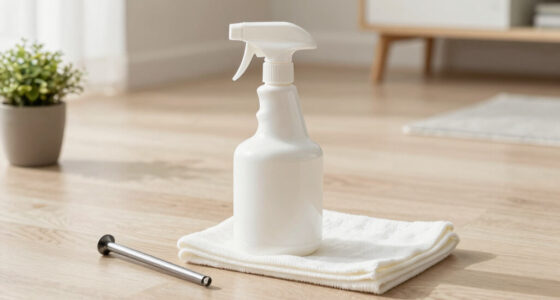
Effective cleaning depends on the surface and contamination level. Use water and mild detergent for hard surfaces. For mold, dilute vinegar or a specialized mold cleaner. Avoid blanket use of bleach, especially on porous materials, because it can discolor and doesn’t penetrate deeply.
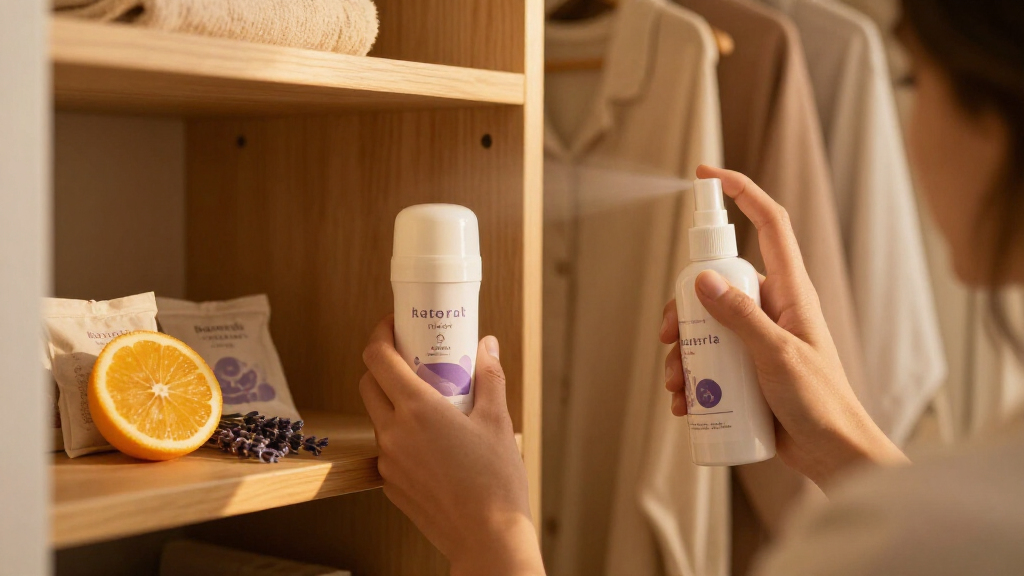
Products to avoid include ozone generators and scented air fresheners, which mask odors but don’t fix the problem. Activated charcoal and baking soda can absorb residual smells but won’t eliminate mold or moisture.
For example, a homeowner found that spraying vinegar on closet walls stopped the musty smell, while bleach made no difference and sometimes worsened discoloration.
Smart Tips to Keep Your Closet Dry and Odor-Free
- Store only dry, freshly laundered clothes and shoes.
- Avoid overpacking — leave space between items for air circulation.
- Use breathable garment bags instead of plastic.
- Regularly open the closet doors to promote airflow.
- Monitor humidity seasonally, especially in humid summers or cold winters.
For example, a person used a small digital hygrometer to keep track of their closet’s humidity. Adjusting the dehumidifier settings kept the damp smell away all year round.
Frequently Asked Questions
Why does my closet smell damp when I see no visible mold?
This often means mold or moisture is hidden behind walls, under floors, or inside stored fabrics. Poor airflow can trap odors from damp materials. Checking humidity levels and inspecting for water stains can reveal hidden issues.
Can clothes absorb a musty smell even if the closet looks dry?
Yes. Fabrics easily retain odors and can support mold growth if stored damp or in humid conditions. Washing and thoroughly drying clothes before returning them helps prevent this problem.
Will opening the closet door fix the damp smell?
Opening the door improves airflow but won’t address underlying moisture issues or hidden mold. Combining ventilation with moisture control and cleaning is more effective.
What humidity level should my closet aim for?
Try to keep relative humidity between 30–50%. Levels above 60% significantly increase mold risk, so monitor with a hygrometer and use dehumidifiers or ventilation as needed.
Is it safe to use bleach or vinegar on moldy closet surfaces?
Vinegar is generally safe and effective for cleaning mold on hard surfaces. Bleach can be used on nonporous surfaces but isn’t recommended for porous materials. Always follow product instructions and ventilate well.
Conclusion
Dealing with damp smells in your closet isn’t just about covering up the odor — it’s about stopping the moisture that fuels microbial growth. Regular inspection, proper cleaning, and good airflow keep your closet fresh and safe.
Think of it as giving your space a breath of fresh air, one step at a time. When moisture is controlled, that musty smell becomes a thing of the past — leaving only the scent of clean, dry fabrics.
Columbus Day / Indigenous Peoples' Day Picks
long weekend sales
As an affiliate, we earn on qualifying purchases.