
TL;DR

Get cleaning gear delivered free — and shop member deals
- Fast, free delivery on millions of items
- Access to Prime Big Deal Days deals on October 6–7
- Prime Video, Amazon Music and more included
Musty smells come from mold, mildew, or dampness. To get rid of them, locate and fix moisture sources, improve ventilation, and use natural odor absorbers like baking soda or activated charcoal. Consistent moisture control is your best long-term defense.
There’s nothing quite like that damp, earthy smell creeping into your home after a rainy day or a lingering leak. It’s a sign your indoor air is holding onto moisture — and mold or mildew are probably nearby.
Getting rid of that musty odor isn’t just about freshening the air. It’s about tackling what’s causing it: excess moisture, poor ventilation, or hidden mold. This guide gives you straightforward, practical steps to clear out the smell and keep your home smelling fresh.
Identify and repair sources of moisture — the root of musty smells.
Boost airflow and use dehumidifiers to dry damp spaces fast.
Clean with vinegar or baking soda to kill mold and neutralize odors.
Use natural odor absorbers like baking soda and charcoal regularly.
Maintain low humidity and good ventilation to prevent future musty smells.
Find and Fix the Source of Dampness First
The first step in banishing musty smells is locating where the moisture is coming from. Think about your basement, bathroom, or kitchen — these areas are most prone to dampness. Look for water stains, peeling paint, or visible mold.
For example, a leaking pipe under the sink might drip all day, slowly creating a moldy mess behind the wall. Fixing leaks, sealing cracks, or improving drainage stops the moisture from fueling mold growth.
Once you stop the water source, the musty smell will start to fade. Until then, any cleaning is just a band-aid.
Understanding the source of dampness is crucial because it directly affects the longevity of your efforts. If you ignore the root cause, the mold and odors are likely to return, making your cleaning efforts temporary at best. Addressing leaks or poor drainage not only removes current odors but also prevents future ones, saving you time and money in the long run.
As an affiliate, we earn on qualifying purchases.
Boost Airflow and Dry Out Damp Areas Quickly
Good ventilation is your secret weapon against musty odors. Open windows, turn on fans, and run exhaust fans in bathrooms and kitchens. Think of it as giving your home a breath of fresh air.
In a damp basement, using a dehumidifier pulling moisture out of the air is like turning down the humidity dial. Keep indoor humidity below 50% — it’s the sweet spot that prevents mold from thriving.
Picture this: a homeowner runs a dehumidifier in the laundry room every day, reducing moisture levels from 70% to 45%. The smell dissipates within days.
Effective airflow and humidity control are vital because mold spores require a certain level of moisture and stagnant air to thrive. Improving ventilation not only dries out existing damp areas but also discourages mold spores from settling and growing. However, over-ventilating in cold weather might lead to energy inefficiencies, so balance is key. Using dehumidifiers offers a controlled way to maintain ideal humidity without overtaxing your heating system.
natural odor absorbers baking soda charcoal
As an affiliate, we earn on qualifying purchases.
As an affiliate, we earn on qualifying purchases.
Clean and Disinfect to Kill Mold and Remove Odors
Cleaning is more than just wiping surfaces. You need to kill mold spores and neutralize the smell. Use a solution of vinegar or baking soda — both are safe, natural options that work well.
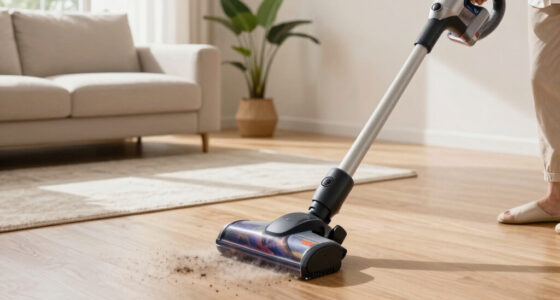
For example, spray vinegar on bathroom tiles and grout, then scrub with a brush. Baking soda sprinkled on carpets before vacuuming absorbs odors. The reason these methods are effective is that vinegar’s acetic acid disrupts the cell walls of mold spores, killing them, while baking soda neutralizes acidic odor molecules and absorbs moisture. This dual action not only removes visible mold but also prevents mold from regrowing in the short term. For stubborn areas, consider using a disinfectant safe for your surfaces. Always follow product instructions carefully.
Choosing natural cleaners reduces chemical exposure and is gentler on your home’s surfaces, but they require consistent application. Regular cleaning prevents mold spores from establishing a foothold, which is essential for long-term odor control.
As an affiliate, we earn on qualifying purchases.
Use Odor Absorbers to Neutralize Lingering Smells
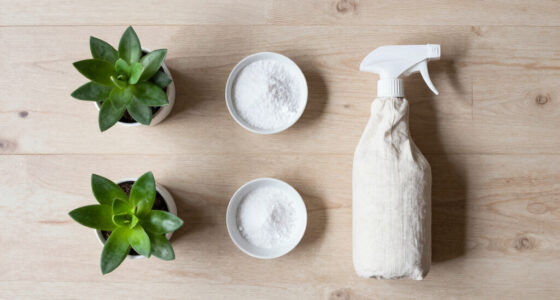
Odor absorbers trap and neutralize smells at their source. Classic options include baking soda, activated charcoal, and white vinegar. These are non-toxic and safe for most surfaces.
For example, place bowls of baking soda in closets, under sinks, or in musty rooms. Change them every few weeks for ongoing freshness. These absorbers work by drawing in odor molecules and moisture, which prevents the smells from lingering or re-emerging. Activated charcoal, in particular, has a high surface area that makes it extremely effective at trapping both moisture and odor particles, thereby reducing mold-friendly conditions. Regular replacement ensures continuous effectiveness. Using these natural methods not only freshens the space but also reduces reliance on chemical air fresheners that temporarily mask odors without addressing the cause.
Activated charcoal bags are also great in basements or behind furniture. They absorb moisture and odors simultaneously.
As an affiliate, we earn on qualifying purchases.
Maintain a Dry, Well-Ventilated Home Long-Term
Prevention beats cure. Keep humidity low year-round, especially in damp zones. Fix leaks immediately, run fans regularly, and consider installing exhaust systems in bathrooms.
Imagine a homeowner who installed a smart humidity monitor that alerts them when moisture creeps above 50%. Regular monitoring keeps mold at bay.
Remember: a dry home isn’t just more comfortable. It’s healthier and free of that persistent, musty scent.
Maintaining a dry, well-ventilated home is about more than just comfort; it’s a proactive approach to health. Excess moisture creates an environment where mold spores can multiply rapidly, often before you even notice the problem. By installing exhaust fans, fixing leaks promptly, and using humidity monitors, you can catch problems early. This continuous vigilance not only prevents odors but also reduces the risk of respiratory issues and structural damage caused by mold growth over time.
Compare Popular Odor Control Methods
| Method | Pros | Cons |
|---|---|---|
| Baking Soda | Inexpensive, safe, easy to use | Needs regular replacement |
| Activated Charcoal | Highly effective at absorbing odors and moisture | Can be messy, needs replacement |
| Vinegar | Natural disinfectant, kills mold spores | Strong smell during use |
| Air Purifiers | Filters out mold spores and odors efficiently | Higher upfront cost, needs maintenance |
Frequently Asked Questions
What causes musty smells in a house?
Musty odors usually come from mold, mildew, or excess moisture trapped in fabrics, carpets, or behind walls. Identifying and removing the moisture source is key to eliminating the smell.
How can I remove musty odors from furniture and carpets?
Vacuum thoroughly, sprinkle baking soda, and let it sit before vacuuming again. For deep odors, consider steam cleaning or replacing affected items if they’re heavily moldy.
Are natural remedies effective against musty smells?
Yes, vinegar, baking soda, and tea tree oil are proven to neutralize odors and inhibit mold growth when used regularly in cleaning routines.
How do I prevent musty smells from coming back?
Keep humidity below 50%, fix leaks promptly, and ensure proper ventilation in damp areas. Using dehumidifiers and air purifiers also helps maintain fresh air.
When should I call a professional?
If mold covers more than a few square feet or odors persist despite cleaning, it’s best to consult mold remediation experts to avoid health risks and structural damage.
Conclusion
Your home’s fresh scent starts with controlling moisture. Fix leaks, dry damp spots, and keep the air moving. A clean, dry house not only smells better — it’s a healthier place to live.
Think of it as giving your home a deep breath every day. Keep moisture in check, and those musty odors will be a thing of the past. Your house will thank you — and so will your nose.
Halloween Picks
halloween
As an affiliate, we earn on qualifying purchases.