
TL;DR

Get cleaning gear delivered free with Prime
- Fast, free delivery on millions of items
- Prime Video, Amazon Music and more included
- Member-only deals all year
Keeping indoor air fresh with pets requires controlling odors at the source, improving ventilation, and filtering airborne particles. Combining these steps makes a real difference in air quality and comfort.
Having pets doesn’t mean your home has to smell like a kennel or set off allergy symptoms every time you walk inside. The secret lies in understanding that fresh indoor air isn’t just about scent—it’s about reducing tiny particles, gases, and allergens that linger unseen. You might scrub your floors and clean pet beds, but without good ventilation and filtration, those unseen pollutants stay put and keep your air feeling stale.
This guide will give you practical, straightforward ways to keep your indoor air clean and fresh, even with furry friends around. From source control to advanced filtration, you’ll learn the smart steps that really work—no hype, no complicated gadgets, just real-world tips to breathe easier.
Use a combination of source control, ventilation, and filtration to keep indoor air fresh with pets.
Regular cleaning of pet bedding, carpets, and furniture significantly reduces airborne allergens.
Choose air purifiers with true HEPA filters and activated carbon for best particle and odor control.
Maintain indoor humidity between 30–50% to prevent mold, odors, and dust mites.
Avoid fragrances, aerosols, and ozone-generating devices—they often worsen indoor air quality.
How to Keep Indoor Air Fresh When You Have Pets
Fresh indoor air isn’t just about scent—it’s about reducing tiny particles, gases, and allergens that linger unseen. Scrubbing floors and washing pet beds helps, but without ventilation and filtration, unseen pollutants stay put. This guide covers the three layers that really work: source control, fresh air, and filtration.
HEPA filters capture 99.97% of airborne particles including pet dander, dust, and pollen.
The ideal range to prevent mold, dust mites, and lingering odors.
Source control + ventilation + filtration—no single step works alone.
Three Layers of Fresh Air
A home can smell clean while still harboring high levels of airborne allergens and pollutants. Effective air quality management needs multiple layers of control—each step feeds the next.
Source Control
Scoop daily, wash bedding, use enzymatic cleaners, and seal waste—stop pollutants before they become airborne.
Ventilation
Dilute stale indoor air with fresh outdoor air when pollen, smoke, and pollution levels permit.
Filtration
Capture what remains: true HEPA for particles, activated carbon for gases and odors.
Stop Odors and Pollutants Before They Spread
Odors are the visible tip of the iceberg. The real concern is the airborne particles and gases that cause lingering smells and irritate respiratory systems. Address them where they start—and remember that pet allergens are proteins in dander, saliva, and urine, not the hair itself.
Litter & Waste
Scoop litter boxes at least daily and store food and waste in sealed containers. Use the one-box-per-cat-plus-one rule to prevent overuse and odor buildup.
Enzymatic Cleaners
For urine or vomit, enzymatic cleaners break down odor-causing proteins instead of masking them. Avoid overusing chemical cleaners and fragrances that add new irritants.
Groom & Vacuum
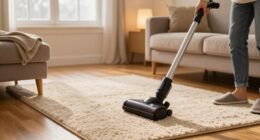
Brush pets outside regularly, and vacuum carpets, rugs, and pet resting spots with a sealed HEPA vacuum at least twice a week. Damp-dust instead of dry-dusting—dry methods redistribute allergens.
Pick the Right Air Cleaner for Pet-Friendly Spaces
HEPA filters excel at particles but don’t remove odors. Activated carbon excels at odors but misses microscopic particles. Match the technology to your problem—and the CADR to your room size.
| Technology | Pet Dander & Dust | Odors & VOCs | Best For |
|---|---|---|---|
| True HEPA Filter | ✓ 99.97% capture | ✗ Not effective | Allergies, asthma, fine particles |
| Activated Carbon | ✗ Misses particles | ✓ Absorbs gases | Lingering pet odors, VOCs |
| HEPA + Carbon Combo | ✓ Full particle capture | ~ Substantial carbon needed | Comprehensive pet-home filtration |
| MERV-13 HVAC Filter | ✓ Most allergens | ✗ Limited | Whole-home coverage, if system allows |
| Ozone Generator | ✗ Not designed for it | ✗ Harms lungs | Nothing—avoid in occupied homes |
Keep Humidity in Check to Cut Smells and Mold
Relative humidity directly influences mold growth, dust mites, and odors. Too high invites mold and bacteria; too low dries pet skin and spreads static-charged dander. Use a hygrometer to stay in the sweet spot.
Below 30% — Too Dry
Dries pet skin and airways, causes static electricity that spreads dander, and keeps particles airborne longer.
30–50% — The Sweet Spot
Prevents mold, dust mites, and musty odors while keeping skin and airways comfortable. Monitor with a hygrometer.
Above 50% — Too Damp
Encourages mold and bacteria, intensifies odors, and worsens respiratory issues. Run a dehumidifier or boost ventilation.
Choose Products That Won’t Make Things Worse
Fragrances may mask odors but do not remove allergens, particles, or gases—and some can harm pets. Prefer unscented, low-VOC products, avoid aerosol sprays, never mix cleaning chemicals, and keep pets away from treated surfaces until dry.
Essential Oils Are Not Automatically Pet-Safe
Species Sensitivity Matters
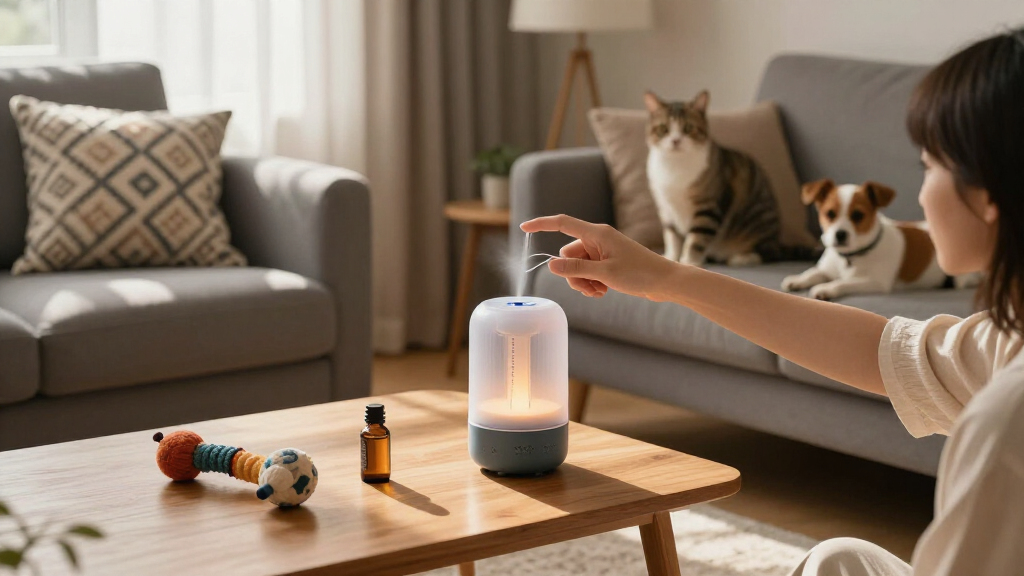
Cats metabolize some compounds poorly, dogs may be poisoned by concentrated oils, and birds are especially sensitive to airborne contaminants. Potpourri liquids, concentrated diffusers, incense, scented candles, and plug-in fragrances may cause irritation or toxicity. If a persistent odor hints at skin, ear, dental, or urinary issues, see a veterinarian—don’t cover it with fragrance.
Key Takeaways
Five practical rules to breathe easier with furry friends around—no hype, no complicated gadgets.
Combine source control, ventilation, and filtration—no single step keeps air fresh on its own.
Regular cleaning of pet bedding, carpets, and furniture significantly reduces airborne allergens.
Choose air purifiers with true HEPA filters plus activated carbon for particle and odor control.
Maintain indoor humidity between 30–50% to prevent mold, odors, and dust mites.
Avoid fragrances, aerosols, and ozone-generating devices—they often worsen indoor air quality.
Keep pets out of the bedroom when someone has significant allergies or asthma, and use washable mats near entrances and litter boxes.
Stop Odors and Pollutants Before They Spread
Odor control starts at the source. Think of it like shutting the door on a smelly room before the smell escapes into the rest of the house. Daily scoopings, prompt cleaning, and sealed waste containers keep odors from becoming airborne and settling into fabrics. Regularly wash pet bedding, blankets, and washable toys, especially if your pet has accidents or skin issues. Use enzymatic cleaners for urine or vomit—these break down odor-causing proteins rather than masking them with fragrances.
Why does this matter? Because odors are often just the visible tip of the iceberg. The real concern is the airborne particles and gases that cause lingering smells and can irritate respiratory systems. By addressing odors at their source, you prevent these pollutants from dispersing and settling into home surfaces, which makes overall air quality significantly better. However, there is a tradeoff—overusing chemical cleaners or fragrances can introduce new irritants, so choosing enzymatic and eco-friendly options is best for both your home and your pets.
As an affiliate, we earn on qualifying purchases.
Reduce Dander and Debris That Lingers in Your Home
Pet dander, saliva, and urine proteins are tiny particles that get carried around on hair and dust. These allergens settle into carpets, upholstery, and pet beds, creating a persistent source of indoor pollution. Regular grooming—brushing your dog or cat outside—reduces the amount of dander shed into your environment, which directly impacts allergy symptoms and air quality. Vacuum with a sealed, HEPA-filtered vacuum at least twice a week, focusing on carpets, furniture, and pet resting spots. This not only removes visible debris but also prevents allergen buildup that can become airborne when disturbed.
Why is this important? Because pet allergens can trigger asthma attacks, sneezing, and skin irritations, even in homes without visible pet hair. The tradeoff lies in the effort required—consistent grooming and cleaning take time, but they drastically reduce allergen levels. Damp-dusting and mopping hard surfaces further prevent allergen accumulation, which is crucial because dry cleaning alone often redistributes allergens rather than removing them. Ultimately, these practices create a cleaner, healthier environment that minimizes the immune system’s overreaction to pet allergens.
activated carbon air filter for pets
As an affiliate, we earn on qualifying purchases.
As an affiliate, we earn on qualifying purchases.
Breathe Easier with Smarter Ventilation
Good airflow is key to diluting indoor pollutants. When outdoor air quality is safe, opening windows allows fresh air to replace stale, pet-laden air, which helps prevent the buildup of airborne allergens and gases. Ventilation helps remove volatile organic compounds (VOCs) from cleaning products or pet supplies, as well as moisture that encourages mold growth. Use exhaust fans in bathrooms and kitchens during activities like cooking or bathing pets—these devices actively pull out moisture and odors before they can settle and degrade indoor air quality.
However, the timing and conditions matter. During high pollen seasons or wildfire smoke, opening windows can introduce more pollutants, offsetting the benefits of fresh air. In such cases, relying on filtration and mechanical ventilation becomes more effective. The tradeoff is balancing fresh air intake with outdoor pollution levels—knowing when to open or close windows is key to maintaining optimal indoor air quality. Proper ventilation strategies help prevent dampness and reduce indoor humidity spikes, which are common triggers for mold and dust mites, further improving your home’s air environment.
As an affiliate, we earn on qualifying purchases.
Pick the Right Air Cleaner for Pet-Friendly Spaces
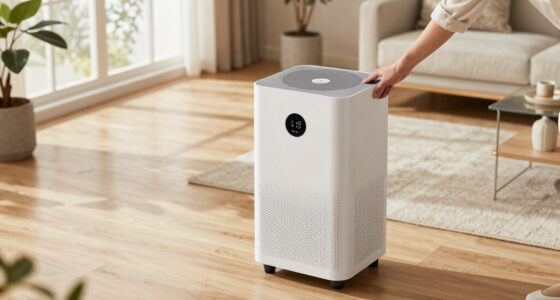
Choosing an air purifier isn’t just about size; it’s about selecting a device with the right features for your specific needs. A true HEPA filter captures 99.97% of airborne particles like pet dander, dust, and pollen, which are common triggers for allergies and asthma. For odors, look for models with activated charcoal or carbon filters—these reduce gaseous pollutants and smells that linger after pet activities. The key is to select a unit with a Clean Air Delivery Rate (CADR) that matches your room size, and run it continuously for consistent air quality improvements.
Understanding the options helps you make an informed choice: HEPA filters are excellent for removing particles, but they don’t eliminate odors. Conversely, activated carbon filters excel at odor removal but don’t capture microscopic particles. Some advanced units combine both features, providing comprehensive filtration. For central HVAC systems, a MERV-13 filter offers a good balance—removing most allergens and particles without restricting airflow if your system can handle it. Regularly replacing filters ensures optimal performance and prevents re-circulation of pollutants, maintaining a healthier indoor environment.
air purifier with true HEPA and carbon filter
As an affiliate, we earn on qualifying purchases.
As an affiliate, we earn on qualifying purchases.
Keep Humidity in Check to Cut Down on Smells and Mold
Maintaining indoor relative humidity between 30–50% is crucial because it directly influences mold growth, dust mites, and odors. When humidity is too high, it creates a damp environment conducive to mold and bacteria, which can produce musty smells and worsen respiratory issues. Conversely, low humidity can dry out pet skin, leading to irritation and static electricity, which can spread dander and debris. Using a hygrometer helps you monitor these levels accurately. If humidity exceeds 50%, using a dehumidifier or increasing ventilation helps remove excess moisture. During dry months, a humidifier can prevent skin irritations and static buildup without creating dampness that fosters mold.
Why does this matter? Because moisture levels influence microbial growth and allergen proliferation. The tradeoff involves balancing humidity—too high invites mold and bacteria, too low causes dryness and static. Proper control minimizes these risks, leading to fresher, healthier indoor air. For example, a pet owner notices that during winter, static shocks and musty smells increase, indicating high indoor humidity. Using a dehumidifier reduced mold spores and improved overall air quality, which benefits both pets and humans.
Choose Cleaning Products That Won’t Make Things Worse
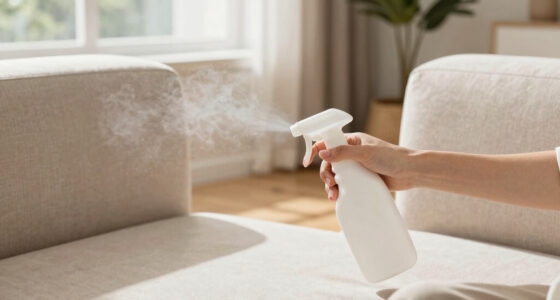
Many cleaning products contain fragrances and volatile organic compounds (VOCs) that can irritate pets and humans, especially those with respiratory sensitivities. Opting for unscented, low-VOC cleaners reduces the introduction of unnecessary chemicals into your indoor environment. Avoid aerosol sprays, which disperse fine particles and chemicals into the air, often lingering long after cleaning. When cleaning, ventilate the area thoroughly until products are dry—this helps prevent inhalation of residual fumes. Additionally, consider natural or plant-based cleaners that are specifically formulated to be safe for pets and effective at removing dirt without adding harmful substances.
Why is this important? Because many conventional cleaners can exacerbate respiratory issues, trigger allergies, or even cause poisoning if ingested or inhaled over time. The tradeoff involves choosing effective cleaning solutions that prioritize safety without sacrificing cleanliness. For example, switching to fragrance-free disinfectants and natural cleaning agents led a pet owner to notice fewer respiratory irritations and less skin redness in their pets. Always read labels carefully—some essential oils and scented products are toxic to cats and birds—so selecting pet-safe options is essential for maintaining a healthy home environment.
Say No to Ozone Devices and Hidden Pollutants
Ozone generators and ionizers can produce ozone—a lung irritant and potential toxin for pets. Ozone reacts with other pollutants, creating secondary harmful compounds, and can worsen respiratory issues. Avoid using these devices in occupied spaces, especially if anyone has asthma, allergies, or respiratory sensitivities. Some ionizers claim to clean air but also produce ozone or other harmful by-products, which can compromise indoor air quality over time. Relying solely on these devices may give a false sense of clean air while actually introducing new health hazards.
For example, a homeowner using a cheap ionizer notices their dog coughs more and shows signs of respiratory distress after running the machine. To ensure safety, stick with proven HEPA filters and activated carbon filters, which effectively remove particles and odors without generating harmful by-products. The tradeoff is that ozone-based devices may seem convenient or inexpensive initially but pose significant health risks in enclosed spaces with pets and family members. Choosing safer, well-tested filtration methods ensures your indoor air remains healthy and free from secondary pollutants.
Protect Sensitive Pets and People with Extra Precautions
Some household members, such as those with asthma, allergies, or respiratory issues, require extra precautions to maintain good indoor air quality. Continuous filtration with high-efficiency filters and reducing pollutant sources are essential in these environments. Small mammals and birds are especially vulnerable because their respiratory systems are more sensitive to airborne toxins, dust, and chemical fumes. Keeping their enclosures clean and out of drafts minimizes exposure to irritants and helps prevent health problems like feather plucking or respiratory distress.
For example, a family with a pet bird notices increased respiratory issues and feather loss when indoor air quality drops. Using a HEPA purifier constantly and keeping windows closed during high pollen or pollution seasons significantly improves their pet’s health. The tradeoff is the need for ongoing vigilance and possibly more frequent cleaning or filtration upgrades to ensure the environment remains safe for sensitive animals and humans alike.
Frequently Asked Questions
What is the best air purifier for a home with pets?
A true HEPA purifier with an activated carbon filter, sized for your room, provides the best overall air cleaning for pet dander and odors. Avoid models that produce ozone or rely solely on ionization.
Where should I place the air purifier?
Position it in the main room where your pet spends most of their time or near your sleeping area. Keep it off the floor if it’s a tall unit, and don’t hide it behind furniture—air needs to circulate freely for best results.
How often should I change the filters?
Follow the manufacturer’s instructions, but generally, HEPA filters last 6–12 months. If you have multiple pets or heavy shedding, check filters more often and replace them when they look dirty or reduce airflow.
Can an air purifier remove pet smells?
Yes, especially models with activated carbon filters. However, it won’t fix underlying issues like dirty litter or damp bedding. Regular cleaning of pet areas remains essential for odor control.
Are scented candles or diffusers safe around pets?
Many are not. They can add particles and chemicals to the air that irritate pets’ respiratory systems. Opt for fragrance-free options and avoid burning candles or using diffusers near your animals.
Conclusion
Your home doesn’t have to smell like a pet shop or trigger allergy flare-ups. Think of indoor air management as a layered shield—source control, fresh air exchange, and smart filtration work together. Keep your pet’s environment clean, your vents open when safe, and your filters fresh, and you’ll breathe easier every day.
Imagine walking into a home where every breath feels crisp and clean—fresh air that welcomes you, pets included. That’s a home where your pet’s joy and your health thrive side by side.
Halloween Picks
halloween
As an affiliate, we earn on qualifying purchases.