
TL;DR

Get cleaning gear delivered free — and shop member deals
- Fast, free delivery on millions of items
- Access to Prime Big Deal Days deals on October 6–7
- Prime Video, Amazon Music and more included
High indoor humidity above 60% can cause mold, dust mites, and structural damage. Using smart sensors, dehumidifiers, and ventilation can keep moisture in check, improving health and saving money.
Ever walk into your house and feel that damp, heavy air? Maybe you notice condensation on the windows or a musty smell lingering in the corners. These are signs your home is holding too much moisture. But why does this happen, and more importantly, why does it matter?
High humidity isn’t just uncomfortable — it can trigger allergies, damage your walls, and even lead to costly repairs. In this guide, you’ll learn the common causes behind excessive indoor moisture, how it affects your health and home, and simple ways to keep things in balance.
Use a hygrometer to keep tabs on your home’s moisture levels.
Running exhaust fans and opening windows during activities like cooking cuts humidity fast.
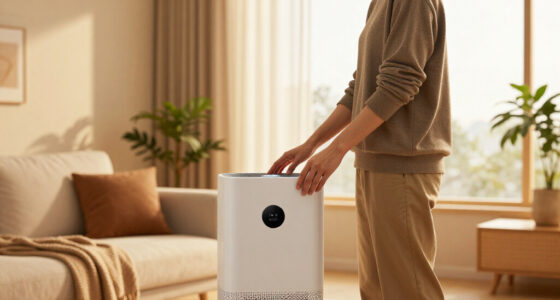
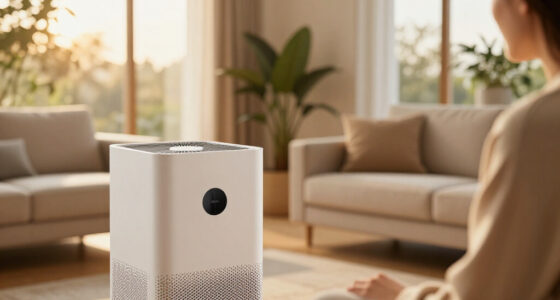
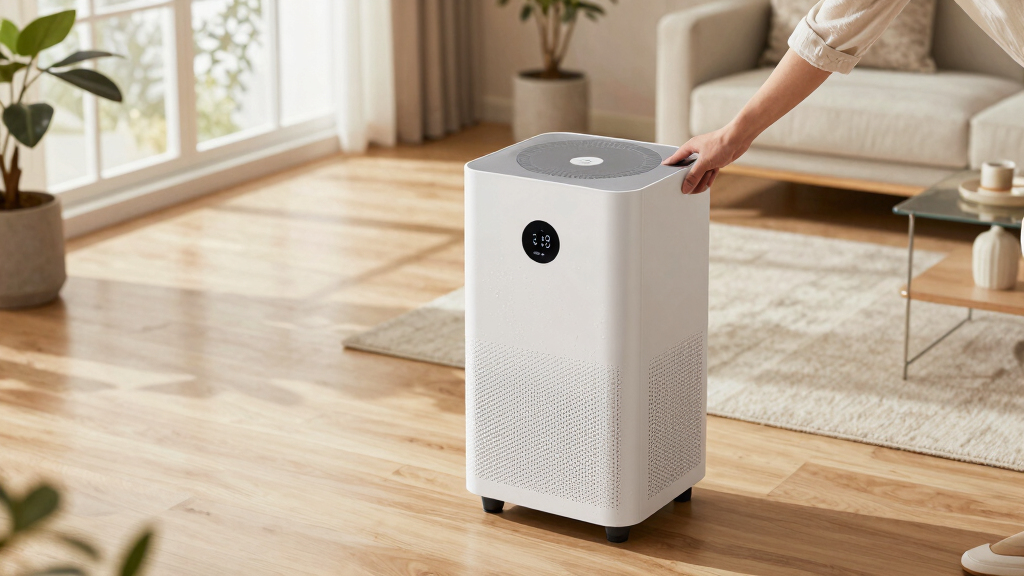
A good dehumidifier is your best friend in humid climates or poorly ventilated areas.
Fix leaks promptly to prevent ongoing moisture buildup.
Balance indoor humidity between 30% and 50% to protect your health and home.
What makes your home so humid? The real culprits behind the moisture
Humid homes often have a few key sources that pour moisture into the air. Cooking, showering, and laundry are the usual suspects. Every time you boil pasta or take a hot shower, water vapor escapes into your living space. If your bathroom lacks proper ventilation, that steam lingers, boosting humidity levels.
Weather plays a role too. In humid climates or during rainy seasons, outdoor moisture seeps inside. Leaks or water intrusion from roof or plumbing issues can also quietly add moisture. Think of it like a sponge — if it’s constantly soaked, it stays damp. This persistent moisture can lead to a cycle where mold and bacteria thrive, causing health issues and structural decay. Recognizing these sources helps prioritize which areas need targeted improvements, like upgrading ventilation or fixing leaks, to prevent long-term damage.
Understanding these sources is crucial because they can create a feedback loop: increased moisture promotes mold growth, which releases spores into the air, potentially causing allergies and respiratory problems. Over time, unchecked humidity can weaken building materials, leading to costly repairs and compromising your home’s safety. Addressing these sources early can save you money and protect your health by reducing the risk of mold and structural damage.
- Cooking and bathing without exhaust fans
- Poor ventilation in bathrooms and kitchens
- Leaking pipes or roof leaks
- High outdoor humidity, especially in summer
As an affiliate, we earn on qualifying purchases.
How high humidity damages your home and affects your health
Indoor humidity over 60% can turn your home into a mold playground. Mold spores thrive in damp spots, spreading quickly and causing allergy symptoms or asthma flare-ups. For example, a damp basement with poor airflow can develop black mold within weeks, affecting everyone nearby. This mold not only damages surfaces but can also release spores into the air, which are inhaled and can cause respiratory issues, especially in vulnerable populations like children or allergy sufferers.
Excess moisture also attracts dust mites, tiny creatures that fuel allergy and asthma symptoms. Their presence is amplified in humid conditions, making symptoms worse and complicating asthma management. Wooden furniture, drywall, and paint suffer too — moisture causes warping, peeling, and rot. Over time, this structural degradation can compromise the integrity of your home, leading to costly repairs. The persistent musty smell isn’t just unpleasant — it’s a sign of ongoing damage that can worsen if humidity isn’t controlled. Balancing humidity levels is essential not just for comfort, but to prevent these damaging and health-compromising effects that accumulate over time, often silently, until costly repairs or health issues arise.
High humidity can also have long-term implications beyond immediate health effects. It can weaken the structural components of your house, such as framing and insulation, leading to increased energy costs and potential safety hazards. The continual presence of moisture accelerates material deterioration, meaning what seems like a minor issue today can become a major repair bill down the line. Conversely, neglecting humidity control can trap moisture inside walls and ceilings, fostering hidden mold growth that’s difficult to detect until it’s well-established. Therefore, maintaining optimal humidity isn’t just about comfort—it’s a key part of long-term home preservation and health.
On the flip side, too little humidity (below 30%) leaves your skin dry and your respiratory system irritated. This imbalance can cause discomfort and increase susceptibility to colds and respiratory infections. Maintaining a proper humidity range (30-50%) creates an environment that supports both your health and the longevity of your home’s materials, reducing the trade-offs between too much and too little moisture.
automatic dehumidifier for basement
As an affiliate, we earn on qualifying purchases.
As an affiliate, we earn on qualifying purchases.
Smart ways to measure and monitor your home’s humidity levels
Knowing your indoor humidity is simple with a hygrometer — a small device that measures moisture levels. For example, a hygrometer sitting on your living room shelf can tell you if your home is above 60% or below 30%. Smart sensors even connect to your phone, giving real-time updates and alerts. This technology allows you to catch problems early—before mold spores or structural damage become visible or costly. Regular monitoring helps you understand how daily activities, weather changes, or appliances impact your indoor environment, enabling more precise control of moisture levels. For instance, if you notice humidity spikes after cooking or showering, you can adjust ventilation or run a dehumidifier accordingly. This proactive approach prevents long-term issues by maintaining optimal humidity, which is especially important in climates prone to high outdoor moisture or in homes with poor insulation. In essence, investing in good monitoring tools empowers you to make informed decisions that safeguard your health and property, avoiding the tradeoffs of excessive or insufficient humidity.
Some tips:
- Place hygrometers in common areas like the living room or basement
- Use smart sensors that sync with your phone for continuous monitoring
- Check humidity after activities like cooking or showering to see their impact
As an affiliate, we earn on qualifying purchases.
Frequently Asked Questions
How do I know if my home is too humid?
Use a hygrometer to measure your indoor humidity. Signs of high humidity include condensation on windows, musty odors, mold spots, and peeling paint. Keeping levels between 30-50% is ideal for comfort and safety.
What’s the easiest way to lower humidity quickly?
Turn on exhaust fans, open windows, and run a dehumidifier. Improving airflow helps moisture escape, bringing your indoor humidity down within a few hours, especially during or after activities like cooking or showering.
Can high humidity cause health problems?
Yes. Excess moisture promotes mold growth and dust mites, which can trigger allergies, asthma, and respiratory issues. Keeping humidity in check reduces these risks significantly.
Is it better to use a dehumidifier or an air conditioner?
Both reduce humidity, but dehumidifiers are more efficient solely for moisture removal. Air conditioners cool the air and also dehumidify, making them suitable for hot, humid days.
How does outdoor climate influence indoor humidity?
Humid climates naturally raise indoor moisture levels, especially during summer or rainy seasons. Proper ventilation and climate-adapted systems help manage this excess moisture.
As an affiliate, we earn on qualifying purchases.
Conclusion
Controlling indoor humidity isn’t just about comfort — it’s about protecting your home and your health. A few simple steps, like using a hygrometer, turning on exhaust fans, and deploying a dehumidifier, can make a world of difference.
Next time you notice that damp smell or condensation, remember: managing moisture keeps your home safe, fresh, and cozy. Think of it as giving your house a breath of fresh air — every day.
Halloween Picks
halloween
As an affiliate, we earn on qualifying purchases.