TL;DR

Get cleaning gear delivered free with Prime
- Fast, free delivery on millions of items
- Prime Video, Amazon Music and more included
- Member-only deals all year
Your house smells different to visitors mainly because of olfactory adaptation—you become used to your home’s scent while guests notice every odor. Odors come from everyday sources like pets, cooking, and moisture. Managing airflow, cleaning porous surfaces, and addressing specific smells can make your home more inviting.
Ever wondered why guests always comment on your home’s smell, but you barely notice it? The answer comes down to how your nose adapts. When you stay in the same environment, your brain tunes out familiar scents, making them seem invisible to you. But visitors, arriving fresh, notice every whiff—sometimes more than you’d like.
This guide reveals what causes those differences in smell perception. From porous materials trapping odors to airflow and personal sensitivities, you’ll learn how to spot, control, and improve your home’s scent profile so that it feels clean, fresh, and welcoming to everyone.
Your brain quickly adapts to your home’s smell, making you unaware of odors that visitors notice.
Porous materials like carpets and curtains trap odors, slowly releasing them over time.
Addressing odor sources directly—through cleaning, ventilation, and moisture control—works better than masking with fragrances.
Persistent or unusual smells can signal safety issues like gas leaks or mold, so don’t ignore them.
Regular maintenance and small habits can keep your home smelling fresh without heavy fragrances.
Why Your House Smells Different to Visitors
Your home has a scent signature—but your brain quietly edits it out. Olfactory adaptation makes familiar background odors fade from awareness, while a visitor arrives with a fresh, unadapted sense of smell.
The brain reduces attention to odors that remain constant.
Strong smells can quickly fade from conscious awareness.
Cleaning and airflow outperform fragrance masking.
Materials, people and daily activity form one signature.
Textiles can absorb and slowly release odor compounds.
Warm, damp conditions can make odors more noticeable.
Time away from home can reset odor awareness.
How familiarity makes scent disappear
Nose blindness is a normal sensory filter, not proof that one person has a “better” nose. Your nervous system prioritizes change, so constant background odors receive less conscious attention.
Your home emits a steady mixture
Cooking oils, pets, laundry products, furniture, flooring, humidity and human activity blend into a recognizable scent profile.
Your brain lowers the signal
When an odor remains stable, attention shifts away from it. The scent is still present even when it no longer feels obvious.
A visitor detects the contrast
Guests cross directly from outdoor air or another building into your scent environment, making unfamiliar odors immediately noticeable.
From household source to guest impression
Smell perception is not created by the source alone. Materials, airflow, biology and expectation all influence what a visitor notices—and whether it seems pleasant.
Source
Food, pets, moisture, smoke or household products release compounds.
Accumulation
Stagnant air and porous surfaces hold and redistribute those compounds.
Detection
An unadapted visitor notices the change in air immediately.
Interpretation
Memory, sensitivity and visual clues shape the final impression.
A noticeable scent is not automatically unhealthy. Risk depends on its source and concentration—not simply whether someone can smell it.
Ten odors visitors notice first
The strongest clues often come from fabrics, moisture zones, food preparation and stagnant air. Identifying the actual source is more useful than trying to overpower it.
Pet bedding and litter boxes
Earthy, ammonia-like or musty.
Cooking oils, spices and leftovers
Fried, spicy, fishy, garlicky or sour.
Moisture, mold and mildew
Earthy, damp or persistently musty.
Tobacco, cannabis and fireplaces
Sharp, stale, smoky or resinous.
Garbage, disposals and drains
Rotten, sour, sulfurous or chemical.
Shoes, sports gear and laundry
Sweaty, stale or detergent-heavy.
Air fresheners and fragrances
Overpowering, sweet or artificial.
New furniture, paint and flooring
Plastic-like, paint-like or solvent-like.
HVAC filters, ducts and closed rooms
Dusty, stale or chemical.
Sewer, gas, electrical or pest issues
Rotten eggs, burning, decay or chemicals.
Relative odor-holding tendency
Conceptual comparison based on material porosity and repeated exposure.
Conditions that raise odor intensity
Warmth, humidity and limited airflow can increase microbial activity, slow drying and concentrate airborne compounds.
It is not one substance. It commonly reflects moisture, dust, aging materials, wood finishes, limited ventilation and accumulated compounds in porous surfaces.
What actually removes odors?
The strongest strategy combines source control, ventilation and cleaning. Products that only add fragrance may change the smell without improving the underlying air.
| Method | Removes source | Helps particles | Helps gases | Best use |
|---|---|---|---|---|
| Clean or repair the source | ✓ | ✓ | ✓ | Persistent, localized or embedded odors |
| Open windows and use exhaust fans | ~ | ~ | ✓ | Cooking fumes, humidity and stagnant air |
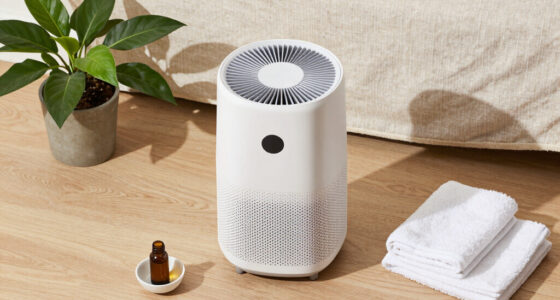
| HEPA filtration | ✗ | ✓ | ✗ | Dander, dust and smoke particles |
| Activated carbon | ✗ | ~ | ✓ | Many airborne odor compounds and VOCs |
| Air freshener or fragrance | ✗ | ✗ | ✗ | Temporary masking only |
| Ozone generator in occupied space | ✗ | ✗ | ✗ | Not recommended for occupied homes |
Important: Activated carbon has finite capacity and must be replaced. Ozone can irritate the lungs and react with indoor chemicals to produce additional pollutants.
A practical five-step reset
Step outside for a few hours before assessing your home. Returning with a reset sense of smell gives you a closer approximation of what a visitor experiences.
Reset
Spend time away and avoid strong perfume before returning.
Trace
Check entrances, textiles, drains, pet areas and damp spaces.
Remove
Clean, wash, discard or repair the specific odor source.
Ventilate
Use windows, exhaust fans and HVAC circulation appropriately.
Maintain
Control humidity, refresh filters and repeat small cleaning habits.
Control the source
Wash porous materials, empty waste, clean pet areas and fix leaks. Source removal delivers the most durable improvement.
Improve air exchange
Run kitchen and bathroom exhaust fans, open windows when conditions allow and prevent rooms from becoming stagnant.
Use fragrance lightly
Heavy scent can irritate sensitive visitors and may create a stronger mixed odor instead of a genuinely fresh environment.
Some smells require action—not adaptation
Persistent or unusual odors can signal hidden moisture, combustion, electrical trouble, pests or sewer-gas entry.
Rotten-egg or sulfur odor
Leave the area and follow local gas-emergency guidance if a fuel-gas leak may be present.
Burning or hot-plastic odor
Stop using the suspected appliance or circuit and seek qualified electrical help.
Persistent mustiness
Inspect for leaks, condensation and hidden damp materials rather than covering the smell.
Sewer or decay odor
Check dry drain traps, plumbing faults and pest activity; obtain professional inspection when needed.
Frequently asked questions
Smell is influenced by biology, health, age, genetics, medication, pregnancy, smoking history, culture, memory and expectation. Different reactions are normal.
Why can’t I smell my own house?
Your brain has adapted to its stable background odor. Visitors arrive without that adaptation and detect the contrast more readily.
How quickly does nose blindness happen?
Adaptation may begin within minutes, depending on odor strength, familiarity and individual sensitivity.
Can I reset my sense of smell?
Yes. Spending a few hours away, returning without added fragrance and ventilating the space can improve awareness.
Do all homes have a scent?
Yes. Building materials, furnishings, outdoor air, occupants and daily routines combine into a distinctive odor signature.
Why are pet odors stronger to guests?
Residents adapt through repeated exposure. Visitors are unaccustomed to the odor and may detect bedding, dander or litter immediately.
Can an air-quality monitor identify smells?
Consumer devices can track humidity, particles, carbon dioxide or broad VOC estimates, but they do not identify every odor source.
Freshness comes from control, not concealment.
Find the source, clean porous surfaces, manage moisture and improve airflow. A naturally clean home is more welcoming—and usually more comfortable—than one dominated by masking fragrances.
Why Your House Has a Unique Scent You Don’t Notice
Your home’s smell is a complex mix of everything inside—cooking oils, pets, cleaning products, furniture, even the materials used in construction. Over time, these scents blend into a signature aroma that your brain learns to ignore. Recognizing the depth of this phenomenon is crucial because it influences how you perceive cleanliness and comfort. If you’re unaware of these underlying odors, you might overlook persistent sources that could be improved or eliminated, affecting your home’s overall freshness and health.
Imagine living in a house where the faint aroma of baked bread, pet dander, and humid air becomes so familiar that you forget they’re there. Visitors, however, arrive with fresh noses, noticing these subtle scents instantly. This phenomenon is called olfactory adaptation, and it’s why your house smells different to others. Understanding this helps you realize that even a seemingly ‘clean’ home might harbor unnoticed odors that influence guests’ impressions.
Porous materials like carpets, curtains, and upholstery soak up odors, slowly releasing them over days or weeks. The temperature and humidity in your home also influence how strong or noticeable these smells become—warm, humid days often make odors more pungent. This is significant because it means that environmental conditions can amplify or diminish certain smells, making regular management and environmental control vital for maintaining a fresh scent profile.
And don’t forget—your own perceptions are influenced by your genetics, age, health, and even your mood. What smells pleasant to you might seem overwhelming to a visitor. Expectation also plays a role—if they see a litter box or a pile of laundry, they’ll likely connect the smell to those sources. Recognizing these layers of perception can help you better interpret visitor feedback and address specific issues more effectively.
As an affiliate, we earn on qualifying purchases.
Top 10 Sources of Odors Visitors Always Notice
Some smells are more noticeable because they come from common household sources. Here are the ten most frequent culprits, along with why they matter:
| Source | What it smells like |
|---|---|
| Pet bedding & litter boxes | Earthy, ammonia-like, or musty |
| Cooking oils, spices, and leftovers | Fried, spicy, or sour |
| Moisture and mold | Earthy, damp, or musty |
| Tobacco or cannabis | Sharp, stale, or smoky |
| Garbage and drains | Rotten, sour, or chemical |
| Shoes, sports gear, and body odors | Sweaty, chemical, or stale |
| Air fresheners & fragrances | Overpowering, sweet or artificial |
| New furniture or paint | Chemical, plastic, or paint-like |
| HVAC systems & ducts | Stale, dusty, or chemical |
| Septic or sewer gases | Rotten eggs, sulfur, or chemical |
Recognizing these sources is not just about identification; it’s about understanding their implications. For example, mold or sewer gases pose health risks beyond just smell, indicating underlying problems that need immediate attention. Similarly, lingering pet odors can signal inadequate cleaning routines, impacting air quality and comfort. Being aware of these tradeoffs allows you to prioritize repairs, cleaning, or ventilation strategies that improve both safety and perception of freshness.
As an affiliate, we earn on qualifying purchases.
Understanding Odor Accumulation and How It Builds Up
Odors don’t just appear out of nowhere; they gradually accumulate through everyday activities and environmental factors. Cooking, pet activities, and moisture create continuous sources of scent that can build up over time. If these sources are not managed properly, they can lead to persistent smells that visitors find overwhelming.
For example, cooking spicy dishes without proper ventilation can leave lingering aromas that seep into curtains and walls. Similarly, pet dander and odors can embed into carpets and furniture, slowly releasing over weeks. Moisture from showers or leaks promotes mold growth, which not only smells musty but can also pose health risks.
Understanding how these odors build up helps you take targeted action. Regular cleaning, proper ventilation, and controlling humidity levels are effective strategies to prevent odors from becoming overwhelming. Small habits like opening windows after cooking or using exhaust fans can make a significant difference in maintaining a fresh environment.
By knowing where and how odors accumulate, you can implement proactive measures that keep your home smelling clean and inviting, reducing the need for heavy fragrances or frequent deep cleaning.
As an affiliate, we earn on qualifying purchases.
Frequently Asked Questions
Why can’t I smell my own house anymore?
Your nose adapts quickly to background odors, so you stop noticing them. Visitors, arriving fresh, pick up on these smells more readily. Regular cleaning and fresh airflow help reset your perception.How long does it take for nose blindness to happen?
Adaptation can start within just a few minutes of exposure to a smell, depending on its strength and your sensitivity. The more familiar you are with a scent, the faster your brain tunes it out.Can I reset my sense of smell?
Spending a few hours away from your home usually helps. Ventilating your space and avoiding perfumed products also refresh your olfactory senses.Do all homes have a smell?
Yes. Every home develops a scent signature based on materials, activities, and outdoor environment—some subtle, others more noticeable.Why do visitors notice pet odors more than I do?
Because owners adapt to their pet’s scent over time, visitors’ noses are unaccustomed and more sensitive. Regular cleaning can help minimize this discrepancy.As an affiliate, we earn on qualifying purchases.
Conclusion
Understanding why your house smells different to visitors empowers you to take control. Focus on source control, ventilation, and cleaning to create a space that feels fresh and inviting—no masking required. After all, a home that smells naturally clean is the best way to make everyone feel comfortable.
Next time a guest comments on your home’s scent, remember: it’s all about perception—and a little proactive effort goes a long way to keep your house smelling just right.
Halloween Picks
halloween
As an affiliate, we earn on qualifying purchases.