TL;DR

Get cleaning gear delivered free — and shop member deals
- Fast, free delivery on millions of items
- Access to Prime Big Deal Days deals on October 6–7
- Prime Video, Amazon Music and more included
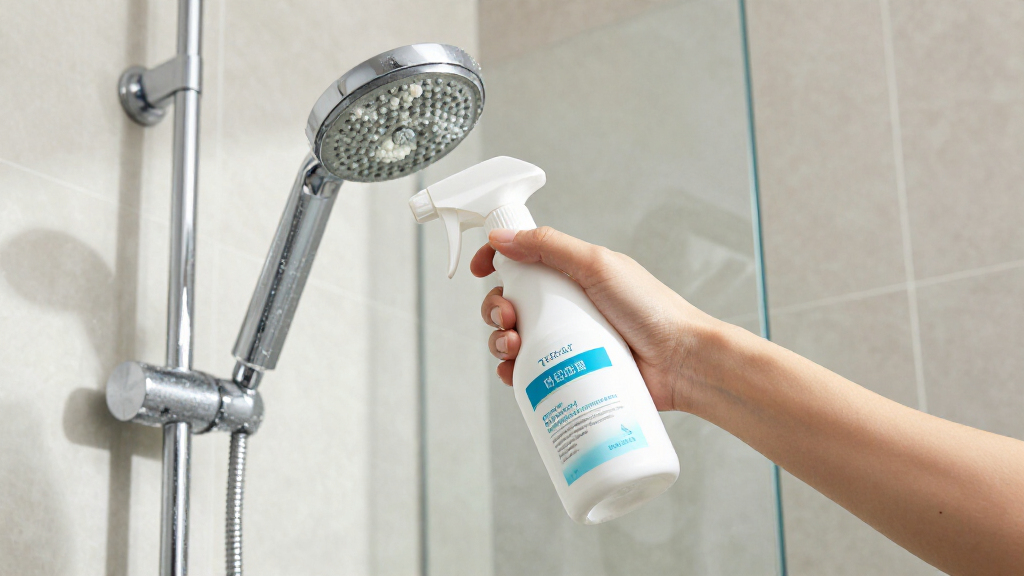
Limescale clogs your showerhead, reducing water flow and spray quality. Soaking it in vinegar dissolves calcium deposits, and regular maintenance keeps buildup at bay. Simple, natural, effective.
Nothing beats a refreshing shower — until the spray turns weak, and the water seems to sputter. That’s often limescale clogging your showerhead, a common problem in areas with hard water. But don’t worry—this stubborn buildup is easy to tackle with simple kitchen supplies. In this guide, you’ll learn how to remove limescale effectively, keep your showerhead flowing freely, and prevent future clogs. Ready to restore that powerful spray?
Let’s get started with practical, eco-friendly methods that don’t require fancy tools or harsh chemicals. Your shower will thank you!
Soaking your showerhead in vinegar for 30 minutes to 4 hours dissolves most calcium deposits, restoring water flow.
Regular cleaning — once a month — prevents severe limescale buildup and keeps your shower working smoothly.
Install a water softener or filter if you live in a hard water area to drastically reduce mineral deposits.
Use a pin or needle to clear blocked nozzles after soaking to restore spray pattern fully.
Heavy buildup might require replacing your showerhead, especially if it’s corroded or damaged.
What is limescale and why does it clog your showerhead?
Limescale is a crusty deposit of calcium carbonate that forms when hard water evaporates. It’s like a chalky film that hardens inside the tiny nozzles of your showerhead, choking off water flow. Imagine trying to breathe through a straw — that’s what clogged nozzles feel like for your shower.
In areas with high mineral content, like parts of the Southwest or midwestern U.S., limescale buildup happens faster. This is because the minerals in your water—primarily calcium and magnesium—are more abundant. When water evaporates during your shower, these minerals settle and harden, creating a stubborn crust that reduces water pressure. Recognizing this is the first step to fixing it, but understanding why it matters helps you appreciate the importance of prevention and regular maintenance. If ignored, limescale can eventually cause corrosion or damage to the internal parts of your showerhead, leading to costly replacements. So, early intervention not only restores your shower’s performance but also prolongs its lifespan and maintains water efficiency, saving you money and reducing waste in the long run.
As an affiliate, we earn on qualifying purchases.
How to remove limescale from your showerhead in 3 simple steps
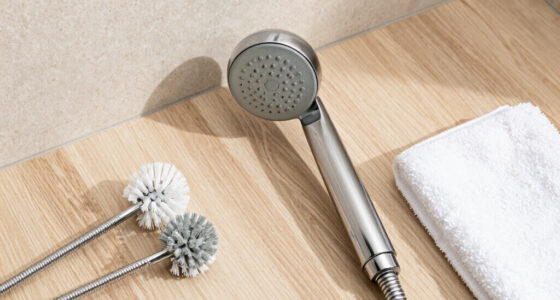
- Remove or prepare your showerhead. If it’s removable, take it off carefully. If not, you can still soak it in a sealed plastic bag filled with vinegar, ensuring the nozzles are submerged. This step is crucial because direct contact with the vinegar allows the mineral deposits to dissolve more effectively, especially in hard-to-reach areas.
- Soak it in vinegar. Submerge the nozzles or entire head in a bowl or bag of white vinegar for at least 30 minutes. For heavy buildup, soaking for up to 4 hours or overnight ensures a deeper dissolution of calcium deposits. Extended soaking is especially helpful if the deposits have hardened over time, making mechanical removal more difficult and time-consuming.
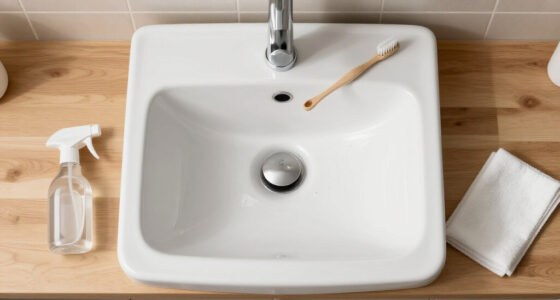
- Scrub and rinse. After soaking, use an old toothbrush or a pin to clear stubborn deposits from the nozzles. Rinsing thoroughly with water removes loosened deposits and vinegar residue. Turning on the shower afterward helps verify if water flow and spray pattern have improved. This step ensures that residual deposits don’t harden again quickly and that your showerhead is ready for regular use.
That’s it. Your showerhead will look cleaner, and water should flow better — like new. Regularly repeating this process prevents severe buildup, maintaining optimal performance and extending the life of your fixture.
As an affiliate, we earn on qualifying purchases.
Vinegar vs. commercial descalers: which works better?
| Feature | Vinegar | Commercial Descalers |
|---|---|---|
| Effectiveness | Very effective for calcium carbonate, especially with long soaking. Its acidity breaks down mineral deposits gradually, making it ideal for regular maintenance and mild to moderate buildup. | Designed specifically for mineral deposits, often containing stronger acids or chemicals that work faster. However, their aggressive nature can sometimes damage delicate surfaces or cause corrosion if not used carefully. |
| Cost | Very affordable, kitchen staple. Its low cost allows frequent use without concern for expense, promoting regular maintenance routines. | More expensive, with specialized formulas. The higher cost may deter frequent use, so they are often reserved for severe or stubborn buildup. |
| Safety | Non-toxic, eco-friendly, and safe for household use. When used properly, it poses minimal health risks and is better for the environment. | Follow manufacturer instructions carefully. Some contain harsh chemicals or acids that can be hazardous if mishandled, requiring gloves or ventilation during use. |
| Ease of use | Simple, just soak and scrub. Its gentle acidity makes it less likely to damage fixtures, and it’s easy to prepare and apply. | Follow specific procedures, which may include multiple rinses or dilutions. Its potency means users must be cautious to avoid damage or unintended chemical reactions. |
For most home users, vinegar offers a balanced combination of safety, cost, and effectiveness. Its gradual action allows for gentle but thorough cleaning, reducing the risk of damage. Commercial products can be faster but often require careful handling and can be more costly over time. Understanding these tradeoffs helps you choose the best solution based on your needs and the severity of your buildup, ensuring your shower stays in top condition without unnecessary expense or risk.
As an affiliate, we earn on qualifying purchases.
Frequently Asked Questions
How often should I clean my showerhead to prevent limescale buildup?
Once a month is ideal, especially if you live in a hard water area. Regular maintenance keeps deposits from turning into stubborn crusts and helps your shower stay powerful and fresh.
Can I use vinegar on all types of showerheads?
Yes, vinegar is safe for most showerheads, including plastic and metal. Just check your manufacturer’s instructions if your showerhead has special coatings or materials, and avoid prolonged soaking if advised.
What’s the best way to clean a heavily clogged showerhead?
Soak it longer in vinegar—up to overnight—use a pin to poke out nozzles, and scrub stubborn deposits with an old toothbrush. If it’s beyond repair, replacing it can be quicker and more effective.
Are there safer or more eco-friendly alternatives to vinegar?
Yes, baking soda paste or lemon juice can help with mild deposits. Commercial descalers are also available but should be used carefully, following safety instructions.
How can I prevent limescale buildup in the future?
Install a water softener, use a shower filter, and keep up with regular cleaning. These habits make limescale less likely to form and keep your shower working like new.
As an affiliate, we earn on qualifying purchases.
Conclusion
Keeping your showerhead free of limescale isn’t rocket science — just a few simple steps and routine care make all the difference. Vinegar remains your best, safest, and cheapest weapon against mineral deposits. A clean showerhead means better water pressure, a more enjoyable shower, and fewer headaches in the long run.
So next time you notice the spray weakening, reach for vinegar, grab an old toothbrush, and give your showerhead a quick refresh. Your mornings will thank you for it—every time.
Fall Picks
fall essentials
As an affiliate, we earn on qualifying purchases.