TL;DR
Listen free for 30 days with Audible
Thousands of audiobooks and originals — cancel anytime.
Start your free trialAs an affiliate, we earn on qualifying purchases.
Low shower pressure usually results from mineral deposits, clogged nozzles, or faulty fixtures. Cleaning or replacing your shower head often restores strong water flow. Broader plumbing issues may require professional help.
Ever step into your shower and feel like you’re getting a gentle drizzle instead of a powerful stream? That sudden drop in pressure can be frustrating—especially when you’re craving a quick, invigorating rinse. The good news? Many times, fixing it is as simple as cleaning a tiny filter or replacing a worn-out fixture.
In this guide, you’ll learn why your shower head might be losing pressure and how to fix it without calling a plumber. We’ll explore practical steps, simple tools, and smart upgrades that can turn a weak spray into a refreshing rush. Let’s get your shower back to its full glory.
Mineral buildup from hard water is the main cause of reduced shower head pressure, often blocking nozzles.
Cleaning your shower head with vinegar can restore water flow in most cases, without any tools or special skills.
Replacing an old or damaged shower head with a modern, pressure-optimized model can dramatically improve your shower experience.
Regular maintenance, like cleaning and installing filters, prevents future pressure drops and prolongs fixture life.
If your home’s overall water pressure is low, fixing the shower head alone won’t help—check your pipes and regulator.
What’s really causing your shower to trickle?
When your shower pressure drops, it’s often because water can’t flow freely. The most common culprit: mineral deposits. Hard water leaves behind calcified layers that clog tiny nozzles, choking the flow. Think of it like a garden hose with tiny pinholes gradually getting blocked—over time, water struggles to pass through, reducing the spray and force.
Other causes include an old or damaged shower head, or a problem with your home’s water pressure overall. For example, if your neighbor’s shower is equally weak, the issue might be with your main water supply or pressure regulator. Pinpointing whether the problem is localized or systemic is key; if only your shower is affected, the cause is likely within the fixture or local piping. If the entire house experiences low pressure, the implications could involve your municipal water system or internal plumbing, which might require more extensive fixes.
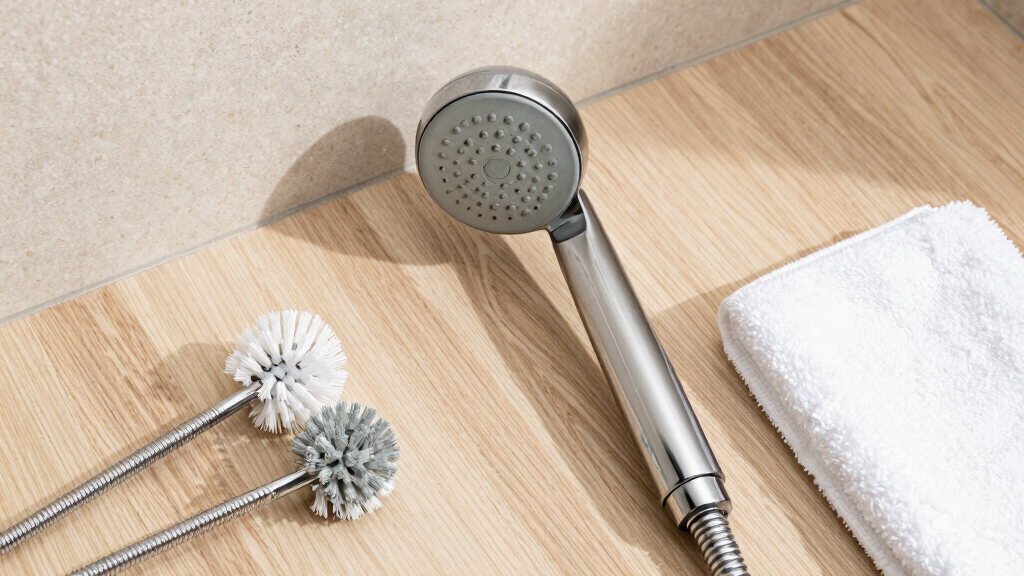
shower head with adjustable pressure
As an affiliate, we earn on qualifying purchases.
As an affiliate, we earn on qualifying purchases.
Quick fixes to boost your shower’s strength
Most low-pressure issues are easy to fix with a bit of DIY troubleshooting. Here are the top solutions, along with insights into why they matter:
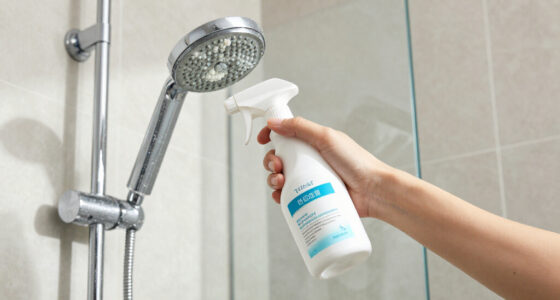
- Clean the shower head: Soaking it in vinegar dissolves mineral deposits that act like tiny dams blocking water flow. For example, if your shower head is clogged with calcium, vinegar breaks down these deposits, restoring the nozzles’ ability to spray freely. Using an old toothbrush to scrub away stubborn buildup ensures you remove both surface and internal blockages, which can significantly improve pressure. Rinsing thoroughly prevents vinegar residue from affecting your water quality.
- Replace the shower head: If cleaning doesn’t work, consider upgrading. Modern models with anti-clog nozzles or pressure-boosting features are designed to maintain a strong spray even in hard water conditions. For instance, a pressure-boosting head might use internal air-injection technology, which mixes air with water, creating a fuller spray without increasing water use. This is especially useful if mineral buildup is frequent or if your current fixture is worn out.
- Check for pipe leaks or blockages: Leaks or blockages in pipes cause pressure drops because water escapes or is obstructed before reaching the shower. For example, if you notice water stains on walls or listen for hissing sounds, it indicates internal leaks. Fixing leaks promptly prevents pressure loss and avoids further damage. Similarly, blockages caused by debris or corrosion can be cleared by flushing or professional pipe cleaning, ensuring consistent flow.
- Inspect the pressure regulator: A faulty regulator acts like a dimmer switch stuck at a low setting, capping pressure. Adjusting or replacing it can restore proper flow. For example, if you notice that all fixtures in your home have weak pressure, the regulator might be set too low or malfunctioning. Ensuring it’s properly calibrated is crucial for maintaining steady pressure, especially if you live in an area with fluctuating municipal supply.
- Ensure main water pressure is high enough: If overall pressure feels weak throughout your home, contact your water supplier or use a pressure gauge to check. For example, if your readings are below 40 psi, it could be causing the weak shower flow. Understanding these broader pressure issues helps you decide whether a fixture upgrade or a plumbing consultation is necessary.
Applying these steps can often turn a weak trickle into a satisfying spray, making your daily shower more enjoyable and efficient.
As an affiliate, we earn on qualifying purchases.
New tech making showers stronger and smarter
Modern shower heads aren’t just about flow—they’re about control. Advances include aerator technology, which mixes air with water to create a fuller spray with less water. Pressure-compensating nozzles keep flow steady even if your home’s pressure fluctuates.
Eco-friendly low-flow models now deliver similar pressure to traditional heads, thanks to clever internal designs. For example, some heads use internal chambers that optimize water distribution, maintaining a strong spray without wasting water. Smart systems go further—monitoring flow and automatically adjusting to maintain optimal pressure, much like cruise control on a car ensures a smooth ride regardless of road conditions. These innovations mean you can enjoy a powerful shower while conserving resources, making them a smart investment for both comfort and sustainability.
While these innovations can cost a bit more upfront, they often last longer and save water, making them a smart choice for long-term comfort and conservation. Choosing the right technology can mean the difference between a weak, disappointing spray and a luxurious, consistent flow every time.
As an affiliate, we earn on qualifying purchases.
Prevent future pressure issues with simple habits
Keeping your shower pressure steady starts with regular maintenance. Here are quick tips, along with explanations of why they matter:
- Clean your shower head every 3-6 months to prevent buildup. For example, neglecting this can lead to mineral deposits that gradually choke nozzles, reducing flow. Regular cleaning prevents this buildup, maintaining optimal spray strength.
- Install a water softener if you have hard water—mineral deposits are the main clog culprits. For instance, a family with hard water in a rural area might notice frequent clogging; a softener can drastically reduce mineral buildup, extending fixture lifespan.
- Use filters on your shower hose to catch debris before it clogs nozzles. This proactive step prevents small particles from lodging in the nozzles, which can cause uneven spray or pressure drops.
- Check your home’s main water pressure periodically with a gauge—aim for at least 40 psi. If your pressure is consistently below this, it indicates a systemic issue that needs addressing, such as a faulty pressure regulator or municipal supply problem.
- Upgrade to a high-quality shower head with built-in anti-clog features. These fixtures are designed to resist mineral buildup, keeping your spray consistent over time.
Implementing these habits creates a proactive approach—like regular tune-ups for your plumbing system—saving you from surprise pressure drops and extending the life of your fixtures.
As an affiliate, we earn on qualifying purchases.
Compare: Old vs. new shower heads — what really makes a difference?
| Feature | Traditional Shower Head | Modern Low-Flow / Pressure-Boosting Head |
|---|---|---|
| Flow Rate | 2.5 GPM (gallons per minute) | 1.5–2.0 GPM, with similar or better spray |
| Clog Resistance | Prone to mineral buildup | Anti-clog nozzles, self-cleaning features |
| Water Conservation | Less focus | Designed to save up to 50% water while maintaining pressure |
| Cost | Usually cheaper | More expensive upfront, but longer-lasting |
Switching to a modern head not only conserves water but often improves overall spray quality, especially if your old one is clogged or worn out. It’s like upgrading from a leaky garden hose to a high-performance nozzle—your shower becomes more efficient and enjoyable, with less waste and better coverage.
Frequently Asked Questions
Why does my shower head suddenly lose pressure?
This often happens because mineral deposits clog the nozzles or the fixture wears out over time. Hard water accelerates clogging, reducing flow and pressure. Cleaning or replacing the shower head usually solves this issue.
How can I increase shower pressure without calling a professional?
Start with a vinegar soak to clear mineral buildup. Check for leaks or blockages in the pipe. Consider upgrading to a pressure-boosting shower head. If your home’s water pressure is low overall, you might need to adjust the regulator or contact your water provider.
Are low-flow shower heads worth it? Do they reduce pressure too much?
Low-flow shower heads are designed to conserve water without sacrificing spray quality. Many modern models use air-injection technology to maintain pressure while using less water—often up to 50% less than traditional heads. They are particularly beneficial in areas with water restrictions or high water costs, providing a good balance between efficiency and comfort.
What’s the best way to clean a clogged shower head?
Remove the shower head and soak it in vinegar for at least 30 minutes. Then scrub the nozzles with an old toothbrush. Rinse thoroughly, reattach, and enjoy improved water flow. This method dissolves mineral deposits that cause clogging, restoring spray strength and consistency.
When should I call a plumber or replace my shower head?
If cleaning doesn’t restore pressure, or if you notice leaks or damage, it’s time to replace the fixture. For persistent low water pressure throughout your home, consult a professional to inspect your pipes and pressure regulator. Addressing underlying systemic issues ensures long-term performance and prevents recurring problems.
Conclusion
Most low-pressure showers are fixable with a few simple steps. A quick vinegar soak or a new shower head can turn your dribble back into a jet. Think of it like tuning a guitar—tiny adjustments make a huge difference.
Remember, persistent low pressure might signal broader plumbing issues. Keep an eye on your water system, and don’t hesitate to call in a pro if needed. Your perfect shower awaits—just a few tweaks away.
College move-in / dorm season Picks
dorm essentials
As an affiliate, we earn on qualifying purchases.