
TL;DR

Get cleaning gear delivered free — and shop member deals
- Fast, free delivery on millions of items
- Access to Prime Big Deal Days deals on October 6–7
- Prime Video, Amazon Music and more included
Pink mold, caused by bacteria like Serratia marcescens, appears as pink stains in moist bathrooms. Regular cleaning with disinfectants, fixing leaks, and controlling humidity are your best defenses. New eco-friendly options and tech trends can help keep it away permanently.
Consistently disinfect pink stains with bleach or peroxide for best results.
Control bathroom moisture by fixing leaks and using exhaust fans daily.
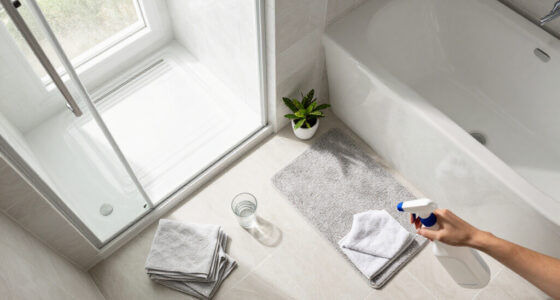
Dry surfaces thoroughly after showers to prevent pink bacteria from settling in.
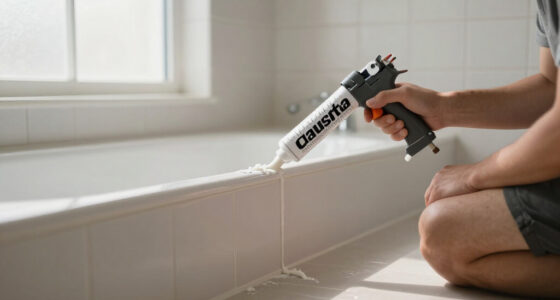
Use anti-microbial sealants on grout to make cleaning easier.
Stay updated on new tech like UV-C devices and smart ventilation systems to keep bacteria at bay.
What Exactly Is Pink Bacteria and Why Does It Pop Up?
Pink bacteria, mainly Serratia marcescens, is a common bacteria that gives a pink or reddish hue to bathroom surfaces. It often appears on grout lines, shower curtains, or around sinks, especially in hidden crevices. This bacteria loves moist, warm environments and feeds on soap scum and organic residue.
Understanding why it appears in these specific spots is crucial. These areas tend to trap moisture and organic matter, creating a perfect breeding ground. Ignoring these spots allows bacteria to establish colonies, which can lead to persistent staining and potential health risks. Recognizing its preferred environment helps in targeting cleaning efforts and preventing its return. Moreover, since it feeds on organic residues, neglecting regular cleaning can inadvertently supply it with the nutrients needed to thrive, making eradication more challenging over time.
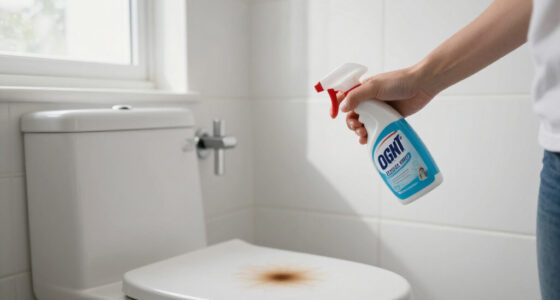
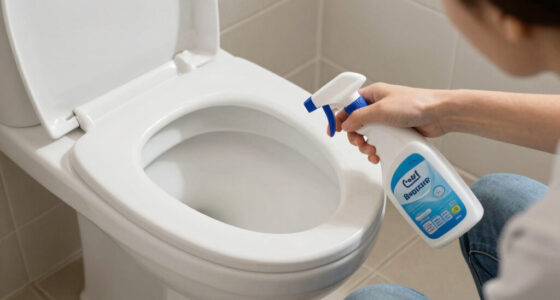
bathroom disinfectant spray for pink bacteria
As an affiliate, we earn on qualifying purchases.
As an affiliate, we earn on qualifying purchases.
How to Spot Pink Bacteria Before It Gets Out of Control
If you see small pink or reddish stains in your shower grout, sink, or behind toilet bases, you’ve likely found pink bacteria. Unlike mold, it usually doesn’t have a fuzzy or black appearance. It’s more like a stain that sticks around, especially if you notice it reappearing after cleaning.
Early detection is key because pink bacteria can be stubborn once established. Regularly inspecting moist areas — grout, caulking, and under fixtures — helps catch signs of bacterial growth before they become widespread. If you notice pink patches that persist despite cleaning, it indicates that bacteria are actively colonizing those surfaces. This early warning allows you to act swiftly, preventing the bacteria from spreading further and becoming more difficult to eliminate. Ignoring early signs can lead to more extensive staining, increased cleaning efforts, and potential health concerns, especially if the bacteria are inhaled or come into contact with open wounds.
UV-C sterilizer for bathroom surfaces
As an affiliate, we earn on qualifying purchases.
As an affiliate, we earn on qualifying purchases.
The Best Ways to Permanently Kill Pink Bacteria in Your Bathroom
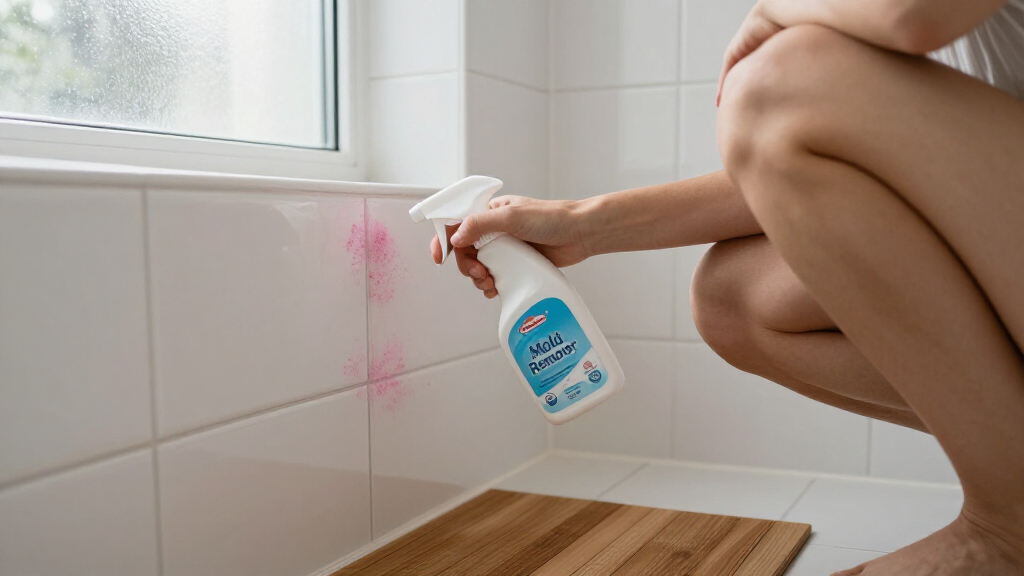
Pink bacteria respond well to disinfectants that break down their cell walls. Bleach is the strongest and most reliable option, but hydrogen peroxide and commercial bacteria cleaners work too. Here’s a step-by-step guide:
- Put on gloves and open windows for ventilation.
- Spray the affected areas generously with your chosen disinfectant. For bleach, dilute it to 1 part bleach to 10 parts water.
- Let it sit for 5–10 minutes. This contact time is critical because it allows the disinfectant to penetrate biofilms and reach bacteria hiding in porous surfaces like grout or caulk.
- Scrub thoroughly with a stiff brush or toothbrush.
- Rinse with clean water and dry with a cloth or squeegee.
- Repeat weekly or when pink stains reappear.
Consistency in cleaning is crucial because pink bacteria can quickly rebound if surfaces are neglected. Regular application of disinfectants not only removes existing colonies but also discourages new growth by disrupting the bacteria’s environment. The tradeoff is that frequent use of strong chemicals like bleach can degrade grout and surfaces over time, so balancing cleaning frequency with surface care is essential.
moisture control exhaust fan for bathroom
As an affiliate, we earn on qualifying purchases.
As an affiliate, we earn on qualifying purchases.
How to Keep Pink Bacteria From Coming Back — Fast & Easy
Prevention is simpler than repeated scrubbing. Here are practical tips to keep pink bacteria at bay:
- Use a squeegee or towel to dry shower walls and doors after each use. Removing moisture limits bacteria’s ability to thrive.
- Fix leaks and dripping faucets promptly to eliminate excess moisture, which is vital because pink bacteria need a moist environment to survive and multiply.
- Improve ventilation with exhaust fans or open windows during and after showers. Proper airflow reduces humidity, discouraging bacterial growth.
- Apply a mold-resistant sealant to grout lines and tile surfaces. While this creates a less porous barrier, it’s not foolproof; regular cleaning remains necessary to prevent bacterial colonization.
- Maintain humidity below 50% with a dehumidifier if needed. Lower humidity levels make the environment less hospitable for pink bacteria, but over-drying can cause other issues like cracking or surface damage, so balance is key.
Imagine stepping out of your shower into a dry, well-ventilated room — that’s your best defense against pink bacteria. These measures collectively create an environment that bacteria find difficult to colonize, reducing the frequency and intensity of cleaning required over time.
As an affiliate, we earn on qualifying purchases.
What New Tech and Trends Are Helping Keep Bathrooms Pink Mold-Free?
Innovation is making it easier to stay ahead of pink bacteria. Some exciting trends include:
| Technology / Trend | What It Does |
|---|---|
| UV-C Sterilization Devices | Use ultraviolet light to kill bacteria on surfaces without chemicals, perfect for quick touch-ups or permanent fixtures. They can significantly reduce bacterial load, but proper usage and placement are essential for effectiveness. |
| Anti-microbial Coatings | Special paints or sealants that resist bacterial growth, reducing the need for frequent cleaning. While helpful, these coatings are not permanent solutions and require periodic reapplication to maintain their efficacy. |
| Smart Ventilation Systems | Humidity sensors linked to fans that turn on automatically, keeping moisture levels low. This technology actively manages moisture, a critical factor in bacterial proliferation, thus preventing conditions conducive to pink bacteria growth. |
While these are not magic fixes, combining them with regular cleaning and maintenance creates a comprehensive approach to keeping pink bacteria at bay and your bathroom healthier and safer.
Key Facts You Should Know About Pink Bacteria
Pink bacteria, like Serratia marcescens, can cause respiratory issues or infections if left unchecked. It can grow in as little as 24 hours in moist environments, meaning that neglecting even short periods of poor ventilation or infrequent cleaning can lead to rapid colonization. Regular cleaning with disinfectants is your best weapon, as it physically removes bacteria and disrupts the biofilms that protect them. Interestingly, it’s often mistaken for mold because of its color, but true mold appears green, black, or white. Knowing the difference helps in choosing the right cleaning methods and understanding the health risks involved. Controlling moisture and maintaining a cleaning routine are essential to prevent it from establishing a persistent presence, which can be difficult to eradicate once well-formed colonies develop, especially in porous surfaces like grout or caulk.
According to experts, consistent moisture management, combined with regular cleaning, is the most effective strategy. This approach minimizes the bacteria’s ability to thrive and reduces the risk of health issues related to bacterial exposure, especially for vulnerable populations.
Your Most Common Questions About Pink Bacteria — Answered
Q1: Is pink bacteria dangerous? It can cause minor infections or respiratory irritation, especially in vulnerable groups like children or immunocompromised individuals. While generally not severe, persistent exposure can lead to more significant health issues, making it important to eliminate it quickly.
Q2: Will bleach get rid of it permanently? Yes, when used properly. However, because pink bacteria can form biofilms that protect colonies, complete eradication requires thorough application and ongoing maintenance, including moisture control, to prevent re-establishment.
Q3: Can I use natural remedies instead of bleach? Vinegar, baking soda, or tea tree oil can help, but they are less reliable on stubborn stains or heavy buildup. They may be useful for maintenance or light cleaning but are less effective for deep bacterial colonies.
Q4: How often should I clean my bathroom? Weekly cleaning and moisture management are recommended to keep pink bacteria from thriving. Increased frequency may be necessary in humid environments or if pink stains are persistent.
Q5: Does sealing grout stop pink bacteria? It helps reduce porosity, but regular cleaning and moisture control are still necessary because bacteria can colonize even sealed surfaces if organic residues or moisture remain present.
Conclusion
Pink bacteria in bathrooms isn’t a battle you have to lose. With regular cleaning, moisture control, and smart upgrades, you can keep your space hygienic and pink-free. Think of it as a simple routine—less pink, more peace of mind.Remember, a dry, clean, well-ventilated bathroom isn’t just prettier — it’s healthier too. Now, grab your disinfectant and squeegee. Your bathroom’s pink days are numbered.
Fall Picks
fall essentials
As an affiliate, we earn on qualifying purchases.