TL;DR

Get cleaning gear delivered free — and shop member deals
- Fast, free delivery on millions of items
- Access to Prime Big Deal Days deals on October 6–7
- Prime Video, Amazon Music and more included
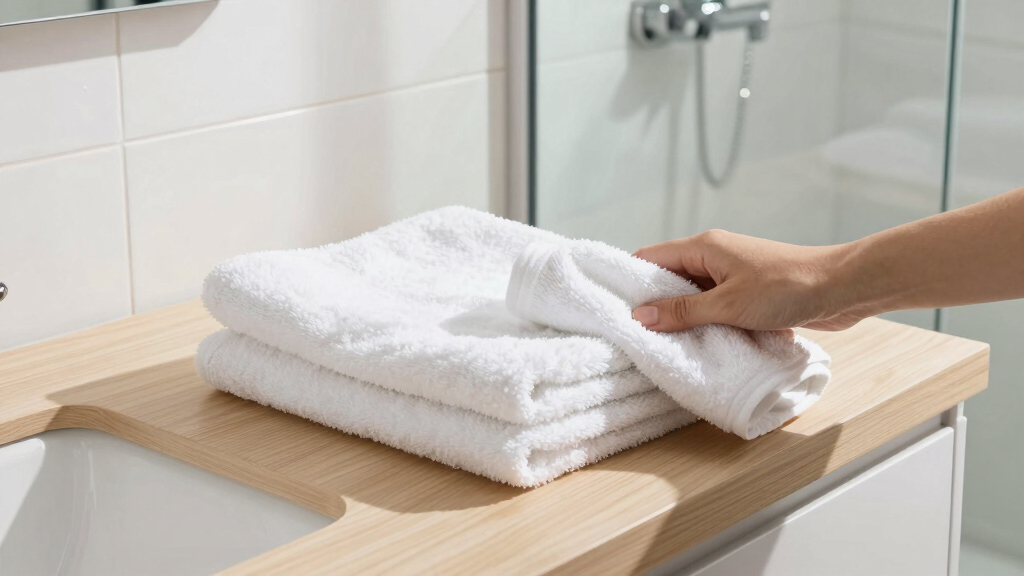
Most experts recommend replacing bath towels every 1 to 2 years. Pay attention to odors, fraying, and mold. Proper washing and drying can prolong their life, but signs of wear mean it’s time for a new towel.
Imagine grabbing a towel that feels rougher than a scrub brush or smells like a damp basement. That’s your cue — your towel has had its day. Many people overlook how often they should replace this everyday essential, risking hygiene and comfort.
In this guide, you’ll learn exactly when to toss your old towels, how to spot the signs of wear, and tips to make them last longer. Because a fresh towel isn’t just about feeling good — it’s about staying healthy, too.
Replace your bath towels every 1 to 2 years, or sooner if they show signs of wear.
Look for persistent odors, fraying, or mold as clear signs it’s time for a new towel.
Proper washing in hot water, thorough drying, and avoiding overuse can extend towel life.
High-quality cotton towels last longer than synthetic blends, but all towels require care.
New antimicrobial and quick-drying fabrics help towels stay fresh longer and resist bacteria.
How Often Should You Replace Your Bath Towels? The Simple Answer
The general rule? Swap out your towels every 1 to 2 years. This timeframe balances hygiene, durability, and cost. But it’s not a set-in-stone rule — your habits and towel quality greatly influence this.
If you’re someone who showers twice a day or shares towels with family, you might want to replace them closer to the one-year mark. Conversely, high-quality, thick cotton towels that dry quickly and are well cared for can sometimes last a bit longer.
Understanding this timeframe is crucial because towels are a breeding ground for bacteria and fungi. The longer a towel is used, the more likely it is to accumulate microbes, which can lead to skin irritations or infections. Choosing the right replacement interval involves balancing hygiene with practicality, considering factors like towel material, frequency of use, and storage conditions.
As an affiliate, we earn on qualifying purchases.
Signs Your Towel Is Done for and Needs Replacing
Knowing when to replace your towel is just as important as knowing how often. Look for persistent odors even after washing — that funky smell that refuses to leave. This indicates bacteria or mold have taken hold beyond what regular washing can eliminate. If your towel feels thinner, rougher, or shows frayed edges, it’s losing its structural integrity and its ability to absorb effectively, which compromises hygiene and comfort.
Visible mold, mildew stains, or a musty smell that lingers are clear signs it’s time to say goodbye. Even if it looks fine, if it doesn’t smell fresh or feels less soft, it’s probably worn out. Continuing to use a towel with these signs can lead to skin infections or exacerbate existing skin conditions. For example, a towel that develops a damp, sour smell after drying is often harboring bacteria and fungi resistant to regular washing, making replacement the safest choice.
Ignoring these signs can result in health risks, especially for sensitive skin or immune-compromised individuals. Regularly inspecting your towels and replacing them when these indicators appear is a proactive approach to maintaining personal hygiene and overall health.
antimicrobial quick-drying bath towels
As an affiliate, we earn on qualifying purchases.
As an affiliate, we earn on qualifying purchases.
Why Your Hygiene Depends on Replacing Towels Regularly
Bath towels are bacteria magnets. They trap skin cells, oils, and moisture, creating an environment ideal for microbial growth. Over time, this environment fosters bacteria like *Staphylococcus aureus* and fungi, which can multiply rapidly if towels stay damp or aren’t washed properly. This microbial proliferation isn’t just about cleanliness — it directly impacts your health.
Using a worn or contaminated towel can irritate your skin, cause rashes, or even lead to infections such as folliculitis. The risk increases if you share towels or don’t dry them thoroughly between uses. Imagine wiping your face with a towel that’s been sitting in a humid bathroom for over a year — it’s like rubbing dirt and bacteria directly onto your skin, increasing the chance of breakouts or infections.
Proper replacement acts as a crucial step in breaking the cycle of microbial buildup. It prevents the transfer of bacteria back onto your skin, especially after illnesses or skin irritations, ensuring your hygiene routine supports overall health rather than undermines it. Regularly replacing towels is a simple but effective way to reduce the risk of skin infections and maintain a hygienic environment in your bathroom.
As an affiliate, we earn on qualifying purchases.
Frequently Asked Questions
How do I know if my towel needs to be replaced?
If your towel smells damp or sour even after washing, feels thinner or rougher, or shows visible mold or fraying, it’s time for a new one. These signs indicate it’s lost its ability to absorb and can harbor bacteria.
Can I extend the life of my towels?
Yes. Wash towels weekly in hot water, dry thoroughly, and avoid fabric softeners. Using faster-drying towels and storing them in a dry place also helps them last longer.
Are some materials better than others for longevity?
Pure cotton towels, especially high-quality ones, tend to last longer than synthetic or blended fabrics. Microfiber and antimicrobial towels also offer durability and hygiene benefits when cared for properly.
Is it safe to keep using a towel with signs of mold or odors?
No. Using a moldy or smelly towel can irritate your skin or cause infections. Replace towels showing these signs promptly for your health and peace of mind.
What’s the best way to wash and care for towels?
Wash in hot water weekly, avoid fabric softeners, and dry completely. This routine kills bacteria and maintains absorbency, helping your towels stay fresh longer.
As an affiliate, we earn on qualifying purchases.
Conclusion
Your towel is more than just a soft cloth — it’s a frontline barrier against germs and mold. Replacing it every 1-2 years, or sooner if needed, keeps your skin healthy and your bathroom hygienic.
Think of your towel as a small but mighty shield. Keep it clean, dry, and fresh. Your skin will thank you — and your bathroom will stay healthier, too.
Halloween Picks
halloween
As an affiliate, we earn on qualifying purchases.