TL;DR

Get cleaning gear delivered free with Prime
- Fast, free delivery on millions of items
- Prime Video, Amazon Music and more included
- Member-only deals all year
Quickly acting on stains with the right techniques makes spot cleaning effective. Use gentle, targeted solutions and avoid over-wetting to protect your carpet’s fibers and color.
Imagine spilling red wine on your light-colored carpet. Your heart sinks. But here’s the truth: the moment you catch a stain, you hold the power to save your carpet. Spot cleaning isn’t about fancy chemicals—it’s about fast, smart moves that prevent stains from settling in for good.
In this guide, you’ll learn how to identify different stains, use the right solutions, and avoid common pitfalls. Whether it’s pet messes, coffee spills, or everyday dirt, you’ll get practical tips to keep your carpets looking fresh and vibrant for years.
Act immediately after a spill to maximize stain removal chances.
Identify the stain type before choosing a cleaning method for best results.
Always test cleaning solutions on a hidden patch to prevent damage.
Blot gently, work from outside in, and avoid over-wetting the carpet.
Know your limits—call a professional for stubborn or large stains.
Identify the Stain Type to Pick the Right Cleaning Trick
The first step in spot cleaning is knowing what you’re dealing with. Oil-based stains like grease need a different approach than protein-based ones like blood or pet urine. Dyes from drinks or food can be tricky, too.
For example, a fresh coffee spill is dark and watery. An oil stain from cooking grease feels greasy to the touch. Recognizing these clues helps you choose the best solution—whether it’s a simple soap solution or a specialized stain remover.
Take a moment to examine the stain: color, texture, and smell give you clues. Recognizing the stain type is crucial because each requires a different treatment approach. Using the wrong method can set the stain further or damage the fibers. For example, using an oily solvent on a protein stain might spread the stain or cause fibers to weaken, while inappropriate use of bleach can discolor or degrade the carpet material. Proper identification ensures you select the most effective and safest cleaning method, saving time and preserving your carpet’s integrity.
As an affiliate, we earn on qualifying purchases.
Act Fast: How Immediate Response Saves Your Carpet
The window for easy stain removal closes fast. The moment a spill occurs, you should act within seconds or minutes. Waiting allows the stain to seep deeper into fibers, making removal harder.
For example, when your toddler spills fruit juice, grabbing a clean cloth and blotting immediately can remove up to 80% of the stain. The longer it sits, the more it soaks into the backing and padding, complicating cleanup.
This rapid response prevents the stain from setting permanently, which can lead to discoloration or even fiber damage if left untreated. Acting quickly not only makes stain removal easier but also helps maintain the carpet’s appearance and durability over time. Delays can cause stains to bond more firmly with fibers, requiring harsher chemicals or professional intervention later. Immediate action is a simple yet powerful step in extending your carpet’s lifespan and keeping it looking its best.
eco-friendly carpet cleaning solutions
As an affiliate, we earn on qualifying purchases.
As an affiliate, we earn on qualifying purchases.
Choose the Best Cleaning Products for Different Stains
Not all cleaning solutions are created equal. Mild dish soap, white vinegar, or baking soda work wonders on many common stains, while specific commercial products target pet accidents or wine spills.
For instance, a mixture of one part white vinegar to two parts water can neutralize many organic stains because vinegar’s acidity breaks down proteins and organic matter, reducing staining and odor. A dab of dish soap diluted in warm water can lift dirt and grime without harming fibers, but the choice of soap matters—harsh detergents can weaken fibers or cause color loss. Commercial stain removers are formulated to target specific stains but often contain chemicals that could damage delicate fibers or cause discoloration if used improperly. Therefore, understanding the chemical nature of your stain helps you select the most effective solution—using vinegar for organic stains, soap for general dirt, and specialized products for stubborn or particular stains—while minimizing the risk of unintended damage.
Always read labels and avoid harsh chemicals like bleach, which can discolor or weaken fibers. Remember: test any solution on a hidden spot first to prevent accidental damage or color bleeding.
professional carpet stain removal kit
As an affiliate, we earn on qualifying purchases.
As an affiliate, we earn on qualifying purchases.
Test Solutions First to Avoid Carpet Disasters
Before applying any cleaner, always do a patch test. Spray or dab a small area away from sight—like under a piece of furniture or behind a door. Wait a few minutes to check for discoloration or damage.
This step is crucial because carpets are sensitive to certain chemicals and cleaning methods. A solution that seems harmless might cause discoloration, fiber damage, or color bleeding, especially on delicate or dyed fibers. Conducting a patch test helps you identify potential reactions before risking the entire stain area. This simple precaution saves you from costly mistakes and preserves your carpet’s appearance, ensuring your cleaning efforts don’t backfire. Skipping this step can lead to irreversible damage, such as color fading or fiber deterioration, which may necessitate costly repairs or replacement. Taking the time to test ensures your chosen method is safe, and it empowers you to clean confidently without fear of ruining your carpet’s appearance or structure.
pet stain and odor remover for carpets
As an affiliate, we earn on qualifying purchases.
As an affiliate, we earn on qualifying purchases.
Blot, Don’t Rub: Gentle Is Better Than Aggressive
Blotting is your best friend when cleaning stains. Use a clean, white cloth or paper towel. Press gently—not scrub—on the stain to lift it out. Rubbing can push the stain deeper or fray the fibers.
For example, when cleaning red wine, blotting absorbs more liquid without spreading the stain. Rubbing might cause the color to set or damage the threads. Rubbing also risks breaking delicate fibers or spreading the stain to unaffected areas, making the problem worse. Gentle blotting allows the fibers to release the stain naturally, reducing the chance of permanent damage. Patience and gentle pressure are key to a successful spot clean, especially on delicate or densely woven carpets. This approach minimizes fiber fraying and preserves the carpet’s texture and color, ensuring a cleaner result with less risk of long-term damage.
Work from Outside In to Prevent Spreading
Always start cleaning at the edges of a stain and work inward. This prevents the stain from spreading or getting larger. Imagine drawing a circle around a spill and cleaning towards the center.
For instance, if you spill ketchup, wipe from the outer edges inward, avoiding pushing the stain outward. This method helps contain the stain, making it easier to remove completely without smudging or spreading it to unaffected areas. Working from outside in reduces the risk of enlarging the stain and ensures you remove as much of the spill as possible in a controlled manner. It also prevents the stain from migrating further into the carpet fibers, which could make removal more difficult and increase the likelihood of permanent discoloration. This technique is simple but effective, giving you better control and a higher chance of successful stain removal without additional damage.
Avoid Over-Wetting: Keep It Light and Dry
Too much water can cause more harm than good. Excess moisture can lead to mold, mildew, or damage to the backing of the carpet. Use just enough liquid to lift the stain—usually a damp cloth or spray.
For example, a light mist of vinegar solution is enough to treat a coffee stain without saturating the fibers. Over-wetting can cause the backing to loosen or promote mold growth underneath the carpet, which can be costly to repair. Additionally, excess moisture may cause dyes to bleed or fibers to swell, weakening the carpet’s structure. Using minimal liquid minimizes these risks and allows for quicker drying, which reduces the chance of odor or bacterial growth. Applying just enough solution ensures the stain is lifted without leaving behind residual moisture that could cause long-term damage, preserving the carpet’s appearance and longevity.
Dry the Spot Thoroughly for Long-Term Success
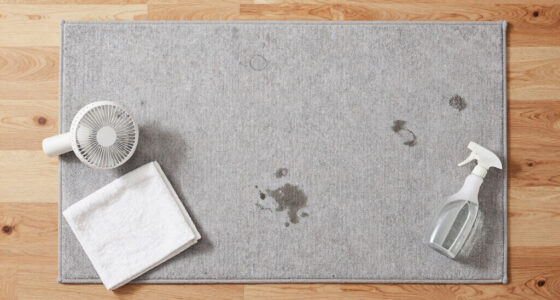
Drying is often overlooked but vital. Use clean towels to press out excess moisture or set up a fan to speed up drying. The goal is to prevent residue buildup and mold growth.
For instance, after cleaning a pet accident, a quick dry with a hairdryer on low heat can prevent lingering odors or bacterial growth. Ensuring the spot dries thoroughly reduces the chance of mold, mildew, or musty odors developing later. Proper drying also prevents residual moisture from weakening fibers or causing dye bleeding. Using fans or absorbent towels helps remove moisture efficiently, especially in humid environments. This step is key to maintaining a healthy, fresh-looking carpet and avoiding future issues such as mold or bacterial growth, which can be costly and difficult to remediate if left unchecked.
Frequently Asked Questions
What is the fastest way to remove red wine from carpet?
Blot the spill immediately with a clean cloth or paper towel. Mix equal parts white vinegar and water, then gently dab the stain. Repeat until the stain lifts, then blot dry. Quick action is key to preventing permanent discoloration.
Can I use baking soda and vinegar together for stain removal?
It’s better to use them separately. Baking soda absorbs odors and light stains, while vinegar neutralizes organic stains. Applying them sequentially—baking soda first, then vinegar—can be effective, but avoid mixing the two directly to prevent chemical reactions.
How do I clean a pet urine stain without damaging my carpet?
Blot up as much urine as possible first. Use a solution of equal parts white vinegar and water to neutralize odors. Follow with a sprinkle of baking soda, wait 10 minutes, then vacuum thoroughly. Always test first and avoid over-wetting.
How soon should I respond after a spill?
The sooner, the better. Within seconds or minutes, blot and treat to prevent the stain from setting. Delaying can lead to deeper fibers and permanent discoloration, making the stain much harder to remove later.
Are eco-friendly cleaning products effective for spot cleaning?
Yes. Natural solutions like vinegar, baking soda, and plant-based detergents are safe and effective for many common stains. They’re gentle on fibers and better for your home environment, especially if you have pets or children.
Conclusion
Spot cleaning is less about fancy chemicals and more about quick, gentle action. By recognizing stains, acting fast, and choosing the right approach, you protect your carpet and extend its life.
Next time a spill happens, picture your carpet as a canvas—you have the brush and the right colors to restore its beauty.
Columbus Day / Indigenous Peoples' Day Picks
long weekend sales
As an affiliate, we earn on qualifying purchases.