TL;DR

Get cleaning gear delivered free with Prime
- Fast, free delivery on millions of items
- Prime Video, Amazon Music and more included
- Member-only deals all year
Act fast when cleaning pet vomit. Use enzymatic cleaners and natural deodorizers like baking soda for best results. Deep cleaning or professional help may be needed for stubborn stains or odors.
Act immediately after pet vomits to prevent stains and odors from setting in.
Use enzymatic cleaners for the best chance at breaking down organic residues and eliminating smells.
Baking soda is a simple, natural odor absorber that works after stain removal.
Persistent or deep stains may require professional cleaning for full removal.
Prevention strategies, like designated pet areas and regular maintenance, save you trouble long-term.
How to Remove Pet Vomit Stains and Smell From Carpet
Act fast, lift rather than rub, break down the organic residue, then neutralize what remains. This practical sequence tackles both the visible stain and the odor at its source—without reaching for harsh chemicals.
Early treatment helps prevent discoloration, embedded odor, and microbial growth.
They break down the proteins and fats that ordinary cleaners may leave behind.
Rubbing spreads contamination and drives residue farther into the carpet pile.
Remove solids and absorb moisture immediately.
Allow the treatment time to loosen residue.
Let baking soda absorb residual moisture and odor.
Industry reports cited for enzymatic effectiveness on organic stains.
Seven steps from mess to fresh
Work from the outside edge toward the center. Use clean sections of cloth as you blot so residue is lifted away instead of redistributed.
Lift solids
Wear gloves and carefully remove material without pressing it down.
Blot moisture
Press gently with paper towels or a clean, colorfast cloth.
Apply cleaner
Use a pet-safe enzyme product or mild dish-soap solution.
Wait
Let the product dwell as directed—typically 5–10 minutes.
Blot again
Lift dissolved residue with a fresh cloth. Do not scrub.
Rinse lightly
Dab with plain warm water, then blot until nearly dry.
Deodorize
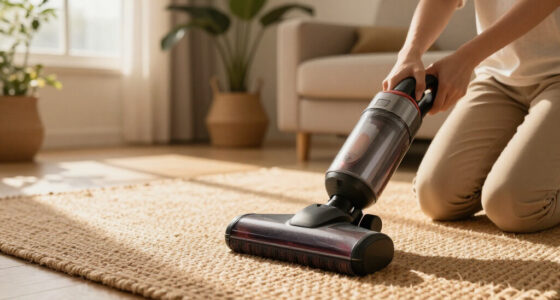
Add baking soda, wait at least 15 minutes, then vacuum.
Test every cleaner on a hidden carpet area first. Avoid soaking the backing or underlay; excess moisture can trap odor and encourage mold.
Match each tool to the job
Stain removal and odor control are separate tasks. First remove the organic source; then use an absorber to handle lingering odor and moisture.
Enzymatic cleaner
Best for: proteins, fats, bacteria, embedded organic residue, and recurring odor. Follow the label’s dwell-time and pet-safety instructions.
Baking soda
Best for: absorbing residual moisture and neutralizing odor after the stain has been cleaned. It does not remove the stain by itself.
Mild dish soap
Best for: a fresh, light mark when enzyme cleaner is unavailable. Use only a few drops in warm water and rinse carefully.
Activated charcoal
Best for: adsorbing airborne odor near a recurring problem area. Keep loose charcoal inaccessible to pets and children.
Deep cleaning
Best for: dense carpet, repeated accidents, or residue that has reached lower fibers. Avoid over-wetting the carpet pad.
Bleach & harsh chemicals
Why skip them: they may discolor fibers, create irritating fumes, leave unsafe residue, or set certain stains instead of removing them.
Don’t mask the odor. Dismantle it.
Pet vomit contains proteins, fats, and bacteria. Enzymatic formulas are designed to break these organic compounds into simpler substances that can be blotted away.
Source removal beats fragrance
A conventional scented cleaner may make the room seem fresher temporarily while organic residue remains in the fibers. A properly applied enzyme cleaner addresses that residue directly. Generous, even coverage and adequate dwell time are essential.
Relative source-removal potential, shown as a practical comparison. Baking soda is valuable for odor absorption but is not a stain-removal treatment.
Choose the safest effective option
The right method depends on carpet construction, stain age, depth, and product directions. “More chemical” does not automatically mean “more clean.”
| Method | Organic residue | Odor control | Pet-safe potential | Primary role | Watch-out |
|---|---|---|---|---|---|
| Enzymatic cleaner | ✓ Strong | ✓ Source-level | ✓ When directed | Break down proteins and fats | Needs correct dwell time |
| Baking soda | ✗ Limited | ✓ Absorbs | ~ Keep contained | Post-clean deodorizing | Vacuum thoroughly |
| Mild dish soap | ~ Surface only | ~ Moderate | ~ Rinse well | Fresh, light stains | Soap residue attracts soil |
| Professional extraction | ✓ Deep reach | ✓ Strong | ✓ Ask provider | Old or repeated incidents | Higher cost |
| Bleach / harsh cleaner | ✗ Not advised | ✗ May mask | ✗ Irritation risk | Not recommended | Fiber and color damage |
Know when DIY has reached its limit
Repeated odor after drying usually means residue remains beneath the visible surface. Stop adding moisture if the carpet pad may already be saturated.
Fresh incident
Blot, treat, rinse lightly, deodorize, dry completely, and inspect.
Visible shadow
Repeat enzyme treatment after the area dries, following label directions.
Odor returns
Residue may have reached the backing or pad; consider controlled extraction.
Call a professional
Choose expert help for old stains, repeated incidents, delicate fibers, or possible mold.
Carpet rescue FAQ
Simple decisions make the largest difference: respond quickly, use the right product, control moisture, and let the carpet dry fully.
How quickly should I clean the spot?
Immediately if possible. Treating within 15–30 minutes reduces the chance of staining, lingering odor, and deeper contamination.
Are enzymatic cleaners safe around pets and children?
Many are formulated for pet households, but safety varies. Read the label, ventilate the room, and keep the area inaccessible until dry.
Can I use bleach?
Avoid it. Bleach can discolor carpet, damage fibers, irritate skin and airways, and leave residue that is unsuitable around pets.
What if the stain is old?
Use an enzyme cleaner and expect more than one treatment. If odor returns after drying, professional extraction may be more effective.
Does baking soda remove the stain?
No. It is an odor and moisture absorber. Clean the organic residue first, then apply baking soda after the area is only slightly damp.
How can I reduce future damage?
Use washable rugs or protective mats in high-risk areas, maintain the carpet regularly, and consult a veterinarian about repeated vomiting.
The First Thing You Must Do: Act Fast to Stop Stains and Smells
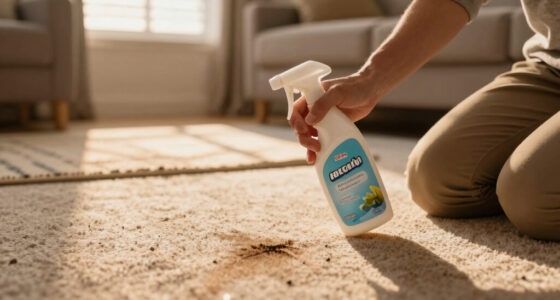
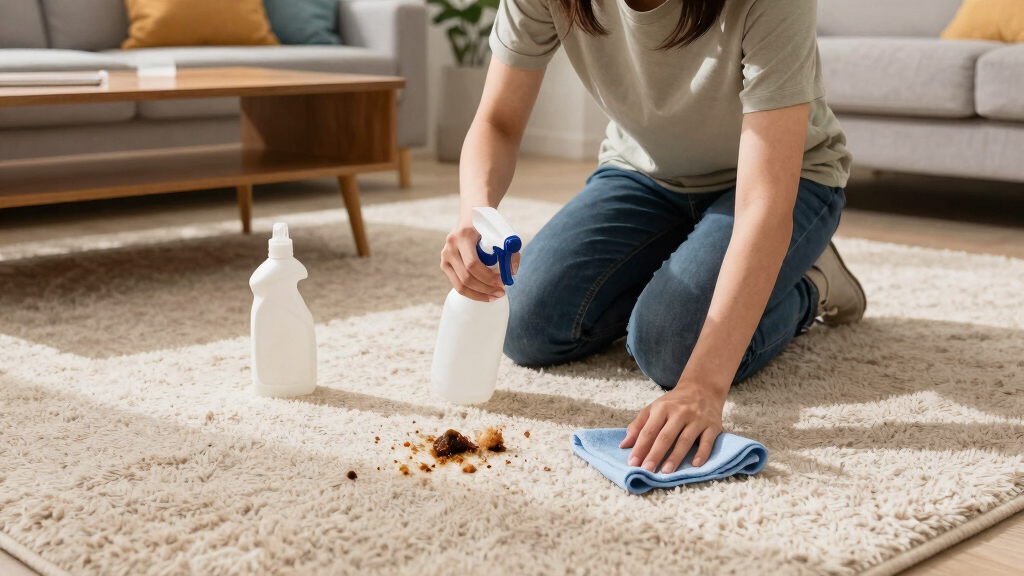
Time is your enemy when dealing with pet vomit. The longer it sits, the worse the stains and smells become. The goal is to remove as much of the mess as possible, without rubbing it deeper into the fibers. Grab some gloves, paper towels, or a clean cloth, and gently blot to lift the vomit. Avoid wiping, which can spread the mess further.
Imagine your pet vomiting mid-morning. You rush in with paper towels, pressing gently to soak up the goo. This quick response prevents the stain from setting and the smell from intensifying.
enzymatic carpet cleaner for pet stains
As an affiliate, we earn on qualifying purchases.
As an affiliate, we earn on qualifying purchases.
How to Remove Pet Vomit Stains Step-by-Step
- Blot up excess vomit with paper towels or a clean cloth, pressing gently to absorb liquids.
- Mix a solution of warm water with a few drops of mild dish soap or enzymatic cleaner designed for pet stains.
- Dab the solution onto the stain, working from outside in to avoid spreading.
- Let it sit for 5-10 minutes to loosen residues.
- Blot again with a clean cloth to lift the stain and cleaning solution.
- Rinse with plain warm water and blot dry.
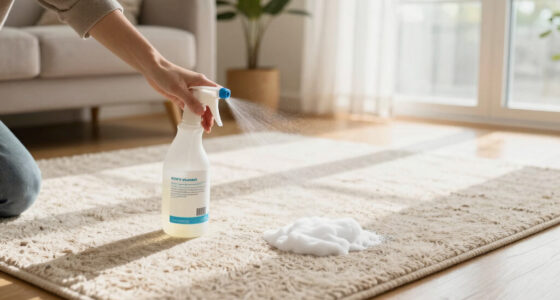
- Sprinkle baking soda over the area to absorb odors, leave for at least 15 minutes, then vacuum.
For stubborn stains, repeat the process or consider professional cleaning. The key is patience and thoroughness.
natural pet odor remover baking soda
As an affiliate, we earn on qualifying purchases.
As an affiliate, we earn on qualifying purchases.
Why Enzymatic Cleaners Are Your Best Friend (And How to Use Them)
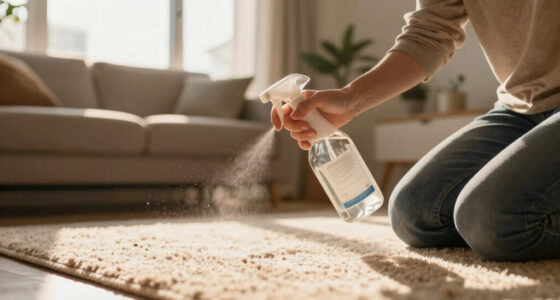
Enzymatic cleaners are specially formulated to break down proteins, fats, and bacteria in pet vomit. These organic compounds are the root causes of stubborn stains and lingering odors, which is why enzymatic cleaners are so effective—they target the very molecules that cause the problem. When applied, they initiate a natural breakdown process, transforming these compounds into simpler, odorless substances. This is crucial because many traditional cleaners merely mask odors or temporarily lift stains without addressing the source, leading to persistent smells and re-staining. Using enzymatic cleaners correctly ensures you’re not just cleaning the surface but truly eliminating the odor at its source, preventing it from returning and becoming embedded in the fibers. Proper application—generous spraying, allowing sufficient dwell time, and thorough blotting—maximizes their effectiveness and helps preserve your carpet’s integrity over time.
professional carpet cleaning service for pet stains
As an affiliate, we earn on qualifying purchases.
As an affiliate, we earn on qualifying purchases.
Natural Odor Fighters: Baking Soda and Beyond
Baking soda is a natural miracle for neutralizing lingering smells because it works at the chemical level to absorb and neutralize odor molecules. Unlike sprays that temporarily mask odors, baking soda reacts with acids and bases in the smell particles, rendering them inert. This makes it a highly effective long-term solution for pet odors, especially when used after cleaning. When you sprinkle baking soda over the affected area, it penetrates the carpet fibers and absorbs moisture and odor particles, which are often the cause of persistent smells. Leaving it for at least 15 minutes allows enough time for this reaction, and thorough vacuuming afterward ensures you remove all residue. For enhanced scent masking, adding a few drops of essential oil creates a pleasant aroma that can replace the pet smell, but be mindful that this is a temporary fix and should complement, not replace, proper cleaning. Combining baking soda with regular maintenance and prompt stain treatment provides a comprehensive approach to maintaining a fresh, odor-free home environment.
As an affiliate, we earn on qualifying purchases.
When and Why You Might Need Professional Help
If your pet’s vomit has soaked deep into your carpet or the smell persists after multiple treatments, it’s time to call in the pros. Professional deep cleaning or steam cleaning can reach fibers that DIY methods miss, especially in dense or heavily soiled carpets. They use industrial-grade equipment and specialized solutions that can penetrate deeper layers, breaking down residual organic matter and eliminating stubborn odors. This is particularly important because untreated or improperly cleaned vomit can lead to mold or bacteria growth, which may pose health risks to your family and pets. Moreover, professional cleaning can restore the carpet’s original appearance and texture, preventing permanent staining or fiber damage caused by improper cleaning techniques. Think of it as a necessary investment in your home’s hygiene and longevity—sometimes, the most thorough approach is the safest and most effective for long-term peace of mind.
Frequently Asked Questions
How quickly should I clean pet vomit from my carpet?
The faster you act, the better. Cleaning within 15-30 minutes prevents stains from setting and odors from becoming permanent. Quick response also minimizes the risk of bacteria and mold growth.Are enzymatic cleaners safe for pets and children?
Most enzymatic cleaners are formulated to be pet-safe and non-toxic when used as directed. Always check the label for safety instructions, especially if you have young children or sensitive pets.Can I use bleach or harsh chemicals on pet vomit stains?
Avoid harsh chemicals like bleach, which can damage carpet fibers and cause allergic reactions. Stick to pet-safe enzymatic cleaners or natural solutions like baking soda for odor control.What’s the best way to remove old or stubborn vomit stains?
Repeat the cleaning process with enzymatic cleaner, or consider professional deep cleaning. Patience and multiple treatments are often needed for long-standing stains and smells. Understanding that these stains have often bonded deeply into the fibers helps set realistic expectations—deep stains require multiple treatments or professional intervention because they are more resistant to surface cleaning. Recognizing this tradeoff allows homeowners to allocate resources effectively, either through patience with repeated DIY efforts or by investing in professional services that can reach and treat these embedded residues thoroughly.Are there natural remedies for pet odor removal?
Yes. Baking soda, activated charcoal, and essential oils like lemon or lavender can naturally neutralize odors. They work best in combination with thorough cleaning and proper ventilation. Knowing the chemistry behind these remedies can help you optimize their use—activated charcoal adsorbs odor molecules, while essential oils provide pleasant scents, but they are most effective when used after removing the source of the odor through cleaning.Conclusion
A fresh carpet is within reach, even after a pet mishap. Quick action, the right tools, and patience turn a messy situation into a quick fix. Remember: your carpet’s future depends on how promptly you respond today. Keep your home inviting — and your pet’s accidents manageable — with these simple steps.Halloween Picks
halloween
As an affiliate, we earn on qualifying purchases.