
TL;DR

Get cleaning gear delivered free — and shop member deals
- Fast, free delivery on millions of items
- Access to Prime Big Deal Days deals on October 6–7
- Prime Video, Amazon Music and more included
Cleaning a wool rug safely requires gentle handling, prompt stain treatment, and occasional professional cleaning. Recent advances include eco-friendly solutions and advanced vacuums, making maintenance easier and safer.
Imagine walking into a cozy room and feeling the soft, plush texture of a wool rug under your feet. Now, picture that rug stained or matted from harsh cleaning or neglect. The truth is, wool rugs are sensitive but resilient—if you know the right way to care for them. Keeping them clean without damage isn’t about heavy scrubbing or chemicals.
This guide shows you simple, safe techniques to preserve your wool rug’s beauty. From routine vacuuming to eco-friendly cleaning solutions, you’ll learn how to handle spills and deep-clean without risking fiber damage or shrinking. Ready to make your wool rug last for years? Let’s start.
Always treat wool rugs like fragile textiles—use gentle cleaning methods and avoid harsh chemicals.
Vacuum weekly with a suction-only attachment, and blot spills immediately with cold water.
Limit moisture and ensure thorough drying to prevent mold, shrinking, or fiber distortion.
Opt for eco-friendly, non-toxic cleaning solutions and consider professional care every 12-18 months.
Use rug pads and avoid direct sunlight to prevent wear, fading, and damage.
The Safe Way to Clean a Wool Rug
Gentle Wool Rug Care, From Weekly Vacuuming to Deep Cleaning
Wool is naturally resilient, but it rewards restraint. The safe path is simple: suction-only vacuuming, fast cold-water blotting, limited moisture, thorough drying, wool-safe cleaners, and professional care before hidden grit damages the fibers.
Vacuum with suction only to lift loose dirt before it grinds into the pile.
Months between professional cleanings for most wool rugs in normal use.
Blot, cool, dry flat. Wool dislikes force, heat, and excess water.
Never rub a spill into the fibers.
Use small amounts and dry thoroughly.
Bleach, ammonia, high-pH cleaners, high heat.
Use rug pads and avoid direct sunlight.
What Keeps Wool Beautiful
Think of a wool rug as a fine textile, not a floor workhorse. Gentle maintenance preserves the natural lanolin coating, reduces pilling, and helps the pile keep its plush shape.
Suction, not scrubbing
Use a suction-only vacuum attachment or a soft brush. Stiff bristles can fray edges and dull the pile.
Blot from the outside in
Cold water and a clean white cloth help lift spills without pushing pigment deeper into the fibers.
Use less water than you think
Wool absorbs moisture readily. Over-wetting can cause shrinking, warping, musty odors, and mildew.
Choose wool-specific detergent
Mild, low-residue, wool-safe formulas protect fibers better than harsh household cleaners.
Dry flat in moving air
Use shade and ventilation. Hanging a wet wool rug can stretch and distort the backing.
Bring in professionals
Experienced cleaners can remove deep grit with low-moisture, wool-safe methods every 12-18 months.
The Safe Cleaning Sequence
A spill is not the moment for force. Work slowly, limit moisture, and give the rug enough time to dry evenly before foot traffic returns.
Lift solids
Remove debris gently with a spoon edge or vacuum suction.
Blot spill
Press with a white cloth. Do not rub or twist the pile.
Add mild cleaner
Use a tiny amount of wool-safe detergent in cold water.
Rinse lightly
Dab with clean cold water to remove any residue.
Dry flat
Ventilate in shade until the backing and pile are fully dry.
Methods: Safe, Risky, or Conditional
Most wool rug damage comes from the wrong combination of agitation, heat, moisture, and chemistry. This comparison keeps the tradeoffs visible.
| Cleaning method | Wool safety | Best use | Risk to watch | Verdict |
|---|---|---|---|---|
| Suction-only vacuum | ✓ Safe | Weekly surface dirt removal | Beater bars can pull or fuzz fibers | Use routinely |
| Cold-water blotting | ✓ Safe | Fresh spills and minor stains | Too much water can spread moisture | First response |
| Wool-safe detergent | ~ Conditional | Stubborn spots after blotting | Residue attracts soil if not lightly rinsed | Use sparingly |
| Low-heat steam cleaning | ~ Conditional | Professional deep cleaning | High heat or heavy moisture can shrink wool | Check manufacturer guidance |
| Bleach or ammonia | ✗ Avoid | No safe routine use | Fiber weakening, discoloration, coating loss | Do not use |
| Vigorous scrubbing | ✗ Avoid | No safe routine use | Fraying, pilling, snags, bald patches | Replace with gentle dabbing |
Risk Map for Wool Rug Cleaning
The safest cleaning plan keeps routine care frequent and invasive care rare. Modern tools help, but moisture and heat still need strict limits.
How often each action belongs in the routine
Recent upgrades worth using carefully
Biodegradable, non-toxic cleaning agents reduce chemical residue while staying gentle on wool.
HEPA-filtered vacuums and gentle robotic cleaners can remove fine dust without aggressive brushing.
Low-temperature professional steam methods can deep clean wool when moisture is tightly controlled.
Fiber protection treatments help repel dirt and stains, but they should be wool-compatible.
Traceability: From Spill to Longevity
Each safe action protects the next layer of the rug: surface appearance, fiber strength, backing shape, indoor air quality, and long-term value.
Act while the liquid is still on the surface.
Use a clean white cloth and cold water.
Add wool-safe detergent only if needed.
Ventilation prevents odor and distortion.
Use pads, shade, and regular rotation.
Keep softness, color, and shape for years.
Why Gentle Cleaning Matters More Than You Think
Wool rugs are delicate, with fibers that can unravel or shrink when mishandled. Heavy scrubbing, harsh chemicals, or high heat can turn your soft, cozy rug into a misshapen mess. Think of wool as a fine fabric—like cashmere or silk—requiring a gentle touch. Regular vacuuming at a low setting removes surface dirt that can embed deep into fibers over time.
For example, a friend once used a stiff-bristled brush on her wool rug to remove pet hair. The result? Frayed edges and a dull appearance. Instead, she learned to use a soft brush or vacuum with a gentle setting. That’s the key: treat wool like a fragile treasure, not a workhorse.
Understanding why gentle cleaning matters is crucial because wool fibers are inherently elastic and resilient but can be easily compromised. Excessive force or harsh chemicals weaken the fiber structure, leading to fraying, pilling, or even fiber loss. Moreover, aggressive cleaning can disturb the natural lanolin coating in wool, which provides stain resistance and moisture regulation. When this protective layer is stripped, the rug becomes more vulnerable to stains and damage. Therefore, adopting a gentle approach preserves both the appearance and longevity of your wool rug, minimizing the need for costly repairs or replacements down the line.
As an affiliate, we earn on qualifying purchases.
How Often Should You Vacuum and Why It’s Not Enough Alone
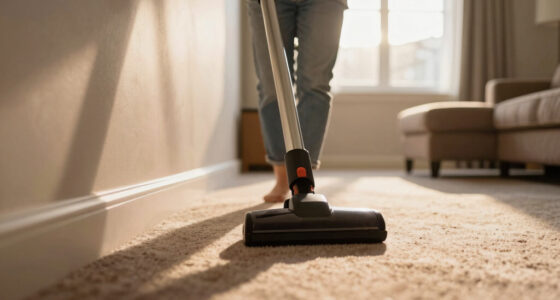
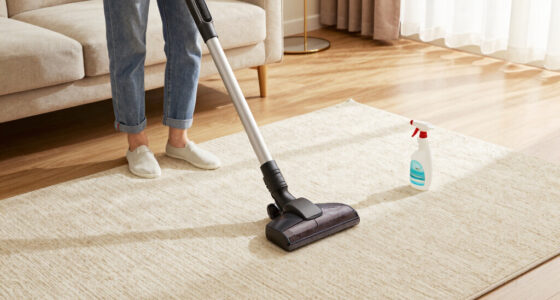
Vacuum your wool rug at least once a week with a suction-only attachment. This removes loose dirt and prevents debris from embedding and causing fiber fraying. But vacuuming isn’t a full cleaning—it doesn’t remove stains or deep dirt.
Imagine walking barefoot on a rug with hidden dirt. Over time, that dirt dulls fibers and wears them down. Regular vacuuming keeps this from happening, but you still need spot cleaning and occasional deep cleaning to keep your wool looking its best.
Neglecting thorough cleaning can lead to dirt and grime building up beneath the surface, which can cause fibers to break or fray prematurely. While vacuuming is essential for routine maintenance, it only addresses surface-level debris. Without periodic deep cleaning or stain treatment, embedded dirt can cause fibers to weaken over time, reducing the rug’s lifespan and aesthetic appeal. Striking a balance between regular vacuuming and targeted deep cleaning ensures your wool rug maintains its plushness and structural integrity, ultimately saving you money and effort in the long run.
vacuum cleaner with suction-only attachment
As an affiliate, we earn on qualifying purchases.
As an affiliate, we earn on qualifying purchases.
The Best Way to Spot Clean Wool Rugs Without Causing Damage
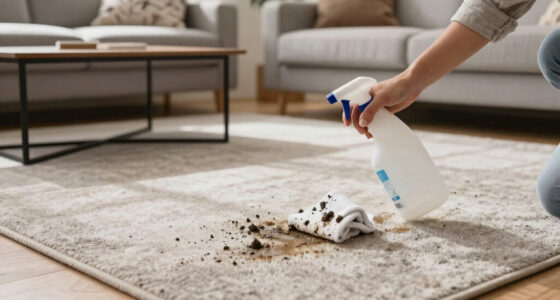
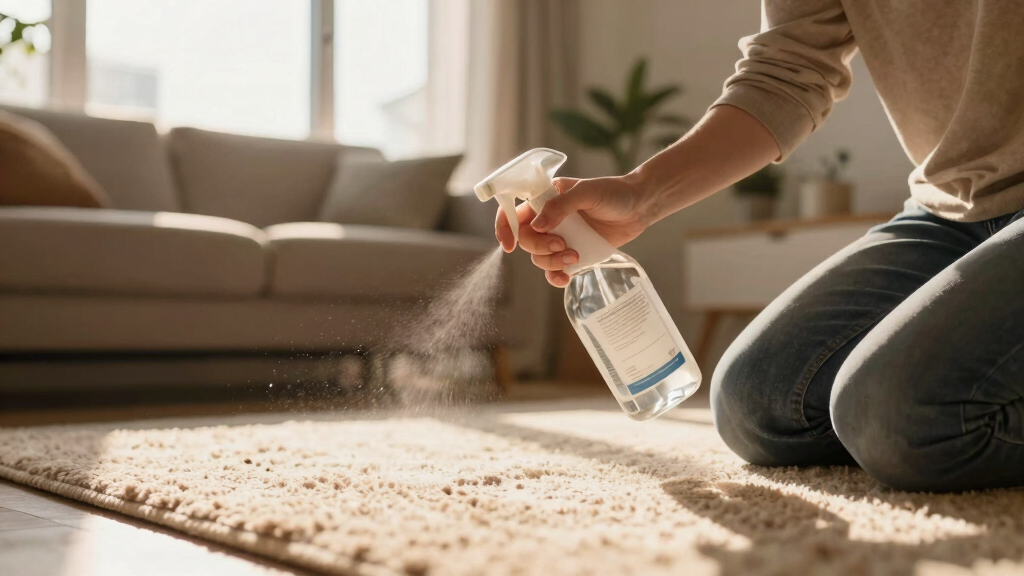
Spot cleaning is your first line of defense against spills. The trick? Blot—don’t rub—the stain with a clean, white cloth dampened with cold water. For stubborn spots, add a tiny amount of wool-safe detergent to cold water. Use a gentle dabbing motion, working from the outside in.
For example, if red wine spills on your wool rug, blot immediately with cold water and a mild detergent. Rubbing can push the stain deeper or fray fibers. Remember, patience wins here: short, gentle dabs beat vigorous scrubbing.
Deep understanding of spot cleaning is essential because improper techniques can cause irreversible damage. Rubbing or scrubbing can fray or pull fibers, creating permanent snags or bald patches. Using too much water or harsh detergents can lead to fiber swelling or shrinking, which distorts the rug’s appearance. The key is to act quickly and gently—blotting absorbs the spill without disturbing the fiber’s natural structure. Employing wool-specific cleaning agents ensures compatibility and minimizes risk. This careful approach maintains the rug’s integrity, preserves its aesthetic appeal, and prolongs its life, making spot cleaning an effective yet safe method.
As an affiliate, we earn on qualifying purchases.
Why Moisture Is Your Wool Rug’s Worst Enemy
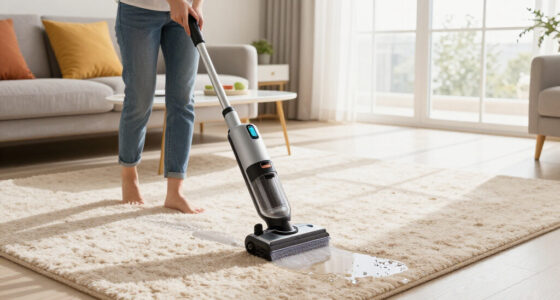
Moisture can cause wool fibers to shrink, fray, or develop mold if not dried properly. Always use cold water and limit the amount used during cleaning. After spot cleaning or vacuuming, dry the rug thoroughly—preferably outdoors in a shaded area or in a well-ventilated space.
Picture this: leaving a damp wool rug in a humid basement. Over time, it develops a musty smell and warped fibers. To avoid this, air dry flat, and never hang a wet wool rug, which can cause distortion.
Understanding the implications of moisture is vital because excess water can cause irreversible damage. Wool’s natural fibers are hygroscopic, meaning they absorb moisture readily. When overexposed, fibers swell and can distort their shape or develop mold and mildew, which are difficult to eradicate. Improper drying techniques—such as hanging a wet rug—can stretch and warp the fibers, leading to permanent deformation. To prevent these issues, always dry wool rugs flat in a shaded, well-ventilated area, ensuring all moisture evaporates evenly. Recognizing the dangers of excess moisture helps you adopt best practices for cleaning and storage, extending your rug’s lifespan and maintaining its pristine condition.
professional wool rug cleaning service
As an affiliate, we earn on qualifying purchases.
As an affiliate, we earn on qualifying purchases.
Professional Cleaning & New Eco-Friendly Solutions You Can Trust
Every 12-18 months, consider professional cleaning. Look for companies experienced with wool rugs who use gentle, non-toxic methods. Recent innovations include biodegradable cleaning agents and low-heat steam cleaning tailored for wool’s delicate fibers.
For instance, some eco-conscious cleaners now use steam at temperatures that deep clean without shrinking or damaging fibers. These safer options extend your rug’s life and reduce chemical exposure in your home.
Plus, DIY kits with wool-safe cleaning solutions are making it easier to maintain between professional visits. Just ensure you follow instructions carefully.
Deepening your understanding of these innovations reveals how they address specific wool vulnerabilities. Traditional cleaning methods often relied on aggressive chemicals and high heat, which could weaken or discolor fibers over time. Modern eco-friendly solutions, such as biodegradable detergents and low-temperature steam, are designed to be gentle yet effective, preserving wool’s natural elasticity and appearance. These advances reduce environmental impact and health risks associated with chemical residues, making regular professional cleaning safer and more sustainable. Choosing the right method involves understanding the tradeoffs: while some eco-friendly options may require specialized equipment, they ultimately protect your investment by maintaining the rug’s integrity and beauty over time.
Comparison: Traditional vs. Eco-Friendly Wool Rug Cleaning
| Feature | Traditional Cleaning | Eco-Friendly Cleaning |
|---|---|---|
| Chemicals Used | Harsh solvents, high-pH cleaners | Biodegradable, non-toxic solutions |
| Water Use | High moisture, risk of over-saturation | Minimal, controlled moisture levels |
| Technology | Steam at high heat, abrasive tools | Low-heat steam, gentle brushes |
| Environmental Impact | High chemical waste | Low, biodegradable waste |
| Safety for Wool | Potential damage from chemicals and heat | Safe when performed as instructed |
Choosing eco-friendly options not only protects your wool but also reduces your home’s chemical footprint. These green methods are safer for your family and better for the planet.
How to Keep Your Wool Rug Looking New Year After Year
- Vacuum weekly with a suction-only tool.
- Promptly blot spills with cold water and a wool-safe detergent.
- Allow the rug to air dry flat, avoiding direct sunlight.
- Use rug pads to prevent slipping and fiber wear.
- Schedule professional cleaning every 12-18 months.
For example, a homeowner noticed her wool rug began to look dull after a year. Regular vacuuming and gentle spot cleaning, combined with annual professional care, kept it plush and vibrant. Consistency is your best friend here.
Frequently Asked Questions
How often should I vacuum my wool rug?
Vacuum your wool rug at least once a week using a suction-only attachment on a low setting. This prevents surface dirt from embedding and helps maintain its plush appearance.
Can I use a steam cleaner on my wool rug?
Yes, if the steam cleaner uses low heat and moisture, and you follow manufacturer instructions. Always test a small area first and avoid high temperatures that could shrink or damage fibers.
What’s the safest way to remove stains from wool?
Blot stains immediately with cold water and a wool-safe detergent. Avoid rubbing, which can fray fibers. For stubborn stains, consider professional cleaning to avoid damage.
Are DIY cleaning methods safe for wool rugs?
Yes, if you use gentle, wool-specific cleaners and avoid excessive water. Always test in a small hidden area first to ensure compatibility before full cleaning.
What should I avoid when cleaning my wool rug?
Avoid harsh chemicals, vigorous scrubbing, high heat, and over-saturating with water. These can cause shrinking, fraying, or mold growth.
Conclusion
Taking care of a wool rug isn’t about heavy scrubbing or chemical bombardment. It’s about respect — for the fibers and your home. With gentle routines, prompt spill response, and occasional professional help, your wool rug will stay soft, vibrant, and beautiful for decades.
Imagine walking barefoot on a lush, resilient wool rug that feels just as cozy as day one — that’s your reward for smart, careful cleaning. Treat it well, and it’ll treat you right in return.
Halloween Picks
halloween
As an affiliate, we earn on qualifying purchases.