TL;DR

Get cleaning gear delivered free — and shop member deals
- Fast, free delivery on millions of items
- Access to Prime Big Deal Days deals on October 6–7
- Prime Video, Amazon Music and more included
Laminate and vinyl floors require different cleaning methods due to their materials. Use mild, pH-neutral cleaners, avoid excessive water on laminate, and take advantage of vinyl’s water resistance for easier maintenance. Proper care extends the life and beauty of your floors.
Use a damp, not soaking, mop with mild, pH-neutral cleaners for both floors.
Avoid excess water on laminate floors to prevent swelling and warping.
Vinyl’s waterproof nature makes it more forgiving, but don’t neglect proper cleaning routines.
Steer clear of harsh chemicals, abrasive scrubbers, and steam mops unless manufacturer-approved.
Regular sweeping or vacuuming is the best first step to keep floors looking fresh.
Same shine, different rules.
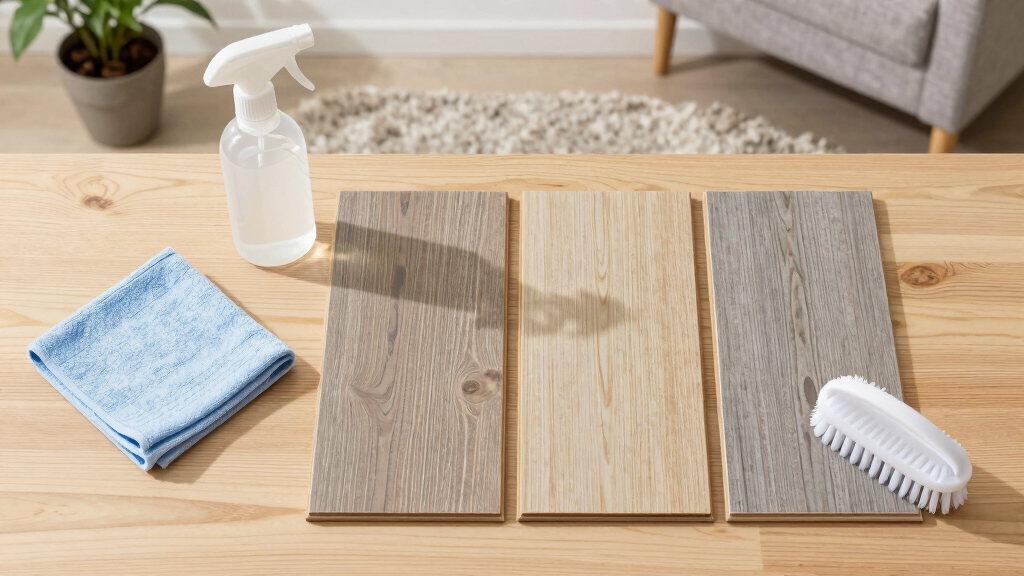
Laminate and vinyl can both look like wood or stone, but they do not handle cleaning the same way. Laminate needs a light touch because excess moisture can swell the core. Vinyl is more water resistant, making it more forgiving, but harsh cleaners and abrasive scrubbing can still dull the surface.
Use damp, not drenched. Gentle chemistry beats aggressive scrubbing.
Sweep or vacuum grit before it scratches the finish.
Mild, neutral formulas are safest for both surfaces.
No puddles, especially on laminate seams and edges.
Usually avoid on laminate; verify vinyl manufacturer guidance.
Damp mop as needed after dry debris is removed.
Know the surface before you clean it.
Laminate is a layered product with a fiberboard core, printed image layer, and clear wear layer. Vinyl is a resilient PVC-based material often sold as sheets, planks, or tiles. That material difference explains nearly every cleaning rule.
Looks tough, fears water
Scratch resistant on top, but vulnerable at seams. Too much water can seep in and cause swelling, warping, or raised edges.
More forgiving with moisture
Modern vinyl is highly water resistant and often waterproof, making it a practical choice for kitchens, baths, laundry rooms, and basements.
Gentle wins long term
Use mild cleaners, soft cloths, and regular debris removal. Avoid bleach, waxes, abrasive pads, and harsh scrubbing unless approved.
The clean-safe workflow.
Follow the same rhythm for both floors, then adjust the water level. Laminate gets the drier version. Vinyl can handle more moisture, but it still should not be flooded.
Dry debris first
Sweep or vacuum to remove grit that can scratch when dragged by a mop.
Mix mild cleaner
Use a few drops of dish soap or a pH-neutral floor cleaner in warm water.
Wring thoroughly
Laminate needs a barely damp mop. Vinyl can be damp, but never soaking.
Work in sections
Rinse the mop often so you do not spread dirt or dull the finish.
Dry the surface
On laminate, finish with a clean dry cloth to remove leftover moisture.
Side-by-side cleaning rules.
The fastest way to avoid damage is to separate what each floor can tolerate. The big split is moisture: laminate needs quick-dry cleaning, while vinyl allows more water-based maintenance.
| Feature | Laminate Floor | Vinyl Floor |
|---|---|---|
| Water resistance | ✗Susceptible to water damage; avoid excess moisture. | ✓Highly water resistant and often waterproof. |
| Best cleaner | ✓Mild, pH-neutral cleaner or diluted dish soap. | ✓Mild cleaner or vinyl-specific formula. |
| Mop moisture | ~Barely damp; no puddles near seams. | ✓Damp mop is fine; avoid flooding. |
| Stain treatment | ~Soft cloth, gentle cleaner, test melamine sponge first. | ✓Soft sponge or brush for sticky spots. |
| Steam mop | ✗Generally not recommended. | ~Only if manufacturer-approved; keep steam moving. |
| Drying need | ✓Dry immediately after damp wiping. | ~Drying helps prevent residue and dullness. |
What damages floors fastest.
Most floor-care mistakes come from treating laminate and vinyl as interchangeable. They are not. One is seam-sensitive, the other is surface-sensitive.
Laminate danger list
Laminate’s layered structure means water can work its way into seams and compromise the core.
- Soaking wet mops or standing puddles.
- Steam mops that push moisture into seams.
- Skipping the dry-cloth finish after damp cleaning.
- Abrasive grit left behind before mopping.
Vinyl danger list
Vinyl is tougher around moisture, but its finish can still be dulled, scratched, or lifted.
- Bleach, ammonia, waxes, and harsh solvent cleaners.
- Abrasive scrubbers that scratch the wear layer.
- Letting sticky spills sit until they require force.
- Using steam without manufacturer approval.
Moisture comfort scale
The right-care chain.
For both flooring types, preservation starts before the mop touches the surface. Remove grit, use gentle chemistry, control moisture, and respond to spills quickly.
Safe cleaning hacks.
When in doubt, stay simple: one teaspoon of dish soap in a gallon of warm water, a soft cloth for sticky spots, and frequent vacuuming to prevent dirt buildup. For scuffs, use a melamine sponge lightly and test first.
Soap plus warm water
A tiny amount of mild dish soap cleans without overwhelming the floor with residue or harsh chemistry.
Soft cloth first
Plain water or a gentle cleaner handles most sticky marks before scrubbing becomes tempting.
Buff lightly
A tested melamine sponge can lift dull marks, but heavy pressure can change the sheen.
What Exactly Are Laminate and Vinyl Floors? Here’s the Difference You Need to Know
Laminate flooring is like a fancy photo printed on a sturdy board, sealed with a tough, clear layer. It mimics wood or stone but isn’t real. Vinyl, on the other hand, is a resilient, flexible plastic material that can look like wood, tile, or stone, and is often waterproof.
Imagine walking into a kitchen with laminate floors—smooth, cool, with the look of oak. Now picture vinyl in the basement, resistant to water spills from laundry or pet accidents. The material composition influences how you clean and care for each.
Understanding these differences is crucial because each material responds differently to cleaning methods. Laminate’s layered structure makes it sensitive to excess water, which can seep into seams and cause swelling or warping, compromising its appearance and structural integrity. Vinyl’s waterproof nature allows for more water exposure, but aggressive cleaning methods can still damage its surface or reduce its lifespan. Recognizing these nuances helps you choose the right cleaning approach, balancing effectiveness with preservation.
As an affiliate, we earn on qualifying purchases.
Clean Each Floor Type the Right Way: The Basic Rules You Can’t Ignore
For both laminate and vinyl, regular sweeping or vacuuming keeps dirt from scratching surfaces. But how you mop makes all the difference. Use a damp, not soaking, cloth or mop. Mild, pH-neutral cleaners are safest—think gentle dish soap diluted in water.
Here’s a quick tip: on laminate, less water is more. Excess moisture can seep into seams and cause swelling. Vinyl floors tolerate more water, but overdoing it can still lead to issues.
Proper cleaning isn’t just about appearance; it’s about prolonging the life of your floors. Excess water or harsh chemicals can accelerate wear, cause discoloration, or lead to costly repairs. By sticking to gentle, well-diluted cleaners and minimal moisture, you help preserve the integrity of the flooring layers, preventing damage that could degrade their look and function over time. Think of it as giving your floors a gentle spa treatment—clean, refreshed, but never overwhelmed.
As an affiliate, we earn on qualifying purchases.
Step-by-Step: How to Clean Laminate Floors Without Damage
- Sweep or vacuum daily to remove grit and prevent scratches. This initial step is vital because abrasive particles can scratch the surface if left to grind in with a mop.
- Prepare a cleaning solution with a few drops of mild dish soap in a bucket of warm water. Using a gentle cleaner avoids stripping the finish or penetrating seams.
- Dip a soft cloth or mop, wring it out thoroughly—no puddles. Excess water can seep into seams, leading to swelling or warping over time, especially if cleaning is frequent.
- Gently wipe the floor, paying attention to corners and edges. Use light pressure to avoid damaging the finish or dislodging the top layer.
- Dry the surface with a clean, dry cloth to prevent streaks and remove any residual moisture that might cause damage.
Pro tip: For stubborn spots or scuffs, use a magic eraser lightly. Test first to avoid dulling the finish or causing uneven patches. This targeted approach helps maintain the floor’s appearance without risking damage.
As an affiliate, we earn on qualifying purchases.
How to Clean Vinyl Floors — Fast and Flawless
- Vacuum or sweep regularly to clear debris. Removing grit prevents scratches and keeps your cleaning routine effective.
- Mix a gentle cleaner—mild dish soap or a vinyl-specific cleaner in warm water. Using the right cleaner preserves the surface’s appearance and waterproof qualities.
- Use a damp mop or cloth; vinyl handles a bit more water, but avoid soaking the floor. Excess water can still cause issues like lifting or dulling the surface over time.
- Mop in sections, rinsing the mop often to prevent spreading dirt or grime that can scratch or dull the surface. Regular rinsing ensures a cleaner, more uniform finish.
- For sticky spots, a soft brush or sponge helps without scratching. Addressing messes promptly prevents stains from setting and reduces the need for aggressive cleaning later.
Bonus: Vinyl’s waterproof quality means you can even use a steam mop if the manufacturer says it’s safe—just keep the steam moving and don’t dwell in one spot. This method can be highly effective for deep cleaning, but always verify compatibility to avoid unintended damage.
As an affiliate, we earn on qualifying purchases.
Compare the Cleaning Needs of Laminate and Vinyl in a Side-by-Side Table
| Feature | Laminate Floor | Vinyl Floor |
|---|---|---|
| Water Resistance | Susceptible to water damage; avoid excess moisture | |
| Cleaning Products | Use mild, pH-neutral cleaners only | |
| Water Tolerance | Minimal; moisture can cause swelling | |
| Ease of Cleaning | Requires gentle approach, quick-drying | |
| Stain Treatment | Use soft cloth and gentle cleaner | |
| Durability | Scratch-resistant but water-sensitive | |
| Waterproof? | No | |
| Best Cleaning Method | Sweeping + damp cloth, avoid soaking | |
| Steam Mop? | Not recommended | |
| Waterproof? | No | |
| Best Cleaning Method | Vacuum + damp mop with mild cleaner | |
| Steam Mop? | Check manufacturer guidelines |
Common Mistakes That Damage Your Floors — And How to Avoid Them
Using too much water on laminate floors is a recipe for warping. Think puddles, not damp mops. Excess moisture can seep into seams and cause swelling, which can compromise the structural integrity of the flooring and lead to costly repairs down the line. On vinyl, avoid harsh chemicals like bleach or abrasive scrubbers—they can dull or scratch the surface, reducing its aesthetic appeal and waterproof qualities. Additionally, aggressive cleaning methods like steam mops can cause damage; steam can penetrate seams or cause surface lifting if not used properly. Always check your manufacturer’s recommendations before using steam on vinyl, as some products may not be compatible. Remember: gentle, consistent care, tailored to each material’s properties, is the best way to preserve your floors’ beauty and longevity.
When in Doubt, Use These Safe Cleaning Hacks
- Mix a teaspoon of dish soap with a gallon of warm water for a gentle, effective cleaner that minimizes risk while cleaning thoroughly.
- For sticky spots, use a soft cloth dipped in plain water or a mild cleaner to avoid harsh chemicals that could damage the surface.
- To brighten dull spots, buff lightly with a melamine sponge—test first to avoid dulling the finish or creating uneven patches. This method gently lifts surface grime without abrasive scrubbing.
- Vacuum often to prevent dirt buildup that scratches the surface, especially in high-traffic areas. Regular maintenance reduces the need for intensive cleaning sessions.
Pro tip: Regular maintenance prevents deep stains and extends the floor’s life, saving you time and money on repairs or replacements.
Frequently Asked Questions
Can I use the same cleaning products on both laminate and vinyl floors?
Not quite. Use mild, pH-neutral cleaners suitable for each surface. Avoid harsh chemicals that can damage or dull the finish.Is steam cleaning safe for laminate floors?
Generally, no. Excess moisture can cause swelling or warping in laminate. Always check manufacturer guidelines before using a steam mop.How do I remove stubborn stains or scuffs?
Use a soft cloth with a gentle cleaner, and for scuffs, a melamine sponge can help. Test first to avoid dulling the surface.What should I avoid when cleaning vinyl floors?
Avoid bleach, abrasive scrubbers, and excessive water. These can scratch or dull the surface and reduce waterproof qualities.How often should I clean my floors?
Sweep or vacuum daily or every few days. Damp mop weekly or as needed to keep them looking their best.Conclusion
Knowing how to clean laminate versus vinyl floors isn’t just about appearance—it’s about protecting your investment. Treat each surface with the care it needs, and your floors will stay beautiful longer. Imagine that fresh, clean scent after each gentle wipe—that’s the reward of proper maintenance.Halloween Picks
halloween
As an affiliate, we earn on qualifying purchases.