TL;DR
Listen free for 30 days with Audible
Thousands of audiobooks and originals — cancel anytime.
Start your free trialAs an affiliate, we earn on qualifying purchases.
Cleaning floors when you have pets and children demands regular routines, non-toxic products, and durable flooring. Natural solutions like baking soda and enzymatic cleaners are effective, and new flooring options reduce maintenance. A consistent approach keeps your home safe and clean.
Imagine your living room on a Saturday morning: a trail of muddy paw prints, crumbs scattered from snack time, and the faint smell of pet fur wafting through the air. It’s the reality for many families balancing the chaos of children and pets.
Keeping your floors clean in this lively environment isn’t about perfection. It’s about smart routines, safe products, and choosing surfaces that stand up to real life. This guide will show you how to keep floors fresh, stain-free, and safe for everyone — human and furry alike — without turning cleaning into a full-time job.
Choose durable, stain-resistant flooring like vinyl or sealed hardwood to minimize cleaning headaches.
Establish daily routines — sweep or vacuum every day, mop weekly, and clean spills immediately.
Use non-toxic, enzymatic cleaners and natural solutions for safe, effective cleaning and odor control.
Implement preventative measures like entry mats and pet training to reduce messes and damage.
Always check your flooring manufacturer’s advice before using steam mops or chemical cleaners.
Pick the Right Floors for Pets and Kids — Here’s What Works Best
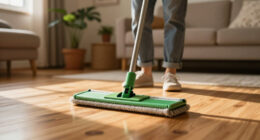
When it comes to flooring, durability and ease of cleaning are your best friends. Vinyl and laminate floors resist scratches and stains, making cleanup a breeze. Sealed hardwood offers a warm look but needs proper sealing to prevent stains from spills or pet accidents.
A quick example — a family with a playful Labrador found that vinyl flooring cut their cleaning time in half compared to carpet, which trapped hair and dirt. Avoid plush carpets in high-traffic zones; they’re dirt magnets and hard to keep spotless with kids’ snacks and pet messes.
In a nutshell, choose flooring that’s stain-resistant, scratch-proof, and easy to mop — your best allies in a busy home.

Nature’s Miracle Dog Stain & Odor Remover, Enzymatic Cleaner, 32 oz
- Immediate stain removal: Breaks down stains on contact
- Fresh citrus scent: Controls odors with a clean scent
- Enzymatic action: Works continuously on bio-messes
As an affiliate, we earn on qualifying purchases.
As an affiliate, we earn on qualifying purchases.
Establish a Routine That Keeps Floors Clean and Safe
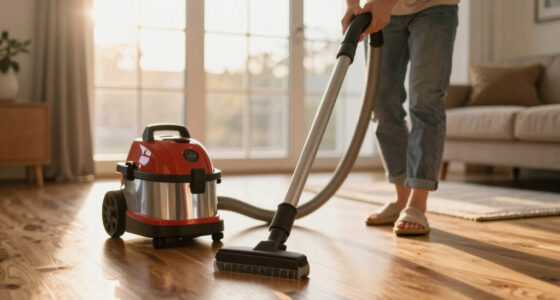
Short, frequent cleaning sessions work better than sporadic deep cleans. Vacuum or sweep daily to catch pet hair, crumbs, and dirt before they settle in. Use a vacuum with a HEPA filter — it traps allergens and pet dander, reducing sneezing fits for your family.
For example, a family with two cats and three kids found that daily quick sweeps and a weekly mop kept odors and stains at bay. Spot clean spills immediately with a damp cloth, especially if juice or pet accidents hit the floor.
Consistency is key. A quick daily routine prevents messes from becoming ingrained and makes cleaning less daunting.

Zep Stain Resistant Floor Sealer – 1 Gallon – ZUFSLR128 – Durable, Long Lasting Seal
- Stain Resistance: Protects against food, drink, and dirt stains
- Enhances Gloss: Clear coating boosts floor shine
- Universal Compatibility: Suitable for various interior floor types
As an affiliate, we earn on qualifying purchases.
As an affiliate, we earn on qualifying purchases.
Choose Safe, Green Cleaning Products You Can Trust
Pet- and kid-safe cleaning means avoiding harsh chemicals like bleach, ammonia, or essential oils that can be toxic. Instead, opt for natural solutions like vinegar, baking soda, or enzymatic cleaners specifically designed for pet stains.
For instance, enzymatic cleaners break down organic stains and odors naturally, often removing 90% of pet smells after just one application. Baking soda sprinkled on carpets and floors absorbs odors and freshens the air.
Always read labels and test a small area first. Safety first — your family’s health depends on it.

Shark Navigator Lift-Away Vacuum, HEPA, Carpet and Pet Hair, Blue, NV360
- Powerful Suction: Cleans carpets and hard floors effectively
- Lift-Away Functionality: Detachable pod for above-floor cleaning
- Pet Hair Removal: Specialized tools for pet hair cleanup
As an affiliate, we earn on qualifying purchases.
As an affiliate, we earn on qualifying purchases.
Deep Clean Without Harsh Chemicals — Here’s How
- Mix a gentle cleaner — a cup of vinegar with a gallon of warm water works well.
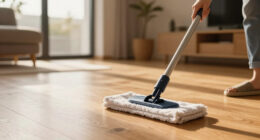
- Use a microfiber mop or cloth to avoid scratching surfaces.
- For stubborn stains, apply a paste of baking soda and water, let it sit for 10 minutes, then scrub gently.
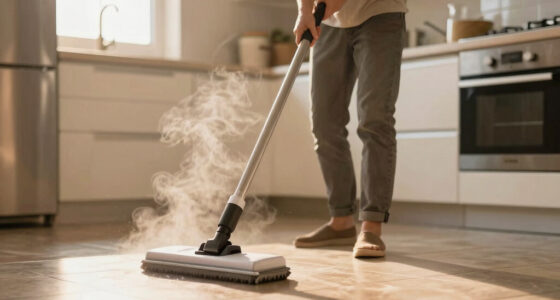
- Consider steam mopping for sanitizing without chemicals. Just ensure your flooring can handle heat.
A family with a toddler and a cat found steam mops eliminated germs and odors without any chemical fumes, making their cleaning routine safer and more effective. Steam cleaning also penetrates deep into porous surfaces, helping to lift embedded dirt and bacteria that regular mopping might miss. This method, however, requires understanding your floor type; unsealed wood or delicate surfaces may warp or degrade under high heat and moisture. Choosing natural, chemical-free cleaning methods reduces chemical exposure, which is especially important for households with sensitive children and pets. Using steam in combination with natural cleaners offers a comprehensive approach to hygiene without compromising safety.
Gentle yet thorough cleaning keeps floors hygienic and safe for curious little hands and furry paws.

Little Twig Plant Based Concentrated Multi-Surface and Floor Cleaner with Eco-Friendly Ingredients & No Toxic Residue, Child & Pet Safe, Unscented, 32 Fluid Oz (LTWG-FCFF32-06)
- Natural Plant-Based Formula: Cleans with eco-friendly plant extracts
- Multi-Surface Use: Suitable for tile, stone, wood, vinyl
- Rinse-Free Cleaning: No dilution needed for effective cleaning
As an affiliate, we earn on qualifying purchases.
As an affiliate, we earn on qualifying purchases.
Manage Pet and Kid Odors Without Overpowering Chemicals
Pet odors can turn a cozy home into a less inviting space. Regularly deodorize with baking soda or enzymatic sprays. Sprinkle baking soda on carpets, let sit for 15 minutes, then vacuum. For hard floors, a quick mop with a solution of water and a few drops of essential oil can do wonders.
For example, a family with a new puppy found that enzymatic sprays kept the living room smelling fresh without masking odors with artificial scents. Natural deodorizers are gentle but effective.
Consistent odor control makes your home feel clean and welcoming, even after muddy paws or spilled juice. This isn’t just about fresh scents; it’s about reducing organic matter and bacteria that cause lingering smells. Regular use of enzymatic cleaners breaks down organic residues, preventing odor buildup at the source and minimizing health risks associated with bacteria and mold. Natural deodorizers like baking soda absorb and neutralize odors without introducing chemical fragrances that might irritate sensitive noses or respiratory systems. This holistic approach ensures your home remains not only smelling fresh but also healthier for everyone living in it.
Understanding the science behind odor control helps you choose the most effective and safe methods for your household.
Prevent Messes Before They Happen — Smart Tricks for Busy Homes
- Place mats and rugs at entry points to trap dirt and mud.
- Train pets to stay off certain areas or use baby gates.
- Keep cleaning supplies handy in common areas for quick spot cleans.
- Limit access to areas with delicate flooring during messy activities.
For instance, a family installed a mudroom with a washable mat, which drastically reduced dirt being tracked into the living space. Training pets to avoid certain zones can save hours of scrubbing. These preventative measures are crucial because they address the problem at its source, reducing the frequency and intensity of cleaning needed later. By intercepting messes early—like dirt at the door or pet paws on designated mats—you minimize the spread of grime and organic matter across your floors. This not only saves time and effort but also helps preserve your flooring’s condition over the long term, avoiding scratches, stains, and water damage caused by neglecting early spill management. Implementing these simple but effective strategies creates a cleaner, healthier living environment with less stress and maintenance.
Compare Your Best Flooring Options for Pet and Kid-friendly Homes
| Flooring Type | Durability | Ease of Cleaning | Cost | Best For |
|---|---|---|---|---|
| Vinyl | High | Easy | Moderate | High traffic, messy homes |
| Laminate | Moderate to High | Easy | Moderate | Active families, kids’ rooms |
| Sealed Hardwood | High | Moderate | High | Living rooms, bedrooms |
| Carpet | Low to Moderate | Hard | Low | Low-traffic areas, bedrooms |
Choosing the right flooring depends on your lifestyle. Vinyl and laminate offer the best mix of durability and ease of cleaning for busy households. However, it’s important to consider long-term implications: while vinyl is resistant to scratches and spills, it can sometimes emit volatile organic compounds (VOCs) if not properly rated, which might affect indoor air quality. Sealed hardwood, although more expensive and requiring regular sealing, provides a natural look that can be more comfortable for children to play on, but it needs careful maintenance to prevent scratches and water damage. Carpets, while soft and warm, trap dirt and pet hair, making them less ideal for high-traffic zones but suitable for bedrooms where comfort is a priority and mess is less frequent.
What to Do When Pet Stains or Odors Strike
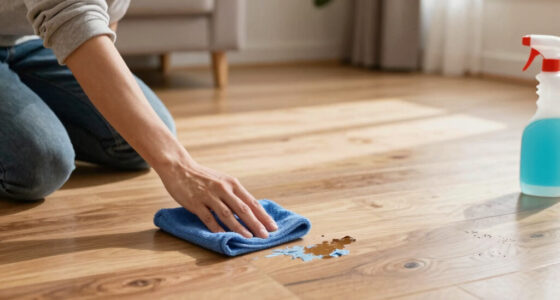
Act fast. Blot up spills immediately with a clean cloth to prevent staining. For stains, apply enzymatic cleaners directly, following the instructions. Avoid scrubbing too hard — gentle is better to preserve floor finish.
For example, when a toddler spilled juice, a quick blot and a spray of enzymatic cleaner kept the stain from setting, saving a costly floor repair.
Regular maintenance with natural deodorizers keeps odors at bay and your home smelling fresh, even after messy moments. Understanding why prompt action matters is essential — the longer a stain or odor sits, the harder it becomes to remove, often requiring more aggressive cleaning or risking permanent damage. Immediate response minimizes the spread of bacteria and organic matter, which can cause health issues over time. Also, consistent use of natural deodorizers like baking soda prevents odor build-up, maintaining a healthier indoor environment for children and pets.
Are Steam Mops Safe on All Floors? Here’s What You Need to Know
Steam mops can sanitize and remove grime without chemicals, but not all floors handle heat well. They’re safe on sealed hardwood, tile, and vinyl, but avoid using steam on unsealed wood or delicate surfaces.
For example, a family with sealed hardwood floors found steam mopping daily kept their floors germ-free without chemical cleaners. However, they avoided steam on unsealed wood, which could warp or damage over time.
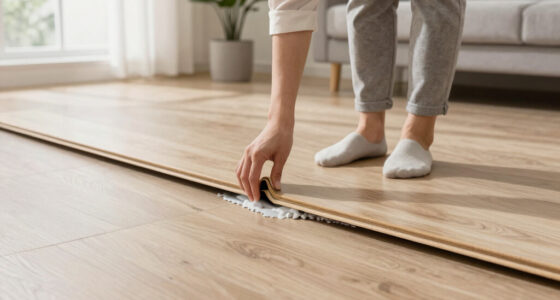
Check your flooring manufacturer’s guidance before steaming — a quick step to prevent costly mistakes. Ignoring this advice can lead to warping, discoloration, or delamination, which may not be immediately apparent but can significantly shorten your floor’s lifespan. Properly assessing your flooring type ensures you don’t inadvertently cause damage that’s costly and complicated to repair. When in doubt, consult with flooring professionals or manufacturers to confirm safety, especially if your floors are older or have been refinished.
How to Keep Pets From Damaging Your Floors
Prevent damage by training pets to stay off fragile areas and trimming their nails regularly. Use rugs or mats in high-traffic zones and in front of pet beds to reduce scratches and wear.
For instance, a family with a playful puppy placed rubber mats in their living room, saving their hardwood from scratches caused by paws and claws.
Consistent training and protective mats are simple steps that extend your floors’ lifespan and keep them looking new longer. Additionally, regular nail trims reduce the risk of scratches, and training pets to avoid certain areas minimizes accidental damage. These proactive measures help balance your pet’s natural behaviors with the longevity of your flooring, saving you money and effort in repairs or replacements. The key is to combine behavioral training with physical barriers, creating a home environment that is both pet-friendly and floor-safe.
Natural Cleaning Solutions That Actually Work
Vinegar, baking soda, and lemon are your best friends for a safe, natural clean. Mix equal parts water and vinegar for mopping, sprinkle baking soda for odor absorption, and add lemon for a fresh scent.
A family with allergies found that vinegar-based solutions cleaned effectively and kept their home smelling clean without artificial fragrances. Baking soda absorbs pet odors overnight, leaving floors fresh by morning.
These solutions are cheap, safe, and work well on most surfaces—just test first to avoid any damage. It’s also important to understand that while these natural ingredients are effective, they may not be suitable for all flooring types; for example, vinegar’s acidity can damage natural stone surfaces. Always test in a small, inconspicuous area before widespread use, and consider the specific needs of your flooring material to prevent unintended harm. When used appropriately, these solutions offer a safe, eco-friendly way to maintain a clean home without exposing your family to harsh chemicals.
Frequently Asked Questions
What are the safest cleaning products to use around pets and children?
Look for products labeled natural, biodegradable, or non-toxic. Vinegar, baking soda, and enzymatic cleaners are safe and effective. Always test a small area first and avoid harsh chemicals like bleach or ammonia, which can be toxic if ingested or inhaled.
How often should I vacuum or sweep my floors?
Daily sweeping or vacuuming is ideal to catch pet hair, crumbs, and dirt before they settle. A quick 5-minute daily routine greatly reduces allergens and odors, making weekly mopping more effective and less time-consuming.
What flooring options are best for homes with pets and kids?
Vinyl and laminate floors top the list for durability, ease of cleaning, and resistance to scratches and stains. Sealed hardwood can also work well if properly maintained. Avoid plush carpets in high-traffic, messy areas since they trap dirt and pet hair easily.
How can I remove pet stains and odors effectively?
Act quickly: blot spills immediately, then apply enzymatic cleaners to break down organic stains. Regular deodorizing with baking soda or enzymatic sprays keeps odors at bay. Patience and consistency are key to maintaining a fresh-smelling home.
Are steam mops safe for all types of flooring?
No. Steam mops are safe on sealed hardwood, tile, and vinyl but can damage unsealed wood or delicate surfaces. Always check your flooring manufacturer’s instructions before steaming, and use the lowest heat setting to avoid warping or damage.
Conclusion
Keeping your floors clean with pets and kids isn’t about perfection — it’s about smart choices and quick habits. With the right flooring, routine, and products, you can create a safe, fresh space for everyone.
Imagine walking barefoot on a spotless floor, the smell of fresh lemon in the air, and no muddy paw prints in sight. That’s a home where cleanliness meets practicality — and everyone feels comfortable.
Grilling season Picks
grills
As an affiliate, we earn on qualifying purchases.