TL;DR
Listen free for 30 days with Audible
Thousands of audiobooks and originals — cancel anytime.
Start your free trialAs an affiliate, we earn on qualifying purchases.
Steam mopping weekly can kill up to 99.9% of bacteria and germs, but it’s not always necessary. Your home’s needs, floor type, and safety matter more than a fixed schedule. Use it wisely for a healthier, cleaner home.
Walking into a freshly steam-cleaned floor feels almost like stepping onto a clean, warm surface. But should you be doing it every week? The truth is, the answer isn’t one-size-fits-all. You might find that a weekly steam mop session keeps your kitchen spotless and your allergies at bay, or you might discover that less frequent cleaning works just fine. Understanding when and how to steam mop can save you time, protect your floors, and keep your home healthier.
In this guide, you’ll learn the benefits and potential pitfalls of weekly steaming, the best practices for different floor types, and how often you really need to reach for your steam mop. Let’s get into the nitty-gritty of this powerful cleaning tool so you can make smart choices for your home.
Weekly steam mopping kills up to 99.9% of bacteria but isn’t necessary for every home.
Always match your floor type with your steam mop settings to avoid damage.
Overdoing it on sensitive floors can cause warping or mold; moderation and proper maintenance are key.
Most households benefit from steaming once a week, but adjust based on traffic and pets.
Use distilled water and keep your device clean to extend its life and maintain effectiveness.
Why Steam Mopping Weekly Might Be a Smart Move
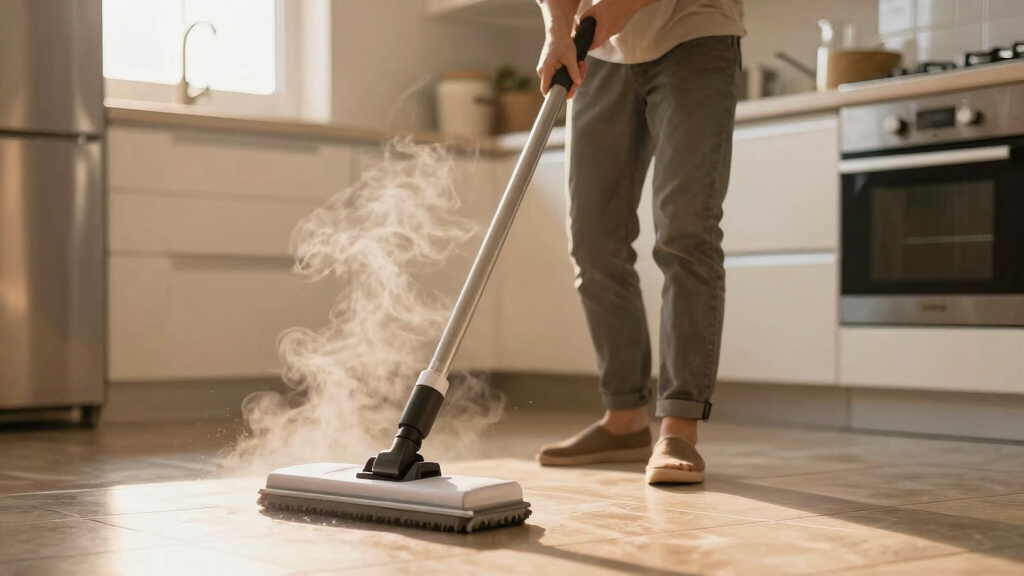
Steam mopping weekly can significantly boost your home’s cleanliness and hygiene. The high-temperature steam dissolves dirt and grime and kills up to 99.9% of bacteria and germs. Think of it as a deep clean that reaches microscopic levels, helping to prevent the buildup of harmful microbes that can cause illness or allergies. Regular steaming can also break down stubborn stains and residues that accumulate over time, reducing the need for harsh chemical cleaners.
Why does this matter? Because maintaining a hygienic environment isn’t just about aesthetics—it impacts your health. Bacteria, dust mites, and allergens can settle into your floors, especially in high-traffic areas, and contribute to respiratory issues or exacerbate allergies. Weekly steaming can mitigate these risks, creating a safer home environment. However, it’s important to recognize that overdoing it on sensitive surfaces or using improper techniques can lead to damage, which is why understanding your floor type and adjusting frequency accordingly is crucial. The key is balance: regular enough to maintain health, but mindful of your floors’ durability and the potential for wear and tear.
Recent advances in steam mop technology—like adjustable steam settings, cordless options, and quick heat-up times—make regular use more practical. These innovations allow you to customize your cleaning routine, ensuring you’re not exposing your floors to unnecessary moisture or heat. Properly used, weekly steaming becomes a safe, effective way to keep your home not just spotless but also healthier in the long run.

Shark Steam Mop for Sealed Hard Floors with 2 Dirt Grip Pads, White, S1000
- Chemical-Free Cleaning: Removes grease with steam only
- Removable Water Tank: Easy filling and refilling
- Lightweight and Compact: Under 5 lbs for easy handling
As an affiliate, we earn on qualifying purchases.
As an affiliate, we earn on qualifying purchases.
How Often Should You Actually Steam? The Real Answer
Determining the right frequency for steam mopping isn’t a one-size-fits-all answer; it involves understanding the nuances of your household and flooring. For instance, high-traffic areas like kitchens or entryways are exposed to more dirt, spills, and germs, making weekly steaming a practical choice to prevent microbial buildup and maintain a fresh appearance. Conversely, low-traffic spaces such as bedrooms or guest rooms may only need steaming every few weeks, as they accumulate less dirt and are less exposed to contaminants.
Think of your floors like your skin—some areas require daily cleansing to remove sweat and oils, while others only need weekly or biweekly attention. The implications of too frequent steaming include potential damage to delicate floors, such as warping or surface deterioration, which can lead to costly repairs or replacements. On the other hand, infrequent cleaning can allow grime and bacteria to accumulate, impacting indoor air quality and possibly aggravating allergies or asthma.
Research and manufacturer guidelines suggest that most households benefit from a weekly routine, but this should be adjusted based on specific factors like household size, presence of pets, and the type of flooring. For example, homes with pets or children might need more frequent cleaning to manage pet hair, mud, and food spills, while minimalist households might get away with less. Ultimately, observing your floors’ condition—looking for visible dirt, odors, or signs of wear—will guide you toward an optimal cleaning schedule that balances hygiene with floor longevity.
Shark Steam Mop for Sealed Hard Floors with 2 Dirt Grip Pads, White, S1000
- Chemical-Free Cleaning: Removes grease with steam only
- Removable Water Tank: Easy filling and refilling
- Lightweight and Compact: Under 5 lbs for easy handling
As an affiliate, we earn on qualifying purchases.
As an affiliate, we earn on qualifying purchases.
Floor Types That Love Weekly Steam Cleaning (and Those That Don’t)
Not all floors are created equal when it comes to steam mopping. Sealed tile, vinyl, and sealed hardwood floors thrive with weekly steam cleaning because these surfaces are designed to withstand heat and moisture. The high temperatures help dissolve stubborn dirt, grease, and grime, especially in kitchens and bathrooms where spills are common. Additionally, steam can penetrate grout lines and seams, making these areas look cleaner and brighter. For homeowners, this means a more hygienic environment without the need for harsh chemicals, which is especially beneficial for households with children or pets.
However, the tradeoff is that not all floors can handle this level of moisture and heat regularly. Unsealed wood, laminate, and delicate flooring materials are vulnerable to swelling, warping, or surface damage if exposed to frequent steam cleaning. For example, unsealed hardwood can absorb moisture, leading to plumping or buckling, while laminate floors may delaminate or develop swelling patches. These damages can be costly to repair and may shorten the lifespan of your flooring.
Understanding your floor’s material and finish is essential. Always check manufacturer’s guidelines or conduct a spot test in a concealed area before committing to weekly steaming. This cautious approach ensures you enjoy the benefits of steam cleaning without risking damage, allowing you to tailor your cleaning routine to your specific flooring type for optimal longevity and cleanliness.

Shark Steam Pocket Mop with 2 Washable Double-sided Pads, Purple, S3501
- Sanitizes with Steam: Removes 99.9% of bacteria
- Dual-Sided Pads: Clean with both sides of pads
- Lightweight & Compact: Under 5 lbs., easy to carry
As an affiliate, we earn on qualifying purchases.
As an affiliate, we earn on qualifying purchases.
The Risks of Overdoing It: When Weekly Steaming Backfires
Overuse of steam mops, especially on sensitive floors, can lead to serious problems that compromise both your floors and your health. Excess moisture from frequent steaming can cause warping, swelling, and delamination, particularly in unsealed or delicate materials. Imagine pulling up a section of a laminate or unsealed wood floor only to find it buckled or stained from too much water exposure. Such damage often requires costly repairs or replacement, and in severe cases, can make the entire room unsafe or uninhabitable until fixed.
Beyond physical damage, excessive steaming can also impact indoor air quality. Persistent moisture can promote mold growth beneath the surface if floors don’t dry properly, leading to potential health issues such as respiratory problems or allergic reactions. This is especially concerning in areas with poor ventilation or high humidity. Moreover, frequent use of steam on inappropriate surfaces can degrade the finish or protective coatings, leaving floors more vulnerable to dirt, scratches, and wear.
Proper maintenance of your steam mop is equally important. Mineral buildup from hard water can clog the device, reducing steam output and efficiency. Neglecting regular descaling or filter cleaning can cause the device to malfunction, leading to inconsistent cleaning results and potential damage. Therefore, moderation in steaming frequency, combined with diligent device maintenance, is essential to avoid these pitfalls. Recognize the signs of damage early, adjust your routine accordingly, and always follow manufacturer instructions to balance effective cleaning with the preservation of your floors’ integrity.

Shark Steam Pickup 3-in-1 Steam Mop for Sealed Hard Floors, SD201
- 3-in-1 Functionality: Debris pickup, deep scrubbing, steam sanitizing
- Steam-Powered Cleaning: Kills germs with high-temperature steam
- Efficient Debris Pickup: Separates crumbs and dust for easy disposal
As an affiliate, we earn on qualifying purchases.
As an affiliate, we earn on qualifying purchases.
How to Make Your Weekly Steam Mop Last and Work Better
- Use distilled or filtered water to prevent mineral buildup, which can clog your device and reduce steam output over time. This simple step ensures consistent performance and prolongs the lifespan of your steam mop.
- Adjust the steam level based on floor type—use lower settings on delicate surfaces like unsealed wood or laminate, and higher on tiles or sealed hardwood. This tailored approach prevents damage while maximizing cleaning efficiency.
- Pre-clean with a vacuum or dry mop to remove loose dirt and debris. This step reduces the amount of work your steam mop needs to do, minimizes moisture exposure, and prevents dirt from scratching or embedding into your floors.
- Ensure floors are thoroughly dried after steaming, especially on sensitive surfaces. Using a microfiber cloth or allowing a few extra minutes for air drying can prevent moisture-related issues like warping or mold growth.
- Clean and descale your steam mop every 3-6 months, depending on usage and water hardness. Regular maintenance keeps your device operating at peak efficiency, ensuring a safe and effective clean each time.
Imagine the crisp sound of a damp cloth being wrung out, then the satisfying glide of a steam mop across a shiny, spotless floor. Following these steps keeps your device efficient and your floors safe, extending the life of your investment while maintaining a hygienic home environment.
Frequently Asked Questions
Is it necessary to steam mop every week?
Not necessarily. The ideal frequency depends on your household traffic, pets, and floor type. Many find that once a week keeps their home clean and healthy, but less frequent steaming can work just as well if floors stay clean naturally.Can I use a steam mop on all types of flooring?
No. It’s best for sealed, hard surfaces like tile, vinyl, and sealed hardwood. Avoid using on unsealed wood, laminate, or delicate floors unless the manufacturer says it’s safe.Does steaming damage my floors?
When used properly on suitable surfaces, steam mopping is safe. Overuse or improper technique on sensitive floors can cause damage, so always follow the manufacturer’s instructions and test in a small area first.How often should I replace or maintain my steam mop?
Regular maintenance, such as descaling and cleaning filters every few months, keeps the device running well. Replace parts as needed to maintain safety and effectiveness.Are there health benefits to steaming floors regularly?
Yes. Steam cleaning reduces bacteria, allergens, and germs, contributing to a healthier indoor environment, especially for allergy sufferers or households with pets.Conclusion
Regular steam mopping can keep your home healthier and floors sparkling, but it’s not a one-size-fits-all task. Pay attention to your floors’ needs, follow safety tips, and avoid overdoing it. A little effort goes a long way toward a cleaner, safer home.
Think of steam cleaning like watering a garden—you don’t need to water every day, just when your plants show signs of thirst. Your floors are no different. Keep them clean, but respect their limits, and they’ll reward you with beauty and health for years to come.
Pool season Picks
robotic pool cleaners
As an affiliate, we earn on qualifying purchases.