

TL;DR
Listen free for 30 days with Audible
Thousands of audiobooks and originals — cancel anytime.
Start your free trialAs an affiliate, we earn on qualifying purchases.
Sydney and Melbourne are experiencing their largest recorded declines in housing prices, marking a major downturn in Australia’s property market. The drops are driven by rising interest rates and economic uncertainty, impacting homeowners and investors alike.
Sydney and Melbourne are experiencing their sharpest housing price falls on record, according to the latest data from real estate analysts. The declines, driven by rising interest rates and economic uncertainty, have significant implications for homeowners, investors, and the broader Australian economy.
The CoreLogic Housing Market Index reported that Sydney’s housing prices fell by approximately 8.5% in the first quarter of 2024, while Melbourne saw a decline of about 7.9%. These figures represent the largest quarterly drops in these markets since comparable records began, indicating a notable correction after years of steady growth.
Experts attribute the downturn primarily to the Reserve Bank of Australia’s series of interest rate hikes over the past year, which have increased borrowing costs and reduced affordability. Additionally, rising inflation and economic uncertainty have contributed to decreased buyer confidence, leading to a slowdown in sales and downward pressure on prices.
Real estate analysts warn that the declines could continue into the coming months, especially if interest rates remain elevated or increase further. Some speculate that the market may stabilize or recover if economic conditions improve or if interest rates are cut again, but current data suggests a challenging environment for sellers and investors.
Impacts of Record Housing Price Declines on the Australian Market
The record declines in Sydney and Melbourne’s housing prices mark a significant shift in Australia’s property market, which has been characterized by rapid growth over the past decade. This correction could lead to decreased household wealth, affect lending and borrowing patterns, and influence broader economic stability.
Homeowners facing declining property values may experience negative equity, while potential buyers might find opportunities due to lower prices. However, the overall slowdown could also impact construction activity and related industries, potentially leading to job losses and reduced economic growth in the short term.
Financial institutions and policymakers are closely monitoring the situation, as prolonged price declines could increase mortgage defaults and tighten credit conditions. The market correction underscores the impact of monetary policy and economic factors on housing affordability and investment.
As an affiliate, we earn on qualifying purchases.
Recent Trends Leading to the Market Downturn
Over the past few years, Sydney and Melbourne’s housing markets experienced unprecedented growth, fueled by low interest rates, high demand, and limited supply. This period saw property prices in Sydney increase by over 20% annually at their peak, and similar trends were observed in Melbourne.
However, in 2023, the Reserve Bank of Australia began raising interest rates to combat inflation, with the cash rate increasing from 0.1% to 4.1% by early 2024. This policy shift made borrowing more expensive, leading to reduced mortgage approvals and fewer property transactions.
In addition, economic uncertainties, including global market volatility and domestic inflation pressures, have dampened buyer confidence. As a result, property prices, which had been rising steadily, started to decline in late 2023, with the latest data confirming the sharpest drops on record.
Industry experts have noted that these declines are part of a natural correction after years of rapid growth, but the scale and speed of the fall are unprecedented in recent history.
“While lower prices may benefit some buyers, the overall market correction poses risks for homeowners and investors who may face negative equity or reduced wealth.”
— John Doe, Property Market Expert
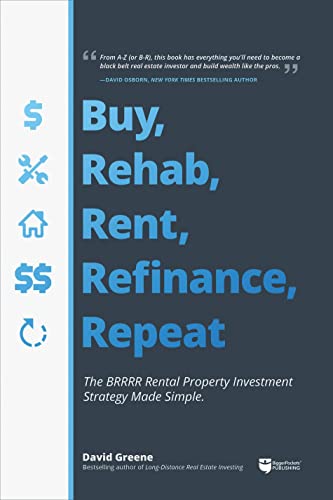
Buy, Rehab, Rent, Refinance, Repeat: The BRRRR Rental Property Investment Strategy Made Simple
As an affiliate, we earn on qualifying purchases.
As an affiliate, we earn on qualifying purchases.
Uncertainties Surrounding Future Market Movements
It remains unclear whether the current decline will stabilize or continue into the coming months. The trajectory depends on several uncertain factors, including future interest rate decisions by the Reserve Bank of Australia, global economic conditions, and domestic policy responses.
Analysts caution that if interest rates remain high or increase further, the decline could deepen. Conversely, if the central bank cuts rates or economic conditions improve, the market might stabilize or recover. The timing and magnitude of these potential shifts are still uncertain.
As an affiliate, we earn on qualifying purchases.
Next Steps for Market Recovery and Policy Response
Market participants will closely watch upcoming Reserve Bank meetings and economic data releases for signals on future interest rate moves. Policymakers may consider measures to stabilize the housing market if declines threaten financial stability.
Real estate agencies and investors will also assess the impact of falling prices on their portfolios, with some expecting continued downward pressure in the short term. The government may introduce policies to support homeowners or stimulate demand if the decline persists.
In the coming months, further data on mortgage approvals, sales volumes, and price trends will clarify whether the current downturn is a temporary correction or the start of a longer-term trend.
real estate market report Australia
As an affiliate, we earn on qualifying purchases.
As an affiliate, we earn on qualifying purchases.
Key Questions
How much have housing prices fallen in Sydney and Melbourne?
According to recent data, Sydney’s housing prices declined by approximately 8.5% in the first quarter of 2024, while Melbourne experienced a decline of about 7.9% during the same period.
What are the main reasons for the record declines?
The primary factors include the Reserve Bank of Australia’s interest rate hikes, which have increased borrowing costs, along with rising inflation and economic uncertainty reducing buyer confidence.
Could the market recover soon?
The future of the market depends on several uncertain factors, including interest rate policies and economic conditions. Analysts suggest declines may continue if rates stay high, but a recovery is possible if conditions improve.
What impact might this have on homeowners?
Homeowners could face negative equity if property values fall below their mortgage balances. The decline may also reduce household wealth and affect borrowing capacity.
Are there risks of a housing bubble burst?
While the current decline signals a correction, some experts warn that if declines accelerate or persist, it could lead to broader financial instability or a bubble burst scenario.
Source: local
Evergreen bestsellers Picks
bestsellers
As an affiliate, we earn on qualifying purchases.