TL;DR

Get cleaning gear delivered free — and shop member deals
- Fast, free delivery on millions of items
- Access to Prime Big Deal Days deals on October 6–7
- Prime Video, Amazon Music and more included
Most floors should be cleaned weekly or biweekly, but it varies. High-traffic zones need more frequent attention, while carpets require deep cleaning every 6-12 months. Over-cleaning can damage surfaces, so balance is key.
Ever wondered if you’re cleaning your floors too often or not enough? The truth is, the right frequency isn’t one-size-fits-all. It depends on your flooring material, how many people and pets walk through your home, and even the seasons.
Getting this right matters. Clean too often, and you might damage delicate surfaces or waste time and effort. Clean too little, and dirt, allergens, and bacteria pile up, affecting your home’s health and appearance. Let’s break down what really works for your floors, so you can keep them gleaming without the fuss.
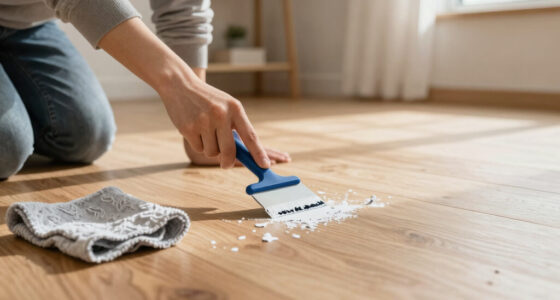
Sweep or vacuum high-traffic floors at least once a week to prevent surface damage.
Deep clean carpets every 6-12 months to avoid dirt buildup and extend their lifespan.
Adjust cleaning frequency seasonally—more often in muddy or pollen-heavy times, less in dry, clean conditions.
Avoid excessive moisture and harsh chemicals, which can damage delicate surfaces over time.
Incorporate eco-friendly tools like microfiber cloths and robotic vacuums to keep routines simple and green.
How Often Should You Really Clean Your Floors?
TL;DR: Most floors need weekly or biweekly care, but the right rhythm depends on material, traffic, pets, allergies, and season. Clean too little and dirt becomes damage. Clean too aggressively and moisture or harsh chemicals can shorten the life of your floors.
The smartest routine is frequent, gentle upkeep plus occasional deep cleaning.
Weekly sweeping or vacuuming, with a damp pH-neutral mop as needed.
Weekly debris removal, plus more frequent mopping in spill-prone areas.
Vacuum weekly or more, then deep clean every 6 to 12 months.
Entryways, kitchens, and muddy zones may need quick touch-ups often.
Match the routine to the surface.
Floor care is less about cleaning harder and more about choosing the right cadence. The wrong moisture level, tool, or product can do more harm than a little dust.
Hardwood
Remove grit weekly, then use a barely damp mop and pH-neutral wood cleaner. Avoid standing water because it can cause swelling or warping.
Sweep weeklyLaminate
Treat laminate like hardwood but with even tighter moisture control. Gentle vacuuming protects the top layer from abrasive particles.
Dry clean weeklyTile & Vinyl
Use warm water and a gentle cleaner several times weekly in kitchens, baths, and other spill-heavy areas to stop grime from setting.
Mop 2-3x weeklyCarpet
Vacuuming keeps dirt, dander, and pet hair from embedding deep in fibers. Schedule steam or extraction cleaning every 6-12 months.
Deep clean 6-12 mo.The practical cleaning table.
Use this as a baseline, then adjust upward for pets, allergies, mud, pollen, kids, cooking spills, and busy entryways.
| Floor type | Light clean | Wet mop | Deep clean | Moisture risk | Best habit |
|---|---|---|---|---|---|
| Hardwood | Weekly | As needed, barely damp | Refinish only when worn | ✓ | Use pH-neutral cleaner and dry fast. |
| Laminate | Weekly | Occasional, minimal water | Rarely needed | ✓ | Skip abrasive pads and soaking. |
| Tile | Weekly | 2-3x weekly | Grout as needed | ✗ | Prevent soap scum and sticky residue. |
| Vinyl | Weekly | 2-3x weekly | As needed | ~ | Use gentle cleaners, not harsh solvents. |
| Carpet | Vacuum 2-3x weekly | Not applicable | Every 6-12 months | ~ | Increase vacuuming for pets or allergies. |
Build the right floor-care rhythm.
Start with your flooring material, then tune the routine by the way your household actually lives on it.
Identify surface
Wood, laminate, tile, vinyl, and carpet each respond differently to moisture and friction.
Measure traffic
Entryways, kitchens, hallways, and family rooms collect damaging grit fastest.
Add pet factor
Hair, dander, tracked soil, and odors usually call for more frequent vacuuming.
Adjust by season
Mud, rain, snow, pollen, and open windows can temporarily raise the cleaning load.
Clean gently
Use microfiber, HEPA filtration, mild products, and controlled moisture.
Frequency rises with risk.
The baseline schedule changes quickly when dirt, moisture, allergens, or high foot traffic enter the room.
Recommended routine intensity
From dirt to damage.
Cleaning frequency is a chain reaction: what enters your home affects what builds up, what gets damaged, and how often you need deeper care.
Tracked grit
Abrasive particles scratch finishes and make later cleaning more aggressive.
Moisture load
Rain, snow, humidity, and spills raise the risk of swelling, mold, and staining.
Gentle upkeep
Frequent light passes remove debris before it embeds or scratches.
Longer lifespan
Balanced routines preserve appearance, indoor air quality, and floor integrity.
The simple rulebook.
Clean enough to prevent buildup, but gently enough to protect the finish. That is the real answer behind every schedule.
Weekly is the baseline.
Sweep or vacuum high-traffic hard floors at least once a week so grit does not scratch or embed.
Carpets need intervals.
Vacuum carpets 2-3 times weekly and deep clean every 6-12 months to reduce allergens, odors, and fiber wear.
Seasonal shifts count.
Clean more often during muddy, snowy, humid, or pollen-heavy periods; ease back in dry, low-traffic conditions.
How often should I clean my hardwood floors without ruining them?
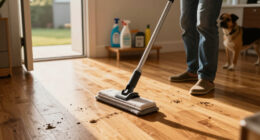
Hardwood floors look warm and inviting, but they need gentle care. Most experts recommend sweeping or vacuuming weekly to pick up dirt and grit that can scratch the surface.
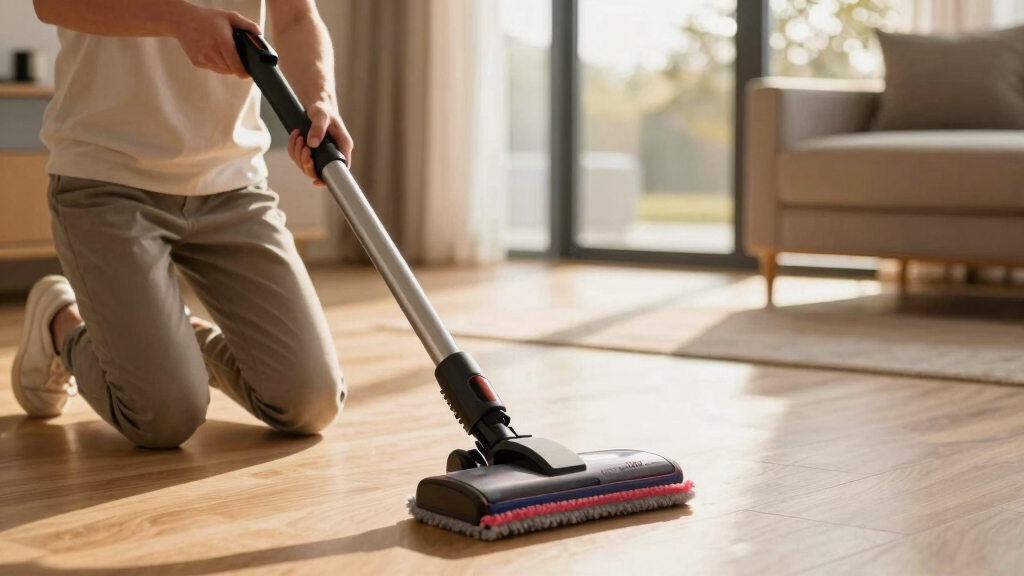
Follow up with a damp mop using a pH-neutral cleaner designed for wood. Avoid excessive moisture — it can cause warping or swelling over time. For high-traffic areas, consider additional quick cleanings midweek.
Why does this matter? Because hardwood is susceptible to damage from abrasive particles and excess water. Regularly removing dirt prevents scratches that degrade the finish, while controlled moisture prevents warping. Neglecting these precautions can lead to costly repairs or refinishing. Conversely, over-wetting or using harsh cleaners can dull the finish or cause swelling, reducing the lifespan of your floors. Striking a balance ensures your hardwood stays beautiful and durable for years.
As an affiliate, we earn on qualifying purchases.
How often should tile and vinyl floors get a deep clean?
Tile and vinyl floors are durable and can withstand frequent cleaning, but neglecting proper maintenance can lead to long-term issues. Sweeping or vacuuming weekly removes loose dirt that can scratch surfaces over time, especially in areas prone to spills like kitchens and bathrooms.
Using a warm water mop with a gentle cleaner 2-3 times weekly helps prevent grime and soap scum buildup. These residues, if left unchecked, can become sticky and attract more dirt, creating a cycle of increasingly stubborn stains. Over time, this buildup can degrade the surface, cause discoloration, and even lead to surface deterioration. Regular cleaning prevents this downward spiral, preserving the appearance and integrity of your flooring.
Think about it: neglecting routine cleaning allows dirt to embed deeply, making future cleaning harder and more abrasive. That’s why consistent maintenance isn’t just about appearance — it’s about protecting your investment. In high-use areas like the kitchen, daily quick sweeps combined with more thorough mopping every few days can prevent the accumulation of residues that accelerate wear and staining, ultimately prolonging the lifespan of your floors.
As an affiliate, we earn on qualifying purchases.
What’s the right cleaning schedule for carpets?
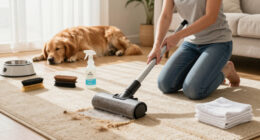
Carpets are notorious for trapping dirt, dust, and pet hair deep within their fibers, which can impact both their appearance and your health. Regular vacuuming 2-3 times a week is essential because it prevents debris from embedding further, which could cause fibers to mat or deteriorate prematurely. It also reduces allergen levels, making your home healthier.
Deep cleaning methods like steam cleaning or professional extraction are vital every 6-12 months. This isn’t just about maintaining a fresh look; it’s about removing bacteria, allergens, and deeply embedded dirt that regular vacuuming can’t reach. When neglected, these contaminants can cause persistent odors, exacerbate allergies, and accelerate fiber wear, shortening your carpet’s lifespan. Proper scheduling of deep cleaning balances the need for cleanliness with the preservation of your carpet’s structural integrity, ensuring it remains both attractive and healthy for years to come.
For instance, if you have pets that shed daily, more frequent vacuuming combined with biannual deep cleaning keeps pet hair and dander from embedding too deeply. This proactive approach prevents odors, allergies, and premature wear, ultimately saving money and improving indoor air quality.
As an affiliate, we earn on qualifying purchases.
Does seasonal change affect how often I clean my floors?
Absolutely. Seasonal variations significantly influence the amount of dirt, moisture, and allergens that enter your home, which in turn affects how often you should clean. During winter or rainy seasons, mud, snow, and increased humidity bring in more debris and promote mold growth if not managed properly. Increasing your cleaning frequency—perhaps sweeping daily and mopping twice weekly—helps prevent dirt from settling into the flooring and reduces the risk of staining or damage from excess moisture. Neglecting this can lead to long-term issues like warping, mold, or surface degradation.
In summer, pollen, dust, and outdoor debris are more likely to settle on floors, especially if windows are open. Regular quick cleans prevent buildup and discoloration, maintaining the floor’s appearance and durability. Adjusting your routine based on seasonal conditions isn’t just about cleanliness; it’s a proactive way to protect your investment. Ignoring these changes can lead to hidden damage, increased repair costs, and compromised indoor air quality. Think of it like adjusting your wardrobe for the weather—your cleaning routine should be flexible enough to adapt to seasonal needs, preserving your floors’ health and beauty all year round.
As an affiliate, we earn on qualifying purchases.
What are the dangers of over-cleaning or under-cleaning?
Over-cleaning, especially with harsh chemicals or excessive moisture, can cause serious damage to flooring. For hardwood, this can mean warping, swelling, or dulling the finish. Using abrasive cleaners or too much water can strip protective coatings, leaving surfaces vulnerable to scratches, stains, and premature aging. For laminate and delicate surfaces, aggressive cleaning can cause peeling or fading. The tradeoff here is that while frequent cleaning might seem beneficial, overdoing it with improper products or methods accelerates deterioration, leading to costly repairs or replacements down the line. Striking a careful balance preserves the integrity and appearance of your floors over time.
Under-cleaning, however, allows dirt, dust, and allergens to accumulate, which can cause surface scratches and embed debris that’s difficult to remove later. This buildup can also foster bacteria and mold growth, impacting indoor air quality and health. Ignoring regular cleaning leads to stains and discoloration that become permanent, diminishing your floors’ aesthetic and structural longevity. The key is understanding your surfaces and choosing appropriate routines: frequent, gentle cleaning combined with periodic deep cleans. This approach prevents the harmful effects of both neglect and over-zealous cleaning, ensuring your floors stay beautiful and functional for years to come.
For example, neglecting weekly vacuuming in a pet-friendly home allows pet hair and dander to embed deeply, causing odors and allergy issues. Conversely, using harsh chemicals or excessive water on hardwood can cause irreversible damage. The balance lies in using gentle, suitable cleaning methods at appropriate intervals—this preserves your investment and extends the life of your floors.
How can I make my cleaning routine more efficient and eco-friendly?
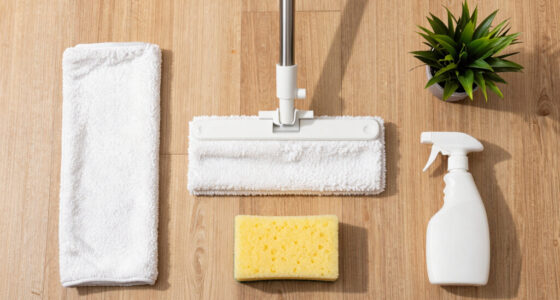
Use simple tools like microfiber cloths or mops, and opt for non-toxic, biodegradable cleaners. These are gentle on surfaces and better for your indoor air quality. Microfiber materials trap dust and dirt more effectively, reducing the need for excessive cleaning and chemical use. Choosing eco-friendly cleaners minimizes chemical residues that can harm your family and the environment, and they are often safer for delicate surfaces.
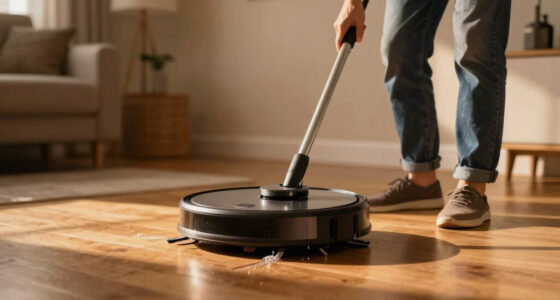
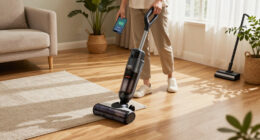
Automated devices like robotic vacuums can help maintain daily cleanliness with minimal effort. They are especially useful for high-traffic areas and can be programmed to run regularly, reducing the need for manual labor and saving energy. Just make sure they are suitable for your floor type to prevent damage and ensure effective cleaning.
For instance, a robot vacuum running daily in your living room can significantly reduce manual vacuuming and help maintain a cleaner environment, saving time and reducing your carbon footprint. Incorporating these tools and products makes cleaning more sustainable, cost-effective, and less labor-intensive.
Frequently Asked Questions
How often should I vacuum my carpet if I have pets?
If you have pets that shed regularly, vacuum at least 3 times a week. This prevents pet hair and dander from embedding deep into fibers and reduces allergy triggers.
Can I use the same cleaning method for all types of floors?
No. Different floors require tailored cleaning. Hardwood needs gentle sweeping and damp mopping, while tile can handle more frequent wet cleaning. Always follow manufacturer guidelines for your specific surface.
Is steam cleaning safe for all floors?
Steam cleaning is effective for deep cleaning carpets and some sealed hard floors. However, avoid steam on unsealed wood or laminate, as excess moisture can cause damage. Always check your floor’s manufacturer advice first.
How can I tell if my floors need professional deep cleaning?
If your floors look dull despite regular cleaning, or if you notice persistent stains and odors, it’s time for a professional deep clean. Also, if allergens or dust triggers increase, a professional treatment can help.
Conclusion
Just because you’re cleaning your floors doesn’t mean you’re doing it right. Find the balance that protects your surfaces and fits your lifestyle. A smart routine keeps your home healthier, your floors looking fresh, and your effort manageable.
Remember, the goal isn’t to clean obsessively but to maintain a clean, safe space. Think of your floors as the foundation of your home’s comfort—treat them with care, and they’ll serve you well for years.
Fall Picks
fall essentials
As an affiliate, we earn on qualifying purchases.