TL;DR

Get cleaning gear delivered free — and shop member deals
- Fast, free delivery on millions of items
- Access to Prime Big Deal Days deals on October 6–7
- Prime Video, Amazon Music and more included
Reducing single-use cleaning products involves swapping disposables for durable, reusable tools, choosing concentrates over bottles, and simplifying routines. These steps cut waste, save money, and make your cleaning more eco-friendly.
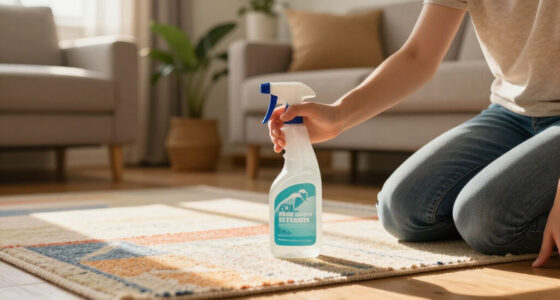
Every time you reach for a paper towel or spray bottle, you add to the mountain of waste that’s hard to see but hard to ignore. It’s easy to overlook how much packaging, plastic, and single-use items pile up in our cleaning routines. But what if you could keep your home spotless while cutting down on waste and plastic pollution?
This guide is about simple, real steps you can take today. You’ll learn how switching to reusable tools, concentrates, and smarter habits not only shrinks your waste footprint but also saves you money and reduces the clutter in your cleaning cabinet.
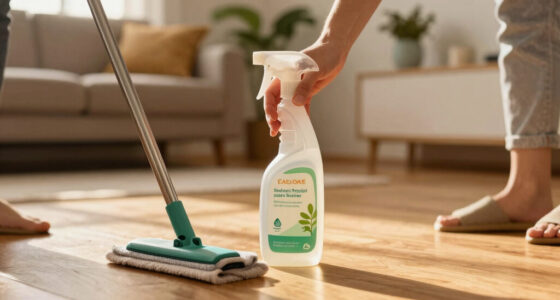
Switch from disposable cleaning tools like paper towels to durable, washable microfiber cloths and mop heads.
Opt for concentrates, powders, and refillable products to cut packaging and transport waste.
Simplify your cleaning routine with only essential, multipurpose products – avoid clutter and unnecessary chemicals.
Use disinfectants only when necessary, focusing on hygiene needs rather than routine disinfection.
Always consider the full environmental impact of your cleaning choices, from production to disposal, to make smarter, greener decisions.
Low-waste home guide / 01
How to Cut Down on Single-Use Cleaning Products
Keep your home spotless while reducing disposable bottles, wipes, pads, packaging, and unnecessary chemicals. The highest-impact changes are simple: reuse what lasts, refill what you can, and buy only what your routine truly needs.
Do not buy what your routine does not need.
Choose tools designed for repeated washing.
Use concentrates, powders, and refill systems.
Core product categories can cover most homes.
Small substitutions create a lighter cleaning footprint.
Think beyond the product itself: packaging, transport, washing, storage, performance, and disposal all matter.
Swap paper towels, disposable dusters, and single-use pads for washable tools.
Choose concentrates, tablets, powders, and refill pouches to reduce shipped water and packaging.
Buy larger formats only when your household will use them before they degrade.
Use multipurpose essentials instead of collecting specialized products.
Reserve disinfectants for genuine hygiene concerns and follow contact-time instructions.
Four changes that make waste reduction easier to maintain.
Build a system around durability and realistic use—not around buying more “green” products.
Switch to reusable
Washable microfiber cloths, mop heads, sponges, and replaceable brush heads can serve repeatedly when maintained properly.
- Keep separate cloths by room or task.
- Wash efficiently with suitable detergent.
Choose concentrates
Tablets, powders, and concentrates reduce packaging volume and the need to transport large amounts of water.
- Follow dilution instructions precisely.
- Check ingredients and packaging claims.
Buy the right size
Larger containers can use less packaging per application, but only when the product will be used before expiry or degradation.
- Match quantity to real consumption.
- Store products away from heat and sunlight.
Simplify your shelf
A curated set of essentials reduces clutter, duplicate purchases, chemical exposure, and packaging waste.
- Start with multipurpose products.
- Review unused supplies regularly.
Disinfect selectively
Routine cleaning is not the same as disinfection. Use disinfectants when there is a specific hygiene reason.
- Illness and raw-meat contamination may warrant it.
- Respect the label’s contact time.
Question green claims
Look for specific details about recycled content, refill rates, ingredients, certifications, disposal, and performance.
- “Natural” does not automatically mean better.
- Verify what can actually be recycled locally.
The best choice depends on the whole lifecycle.
A reusable item only delivers its advantage when it is used repeatedly, washed sensibly, and kept in service.
Before you buy
Will I use the entire product before it expires or loses effectiveness?
Can I refill the container or buy the formula with less packaging?
Can I maintain the reusable item so it stays effective and hygienic?
Is the disposal route real and available where I live?
Choose the option that fits the job and the household.
Lower packaging is useful only when it does not create unused product, ineffective cleaning, or unsafe handling.
| Cleaning choice | Waste profile | Best practice | Watch out for |
|---|---|---|---|
| Washable cloth | Low after repeated use | Wash and assign by task | Extra laundry |
| Concentrate or tablet | Lower packaging volume | Use the exact dilution | Wrapper and ingredients |
| Large container | Fewer containers per use | Buy at your real usage rate | Expiry and storage |
| Specialized cleaner | More products and packaging | Use only for a clear need | Redundant formulas |
| Disinfectant | Higher chemical intensity | Use for specific hygiene concerns | Never mix chemicals |
Move from impulse purchasing to intentional maintenance.
Refill systems and dissolvable formats work best when convenience makes reuse the default behavior.
Audit
List what you already own and what each item actually does.
Reduce
Remove duplicates and products you rarely use.
Refill
Choose concentrates, powders, tablets, or return systems.
Maintain
Wash, store, and replace parts so durable tools last.
Review
Check performance and adjust your routine before buying more.
Your simplest cleaning routine may be your greenest one.
Start with one durable cloth, one refillable bottle, and a short list of genuinely useful products. Use what you own, maintain it well, and replace it only when necessary. That is how everyday cleaning becomes less wasteful without becoming more complicated.
Switch from disposable to reusable tools
Replacing paper towels, disposable dusters, and single-use mop pads with washable microfiber cloths and reusable mop heads can drastically cut waste. But more than just reducing waste, this switch impacts your overall environmental footprint. Microfiber cloths, when used properly and washed efficiently, can last hundreds of washes—meaning fewer trips to buy replacements. This longevity reduces demand for manufacturing resources and lowers the carbon footprint associated with production and transportation.
Furthermore, reusable tools often perform better over time, providing consistent cleaning power without the degradation that disposables face. For example, a microfiber cloth can absorb more dirt and grime than a single-use wipe, reducing the need for additional cleaning products and water. Practical tips include washing cloths at high temperatures for hygiene, using eco-friendly detergents, and having dedicated cloths for different tasks to prevent cross-contamination. This approach not only minimizes waste but also encourages a mindset of durability and mindful consumption that benefits the environment long-term.
Choosing reusable tools also promotes a more mindful cleaning routine. When you invest in quality, durable items, you start to see cleaning as a long-term practice rather than a quick fix. This shift can lead to a greater appreciation for sustainable choices in other areas of your life, fostering a deeper connection to environmental responsibility. However, it’s essential to weigh the initial resource investment against the long-term benefits—while reusable tools reduce waste, they require proper maintenance and care to ensure their longevity and effectiveness.
reusable microfiber cleaning cloths
As an affiliate, we earn on qualifying purchases.
As an affiliate, we earn on qualifying purchases.
Choose concentrates and refills to slash packaging waste
Cleaning concentrates, powders, and dissolvable tablets are more than just space-savers—they represent a shift toward a more sustainable mindset. By choosing concentrates, you significantly reduce the volume and weight of packaging materials, which in turn decreases transportation emissions and waste. When you dilute a concentrated cleaner at home, you’re effectively reusing a small amount of packaging multiple times, which minimizes the environmental impact associated with manufacturing and disposal.
The environmental benefits extend beyond packaging reduction. Concentrates often come with longer shelf lives and cheaper per-use costs, making them economically sustainable as well. However, it’s important to consider the entire lifecycle of these products. Look for options with recyclable or reusable containers, and support brands that prioritize eco-conscious packaging. Subscription services or refill stations further amplify these benefits by reducing the need for new bottles and encouraging reuse. This approach not only cuts waste but also promotes conscious consumption—choosing quality over quantity and reducing the frequency of single-use plastic purchases.
While concentrates are advantageous, they also require mindful handling. Improper dilution can lead to ineffective cleaning or waste if you make too much at once. Additionally, some concentrates contain chemicals that, if not disposed of properly, could harm local ecosystems. Therefore, selecting products with environmentally friendly ingredients and understanding proper usage instructions is crucial. This ensures that the environmental benefits of concentrates are fully realized, balancing convenience with ecological responsibility.
eco-friendly cleaning concentrates
As an affiliate, we earn on qualifying purchases.
As an affiliate, we earn on qualifying purchases.
Buy larger or lower-packaging formats when possible
Opting for larger containers is a strategic way to reduce the environmental impact of your cleaning routine. Larger formats mean fewer individual containers, which reduces the cumulative plastic waste and the energy used in manufacturing and shipping. For example, buying a gallon of all-purpose cleaner instead of multiple small bottles cuts down on packaging and transportation emissions per ounce of product used.
However, this approach requires a mindful balance. Larger packages are only advantageous if you will use the product before it degrades or expires. Waste can occur if you buy in bulk and then let products sit unused or if they are not stored properly. Additionally, consider your household’s consumption rate; if you rarely need a particular cleaner, a smaller size might prevent waste. The key is to assess your usage patterns honestly and choose the size that aligns with your actual needs. This balance ensures you maximize environmental benefits without creating unnecessary waste or clutter.
Another important factor is the shelf life of the product. Some cleaners may lose effectiveness over time, especially if exposed to heat or sunlight. Therefore, buying in bulk makes the most sense when you have a predictable, steady need for a product that can be used within its shelf life. Also, consider the availability of refill options for larger containers—these can further reduce waste by allowing you to top up smaller bottles rather than purchasing new ones repeatedly.
As an affiliate, we earn on qualifying purchases.
Streamline your cleaning cupboard with only what you need
Many households accumulate a cluttered collection of cleaning products that are seldom used or redundant. This not only leads to unnecessary waste but also complicates routines and increases the likelihood of buying more than needed. A minimalist, carefully curated set of cleaning essentials can handle most tasks efficiently, reducing waste from overbuying and minimizing chemical exposure.
By focusing on multipurpose products, you cut down on packaging waste and simplify your cleaning process. For example, a good all-purpose cleaner can replace separate products for glass, surfaces, and appliances if used correctly. Choosing concentrated formulas further reduces packaging and extends product lifespan. This streamlined approach encourages mindful consumption, reduces clutter, and promotes a more sustainable lifestyle.
Beyond reducing waste, this streamlined approach can improve your mental clarity and reduce stress. When your cleaning supplies are limited and well-organized, it’s easier to maintain a routine and feel confident in your choices. Regularly evaluating your supplies ensures you’re not holding onto products you no longer need, which can become a source of clutter and environmental waste. The goal is to balance having enough supplies to clean effectively without creating excess that contributes to waste and environmental strain.
As an affiliate, we earn on qualifying purchases.
Use disinfectants sparingly and wisely
Disinfection is crucial in specific contexts—like during illness outbreaks, when handling raw meat, or in high-touch areas such as door handles and light switches. However, routine disinfection for every surface can lead to overuse of harsh chemicals, increased waste, and potential environmental harm. Overusing disinfectants also risks contributing to the development of resistant bacteria and unnecessary chemical exposure for your family and the environment.
Practicing judicious use involves understanding when disinfection is truly necessary. For most day-to-day cleaning, soap and water or physical scrubbing are sufficient to remove germs. Save disinfectants for situations with higher hygiene risks, and use reusable cloths to minimize waste. Proper application—following label instructions for contact time—is essential for effectiveness. This mindful approach balances hygiene needs with environmental responsibility, reducing chemical waste and exposure while maintaining a healthy home.
Overuse of disinfectants can also lead to chemical buildup in the environment, affecting water quality and wildlife if not disposed of properly. Additionally, the production and disposal of these chemicals consume resources and generate waste that can persist in ecosystems. By reserving disinfectants for necessary situations, you reduce this environmental burden and promote a more sustainable cleaning routine that protects both your family and the planet.
Think about the full environmental impact of your choices
Every stage of a cleaning product’s lifecycle—from production to disposal—carries environmental implications. Reusable items only deliver environmental benefits if they are used, washed, and maintained properly. Frequent washing consumes water and energy, which can offset some benefits if not managed efficiently. Choosing concentrates or larger bottles reduces packaging waste and transportation emissions, but only if the containers are recycled or reused appropriately.
It’s also vital to evaluate the true sustainability claims on labels. Labels like “natural” or “biodegradable” can be misleading; they don’t automatically mean the product is environmentally friendly. Consider the entire lifecycle—how the product is made, transported, used, and disposed of. For instance, microfiber cloths last hundreds of washes, but if they shed microplastics or aren’t washed properly, their environmental advantages diminish. Making informed choices requires looking beyond marketing claims and understanding the real impacts of your cleaning habits.
Furthermore, consider the impact of your disposal methods. Recycling, composting, or repurposing packaging can significantly reduce waste. Also, think about the energy used during cleaning—using less water and choosing energy-efficient appliances or techniques can make your routine more sustainable. Ultimately, a comprehensive understanding of the lifecycle of cleaning products empowers you to make decisions that truly benefit the environment, making your cleaning routine both effective and responsible.
Avoid greenwashing and spot true eco-friendly claims
Many products boast vague or misleading labels like “eco-friendly” or “planet-safe,” which can distract from their actual environmental impact. To truly align your purchasing with sustainability, look for specific, verifiable features such as the use of recycled packaging, participation in recycling or reuse programs, transparent ingredient lists, independent eco-certifications, and clear disposal instructions. These indicators help distinguish genuinely sustainable products from marketing hype.
Understanding greenwashing is crucial because it prevents you from unintentionally supporting products that appear eco-friendly but are not. For example, a product labeled “green” with no supporting evidence or certifications may still contain harmful chemicals or be produced unsustainably. By scrutinizing labels and researching brands, you ensure your choices genuinely contribute to environmental health. This vigilance encourages the market to adopt more transparent and responsible practices, ultimately making your efforts more impactful.
Being able to identify genuine eco-friendly claims also means understanding the nuances behind labels and certifications. Some brands may use vague terms or claim sustainability without concrete proof. Learning to read ingredient lists, understanding certification logos, and researching company practices help you avoid being misled. This critical approach not only ensures your choices are environmentally responsible but also supports brands committed to genuine sustainability, creating a ripple effect that can influence broader industry standards.
The latest innovations: refill systems, tablets, and concentrates
Refill stations, dissolvable tablets, and powdered formulas are revolutionizing sustainable cleaning. These innovations significantly reduce plastic waste by enabling consumers to reuse bottles or use minimal packaging—adding a practical layer to eco-friendly routines. For example, adding a tablet to a reusable spray bottle filled with water creates a powerful cleaner with minimal waste, cutting down on single-use bottles and shipping emissions.
But it’s important to consider the entire lifecycle. While refills and tablets cut down on packaging, the environmental benefits depend on proper reuse, recycling, and responsible disposal of packaging materials. Shipping volumes are smaller, but manufacturing impacts still exist. Many brands now offer subscription programs, durable bottles, and concentrated formulas that last for months, making them effective tools for reducing waste. Embracing these innovations can be a game-changer, provided consumers use and maintain them thoughtfully, balancing convenience with environmental responsibility.
Choosing products that incorporate these innovations also means being mindful of the supply chain and end-of-life disposal. Reusable bottles and refill stations are most effective when coupled with consumer commitment to proper cleaning and recycling. Additionally, some tablets or powders may contain chemicals that require careful handling to avoid environmental contamination. The key is to select reputable brands that prioritize sustainability in their manufacturing and packaging processes, ensuring these innovations truly contribute to a greener home.
Make smarter choices: ingredients, packaging, and performance
Effective, safe, and low-waste cleaning starts with understanding product ingredients and packaging. Transparent labels that disclose ingredients allow you to avoid harmful chemicals and choose environmentally friendly options. Biodegradable formulas reduce persistence in ecosystems, but remember that natural ingredients aren’t always safe or effective—some may require specific handling or support additional cleaning steps. The packaging should also be minimal or recyclable, reducing waste after use.
Balancing performance with sustainability involves selecting products that meet your cleaning needs without excess packaging or harmful chemicals. For example, vinegar and baking soda are versatile, eco-friendly options for many chores, but they aren’t suitable for all surfaces or disinfection needs. Combining these with proper cleaners when necessary ensures effectiveness without unnecessary environmental impact. Making informed choices means scrutinizing labels, understanding ingredients, and considering how well products perform relative to their environmental footprint.
It’s also worth considering the durability and lifecycle of the packaging itself. Recyclable materials are ideal, but only if they are properly disposed of. Look for brands that use refillable containers or minimal packaging to further reduce waste. Keep in mind that some ingredients may have ecological trade-offs; for instance, natural oils might be beneficial but could impact local wildlife if not sourced responsibly. The goal is to find a balance where cleaning effectiveness and environmental responsibility go hand-in-hand, ensuring your routine is both efficient and sustainable.
Practical steps to start reducing your single-use cleaning waste today
- Take inventory of your current disposable cleaning products.
- Identify the most frequently used items to target first.
- Replace one disposable product with a reusable alternative.
- Buy refills or concentrates for your most-used cleaners.
- Wash and maintain reusable cloths regularly, and keep separate sets for different areas.
- Use disinfectants only when truly needed, and follow label instructions.
- Recycle or responsibly dispose of empty packaging per local rules.
- Track your waste and spending for a month to see your progress.
- Wait until existing supplies are finished before purchasing replacements.
This focused approach makes a real difference without overwhelming your routine. Small, consistent changes add up and reinforce sustainable habits. Over time, these choices can lead to a significant reduction in your household waste footprint, fostering a more eco-conscious mindset that benefits both your home and the environment.
Frequently Asked Questions
Are reusable cleaning cloths hygienic?
Yes, if you wash them thoroughly and regularly, using hot water and drying completely. Use separate cloths for high-risk areas like bathrooms and kitchens to prevent cross-contamination. Replacing worn or stained cloths keeps hygiene high while reducing waste.
Are cleaning tablets better than bottled cleaners?
They can reduce packaging waste and transport emissions, especially with durable bottles. However, consider the wrapper, shipping footprint, and how often you use them. When used properly, tablets are a practical, eco-friendly option, but they’re not a complete solution on their own.
Is vinegar a good substitute for cleaning products?
Vinegar works well on mineral deposits and odors but isn’t a universal disinfectant and can damage some surfaces like natural stone. Use it for specific tasks, but always follow with appropriate cleaning or disinfecting products when needed. Never mix with bleach.
Can I use one cleaner for everything?
A versatile, general-purpose cleaner handles most routine cleaning. But for tougher jobs—like heavy grease, mold, or descaling—you’ll need specialized products. Using the right cleaner for each task improves effectiveness and reduces waste from overbuying.
Are microfiber cloths environmentally friendly?
They are reusable and effective but made from synthetic fibers that can shed microplastics when washed. Use them repeatedly, wash with a microfiber filter or bag, and consider alternatives like natural fibers if concerned about pollution.
Conclusion
Every small change in your cleaning routine can ripple outward, making a real difference for the planet. Focus on replacing disposables with durable tools, choosing concentrates, and staying mindful of how products are made and disposed of.
Imagine a home where cleaning doesn’t come with mountains of plastic waste—just smart, simple routines that serve your needs and respect the environment. That’s the goal. Start today, one step at a time.
Fall Picks
fall essentials
As an affiliate, we earn on qualifying purchases.